

Welcome to the era where user experience (UX) and user interface (UI) design take center stage in shaping the digital landscape. In this article, we will explore how UX/UI design is revolutionizing the way we interact with digital products and services, and uncover the immense potential it holds for creating a brighter future. Prepare to embark on a journey of innovation, creativity, and human-centric design as we delve into the exciting realm of UX/UI in the digital era.
Understanding the Power of User Experience (UX)
User Experience (UX) is the key to creating meaningful and delightful interactions that resonate with users. Let's explore the elements that make UX design an indispensable part of the digital landscape.
1. Human-Centered Design
At the heart of UX design lies the principle of human-centered design. It involves understanding users' needs, behaviors, and aspirations, and designing experiences that meet and exceed their expectations. By conducting user research, creating user personas, and empathizing with their journey, designers can create intuitive and relevant experiences that truly resonate with users.
2. Seamless User Journeys
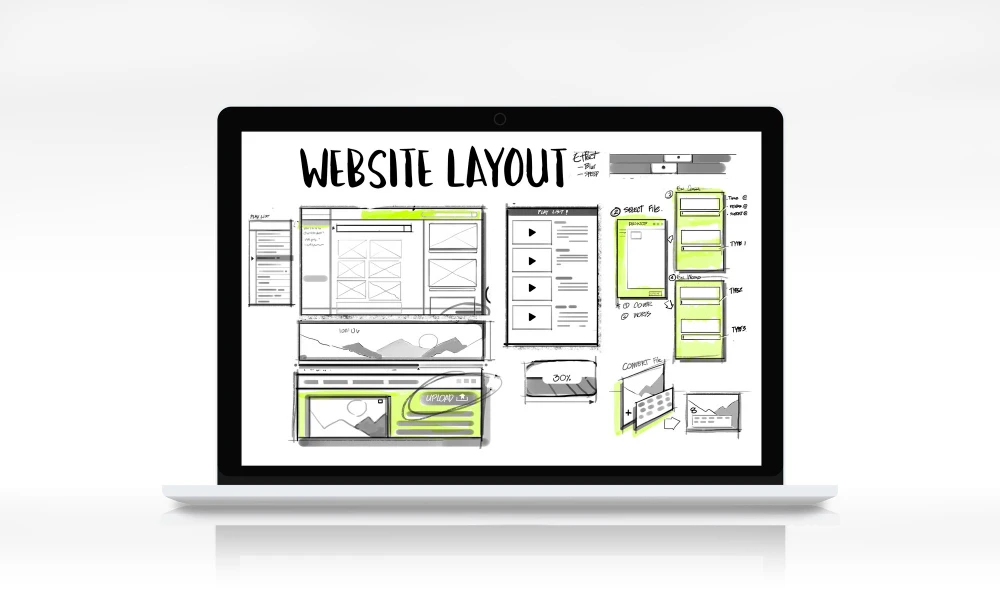
UX design focuses on creating seamless user journeys that are intuitive and efficient. It involves mapping out user flows, identifying pain points, and removing any obstacles that hinder a smooth navigation experience. By understanding user goals and aligning them with business objectives, designers can optimize the user journey, ensuring that users can accomplish their tasks effortlessly and enjoyably.
3. Iterative Improvement
The beauty of UX design lies in its iterative nature. Designers continuously gather user feedback, conduct usability testing, and analyze data to refine and enhance the user experience. By embracing a culture of continuous improvement, designers can create digital products and services that evolve with the changing needs and expectations of users.
Unleashing the Potential of User Interface (UI) Design
User Interface (UI) design focuses on the visual and interactive elements that bring digital experiences to life. Let's uncover the elements that make UI design an art form in the digital era.
1. Visual Delight
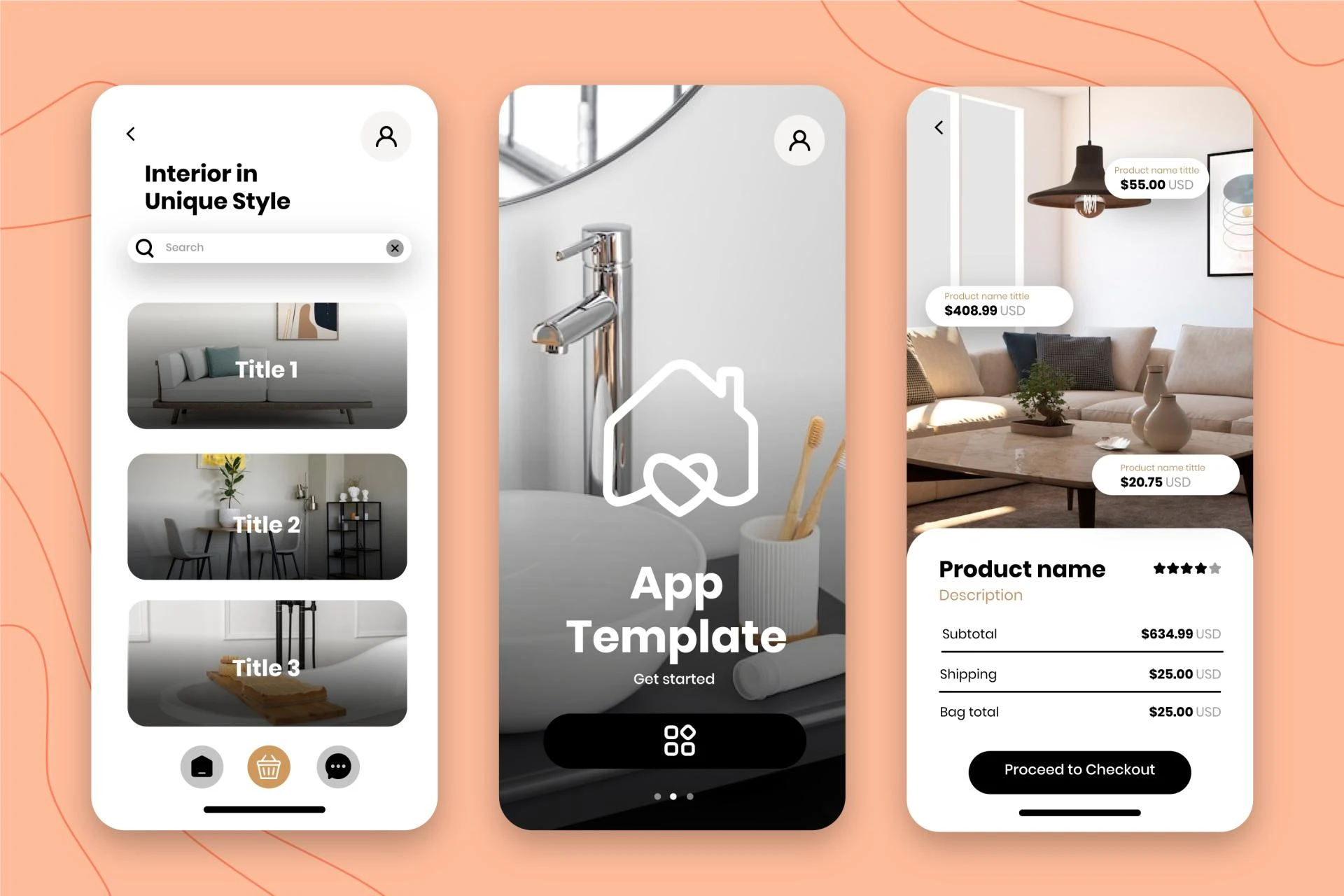
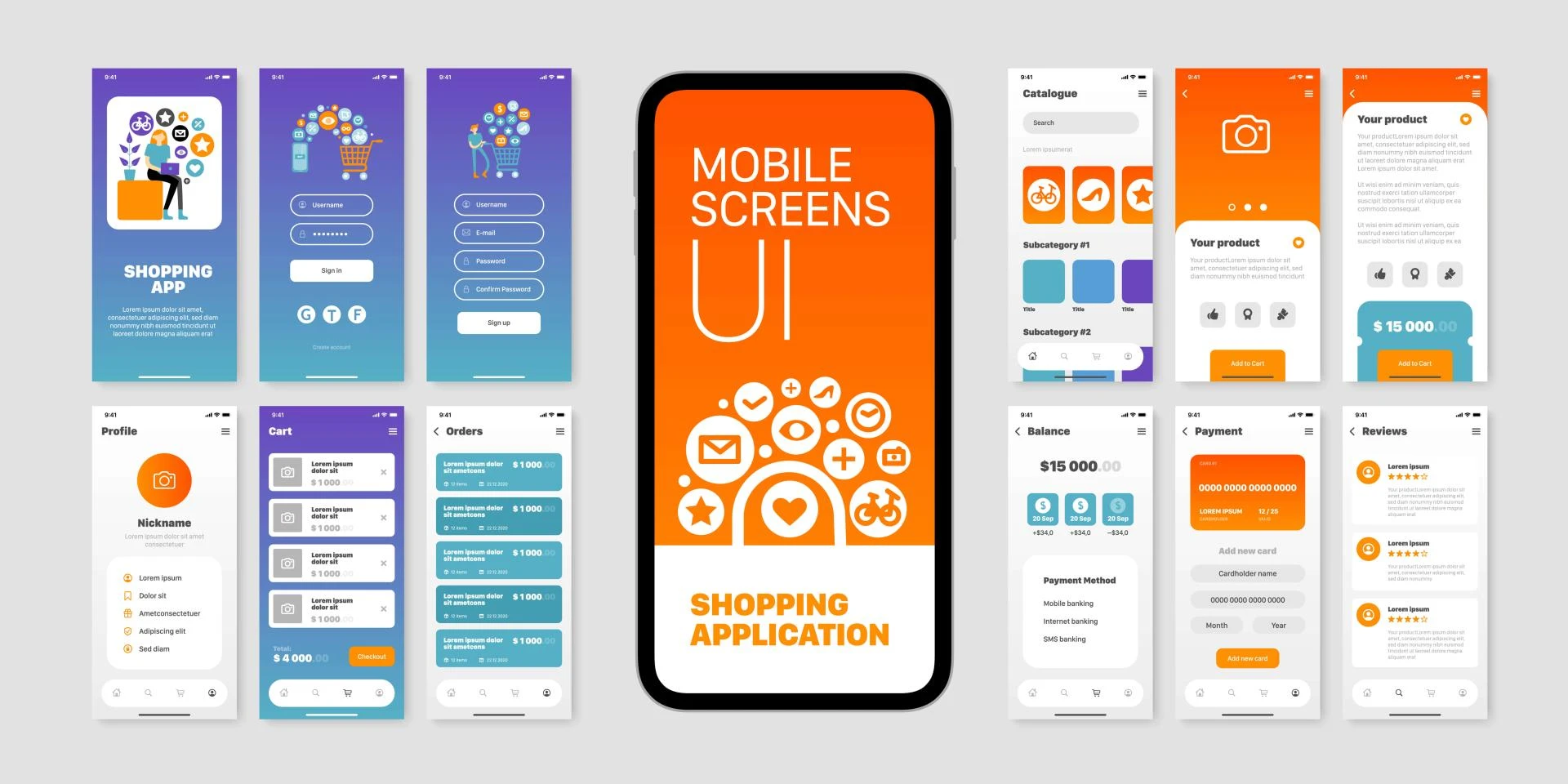
UI design aims to create visually appealing and engaging interfaces that captivate users from the moment they interact with a digital product. It involves carefully selecting colors, typography, and imagery to evoke emotions and establish a visual identity. By incorporating visual hierarchy and balance, designers can guide users' attention and create a cohesive and visually delightful experience.
2. Intuitive Interactions
UI design is all about creating intuitive interactions that feel natural and effortless. It involves designing clear navigation menus, interactive buttons, and responsive elements that provide instant feedback to users. By aligning UI elements with users' mental models and expectations, designers can create interfaces that are easy to learn and use, resulting in a seamless and enjoyable user experience.
3. Responsive and Adaptive Design
In the age of mobile devices and varying screen sizes, UI design must be responsive and adaptive. It involves designing interfaces that can gracefully adapt to different devices, resolutions, and orientations. By embracing responsive design principles, such as fluid layouts and scalable elements, designers can ensure that their creations look and function flawlessly across a range of devices, providing a consistent and optimized experience.
The Synergy of UX and UI
The true power of UX/UI design lies in the synergy between these two disciplines. Let's explore how the collaboration between UX and UI designers can unlock the full potential of digital experiences.
1. Collaborative Design Process
Collaboration between UX and UI designers is essential for creating cohesive and successful digital experiences. By working together from the inception of a project, both disciplines can contribute their unique perspectives and expertise. Through effective communication, knowledge sharing, and cross-disciplinary collaboration, designers can create holistic and harmonious solutions that seamlessly blend the user experience with the visual interface.
2. Data-Informed Design Decisions
The collaboration between UX and UI also involves leveraging data to drive design decisions. By analyzing user research, usability testing results, and analytics data, designers can gain valuable insights into user behavior and preferences. This data-informed approach helps inform UI design choices, ensuring that visual elements align with users' needs and expectations.
Conclusion
The future of digital experiences is in the hands of UX/UI designers who understand the immense potential they hold. By embracing human-centered design principles, creating seamless user journeys, and harnessing the power of visual appeal, designers can shape a future where digital interactions are intuitive, engaging, and delightful. The collaboration between UX and UI designers, coupled with an iterative and data-informed design process, will continue to push the boundaries of what is possible in the digital era.
Visit my Upwork profile for - UI/UX design, Mobile Design & Product Designer
Project Catalog for - Mobile App UI UX Design, iOS or Android Mobile APP UX/UI Design & Modern Crypto UIUX Design




























Sign in to leave a comment.