

Welcome to the world of user-centered design, where the key to creating exceptional digital experiences lies in putting users first. In this article, we will explore the transformative power of user-centered design in crafting captivating UX/UI that not only meets users' needs but also delights and wows the crowd. Get ready to embark on a journey of empathy, innovation, and user-centricity as we unveil the secrets of creating remarkable digital experiences!
The Essence of User-Centered Design
User-Centered Design (UCD) is a design philosophy that places the needs, goals, and preferences of users at the forefront of the design process. By understanding users' behaviors, motivations, and pain points, designers can create intuitive and impactful experiences that resonate with their target audience.
1. Empathy and User Research
At the core of user-centered design is empathy. Designers must step into the shoes of their users, seeking to understand their perspectives, challenges, and desires. User research methods, such as interviews, surveys, and observations, provide valuable insights into users' needs, allowing designers to create solutions that address real-world problems. By empathizing with users, designers can develop a deep understanding of their motivations and design experiences that truly meet their expectations.
2. User Personas and Journey Mapping
User personas and journey mapping are powerful tools in user-centered design. User personas represent archetypal users, capturing their characteristics, goals, and preferences. Journey mapping helps visualize the user's experience throughout their interaction with a product or service, identifying pain points and opportunities for improvement. By creating user personas and mapping their journeys, designers gain a holistic view of the user's perspective, enabling them to tailor experiences that cater to specific user needs and enhance overall satisfaction.
3. Iterative Design and Testing
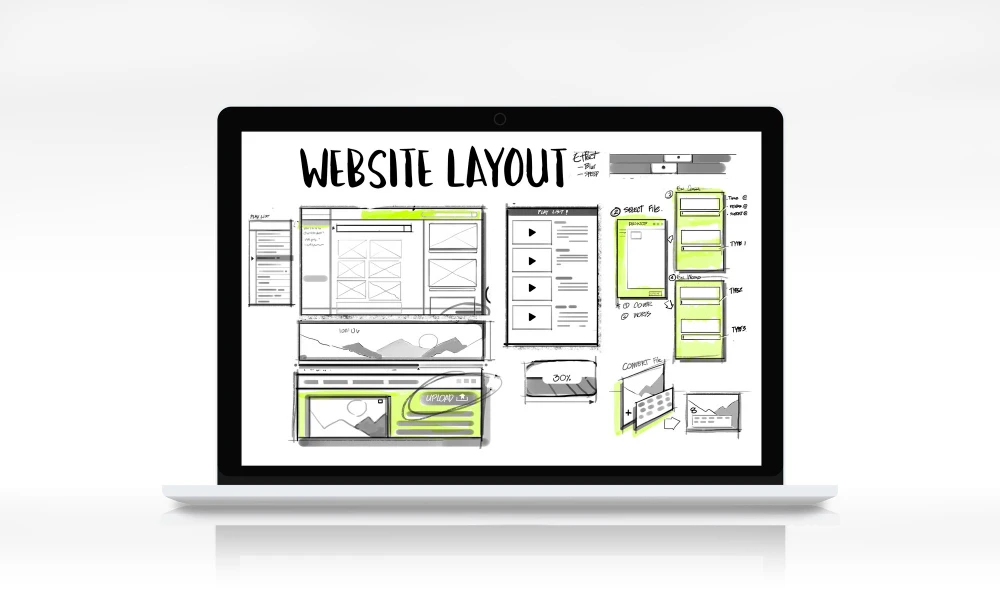
User-centered design is an iterative process that embraces continuous improvement. Designers create prototypes and gather user feedback to refine their designs. Usability testing allows designers to observe users' interactions and identify areas of improvement. By iterating on design solutions based on user feedback, designers can ensure that their creations align with user expectations, resulting in a more seamless and satisfying user experience.
The Fusion of UX and UI
The marriage of User Experience (UX) and User Interface (UI) design is where the magic happens. Let's explore how the synergy between UX and UI elevates user-centered design to new heights.
1. UX: Enabling Intuitive Interactions
UX design focuses on creating intuitive interactions that guide users through their digital journey. It involves designing clear navigation structures, logical information architecture, and user-friendly interfaces. By incorporating user-centered design principles, such as affordance, feedback, and learnability, UX designers empower users to effortlessly achieve their goals, ensuring a positive and engaging experience.
2. UI: Creating Visually Stunning Interfaces
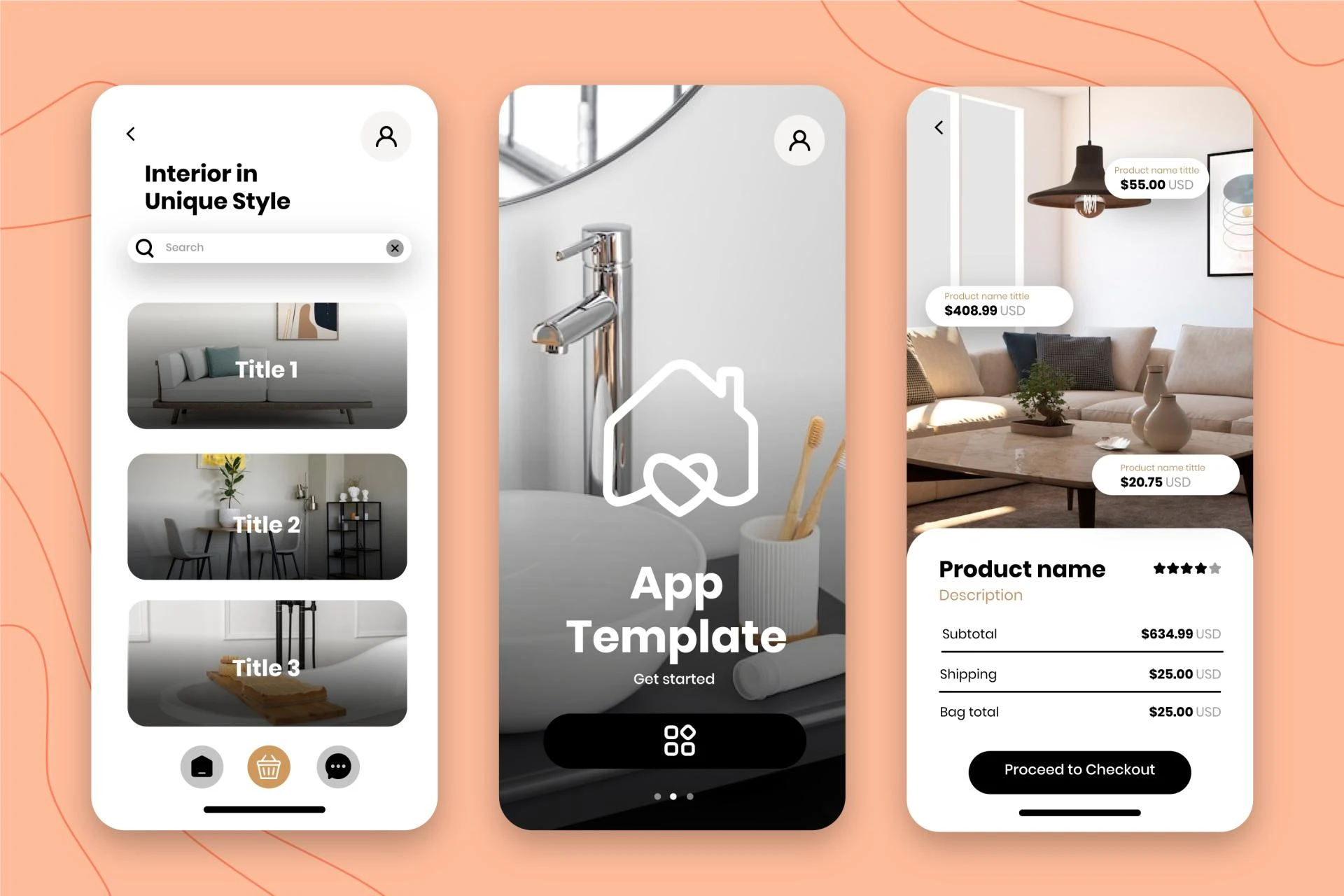
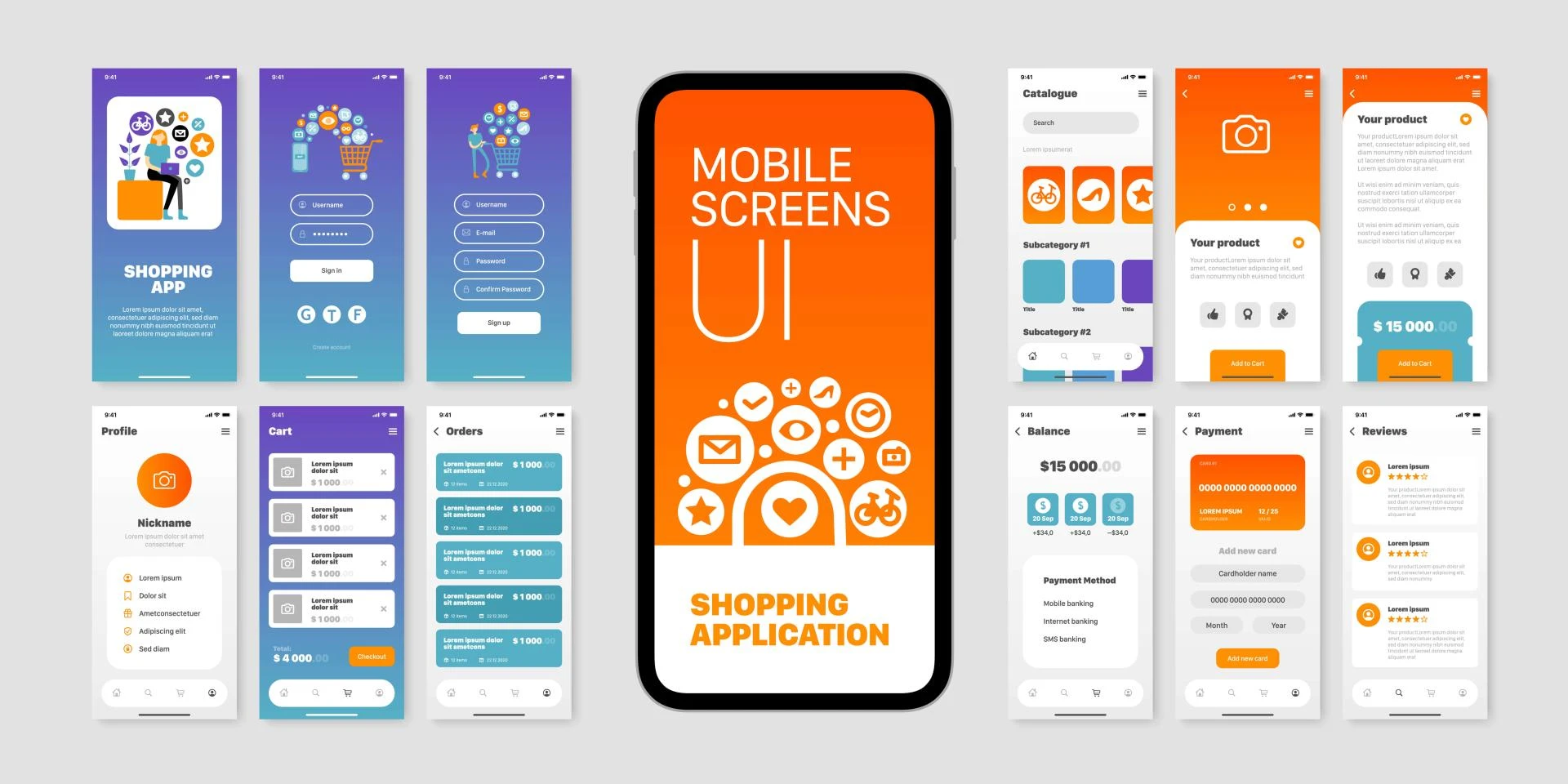
UI design takes UX principles and brings them to life through visually stunning interfaces. It involves crafting aesthetic elements, such as typography, color palettes, and visual hierarchy, to create a visually appealing and cohesive experience. By aligning the UI design with the brand identity and the user's emotional response, UI designers can evoke positive emotions and leave a lasting impression on users.
3. Collaboration and Iteration
The collaboration between UX and UI designers is crucial for achieving the best possible user-centered design outcomes. By working together, they can combine their expertise to create experiences that seamlessly integrate usability and aesthetics. Collaboration allows for the exchange of ideas, the exploration of design possibilities, and the iteration of design solutions based on user feedback. This iterative process ensures that the UX and UI design elements continuously evolve to meet users' changing needs and expectations.
Conclusion
User-centered design is the secret sauce to creating remarkable digital experiences that truly wow the crowd. By embracing empathy, conducting user research, and iterating on designs based on user feedback, designers can craft UX/UI solutions that put users at the heart of the experience. The fusion of UX and UI design, through intuitive interactions and visually stunning interfaces, elevates the user-centered design approach to new heights. Together, let's embark on this exciting journey of user-centered design and create experiences that delight, engage, and leave a lasting impact.
View My Profile For - Web design & Mobile app design
Also View My Project Catalog for - Responsive Website Design, Mobile App UI Design & Design Consultation



























Sign in to leave a comment.