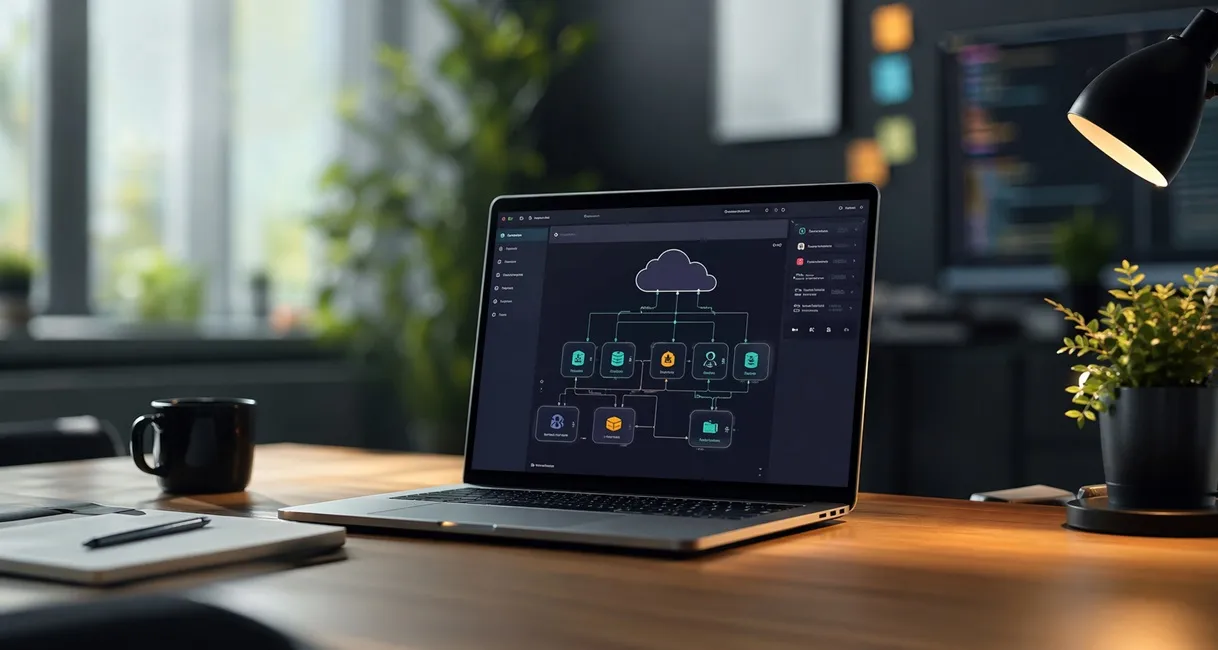

Modern application development has shifted dramatically over the last decade. Instead of building and maintaining servers, databases, and authentication systems from scratch, developers now rely on Backend-as-a-Service platforms to accelerate delivery. In discussions around Supabase vs Firebase, this shift becomes even more visible, as both platforms represent the evolution of developer-first backend solutions designed to reduce complexity while improving speed.
This article explores developer-friendly backend services, compares their strengths, and highlights industry trends shaping how developers build applications today.
The Rise of Backend-as-a-Service (BaaS)
Backend-as-a-Service refers to cloud-based platforms that provide ready-to-use backend features such as authentication, databases, storage, and serverless functions. These platforms eliminate the need to manage infrastructure manually.
Industry reports indicate that BaaS adoption has increased significantly as startups and enterprises prioritize faster development cycles. Developers can now launch applications without worrying about server maintenance or scaling challenges.
This shift has enabled small teams to compete with larger organizations by reducing both time-to-market and operational overhead.
Why Developer Experience Matters
Developer experience has become a key factor in choosing backend services. A platform may offer powerful features, but if it is difficult to use, adoption slows down.
Several factors define a developer-friendly backend:
- Ease of setup and onboarding
- Clear documentation and tooling
- Flexibility in database structure
- Transparent pricing
- Strong ecosystem and integrations
Platforms that balance simplicity with flexibility tend to gain traction faster among developers.
Core Features of Modern Backend Services
1. Database Architecture
One of the most important differences among backend platforms lies in how they handle data.
Some platforms rely on NoSQL databases, which offer flexible schemas and are optimized for real-time updates. Others use relational databases, which provide structured data models and powerful querying capabilities.
Relational systems are often preferred for applications requiring complex relationships and analytics, while NoSQL systems excel in rapid prototyping and real-time applications.
This architectural choice has a direct impact on performance, scalability, and long-term maintainability.
2. Real-Time Capabilities
Real-time functionality has become a standard expectation for modern apps, especially in areas such as messaging, collaboration, and live dashboards.
Some backend services were built with real-time features from the beginning, offering seamless synchronization across devices. Others have introduced real-time capabilities later, often focusing on performance improvements.
Recent benchmarks suggest that newer backend platforms can deliver significantly faster read and write performance in real-time scenarios, making them competitive in high-demand applications.
3. Authentication and Security
Authentication systems are a critical component of any backend service. Developer-friendly platforms provide built-in authentication methods, including email login, social providers, and multi-factor authentication.
Security has also become a major focus, with platforms offering compliance certifications and advanced access controls. For example, modern backend services now support enterprise-grade security features and compliance standards such as SOC 2.
This allows developers to focus on application logic rather than implementing complex security mechanisms.
4. Scalability and Performance
Scalability is one of the primary reasons developers choose managed backend services.
Traditional backend systems require manual scaling, which can be time-consuming and error-prone. In contrast, BaaS platforms automatically scale based on usage.
Cloud-backed services also benefit from global infrastructure, enabling low-latency performance across regions. Platforms integrated with major cloud providers offer seamless scaling and reliability without additional configuration.
Open Source vs Proprietary Platforms
A major trend in backend development is the growing interest in open-source solutions.
Open-source backend platforms provide transparency, flexibility, and reduced vendor lock-in. Developers can inspect the code, customize functionality, and even self-host if needed.
In contrast, proprietary platforms offer fully managed experiences with minimal setup but often come with limitations in customization and portability.
Industry analysis shows that many developers are now prioritizing open standards and portability to avoid long-term dependency on a single provider.
This shift reflects a broader movement toward developer control and flexibility.
Pricing Models and Cost Predictability
Pricing is another critical factor when comparing backend services.
Some platforms use usage-based pricing models, where costs increase based on reads, writes, and API calls. While this can be cost-effective for small projects, it may lead to unpredictable expenses at scale.
Other platforms offer fixed or resource-based pricing, which provides better cost predictability as applications grow.
Recent comparisons indicate that predictable pricing models are becoming more attractive for startups and SaaS businesses, especially when scaling beyond early-stage usage.
Developer Ecosystem and Tooling
A strong ecosystem can significantly enhance the developer experience.
Modern backend platforms provide:
- SDKs for multiple programming languages
- Integration with frontend frameworks
- Built-in dashboards for monitoring and analytics
- Extensions and plugins for common use cases
Some platforms are known for their polished user interfaces and extensive tooling, which simplify development for both technical and non-technical users.
Others focus on flexibility and customization, appealing to developers who prefer more control over their stack.
Trends Shaping Backend Development in 2026
1. Shift Toward Full-Stack Platforms
Backend services are evolving into full-stack solutions, offering everything from database management to hosting and edge functions.
This consolidation reduces the need for multiple tools and simplifies development workflows.
2. Growing Adoption of SQL-Based Backends
There is a noticeable trend toward SQL-based systems due to their reliability and ability to handle complex queries.
Developers building SaaS applications and analytics-heavy platforms often prefer relational databases for their structure and consistency.
3. Increased Focus on Real-Time Applications
Real-time functionality is no longer optional. Applications such as chat platforms, collaborative tools, and live analytics dashboards require instant data synchronization.
Backend platforms are investing heavily in improving real-time performance and reliability.
4. Demand for Vendor Independence
Developers and businesses are becoming more cautious about vendor lock-in.
Open-source solutions and self-hosting options are gaining popularity as they provide greater control and flexibility over infrastructure.
5. Faster Prototyping and MVP Development
Speed remains a top priority for startups.
Backend services allow developers to launch minimum viable products quickly, validate ideas, and iterate without significant upfront investment.
This approach has become a standard practice in modern product development.
When to Choose Developer-Friendly Backend Services
Backend-as-a-Service platforms are ideal for:
- Startups building MVPs
- Teams with limited backend expertise
- Applications requiring rapid deployment
- Projects needing built-in authentication and real-time features
However, for highly complex systems or applications with strict compliance requirements, a custom backend may still be necessary.
Balancing Simplicity and Control
The decision between different backend services often comes down to a trade-off between simplicity and control.
Fully managed platforms offer convenience and speed but may limit flexibility. Open and customizable solutions provide greater control but may require more effort to manage.
Developers must evaluate their project requirements, team expertise, and long-term goals before making a decision.
Conclusion
Developer-friendly backend services have transformed how applications are built. By abstracting infrastructure complexities, these platforms enable faster development, improved scalability, and reduced operational burden.
The backend landscape continues to evolve, driven by trends such as open-source adoption, real-time capabilities, and full-stack integration. As a result, developers now have more options than ever to choose the right backend solution for their needs.
Understanding the strengths and trade-offs of different platforms helps teams build scalable, efficient, and future-ready applications without unnecessary complexity.

























Sign in to leave a comment.