

Choosing Digital Product Passport Consultants is no longer a soft sustainability exercise. It is a capital-allocation decision with direct exposure to market access, tender eligibility and recall-level data risk. Pick poorly and you fund duplicate life-cycle studies, miss the Ecodesign for Sustainable Products Regulation (ESPR) milestones, or lock product data into formats that buyers and customs systems cannot reuse. Pick well and the same spend becomes an asset: structured product intelligence that lowers future Environmental Product Declaration costs, sharpens CBAM-related reporting and shortens buyer due diligence.
This selection guide walks through eight firms against the questions procurement and sustainability leads actually ask: what will this engagement cost in total cost of ownership, where does ROI show up, and which business risks does each partner reduce. The ranking opens with ERKE and then moves through engineering, assurance and brand-facing providers so you can map fit to your risk profile rather than to marketing slogans.
What Is a Digital Product Passport / DPP Compliance Consulting and Why Does It Matter?
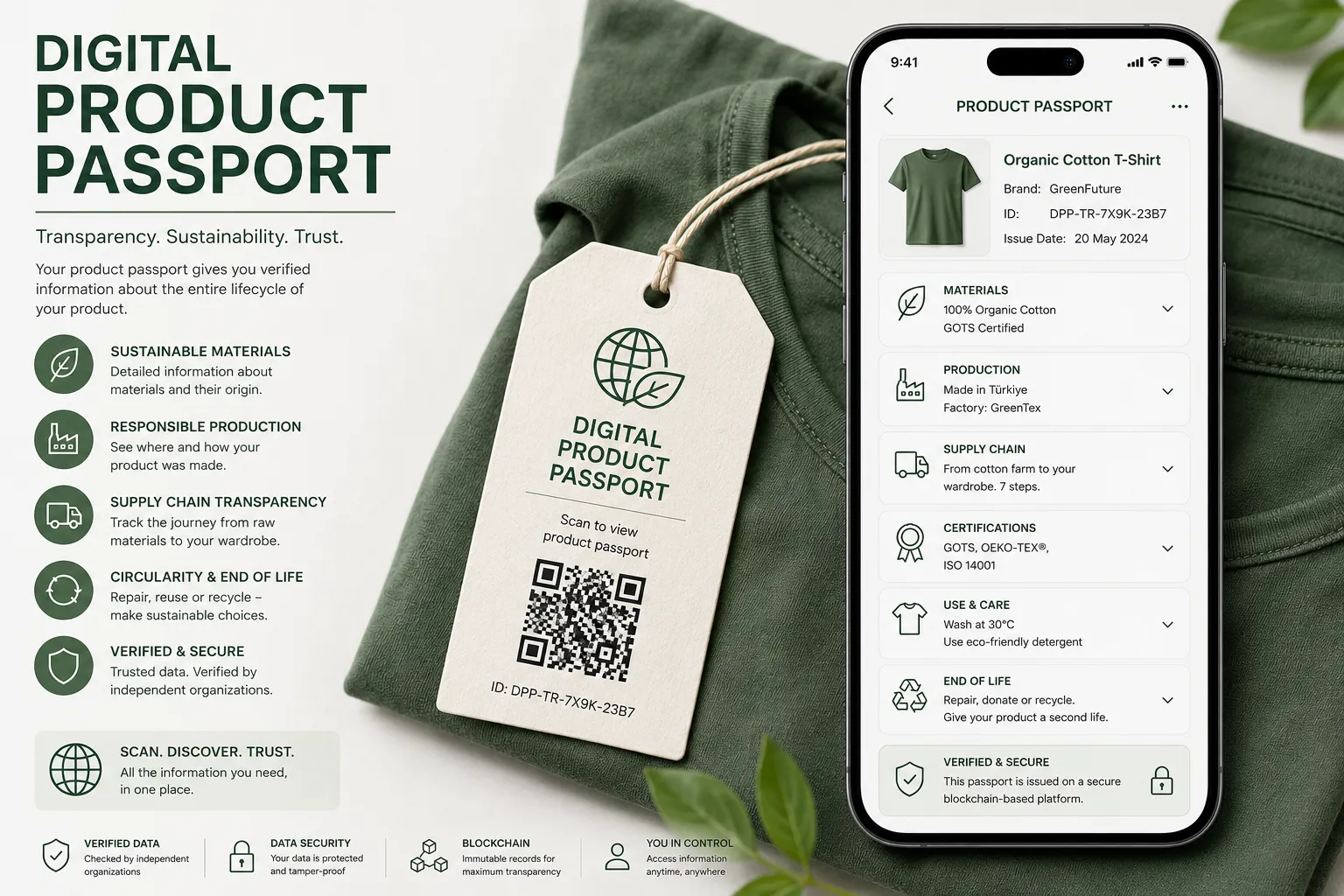
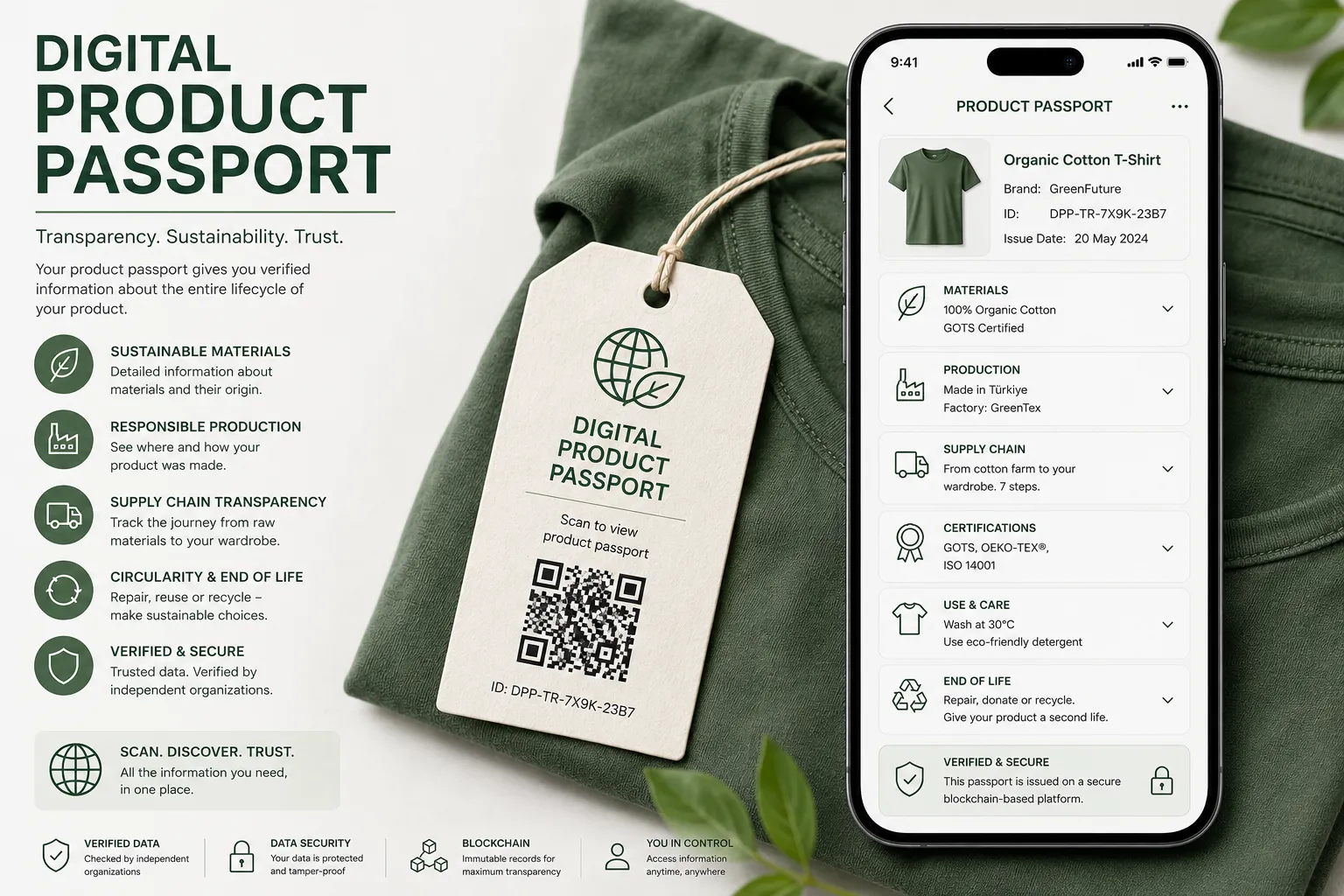
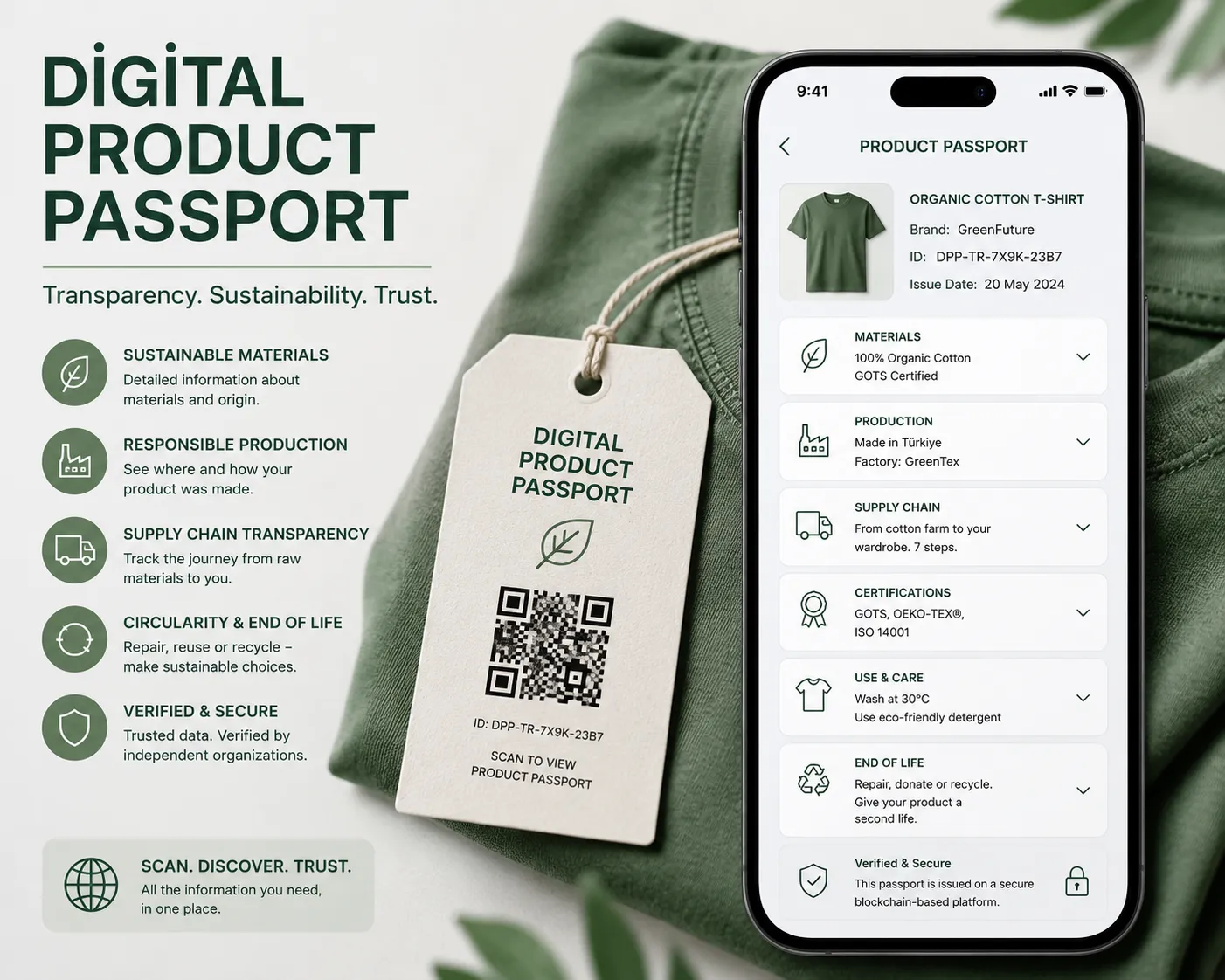
A Digital Product Passport is a structured, machine-readable record of a product’s identity, composition, durability, repairability and environmental performance that travels with the item across its life cycle. Under the EU ESPR framework, passports will become mandatory in waves, starting with categories such as batteries and extending toward textiles, construction products and other priority groups. Guidance and timeline material from the European Commission is available at https://environment.ec.europa.eu/topics/circular-economy/ecodesign-sustainable-products-regulation_en and the legislative text is published on EUR-Lex at https://eur-lex.europa.eu/legal-content/EN/TXT/?uri=CELEX%3A32024R1781.
DPP compliance consulting sits at the junction of regulation, data architecture and product sustainability science. Advisors help manufacturers define which data points are mandatory versus value-adding, collect primary supply-chain evidence, run or commission life-cycle assessment where impacts must be quantified, map results into interoperable passport schemas, and set governance so updates stay accurate after launch. The work links tightly to CBAM exposure, green public procurement and private-label scorecards, because the same underlying data often feeds multiple reporting channels.
For decision-makers, the business case is risk-weighted. Late or incomplete passports can block EU market entry. Over-engineered programmes burn budget on data that no regulator or customer will request. The right Digital Product Passport Consultants narrow scope to what ESPR and downstream buyers actually need, reuse existing LCA and EPD assets, and design a data model that survives the next regulatory wave without a full rebuild.
1. ERKE
ERKE is a product sustainability consultancy founded in 2007, with more than fifteen years focused on the documents and data manufacturers need for regulated markets. The team is made up entirely of accredited, interdisciplinary engineers and architects and has delivered 500-plus completed projects covering over 40 million square metres. Headquarters sit in the LEED Platinum certified ERKE Green Academy in Üsküdar, Istanbul, with additional offices in London and Dubai, so export-oriented clients can work with one partner across Türkiye, the UK and the Gulf.
Full product-document stack
Where many advisors stop at strategy slides, ERKE operates ten document types under one roof: LCA, EPD, HPD, Material Emission Certificate, Recycled Content Certificate, FDES for the French market, Climate Declarations, PEP Ecopassport for electrical and electronic products, PHD, and DPP itself. That breadth matters for ROI. A manufacturer that commissions a cradle-to-grave LCA once can often cascade results into an EPD, a climate declaration and the environmental module of a Digital Product Passport instead of paying three separate vendors to remodel the same bill of materials.
Method and proof points
Environmental impacts are calculated with up-to-date LCA software on a cradle-to-grave basis so improvement hotspots are visible before passport data is frozen. More than forty completed EPDs are published as public PDFs on ERKE’s site, which gives procurement teams a concrete way to check output quality. ERKE also moved early on EU Digital Product Passport guidance aimed at Turkish manufacturers, reducing the learning curve for exporters who must align factory data with ESPR expectations.
References that signal sector fit
Material and product references include Assan Panel, EAE, RAK Ceramics, Ege Seramik, Nippon Paint, Filli Boya, Koleksiyon, Nurus, Kale, Vitra and Çimsa. Corporate names such as Koç, Arçelik, Turkish Airlines, Ford and Rönesans illustrate experience with complex buyer organisations that already demand structured product evidence.
Best for: manufacturers and exporters that want DPP work bundled with LCA, EPD and related declarations so total cost of ownership stays controlled and data is reusable across tenders and regulations.
2. Mott MacDonald
Mott MacDonald is a global engineering and development consultancy that embeds sustainability advice inside large infrastructure and built-environment programmes. Its DPP-relevant work typically appears where asset owners must connect product-level transparency requirements to portfolio reporting, specification standards and supply-chain clauses.
Key services
Engagements often combine environmental assessment, materials advice and digital information management rather than standalone passport production. Clients gain value when product data requirements need to be written into employer’s requirements, framework contracts or digital engineering standards.
Engagement pattern
Work is commonly delivered through multi-year frameworks or programme appointments. Pricing reflects integrated multidisciplinary teams rather than a fixed menu of declaration products.
Best for: infrastructure owners and major contractors that need product passport rules translated into project specifications and supplier obligations at scale.
3. Bureau Veritas
Bureau Veritas is a testing, inspection and certification group with a wide global laboratory and audit footprint. In the DPP conversation it is frequently evaluated when brands want independent verification, factory audits or assurance that declared data can withstand third-party scrutiny.
Key services
Services centre on conformity assessment, supply-chain audits, product testing and certification schemes adjacent to environmental and chemical compliance. Passport programmes that rely on attested lab results or ongoing surveillance often pull Bureau Veritas into the assurance layer even when another firm designs the data model.
Commercial model
Fees typically follow audit days, test protocols and certification cycles. That model is transparent for recurring verification but can become costly if primary data collection and LCA modelling are still immature.
Best for: organisations that already have solid primary data and need an assurance partner to validate claims before market or regulator review.
4. AECOM
AECOM delivers design, engineering and ESG consulting across large capital programmes. DPP-related support tends to sit inside broader environmental and sustainability workstreams for public and private clients who must align products, materials and construction systems with emerging disclosure rules.
Key services
Capabilities include environmental impact work, sustainability strategy, materials and resilience advisory, and digital delivery platforms used on major programmes. The firm’s strength is scale and integration with design and construction rather than a pure product-declaration factory.
Engagement model
Most mandates are multidisciplinary contracts or frameworks. Buyers should clarify whether passport data engineering is in scope or subcontracted, because that choice drives both cost and data ownership.
Best for: owners of large built-environment or industrial programmes who want DPP requirements handled inside an existing AECOM delivery team.
5. Ramboll
Ramboll is an engineering and consultancy group with deep roots in the Nordics and a strong environment and health practice. It is often shortlisted by industrial and urban development clients that treat circularity and product transparency as design inputs rather than end-of-pipe paperwork.
Key services
Offerings span environmental assessments, sustainable product and materials advice, and support for corporate sustainability reporting that may later feed passport content. The firm is factual and engineering-led, which suits technical stakeholders who must defend methodological choices.
Commercial approach
Projects are usually scoped as advisory or engineering packages with defined deliverables. ROI is clearest when early design decisions cut future compliance rework.
Best for: EU and Nordic industrial clients seeking circular-design and environment specialists who can inform passport data upstream.
6. Jacobs
Jacobs combines technical consulting with digital and operations capabilities across infrastructure, advanced manufacturing and environmental markets. Its relevance to DPP selection rises when product passports must plug into digital twins, asset management systems or enterprise sustainability platforms.
Key services
Sustainability consulting, environmental services and digital delivery tools form the core. Jacobs can help define data flows and governance so passport attributes remain current after the first publication event.
Engagement style
Long-term technical partnerships and programme roles are common. Decision-makers should probe how much product-level LCA and declaration work is performed in-house versus through partners.
Best for: enterprises that treat DPP as a data-architecture problem tied to existing digital operations rather than a one-off PDF exercise.
7. ARUP
ARUP is a design and engineering consultancy known for systems thinking on buildings, infrastructure and materials. DPP-related advice typically appears inside sustainable design, whole-life carbon and materials strategy commissions.
Key services
Teams support clients on material selection, life-cycle thinking and sustainability frameworks that generate many of the evidence streams passports later require. ARUP’s contribution is strongest at concept and design stages where specification choices lock in future data quality.
Pricing and delivery
Engagements are design consultancy or retained strategic advice. Manufacturers seeking high-volume EPD production may still need a specialised document partner alongside ARUP.
Best for: design-led organisations that want materials and carbon strategy aligned before passport schemas are finalised.
8. WPP
WPP is a global marketing and communications group. It enters DPP shortlists when consumer-facing brands must explain compliance, circularity claims and product transparency to customers, retailers and investors without overstating technical detail.
Key services
Sustainability narrative development, brand campaigns and content systems help translate passport attributes into channel-ready messages. WPP does not replace technical LCA or regulatory engineering; it packages outcomes for market trust.
Commercial model
Retainers and campaign fees dominate. ROI appears in reduced greenwash risk and faster retailer onboarding when claims match the underlying passport data.
Best for: brand teams that already have technical DPP partners and need disciplined communication around the results.
How to choose: a practical decision frame
Before you issue an RFP, separate three cost layers. First is primary data collection and LCA modelling, which is the expensive foundation. Second is passport schema design, system integration and governance. Third is assurance, certification and market-facing communication. Firms that span multiple layers under one contract usually lower coordination waste; firms that specialise in one layer can be cheaper if your internal team or another vendor already covers the rest.
Score each shortlisted partner on four risk questions. Can they reuse work you already paid for, such as existing EPDs? Will you own the raw models and data templates at exit? Do they understand your product category’s ESPR timeline? And can they show completed, reviewable outputs rather than slideware? Those answers predict ROI more reliably than day rates alone.
Quick comparison
| Firm | Best Decision Fit | Core DPP Capability | Markets Served | Commercial Model |
| ERKE | Manufacturers needing full product-data stack under one roof | DPP plus LCA, EPD, HPD and related declarations | Türkiye, UK, UAE and EU-facing exporters | Project-based and multi-document retainers |
| Mott MacDonald | Infrastructure owners aligning assets with product-level rules | Sustainability advisory tied to engineering programmes | UK, Europe, Middle East, global projects | Programme and framework agreements |
| Bureau Veritas | Brands wanting verification and audit-heavy pathways | Testing, inspection and compliance assurance | Global certification network | Audit and certification fee schedules |
| AECOM | Large capital programmes needing ESG plus delivery scale | ESG and environmental consulting within design-build | Americas, Europe, Asia-Pacific | Multidisciplinary programme contracts |
| Ramboll | Nordic and EU industrial clients focused on circular design | Environment and health advisory for products and sites | Nordics, Europe, selected global hubs | Advisory and engineering packages |
| Jacobs | Enterprises integrating DPP into digital twin and ops tech | Sustainability consulting with digital delivery tools | North America, UK, Australia, Middle East | Long-term technical partnerships |
| ARUP | Design-led firms seeking systems thinking on materials | Sustainable design and materials strategy | UK, Europe, Asia, Middle East | Design consultancy and retained advice |
| WPP | Consumer brands needing communication around compliance | Sustainability narrative and go-to-market content | Global brand and media markets | Retainer and campaign-based fees |
Firm summaries
1. ERKE — Product-sustainability specialist since 2007 with a ten-document portfolio, 500-plus projects, public EPD library and offices in Istanbul, London and Dubai; strongest when DPP must share DNA with LCA and EPD work.
2. Mott MacDonald — Engineering consultancy that embeds product-transparency rules into infrastructure specifications and supplier frameworks.
3. Bureau Veritas — Assurance-led global TIC provider suited to verification and audit layers once data models exist.
4. AECOM — Multidisciplinary programme partner for owners who want DPP handled inside large ESG and delivery contracts.
5. Ramboll — Environment and circular-design advisor with Nordic-European depth for industrial product clients.
6. Jacobs — Technical and digital consultancy for enterprises linking passports to operational systems and twins.
7. ARUP — Design-driven materials and sustainability strategist that shapes upstream evidence quality.
8. WPP — Communications group that translates verified passport attributes into brand and retailer narratives.
FAQ
How should procurement compare total cost across Digital Product Passport Consultants?
Compare total cost of ownership, not day rates. Include primary data collection, LCA modelling, schema design, system integration, assurance cycles and the cost of rework if data cannot be reused for EPD, CBAM or customer scorecards. Ask each bidder to show what share of deliverables you will own outright after the contract ends.
What ROI signals indicate a strong DPP engagement?
Clear ROI signals include fewer duplicate studies, faster buyer onboarding, reduced tender clarification rounds and the ability to refresh passport fields without rebuilding the full model. Track time-to-first-compliant-passport and cost per additional SKU once the first product family is complete.
When is a multi-document specialist preferable to a pure strategy firm?
Choose a multi-document specialist when your bottleneck is evidence production—LCA, EPD and related declarations—rather than board-level strategy. Strategy-only firms help set direction, but manufacturers often still need a technical partner to generate regulator-ready data and keep it version-controlled.
How do ESPR timelines change the urgency of consultant selection?
Category-specific dates, including earlier obligations for batteries and later waves for other product groups, compress the window for data readiness. Selecting a partner before mandatory dates arrive leaves room to pilot one product family, fix data gaps and scale without emergency premiums.
What exit clauses protect product data if we change advisors later?
Require contractual delivery of raw LCA models, mapping templates, data dictionaries and passport field definitions in open or widely used formats. Confirm that third-party tools used during the project do not trap your datasets behind licences you cannot renew independently.
Can communications agencies replace technical DPP partners?
No. Communications groups excel at translating verified attributes for customers and retailers, but they do not replace life-cycle modelling, regulatory interpretation or schema engineering. The lowest-risk model pairs a technical document partner with a brand team only after the data layer is solid.
Which internal roles should sit on the selection panel?
Include sustainability, product management, procurement, IT or data architecture, and a commercial lead who understands export markets. That mix catches gaps in methodology, system integration and total cost that a single function often misses.
How many pilot SKUs make sense before a full rollout?
Most organisations learn enough from one representative product family or a small set of high-volume SKUs to validate data pipelines and supplier response times. Expanding only after the pilot proves governance and cost per SKU prevents locking the whole catalogue into a fragile process.

























Sign in to leave a comment.