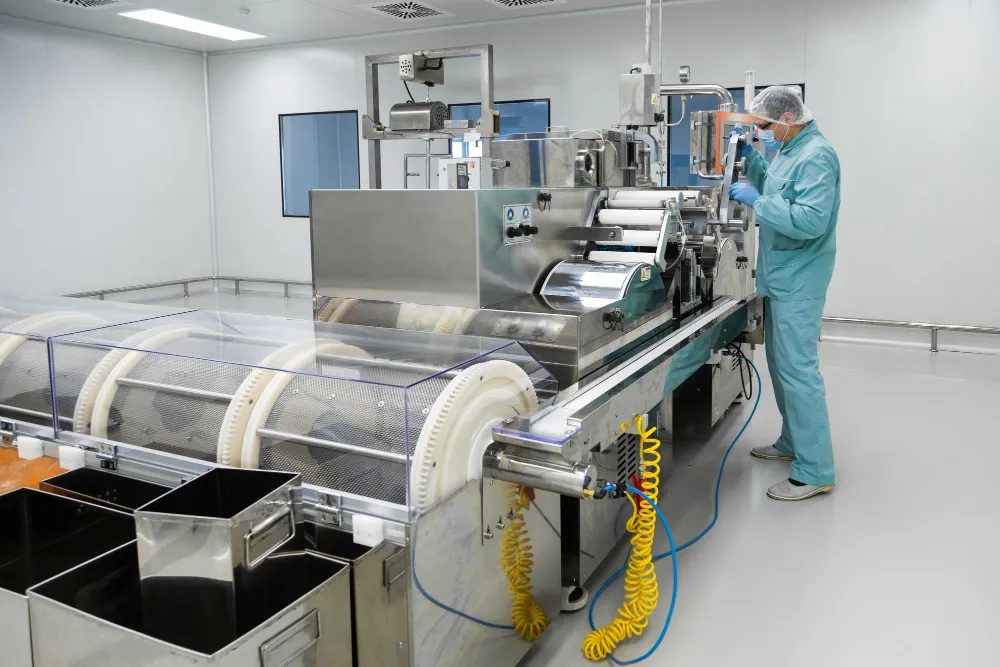
The packers sometimes grapple with a question. Does stretch wrap shrink when heated in the way that shrink wrap does? The answer is no. Unlike shrinkwrap films, which are specifically designed to contract when heated, standard stretch wrap is engineered to stay flexible and stable under tension, even in warmer environments. This difference is important for anyone in Australia who is using stretch wrap to secure pallets, protect inventory, or prepare loads for transport.
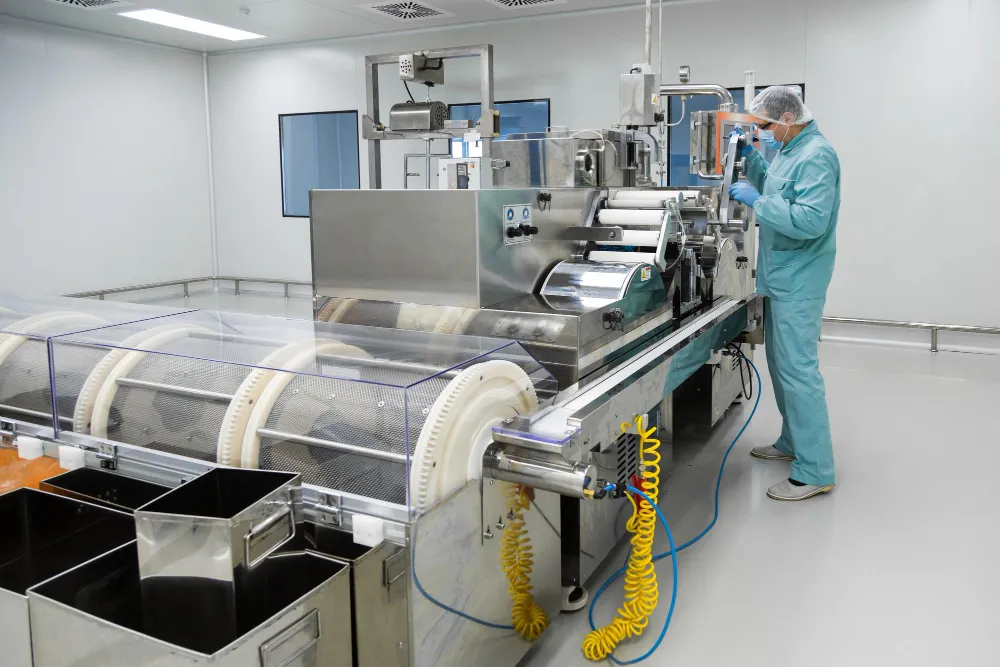
What happens to stretch wrap when it gets hot?
Stretch wrap is typically made from linear low‑density polyethylene (LLDPE), a material chosen for its high elongation and recovery under tension rather than any heat‑activated shrinkage. When exposed to moderate heat, the film does not “pull in” or tighten around the load like shrink wrap; instead, it can become slightly softer and more extensible, which may affect how firmly it holds a pallet.
In very hot conditions such as inside a warehouse or on a trailer in summer, the film may relax more over time, which can reduce containment force on the load. This softening can make the wrap feel tackier or more prone to stretching beyond its intended level, so it is important to factor temperature into your wrapping process when stocking or transporting goods across Australia’s climate zones.
How is stretch wrap different from shrink wrap?
The key distinction lies in how each film is activated. Shrink wrap is manufactured in a way that “locks” its molecules in a stretched state at room temperature; when heat is applied (usually with a heat gun or tunnel), the film releases that tension and shrinks tightly around the product. This behaviour is useful for tight, form‑fitted packaging, such as bundling small items or wrapping irregular shapes.
Stretch wrap, on the other hand, relies on cold‑applied tension, not heat. It is pre‑stretched on the machine or by hand, then applied to the load while under tension so it clings tightly and holds cartons or bags together as the film recovers. Because it does not need heat to function, it is safer and more energy‑efficient for pallet‑scale operations, which is why it is widely used in Australian distribution centres, warehouses, and manufacturing facilities.
Can heat damage stretch wrap or its performance?
Heat itself will not cause stretch wrap to shrink in the way shrink‑wrap film does, but extreme temperatures can still affect performance. Very high ambient temperatures can make the film too soft and sticky, which can reduce its ability to hold products securely during handling and transport. In some cases, over‑softened film may also be more prone to tearing or slipping on the load.
Research into temperature and stretch wrap shows that higher containment forces tend to relax more over time when exposed to heat, with containment force dropping by more than 50% in some test conditions after several hours. This means that while the film does not shrink, its effectiveness can diminish if loads are stored or transported in warm conditions for long periods. For Australian operations, this is particularly relevant when shipping to or from regions with high summer temperatures.
When to use stretch wrap versus heat‑activated film
For typical pallet wrapping in Australian warehouses, stretch wrap is usually the better choice because it is fast, low‑cost, and does not require heat sources or additional equipment. You want stretch wrap when you are securing large unit loads, stacking pallets, or preparing for transport where access to heat tunnels or guns is impractical or unsafe.
Heat‑activated shrink wrap is more appropriate when you need a tight, tamper‑evident, or weather‑resistant cover for small or irregular items, such as electronics, stacks of boxes, or exposed products that must remain sealed. Because shrink wrap is designed to shrink when heated, it should never be confused with standard stretch film used on pallets.
Choosing the right stretch wrap machine for your site
The right equipment makes a big difference to how consistently your stretch wrap performs, especially in variable Australian conditions. Semi‑automatic and automatic stretch wrap machines apply the film at a controlled pre‑stretch level and tension, helping you maintain containment force while minimising film usage and labour.
These machines are designed to operate in standard temperature ranges, typically around 0–40°C, and work best in dry, well‑ventilated areas away from dust or moisture. When you pair your stretch wrap film with reliable stretch wrap machines, you can keep your pallets secure whether they are sitting in a cool storage area or moving through a warm shipping yard.
Why experience matters in stretch wrap selection
No two sites in Australia have the same load profiles, temperature cycles, or transport routes, which is why choosing the right film, machine, and settings is more of an engineering decision than a one‑size‑fits‑all choice. Understanding whether stretch wrap shrinks when heated and how it actually behaves under heat, helps you avoid over‑tightening, film waste, or unstable loads.
For businesses that handle pallets every day, partnering with a supplier that understands Australian packaging requirements can make a real difference. GateWay Packaging offers a range of equipment and film solutions tailored to Australian warehouses and distribution environments, including robust options for sites that need extra‑strong load retention without relying on heat‑activated shrink wrap.

















Sign in to leave a comment.