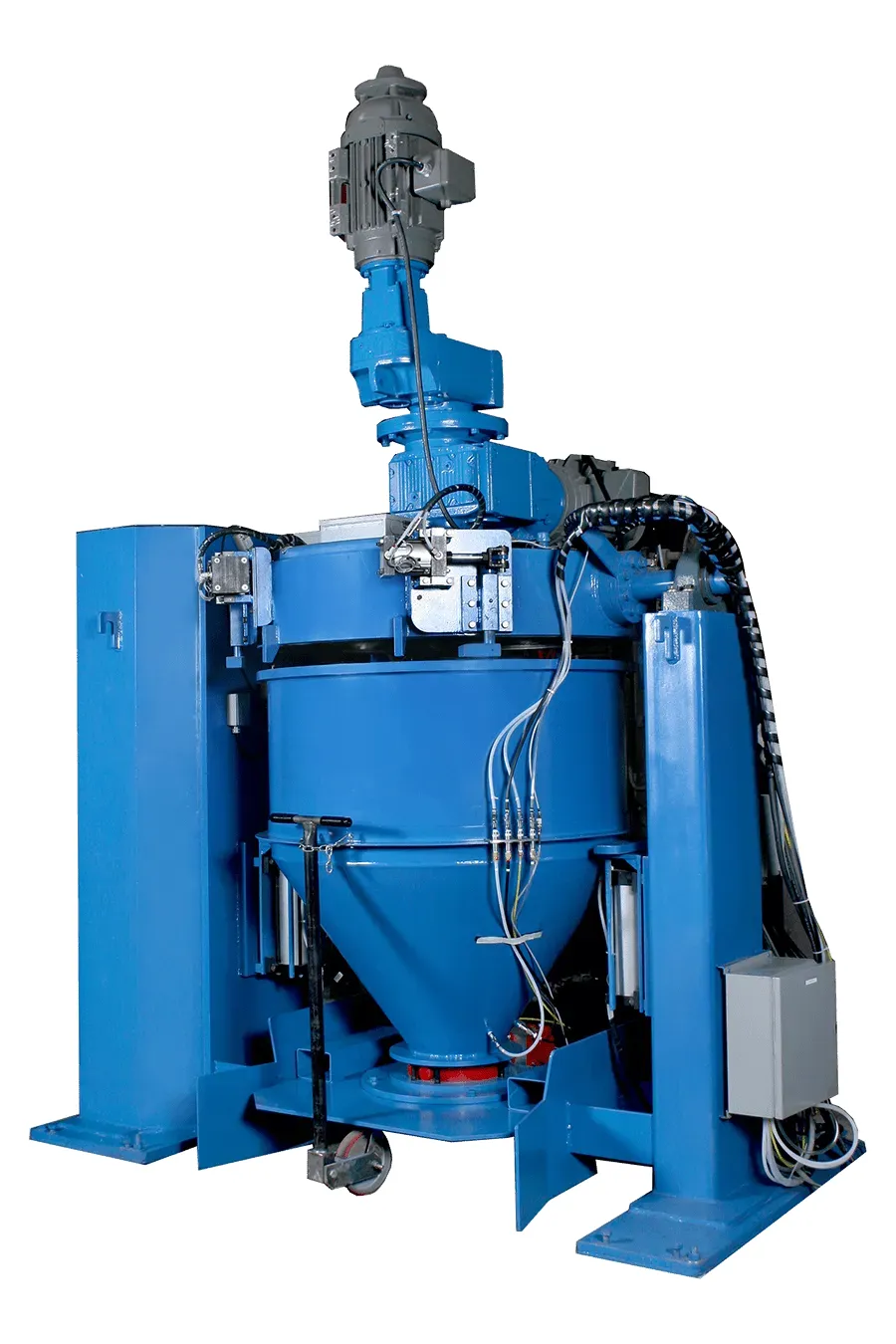

A poorly specified mixer can derail an entire production line, yet mixing is one of the most under-engineered steps in manufacturing. Viscosity mismatches, inadequate shear rates, and wrong vessel geometry cost facilities thousands in rework, energy waste, and downtime every year. Customized industrial mixers in Colorado exist precisely to eliminate these problems, and understanding how to evaluate them before you purchase is the difference between a machine that performs for decades and one that underperforms from day one.
Here are seven critical factors every manufacturer should understand before committing to a reliance on mixing equipment investment.
1. One-Size-Fits-All Mixers Rarely Fit Anyone Well
Standard off-the-shelf customized mixers are engineered for average applications, not yours. Pharmaceutical manufacturers, food processors, and chemical producers all have fundamentally different viscosity ranges, contamination tolerances, and batch time requirements when blending active ingredients, homogenizing emulsions, and dispersing pigments.
The first step is documenting your process parameters precisely: target viscosity, batch volume, required shear rate, temperature sensitivity, and acceptable mixing time. Without this data, any mixer selection is a guess.
Takeaway: Before requesting a quote, prepare a one-page process datasheet. Reputable suppliers will expect it and use it.
2. Impeller Design Determines More Than You Think
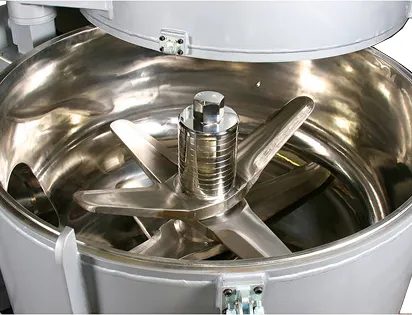
The placement of baffles, the aspect ratio of the vessel (height-to-diameter), and the position of the nozzles affect how fluid moves around. When designing a high-quality industrial mixer machine, engineers consider the whole system, not just the drive unit that is bolted to the top.
If you choose the wrong type of impeller for your application and operation, the mixer will continue running without making the mixture uniform. Worse, it may damage materials that are sensitive to shear, such as biological cultures or delicate food textures.
Takeaway: Ask your supplier to specify the Reynolds number range your process operates in; this directly informs impeller selection.
3. High-Quality Industrial Mixer Machines Are Built Around Your Vessel, Not Against It
A mixer's performance is inseparable from the tank it operates in. Baffle placement, vessel aspect ratio (height-to-diameter), and nozzle positioning all influence how fluid circulates. A high-quality industrial mixer machine is engineered with the full system in mind, not just the drive unit bolted to the top.
Facilities that add a new mixer to an existing tank without checking the vessel geometry often have turbulent dead zones at the bottom or stratification near the liquid surface. Both are mixing failures, regardless of how powerful the motor is.
Takeaway: Share your vessel drawings with your mixer supplier before finalizing specifications. The best outcomes come from system-level engineering.
4. Material Compatibility Is a Safety and Compliance Issue
Wetted parts like the impeller, shaft, seals, and interior surfaces must be chemically compatible with your product. 316L stainless steel is the standard for food, pharmaceutical, and cosmetic applications. But aggressive acids, chlorinated solvents, or high-temperature polymers may demand exotic alloys like Hastelloy C-276 or PTFE-lined components.
Choosing the right seal is just as important. Mechanical seals must meet sanitary standards (3-A, EHEDG) and be easy to clean in food environments. ATEX-rated motors and grounding systems are not optional in explosive atmospheres.
Takeaway: Map every chemical your mixer will contact, including cleaning agents before specifying the materials of construction.
5. Customized Mixers Reduce Long-Term Total Cost of Ownership
Customized industrial mixers usually cost more up front than standard mixers. However, when you factor in things like energy efficiency, maintenance intervals, standardization of spare parts, and process yield improvements, custom-engineered equipment always has a lower total cost of ownership over a 10–15-year service life.
A company that buys a properly sized, direct-drive motor doesn't have to do any gearbox maintenance, which saves them a lot of money on labor and parts every year. Off-the-shelf alternatives often need seals replaced more often and use 15–20% more energy because the impeller and vessel don't match.
Takeaway: Request a lifecycle cost comparison from your supplier, not just a purchase price quote.
6. Scalability Should Be Engineered In, Not Added Later
Manufacturers scaling from pilot to production routinely underestimate how mixing behavior changes with vessel size. Mixing time does not scale linearly; a process that takes 20 minutes in a 100-liter pilot tank may take over an hour in a 5,000-liter production vessel if the impeller-to-tank diameter ratio is not maintained.
The best approach is dimensional similarity: maintaining constant impeller tip speed or power per unit volume across scales. Suppliers with process engineering capability, not just fabrication, can model scale-up behavior before you commit to a vessel size.
Manufacturers looking for engineering-led mixer solutions built for scale can explore the full range of process-matched equipment at Reliance Mixers.
Takeaway: Involve your mixer supplier during process scale-up, rather than after you have already ordered the production vessel.
7. After-Sales Support and Documentation Are Part of the Product
A mixer specification sheet is not documentation. Complete documentation includes certified material test reports (CMTRs), impeller balance certificates, seal test records, motor performance curves, and a detailed IOM (installation, operation, and maintenance) manual.
Facilities that operate without complete documentation face regulatory risk during audits and practical problems during maintenance. Technicians can only service what they understand. Reliance Mixers suppliers who provide comprehensive documentation packages signal that they stand behind the engineering long after installation.
Takeaway: Make complete documentation a contractual deliverable, not an afterthought.
The Right Mixer Is an Engineering Decision, Not a Procurement One
Mixing is a discipline with a deep body of fluid dynamics knowledge behind it. Manufacturers who treat mixer selection as a buying exercise rather than an engineering one consistently underperform those who engage suppliers as process partners from the outset.
The seven factors above are not a checklist to complete once. They are a framework for ongoing evaluation as your processes evolve.
What mixing challenge is your facility leaving unsolved right now?











![The Benefits of Using a CNC Touch Probe [Infographic]](https://writeupcafe.com/data/post/1677697/bfdf3e040e67936848aa232d2dfe3d03.jpg.webp)










Sign in to leave a comment.