
Introduction
In the digital age, user interface (UI) and user experience (UX) design have become critical aspects of creating successful digital products. These disciplines focus on enhancing user satisfaction by improving the usability, accessibility, and overall interaction between the user and the product.
This article explores the key strategies and principles behind effective UI/UX design, highlighting their importance in creating elevated user experiences.
Understanding UI/UX Design
What is UI/UX Design?
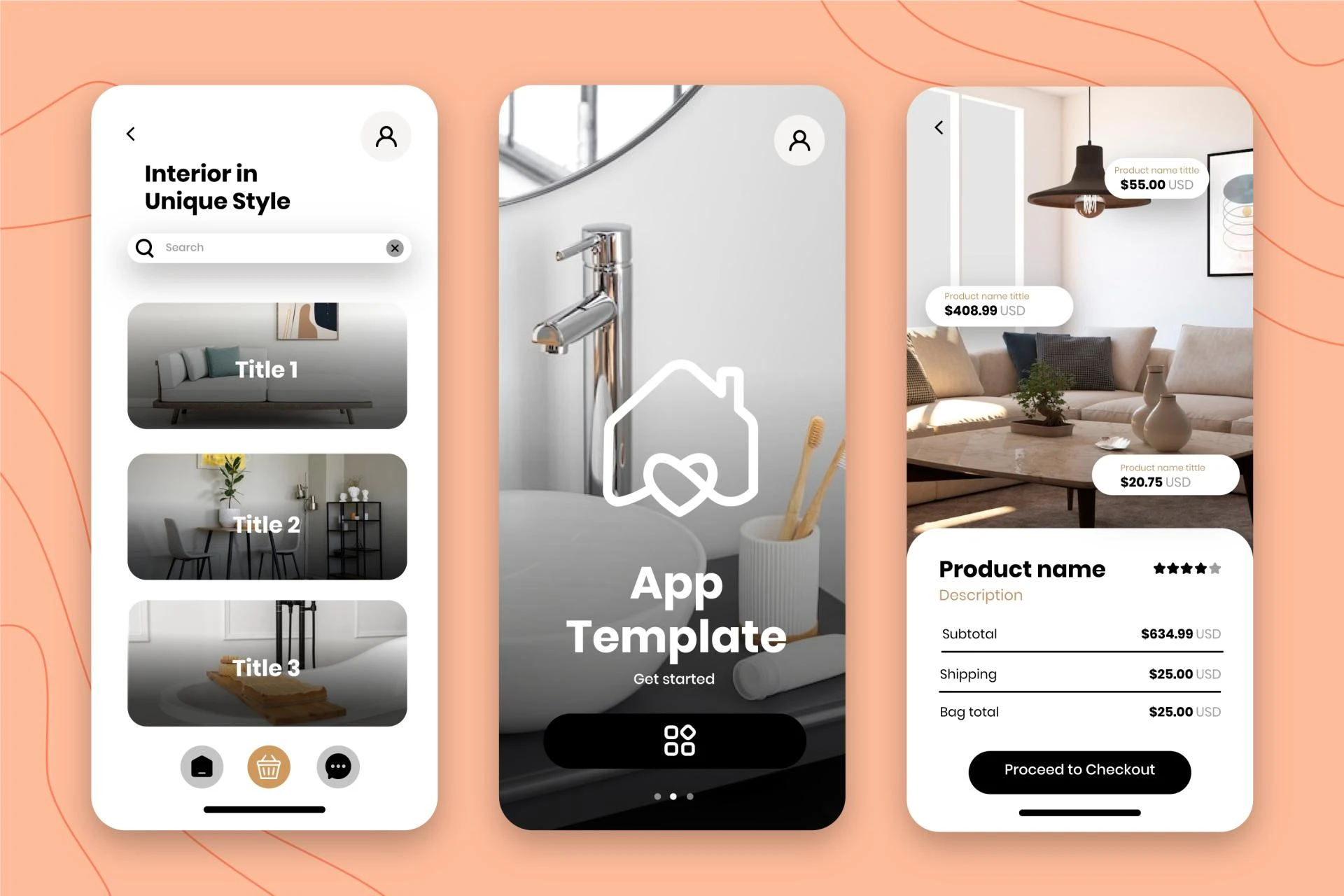
UI/UX design refers to the process of creating digital interfaces that are visually appealing, easy to use, and provide a seamless user experience. It encompasses both the design of the interface (UI) and the overall experience (UX) that the user has while interacting with a digital product.
Importance of UI/UX Design
UI/UX design is crucial as it directly impacts how users perceive and interact with a product. A well-designed UI/UX can lead to increased user satisfaction, higher engagement, and improved conversion rates.
Elements of UI/UX Design
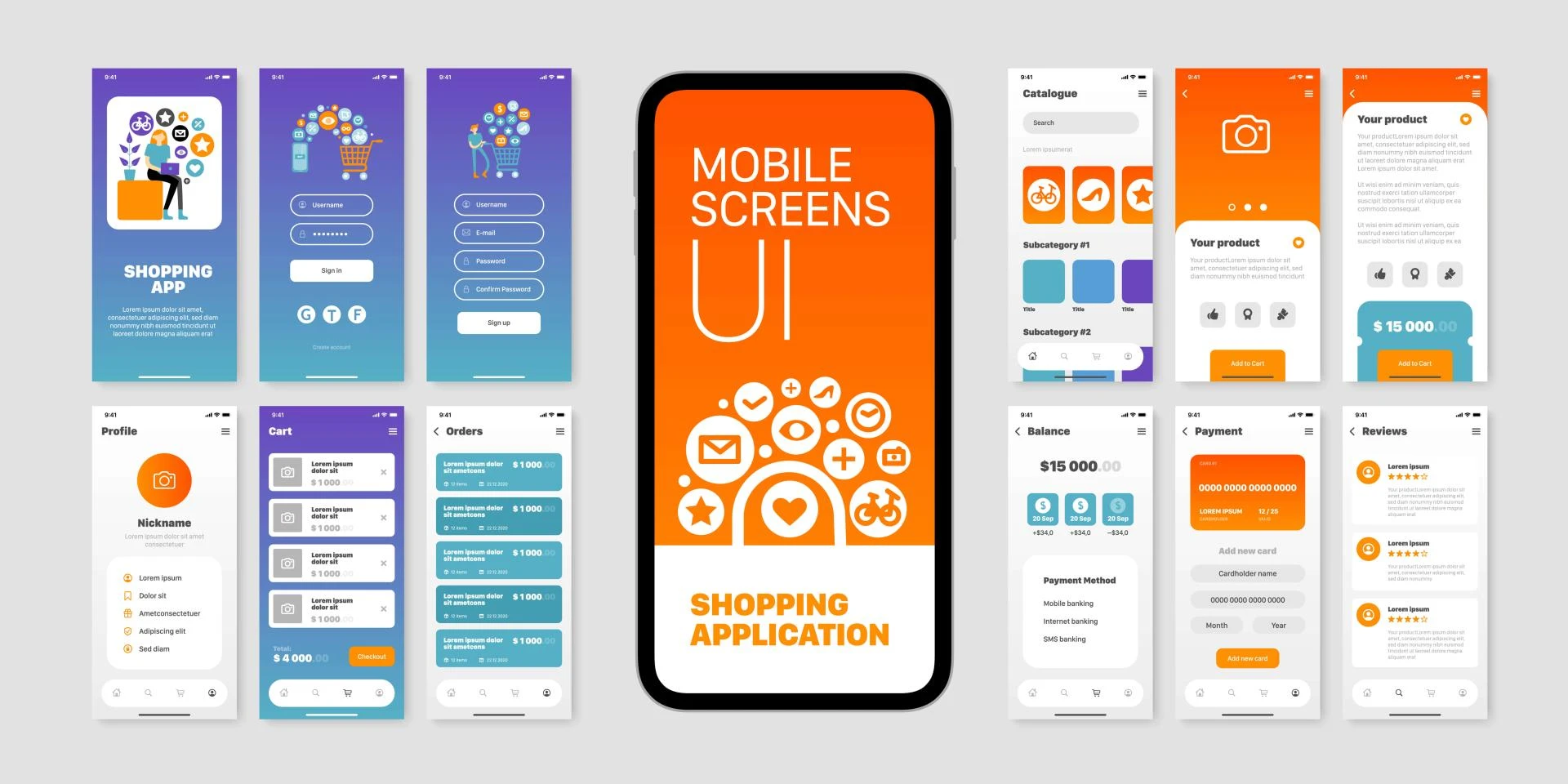
Key elements of UI/UX design include visual design, information architecture, interaction design, and usability. These elements work together to create a cohesive and enjoyable user experience.
Key Principles of UI/UX Design
Simplicity
The principle of simplicity emphasizes the importance of keeping interfaces clean, uncluttered, and easy to navigate. Simple designs are more intuitive for users, leading to a better overall experience.
Consistency
Consistency in design ensures that elements such as colors, fonts, and layouts are uniform throughout the interface. This helps users predict how the interface will behave, reducing cognitive load.
Accessibility
UI/UX design should be accessible to all users, including those with disabilities. Designers should consider factors such as color contrast, font size, and screen reader compatibility to ensure inclusivity.
Feedback
Providing feedback to users is essential for creating a responsive and engaging interface. This includes visual feedback for user actions, such as button clicks or form submissions.
Flexibility
UI/UX design should be flexible enough to accommodate different user preferences and devices. Responsive design techniques can help ensure that interfaces adapt to various screen sizes and orientations.
User-Centered Design Approach
User Research
User research involves understanding the needs, behaviors, and preferences of the target audience. This information is used to inform design decisions and create user-centric solutions.
Persona Creation
Personas are fictional representations of the target users. They help designers empathize with users and design interfaces that meet their specific needs and goals.
User Testing
User testing involves gathering feedback from real users through usability tests. This helps identify usability issues and refine the design to improve the overall user experience.
UI/UX Design Trends
Minimalism
Minimalist design focuses on simplicity and removing unnecessary elements from the interface. It helps reduce clutter and improve usability.
Dark Mode
Dark mode has become a popular design trend, offering a darker color scheme that is easier on the eyes, especially in low-light environments.
Microinteractions
Microinteractions are small, subtle animations or visual cues that provide feedback to users. They can enhance the user experience by making interfaces more engaging and intuitive.
Voice User Interface (VUI)
VUI allows users to interact with digital devices using voice commands. This trend is becoming increasingly popular with the rise of smart speakers and virtual assistants.
Impact of UI/UX Design on Business
Increased User Satisfaction
Well-designed UI/UX can lead to higher user satisfaction levels, which can result in increased customer loyalty and positive word-of-mouth.
Improved Conversion Rates
A user-friendly interface can improve conversion rates by making it easier for users to complete desired actions, such as making a purchase or signing up for a service.
Enhanced Brand Loyalty
Positive user experiences can create strong emotional connections with a brand, leading to increased brand loyalty and repeat business.
Conclusion
Effective UI/UX design is essential for creating digital products that offer elevated user experiences. By focusing on simplicity, consistency, and user-centered design principles, designers can create interfaces that are intuitive, engaging, and accessible to all users.
Visit my Upwork profile for — UI/UX design, Web design & Mobile design



























Sign in to leave a comment.