
In today’s digital landscape, user engagement is a key metric for evaluating the success of a website or application. Beyond simply clicking through pages, true engagement involves capturing the user’s attention, encouraging interaction, and fostering a sense of connection.
In the realm of UI/UX design, creating engaging experiences is paramount to achieving these goals.
Understanding Engagement in UI/UX
Defining engagement
Engagement refers to the level of interest, interaction, and emotional connection a user experiences when interacting with a digital interface. It goes beyond surface-level interactions to encompass the overall user experience and satisfaction.
Importance of engagement in UI/UX design
Engagement is crucial in UI/UX design as it directly impacts user satisfaction, retention, and conversion rates. A highly engaging interface can increase user loyalty, drive repeat visits, and ultimately lead to business success.
Factors Influencing Engagement
Visual appeal
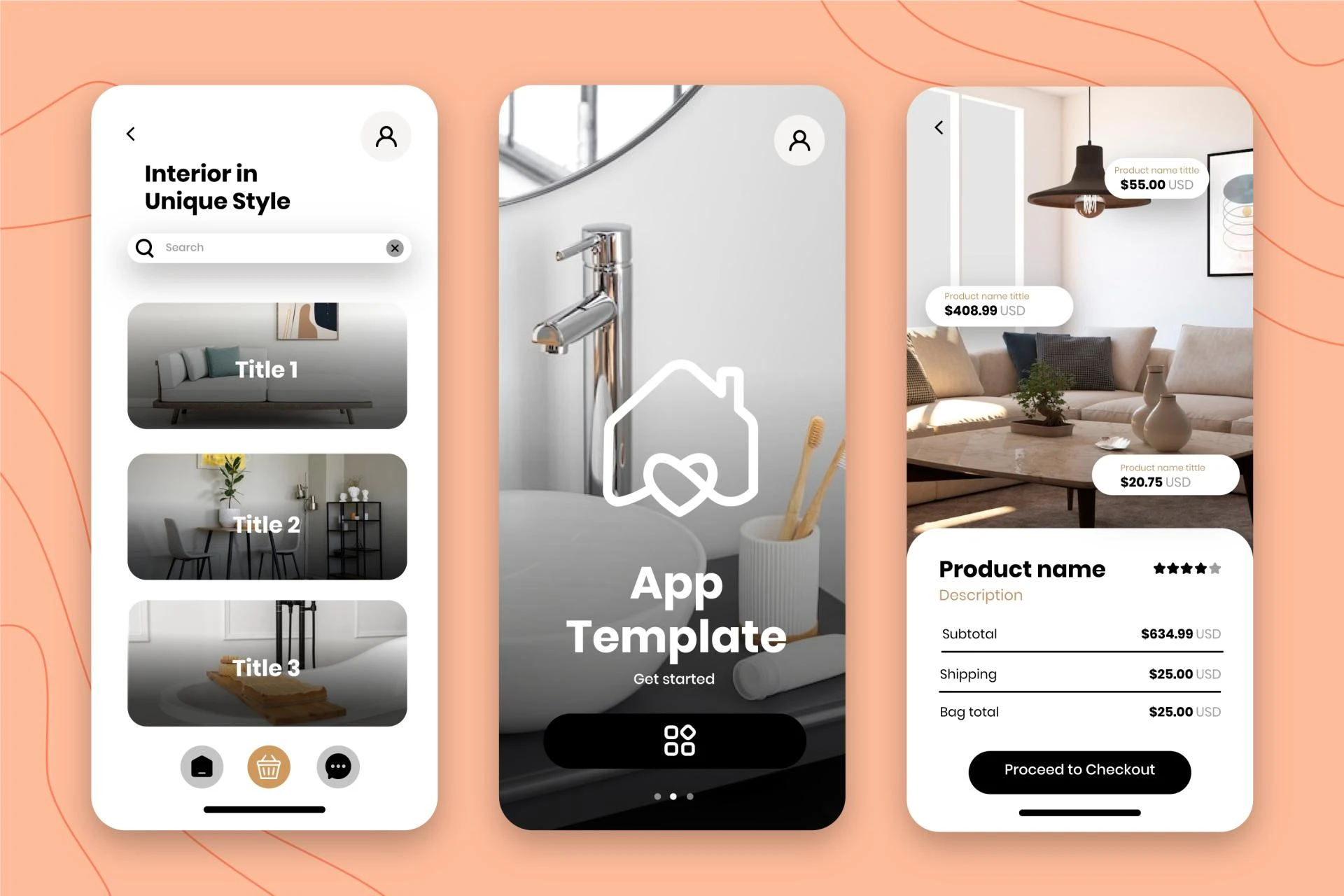
A visually appealing design can captivate users and draw them into the experience. This includes the use of color, typography, imagery, and layout to create a visually cohesive and appealing interface.
Ease of use
An intuitive and easy-to-use interface reduces friction and allows users to navigate the site or app effortlessly. Clear labeling, logical navigation paths, and intuitive interactions contribute to a positive user experience.
Interactivity
Interactive elements such as animations, transitions, and micro-interactions can make the interface more engaging and memorable. They provide feedback to users, making the experience more dynamic and responsive.
Personalization
Personalized experiences that cater to the user’s preferences, behavior, and context can significantly enhance engagement. This includes personalized recommendations, content, and user interfaces tailored to individual users.
Strategies for Designing Engaging UI/UX
Clear and intuitive navigation
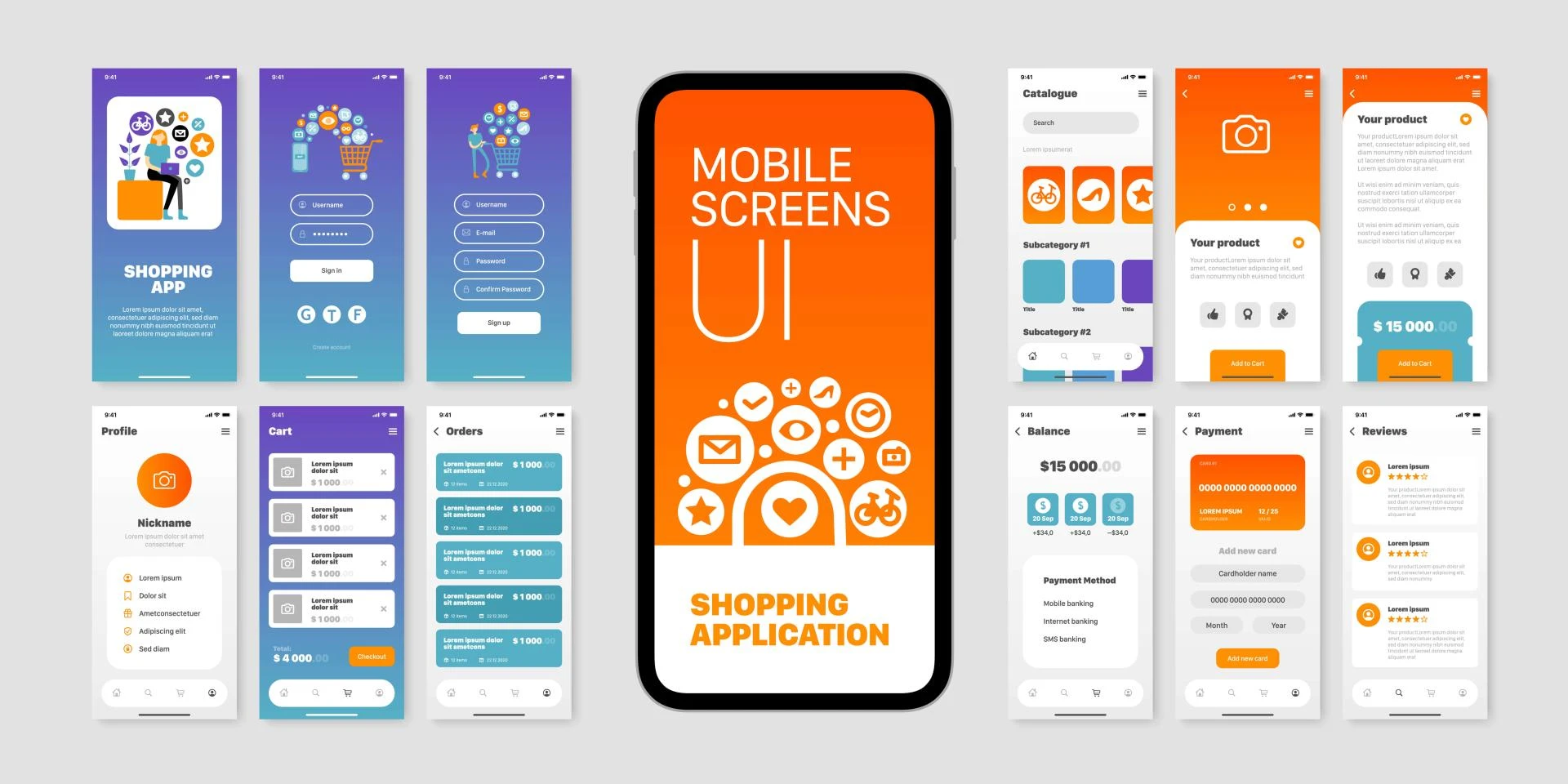
A well-organized navigation structure ensures that users can easily find what they’re looking for. Clear labels, hierarchical menus, and intuitive navigation patterns guide users through the interface smoothly.
Consistent branding
Consistent branding across all touchpoints reinforces brand identity and fosters trust with users. This includes using consistent colors, fonts, imagery, and tone of voice throughout the interface.
Utilizing white space effectively
White space, or negative space, can help to focus the user’s attention on key elements and create a sense of balance and clarity in the design. It can also improve readability and comprehension.
Incorporating storytelling elements
Storytelling can be a powerful tool for engaging users and creating emotional connections. Using narrative elements such as characters, plot, and conflict can make the interface more relatable and compelling.
Measuring Engagement in UI/UX
Key performance indicators (KPIs)
KPIs such as bounce rate, time on page, and conversion rate can provide insights into user engagement levels. These metrics can help designers identify areas for improvement and measure the impact of design changes.
User feedback and testing
User feedback through surveys, interviews, and usability testing can provide valuable insights into the user experience. This feedback can be used to iterate on the design and improve engagement over time.
Conclusion
Designing for engagement in UI/UX requires a deep understanding of user behavior, preferences, and expectations. By focusing on factors such as visual appeal, ease of use, interactivity, and personalization, designers can create experiences that captivate users and drive meaningful interactions. Measuring engagement through KPIs and user feedback is essential for continuously improving the design and maximizing user satisfaction.
Visit my Upwork profile for — UI/UX design, Web design & Mobile design

























Sign in to leave a comment.