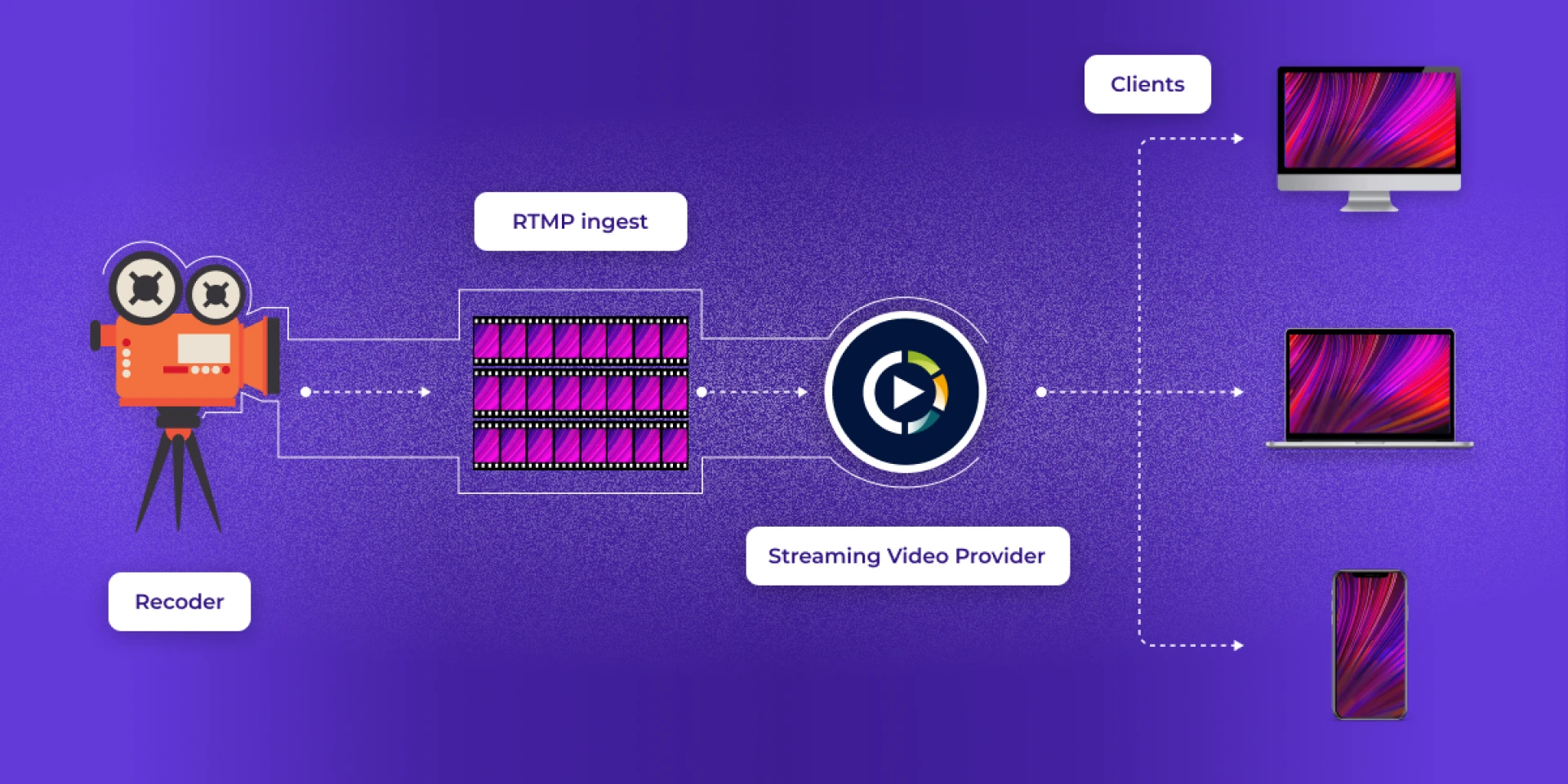
Modern embedded products depend on rich multimedia. Cameras, audio pipelines, displays, and video streaming now power smart devices across automotive, healthcare, retail, and industrial systems.
But building these features is not easy.
Embedded multimedia needs tight hardware control, real time performance, and stable software stacks. This is why choosing the right Embedded Multimedia Framework Development partner matters.
This guide explains what embedded multimedia frameworks are, common challenges, how development works, and what to look for in a reliable partner. It gives practical advice for product teams who want stable, production ready systems.
What Is Embedded Multimedia Framework Development?
Embedded Multimedia Framework Development focuses on building software layers that handle audio, video, camera, and graphics on embedded hardware.
These frameworks manage:
- Video capture and encoding
- Audio input and output
- Display rendering
- Media pipelines
- Hardware acceleration
Most solutions run on Embedded Linux using open source platforms supported by the Linux Foundation. Popular media stacks often rely on GStreamer for pipeline control and format handling.
In simple terms, multimedia frameworks turn raw hardware blocks into smooth user experiences.
Why Embedded Multimedia Projects Are Hard
Multimedia workloads push hardware to its limits. Teams often face:
- High CPU and memory use
- Video latency
- Frame drops
- Driver conflicts
- Complex codec support
According to Statista, the global embedded systems market grows over 8 percent each year, driven by smart cameras, automotive displays, and IoT devices. Multimedia is a key driver behind this growth.
Without expert design, products suffer from poor video quality and unstable performance.
Typical Embedded Multimedia Development Workflow
A structured workflow reduces risk and speeds delivery.
Most projects follow these steps:
1. Hardware capability review
Study SoC blocks like ISP, GPU, and video codecs.
2. BSP and driver readiness
Ensure camera, display, and audio drivers work correctly. This often links closely with Linux BSP Development Services.
3. Framework selection
Choose stacks such as GStreamer, FFmpeg, or vendor SDKs.
4. Pipeline design
Build audio and video flows for capture, processing, and playback.
5. Application integration
Connect multimedia layers with UI and business logic.
6. Testing and tuning
Optimize latency, frame rate, and power use.
7. Production hardening
Add security, logging, and OTA update support.
Key Challenges in Embedded Multimedia Framework Development
Hardware dependency
Each SoC handles media differently. Porting pipelines across boards takes effort.
Performance limits
High resolution video stresses CPU and memory.
Driver stability
Camera and display drivers often cause crashes or artifacts.
Codec licensing
Some formats need commercial licenses.
Long term support
Kernel and framework updates must stay compatible.
These challenges explain why many teams use specialized Embedded Multimedia Framework Development partners.
What to Look for in a Development Partner
Not all vendors offer the same depth of expertise.
Here are practical criteria to evaluate.
Proven embedded Linux experience
Your partner should understand kernel, drivers, and user space frameworks. Multimedia cannot work on weak BSP foundations.
Strong multimedia stack knowledge
Look for hands on work with:
- GStreamer pipelines
- Hardware codecs
- OpenGL or Vulkan graphics
- Camera ISP tuning
End to end capability
A good partner supports:
- BSP integration
- Multimedia frameworks
- Application development
- Testing and optimization
This avoids handoff gaps.
Performance optimization skills
Ask about:
- Zero copy pipelines
- DMA buffer handling
- GPU acceleration
These improve video quality and reduce power use.
Long term maintenance
Products ship for years. Your partner should offer:
- CVE patching
- Kernel upgrades
- Framework updates
In House vs Outsourced Multimedia Development
Many companies compare internal teams with outsourced Embedded Multimedia Framework Development.
Here is a clear view:
| Factor | In House | Outsourced |
| Startup cost | High | Lower |
| Media expertise | Limited | Broad |
| Time to market | Slower | Faster |
| Testing depth | Basic | Extensive |
| Ongoing support | Costly | Flexible |
Outsourcing works well when timelines are tight or hardware is complex.
Business Benefits of the Right Partner
Choosing the right partner gives you:
- Faster product launch
- Stable video and audio pipelines
- Lower engineering risk
- Better user experience
- Predictable maintenance
These benefits directly impact customer satisfaction and product lifespan.
FAQ: Embedded Multimedia Framework Development
What is an embedded multimedia framework?
It is a software layer that manages audio, video, camera, and display pipelines on embedded hardware.
Which frameworks are common in embedded Linux?
Many systems use GStreamer with hardware codecs. Some also use FFmpeg and vendor SDKs.
How long does multimedia framework development take?
Basic setups may take 4 to 6 weeks. Complex camera and display systems can take several months.
Does multimedia development require BSP support?
Yes. Camera, display, and codec drivers must work at BSP level before frameworks can perform well.
Is security part of multimedia framework development?
Professional services include secure pipelines, encrypted streams, and regular library updates.
Final Thoughts
Embedded multimedia defines how users experience your product. Poor video quality or unstable audio can ruin even the best hardware design. A strong Embedded Multimedia Framework Development partner brings deep Linux knowledge, media expertise, and production ready processes.
When you choose carefully, you gain faster launches, smoother performance, and long term support.
If your product needs reliable multimedia pipelines backed by solid embedded engineering, working with an experienced team makes a real difference. Companies like eBytelogic help businesses turn complex camera and display requirements into stable, high quality embedded solutions.
If you would like, I can also help prepare a partner evaluation checklist or multimedia project roadmap for your next embedded product.














Sign in to leave a comment.