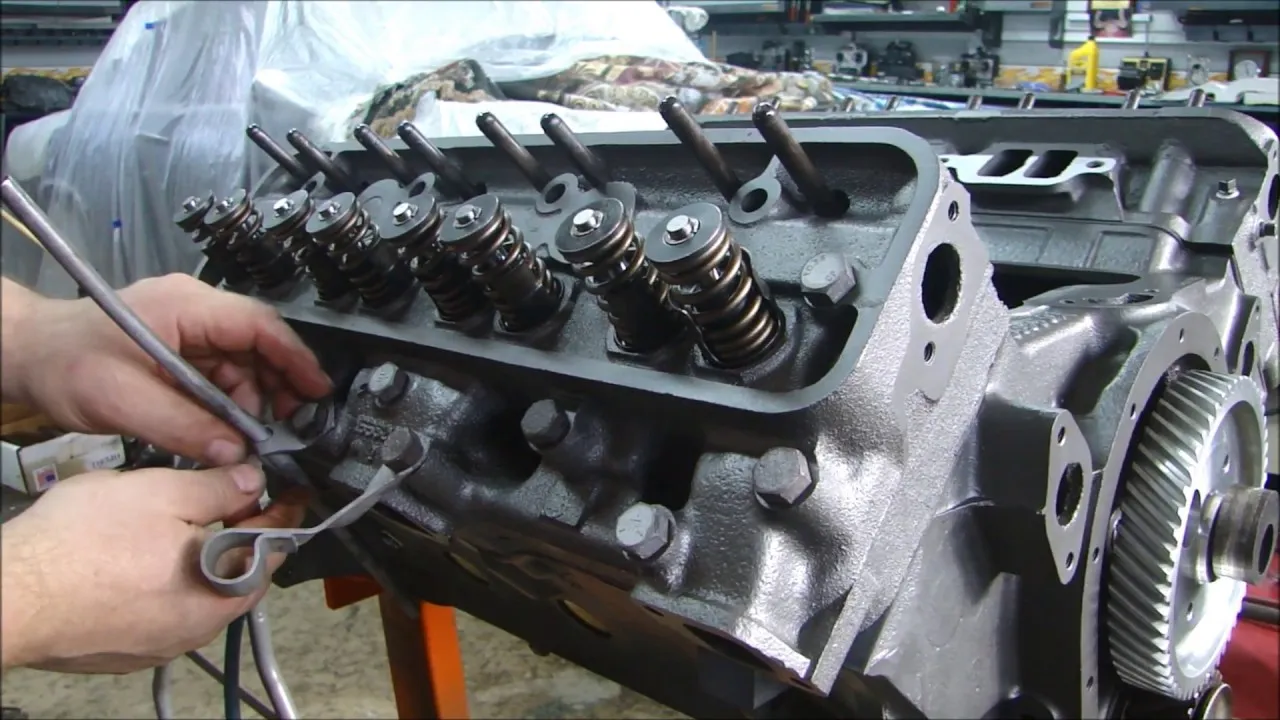

When your car engine starts showing signs of failure, it can quickly turn from a minor issue into a costly repair. Many UK drivers ignore early warning signs, only to face major engine damage later on.
Knowing what to do when your engine starts failing can save you thousands of pounds and prevent breakdowns at the worst possible time. In this guide, we’ll walk you through the common symptoms, repair options, costs, and expert advice from professional engine rebuilders to help you make the right decision.
Common Signs Your Engine Is Failing
Engine problems rarely happen overnight. In most cases, your car will give clear warning signs before serious damage occurs.
Here are the most common symptoms to watch for:
- Knocking or tapping noises from the engine
- Loss of power while driving
- Excessive smoke from the exhaust
- Increased oil consumption
- Engine warning light on the dashboard
- Overheating issues
Ignoring these signs can lead to severe damage, including failure of critical components like the crankshaft or engine block.
What Should You Do First?
If you notice any of these symptoms, the first step is simple: stop driving the car if the issue is serious. Continuing to drive with a failing engine can make the damage worse and significantly increase repair costs.
Next steps:
- Get a professional inspection from a qualified mechanic
- Request a full diagnostic report
- Ask for a clear breakdown of repair options and costs
Early diagnosis is key. In many cases, catching the problem early can turn a major repair into a minor fix.
Engine Repair Options in the UK
Depending on the severity of the issue, there are several repair routes available:
1. Minor Engine Repairs
These include fixing smaller issues such as:
- Replacing spark plugs
- Fixing oil leaks
- Replacing sensors
2. Major Engine Repairs
If internal components are damaged, repairs may involve:
- Replacing timing chains or belts
- Repairing cylinder heads
- Fixing cooling system failures
3. Engine Rebuild
When multiple internal components are worn or damaged, a full rebuild may be required. This involves stripping and restoring the engine.
4. Engine Replacement
If the engine is beyond repair, replacement becomes the only viable option.
What Affects Engine Repair Costs?
Engine repair costs in the UK vary based on several key factors:
Vehicle Type
Luxury and performance cars require more expensive parts and specialised labour.
Severity of Damage
A minor oil leak is inexpensive, but internal engine damage can be costly.
Labour Charges
UK labour rates typically range between:
- £50 – £70/hour in smaller areas
- £70 – £100/hour in cities like London
Parts Availability
Some engines require rare or imported parts, which can increase both cost and repair time.
When Should You Repair vs Replace?
This is one of the most important decisions car owners face.
Repair Makes Sense If:
- The issue is minor or moderate
- Your car is relatively new
- Repair costs are reasonable compared to car value
Replacement Is Better If:
- The engine has severe internal damage
- Repair costs are close to replacement costs
- Your car has high mileage
In many real-world cases, spending slightly more on a replacement engine can save you from repeated repairs.
How Long Do Engine Repairs Take?
Repair time depends on the complexity of the issue:
- Minor repairs: Same day to 1–2 days
- Major repairs: 2–5 days
- Rebuilds or replacements: 5–10+ days
Unexpected delays can occur if additional problems are discovered during the repair process.
Expert Advice from Real Garage Experience
One of the most common mistakes we see is delaying repairs to “save money.” In reality, this often leads to much bigger problems.
For example, a small oil leak left untreated can lead to engine overheating, which may result in a complete engine failure—especially in a high-performance engine Range Rover. What could have cost a few hundred pounds can quickly turn into a £3,000+ repair.
Acting early is always the smarter and cheaper option.
FAQs – Engine Repair in the UK
1. How much does engine repair cost in the UK?
Costs range from £100 for minor fixes to over £3,000 for major repairs or replacements.
2. Can I drive with a failing engine?
It’s not recommended. Driving with engine issues can cause severe damage and higher repair costs.
3. How do I know if my engine is beyond repair?
A professional inspection is required, but signs include severe knocking, overheating, and loss of compression.
4. Is it worth repairing an old car engine?
It depends on the car’s value and repair cost. If repairs exceed the car’s worth, replacement may not be practical.
5. How can I prevent engine failure?
Regular servicing, timely oil changes, and addressing issues early can significantly extend engine life.
Final Thoughts
Engine problems can be stressful, especially when you’re unsure about the next step. The key is not to panic but to act quickly and make informed decisions.
From experience, the best outcomes always come from early diagnosis and honest advice. Whether it’s a simple engine repair or a full engine replacement, understanding your options puts you in control and helps you avoid unnecessary costs.
If your engine is starting to fail, don’t wait until it breaks down completely. Getting it checked today could save you a significant amount of time, money, and hassle in the long run.



























Sign in to leave a comment.