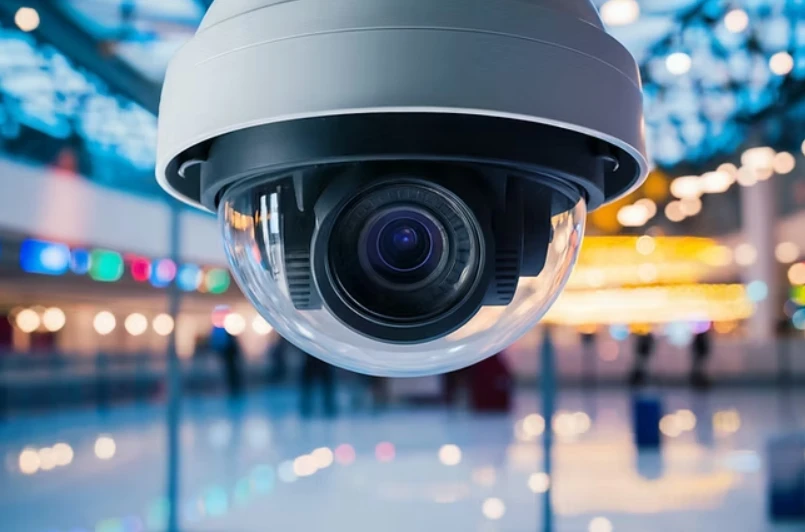

In today's evolving business landscape, workplace security has become a fundamental necessity rather than a luxury. The traditional lock and key, once the standard for securing office spaces, now represent a significant vulnerability in an organization's defense strategy. Lost keys, unauthorized duplication, and the lack of audit trails create security gaps that modern businesses can no longer afford. CFA Security addresses these challenges head-on with sophisticated access control solutions that transform how companies manage and monitor entry to their facilities. By replacing mechanical locks with intelligent electronic systems, they provide businesses with unprecedented control over their physical spaces, creating environments where safety and security become integrated components of daily operations rather than afterthoughts.
Eliminating Vulnerabilities of Traditional Key Systems
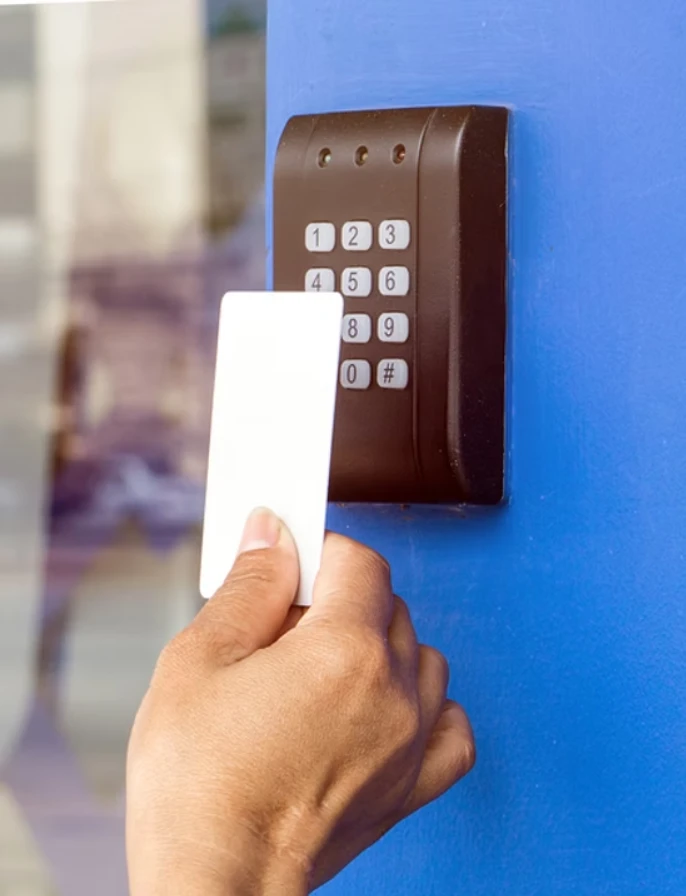
The limitations of traditional key-based security are numerous and concerning. When an employee departs a company, the process of retrieving keys is often unreliable, leaving former staff members with potential access to sensitive areas. Similarly, lost or stolen keys create immediate security breaches that necessitate expensive rekeying of entire facilities. CFA Security's electronic access control systems completely eliminate these vulnerabilities. By utilizing unique credentials such as key cards, fobs, or mobile access codes, they ensure that access permissions can be granted or revoked instantly through a central software platform. This means when an employee leaves the organization, their access can be terminated with a few clicks, without affecting other employees' credentials or requiring physical changes to locks throughout the building.
Implementing Granular Access Permissions
Different areas within a workplace contain different levels of sensitivity and require appropriate security measures. A one-size-fits-all approach to access fails to address the nuanced security needs of various departments and spaces. CFA Security's solutions enable businesses to implement granular access permissions tailored to specific roles and responsibilities. For instance, while all employees might need access to common areas like breakrooms and lobbies, only HR staff would require entry to personnel files storage, and only IT personnel would need access to server rooms. This principle of least privilege access ensures employees can only enter areas essential to their job functions, significantly reducing the risk of internal theft, accidental damage to sensitive equipment, or unauthorized viewing of confidential information.
Creating Comprehensive Digital Audit Trails
Knowing who accessed what area and when provides invaluable security intelligence that simply isn't available with traditional lock systems. CFA Security's access control systems automatically generate detailed digital audit trails that record every entry and exit attempt. These logs capture the user's identity, the specific door accessed, and the exact date and time of the event. This information becomes crucial for investigating security incidents, from stolen equipment to unauthorized entry after hours. The audit trail can quickly identify which credentials were used during an incident, narrowing down the list of individuals present. Beyond security investigations, these logs can also assist with operational efficiency, verifying employee hours for payroll or compliance purposes.
Enhancing Emergency Response and Lockdown Capabilities
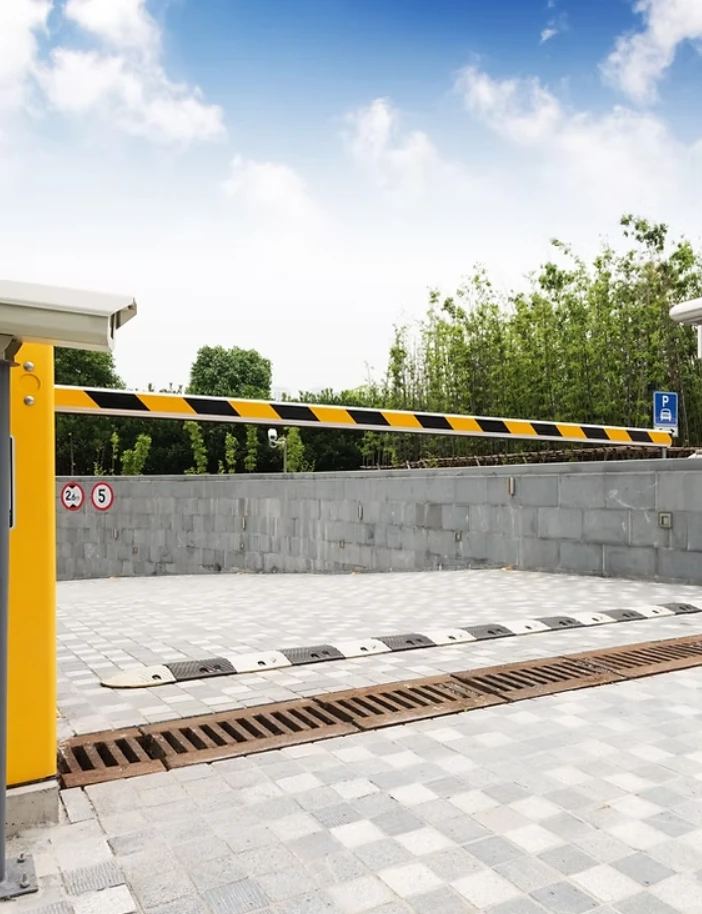
During emergency situations, the ability to control building access can become a lifesaving feature. CFA Security's systems include emergency lockdown functionality that allows authorized personnel to secure all perimeter doors with a single command. In scenarios such as an active threat or civil disturbance, this immediate lockdown capability can prevent dangerous individuals from entering the facility while containing the situation internally. Conversely, in the event of a fire or other emergency requiring evacuation, the system can be programmed to automatically unlock specific egress routes to facilitate safe exit. This dynamic control over access points provides businesses with critical tools to protect occupants during crisis situations that static lock and key systems cannot address.
Streamlining Visitor and Contractor Management
Managing temporary access for visitors, clients, and contractors presents unique security challenges that traditional keys handle poorly. CFA Security's access control platforms include sophisticated visitor management features that streamline this process while maintaining security standards. Instead of requiring staff to physically escort visitors throughout a facility, the system can generate temporary credentials with limited access rights and predefined expiration times. These temporary permissions can be customized to specific areas and timeframes, ensuring contractors can only access relevant work areas during project hours. This approach not only enhances security but also reduces the administrative burden on staff while providing a professional experience for guests.
Integrating with Other Security Systems
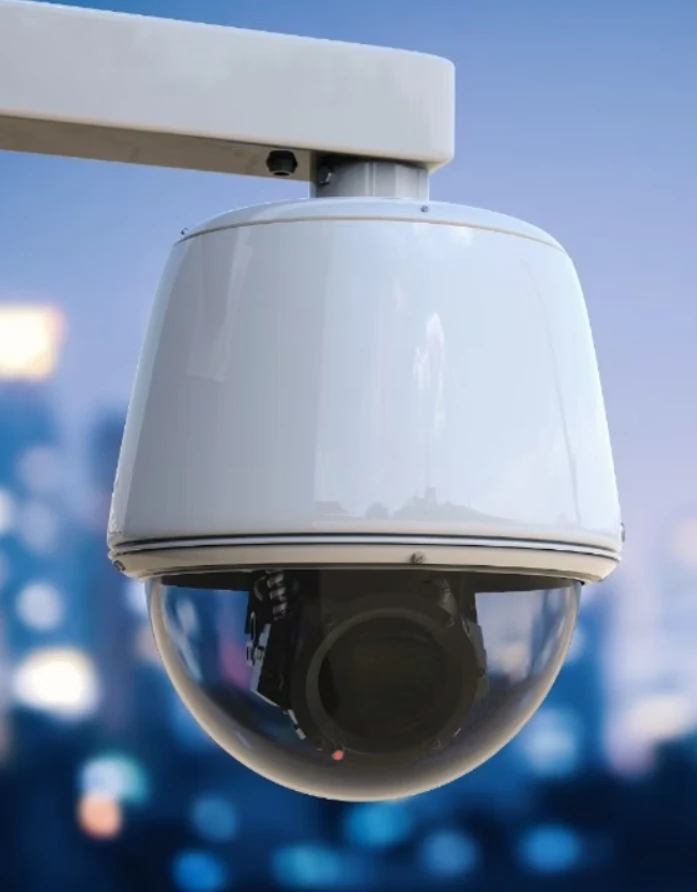
Modern security operates most effectively as an integrated ecosystem rather than a collection of standalone components. CFA Security designs access control solutions that seamlessly integrate with other security systems, creating a unified defensive network. When an access control event occurs, such as a door being forced open or an invalid access attempt, the system can trigger corresponding actions in other security systems. For example, an unauthorized entry attempt could prompt nearby security cameras to automatically focus on the compromised door while sending real-time alerts to security personnel. This integration creates a responsive security environment where different systems work in concert to detect, verify, and respond to potential threats more effectively than isolated systems ever could.
Supporting Hybrid Work Schedules and Flexible Hours
The rise of hybrid work models and flexible scheduling has created new security challenges for businesses maintaining traditional access methods. With employees working varied hours and sharing workspaces, managing who should have access and when becomes increasingly complex. CFA Security's intelligent access control systems provide the perfect solution for these modern work arrangements. The software allows administrators to create sophisticated schedules that align with each employee's authorized working hours. An employee working an early shift can be granted access only during their specific timeframe, while remote workers coming in occasionally can receive limited permissions. This ensures that empty offices aren't unnecessarily accessible to all employees at all times, reducing security risks during off-hours.
Reducing Administrative Overhead and Long-Term Costs
While the initial investment in electronic access control may exceed that of traditional locks, the long-term financial benefits are substantial. The administrative costs associated with managing mechanical keys—including cutting new keys, tracking key assignments, and rekeying locks when keys are lost—accumulate significantly over time. CFA Security's systems dramatically reduce these ongoing expenses by centralizing all access management through user-friendly software. Adding new employees, modifying permissions, or deactivating lost credentials can be accomplished in minutes without physical intervention. This efficiency not only saves on direct costs but also frees up administrative staff for more valuable tasks, providing a clear return on investment through both enhanced security and operational efficiency.
Building a Foundation of Security and Peace of Mind
Beyond the tangible features and capabilities, the most significant benefit of implementing a professional access control system is the foundation of security and peace of mind it creates throughout an organization. When employees know their workplace is protected by modern security technology, they can focus more completely on their responsibilities without underlying concerns about safety. Management gains confidence that company assets, intellectual property, and personnel are protected by a system that provides both robust protection and detailed accountability. This sense of security becomes woven into the company culture, demonstrating a commitment to employee welfare and operational excellence that benefits everyone from entry-level staff to executive leadership. In today's business environment, this comprehensive security approach isn't just about preventing incidents—it's about creating conditions where businesses and their people can truly thrive.






























Sign in to leave a comment.