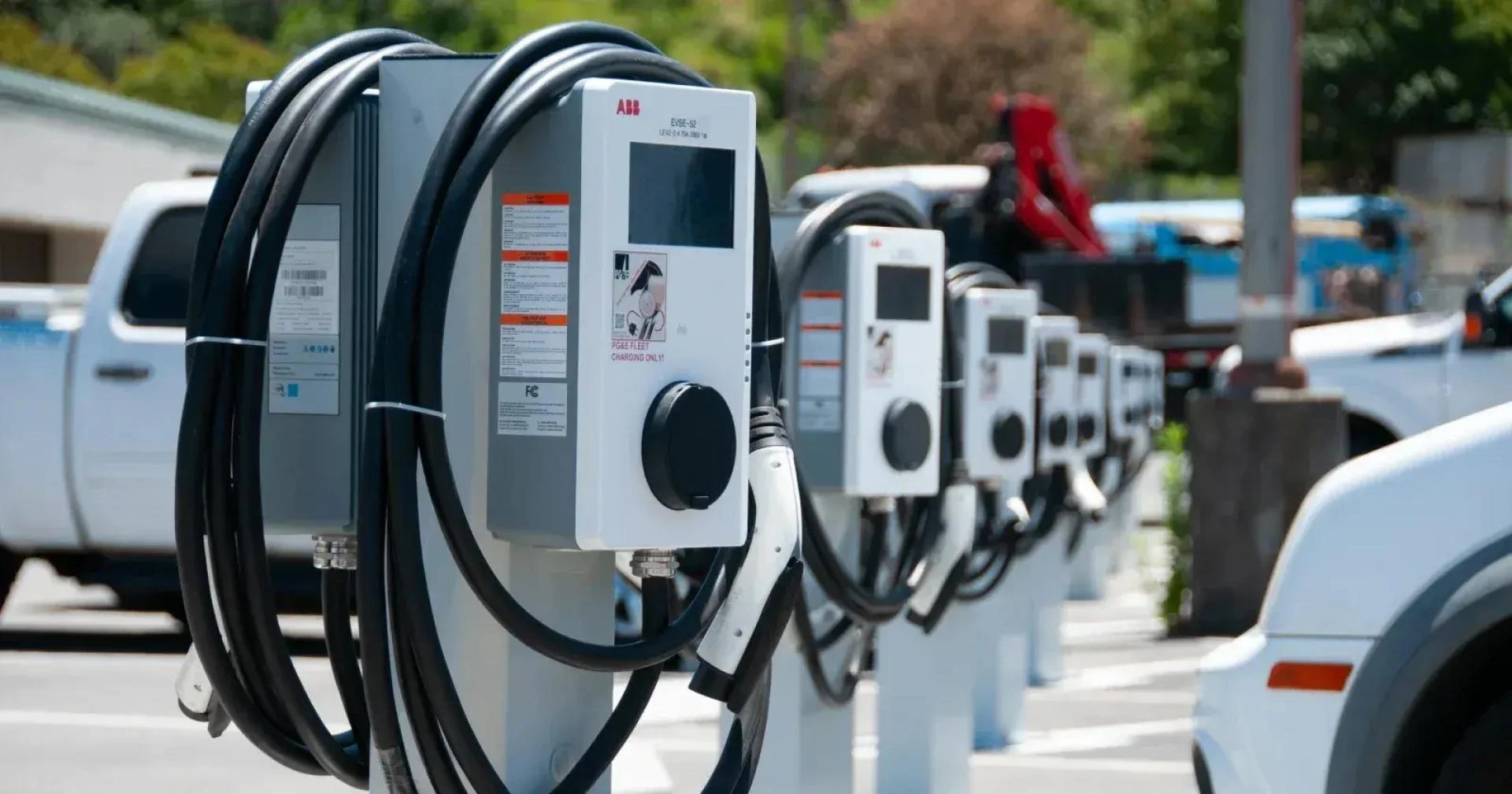

Understanding EV Charging Stations: A Complete Guide
Electric vehicles (EVs) are rapidly becoming a mainstream choice for drivers worldwide. Rising fuel prices, stricter emissions regulations, and growing environmental awareness are accelerating the shift toward sustainable transportation. Yet one of the biggest questions for potential EV buyers is: How do I charge my car, and which charging station is right for me?
Fortunately, EV charging infrastructure has advanced significantly. From home setups to public charging hubs, there are now multiple options for drivers. However, the variety of charging levels, connectors, costs, and installation requirements can be confusing. This guide explains the different types of EV chargers, their pros and cons, and practical tips for choosing the right one.
The Three Levels of EV Charging
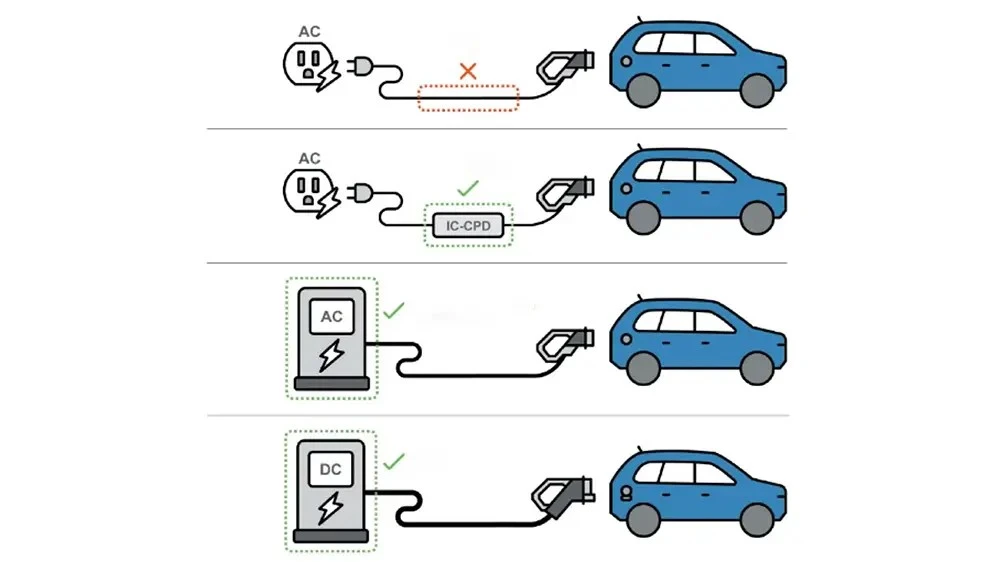
EV chargers are typically divided into Level 1, Level 2, and Level 3 (DC Fast Charging), each offering different speeds, costs, and use cases.
Level 1 Charging: Basic and Accessible
Level 1 charging uses a standard 120-volt household outlet, requiring no specialized equipment. Simply plug in your EV, and charging begins.
- Charging speed: Slow — typically 18–24 hours for a full charge on a 60 kWh battery.
- Best for: Short commutes (<50 km/day), overnight charging, or plug-in hybrids with smaller batteries.
- Pros: No installation costs, widely accessible, gentle on the battery.
- Cons: Extremely slow for larger EVs, impractical for multiple daily charges or long-distance driving.
Summary: Level 1 is ideal for occasional or low-mileage drivers prioritizing convenience over speed.
Level 2 Charging: Efficient and Practical
Level 2 chargers operate at 240 volts, similar to household appliances like ovens or dryers. With power outputs from 3.7 kW to 22 kW, Level 2 chargers are 3–7 times faster than Level 1.
- Charging speed: 25–60 km of range per hour; full charge in 4–8 hours.
- Locations: Home garages, workplaces, public spaces (malls, hotels, parking lots).
- Pros: Faster than Level 1, convenient, widely available, compatible with most EVs.
- Cons: Installation costs ($500–$2,000), requires a dedicated 240V outlet.
Summary: Level 2 offers the best balance of cost, speed, and convenience, making it ideal for daily use and home installations.
Level 3 Charging: Fast and Powerful
Level 3, or DC Fast Charging, delivers direct current at high voltages, enabling 80% battery charge in 15–60 minutes. Outputs can range from 50 kW to 350 kW or more.
- Best for: Long-distance travel and highway charging.
- Pros: Extremely fast, increasingly available in urban areas and along highways.
- Cons: Expensive, limited home feasibility, not all EVs support ultra-fast charging, frequent use may affect battery longevity.
Summary: Level 3 is essential for public fast charging on trips but is generally not used for daily home charging.
EV Charging Connectors
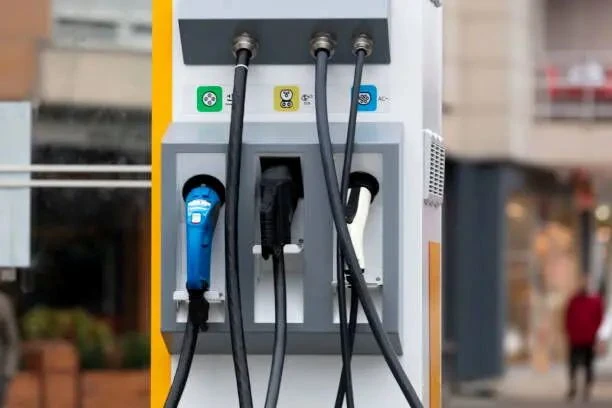
Compatibility is a key factor when choosing a charger. Common connector types include:
- Type 1 (SAE J1772): Single-phase, up to 7.4 kW; mostly older models in North America and Asia.
- Type 2 (Mennekes): European standard; supports single and three-phase AC up to 22 kW.
- CHAdeMO: DC fast-charging standard; used in older Nissan Leaf and Mitsubishi models.
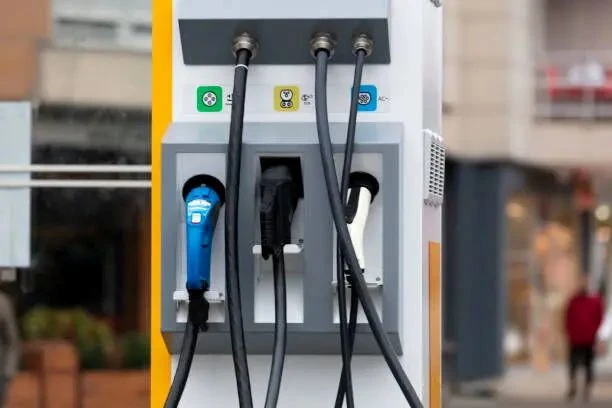
- CCS (Combined Charging System): Global standard combining AC and DC; supports up to 350 kW.
- Tesla Connector: Proprietary in the U.S.; European Tesla models use Type 2/CCS.
Many public stations now support multiple connectors for versatility. Always ensure your EV is compatible with the charger’s plug type.
Ideal Charging Locations
On-Street Installations
Urban chargers may integrate discreetly into lamp posts or street furniture to reduce clutter and improve accessibility.
Car Parks and Garages
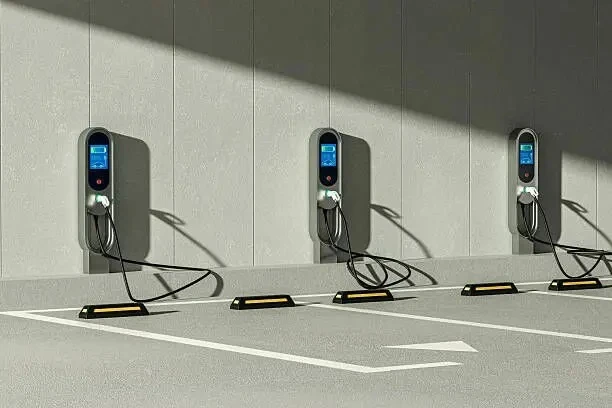
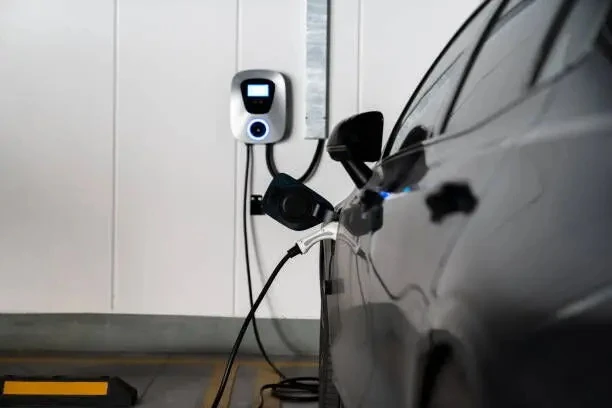
Ideal for dedicated spaces with wall-mounted or dual-socket setups. Businesses offering EV charging can attract customers and employees.
Residential Charging
Level 2 home chargers provide overnight convenience and integration with smart home energy systems. Apartment complexes are increasingly installing shared charging stations.
Highway Rest Stops
Fast-charging hubs are essential for long-distance travel. Networks like Tesla Supercharger, Electrify America, and Ionity continue to expand globally.
Workplace Charging
Companies supporting employees with charging stations encourage green commuting, reduce range anxiety, and demonstrate sustainability leadership.
Practical Tips for Choosing the Right Charger
- Assess driving habits: Short commutes → Level 1; long daily drives → Level 2; frequent road trips → Level 3.
- Check vehicle compatibility: Confirm max charging speed and connector type.
- Consider installation costs: Home chargers may require electrical upgrades.
- Think about convenience: Overnight home charging vs. public stations during the day.
- Explore incentives: Rebates, tax credits, or subsidies may offset costs.
- Plan for future upgrades: Choose chargers with sufficient power for larger EVs in the future.
The Future of EV Charging
Emerging trends promise faster, smarter, and more sustainable solutions:
- Wireless charging: Inductive pads could eliminate plug-in cables.
- Bidirectional charging (V2G): EVs may supply energy back to homes or the grid.
- Ultra-fast chargers: 500 kW stations could reduce charging to under 10 minutes.
- Smart apps: Track charging, find stations, and reserve slots.
EV charging technology is evolving rapidly, making it easier to integrate into daily life and renewable energy systems.
Conclusion
Choosing the right EV charging station depends on lifestyle, driving patterns, and budget. Level 1 is accessible, Level 2 balances speed and convenience, and Level 3 offers fast charging when needed. Connector compatibility, installation location, and practical considerations are equally important.
As infrastructure expands and technology advances, EV ownership is becoming more convenient and sustainable than ever. Understanding your options ensures your vehicle stays powered and ready, whether at home, work, or on the road.It's important to know about Google SEO to help your website rank higher in search results.

























Sign in to leave a comment.