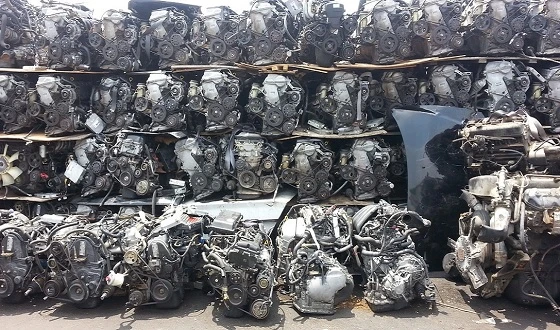
When it comes to sourcing high-quality performance components, the global automotive community has increasingly turned its attention to Japan. The term JDM engines and parts for sale in Japan originally referred to vehicles and parts intended exclusively for Japan’s domestic market. Over time, however, that term has broadened in use to include the specific flavor of components produced with Japanese manufacturing standards and often unique specifications. These engines and parts are admired globally for their precision engineering, durability, and performance potential, making Japan a leading destination for enthusiasts and mechanics seeking authentic, reliable upgrades
Why the Interest in Japanese-Domestic Spec Engines and Parts?
Japan’s vehicle and component manufacturing environment is shaped by unique regulatory and cultural factors. For example, Japan’s shaken (vehicle inspection) system places heavy emphasis on weight, displacement, and periodic renewal. This encourages manufacturers and owners to maintain lighter, more efficient, and often higher-revving engines, with an emphasis on reliability and compact performance. As one article notes, Japanese engines “stand out as some of the most durable, reliable, and well-made engines that can generate significant power with relatively small displacements.”
For buyers and enthusiasts abroad, this means that Japanese-market engines and parts often carry a reputation of strong build standards, good condition (when maintained), and in some cases, performance heritage. That appeal feeds into the market for “engines and parts for sale in Japan” from Japan to overseas regions.
Understanding the Supply Chain
The path from dismantling yards and salvage in Japan to international shipment involves several stages. Parts are sourced in Japan often from vehicles removed or scrapped due to age, accident, or direct de-commissioning. Then they are inspected, catalogued, packaged and exported. Importers abroad work with Japanese partners or have direct access to Japanese supply. For example, one supplier advertises “direct importer of used low mileage JDM engines, transmissions and beyond… our engines and transmissions are imported directly from Japan, hand selected and inspected by our partners in Tokyo.”
Because the initial market is Japanese, the parts may have unique specification numbers, may sit right-hand drive vehicle setups, may not match export market wiring harnesses, or may require adaptation. That’s why the discussion around export readiness is important.
What to Look Out For Key Considerations
When exploring availability of engines and parts for sale in Japan, several factors matter:
· Condition and mileage. While the reputation might suggest low mileage, you still need to verify actual usage. The myth that “JDM engines are always low mileage” is debunked in one guide.
· Compatibility and fit-ment. Even if an engine is from a Japanese market vehicle, it doesn’t guarantee bolt-in fitment into another chassis or for export market variants. Mounting points, wiring, ECU/harness compatibility, emissions controls may differ.
· Legal and regulatory compliance. Importing engines or parts from Japan may require meeting local emissions, safety or inspection standards in your country. The “JDM” label does not automatically mean legal usage in all jurisdictions.
· Cost-benefit and market competition. Because of global interest, the pricing for desirable engines and parts has increased. One article points out that market demand has driven up prices.
·Parts support and servicing. For older or rarer Japanese engines, aftermarket support may be less direct in your region. It is wise to verify that parts or services exist for continued use.
Popular Engines and Parts Types in Demand
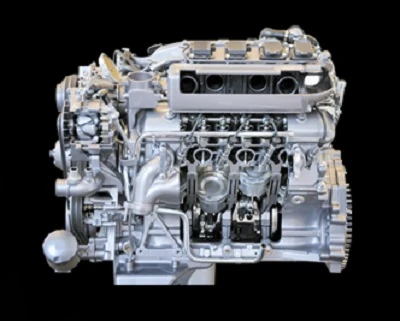
Engines and parts sourced from Japan cover a wide range from mainstream replacement blocks to enthusiast swap candidates. For instance, in a list of “13 Best Japanese Car Engines Ever Made,” examples like the RB26DETT (Nissan Skyline GT-R) or K20A (Honda) are cited for their performance potential and tuning support. While those high-end items fetch premium prices, more common Japanese domestic market engines (for Toyota, Honda, Subaru, Nissan etc) are actively traded as part replacement or project builds.
Similarly parts beyond just the engine block such as wiring harnesses, ECU/management modules, intake and exhaust components, turbo systems, and transmissions are in active circulation. One importer emphasises that they carry “engines, transmissions and more… direct importer of used low mileage JDM engines, transmissions and more” with full lines of parts.
Market Trends and Export Observations
In recent years, several trends have emerged for engines and parts originating in Japan:
· Increased global demand: The JDM culture has grown beyond Japan and supply chains have adapted accordingly. Parts once only available domestically are now listed with international shipping.
· Rising rarity of prime units: As enthusiasm grows, high-quality Japanese domestic market units (especially performance variants) become scarcer, pushing up cost.
· Focus on documentation and verification: Buyers increasingly seek detailed condition reports, photos, history, run hours/mileage, and sometimes video of engine start/run to support purchase decisions.
· Adaptation for export markets: Many parts and engines from Japan are re-conditioned, cleaned, rust protected, and pre-prepared for export. For example, one company applies rust-protection inside cylinders.
· Wide availability of lower end engines for everyday use: Not just performance swaps many parts markets cater to replacement needs for Japanese import vehicles overseas, or to rebuild projects.
Risks and Mitigation Strategies
No market is without risk, especially cross-border parts sourcing. Here are key risk factors and how buyers can mitigate them:
· Mis-representation of condition: Always ask for actual run condition, mileage, photographs, video, and possibly third-party inspection.
· Fitment surprises: Before purchase ensure that bolt-pattern, mounts, sensors, wiring are compatible or modifications budgeted.
· Shipping and customs: International shipping adds cost, and local import duties/procedures may apply. Ensure clarity.
· Legal compliance: Some countries restrict or require special approvals for exported vehicles or parts they may require emissions certification. Confirm local laws before purchase.
· After-sales support: Ensure you have access to gasket kits, rebuild parts, and local technical support in case of issues.
Best Practices for Buying from Japan
· Develop a network or trust a sourcing partner based in Japan who can verify condition and provide documentation.
· Get the full engine data: model code, production date, mileage or run hours, service history if any, and ensure the engine or part is complete (for example engines may come without ancillaries, sensors, wiring).
· Clarify what is included in the price: export packing, shipping, customs duties, whether crate is used, whether the part is ready to install or requires adaptation.
· Check for core charges or return/exchange policies if engine or part fails early.
· Maintain a realistic budget for adaptation, installation, tuning, or possible repair once imported.
· Document the condition at arrival: when the package arrives, review everything, take photographs, verify specification, and raise any discrepancy promptly.
The Japanese Domestic Market Advantage
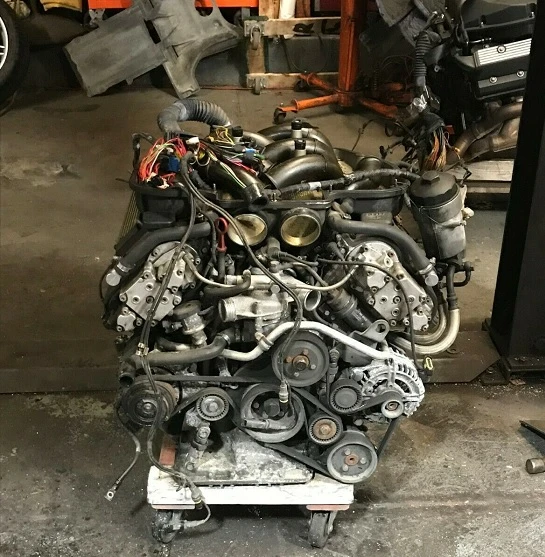
One reason many automotive enthusiasts embark on sourcing parts from Japan is the underlying build philosophy that has shaped many Japanese engines. By focusing on lighter weight, high revving designs, variable valve timing, efficient turbocharging, and high reliability, many Japanese engines enjoy solid reputations. Further, because the domestic market in Japan often imposes more frequent inspections, vehicles and components may be maintained or changed earlier, meaning supply of usable engines is often good.
Moreover, the term JDM evokes a certain style and engineering pedigree: the idea of a genuine Japanese spec engine or part that hasn’t been modified or mismatched heavily, offering authenticity for a project car, restoration, or performance build.
Whether you’re hunting for a reliable replacement engine, seeking a high-performance swap candidate, or piecing together a parts inventory for a restoration, sourcing from the Japanese domestic market offers attractive possibilities. The key is doing your homework: verifying condition, confirming compatibility, understanding import procedures, and budgeting for adaptation or installation. When done with diligence, buyers can access rare units, strong build quality, and unique specification components that may not be easily available in other markets.
If you’re considering diving into this market and exploring engines and parts for sale in Japan, keep these considerations in mind and approach each transaction with clarity and caution.






























Sign in to leave a comment.