San Francisco is a city known for its historic architecture, high-rise buildings, and cutting-edge tech infrastructure. But even in this sophisticated urban environment, power outages and fire protection system failures remain real concerns—especially in an area prone to earthquakes, aging electrical systems, and dense urban development.
When these critical systems go offline—whether due to a planned utility shutdown, sudden failure, or maintenance work—property owners and managers must act quickly to remain compliant with fire codes and, more importantly, to protect lives and property. This is where San Francisco fire watch during outages become not only necessary, but legally mandated.
In this article, we’ll explore why fire watch is essential during system outages, what San Francisco codes require, and how property managers and business owners can stay protected and compliant.
Understanding Fire Watch Services
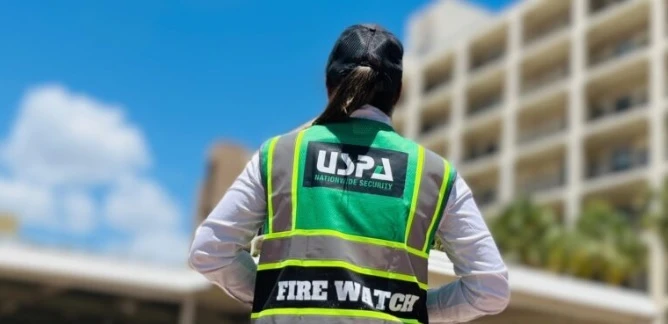
Fire watch is a temporary solution implemented when fire alarm systems, sprinklers, or other suppression systems are disabled or offline. Fire watch personnel patrol the premises continuously, monitoring for signs of smoke, fire, or hazardous conditions. They are also trained to initiate evacuation and notify emergency services immediately.
Fire watch may be required in San Francisco under the following circumstances:
- Planned electrical outages (e.g., PG&E shutdowns)
- Fire alarm or sprinkler system maintenance
- Post-fire equipment damage
- System upgrades or construction work
- Natural disaster-related outages (e.g., earthquakes)
In all of these situations, the San Francisco Fire Department (SFFD) requires a qualified fire watch to be in place until full system functionality is restored.
Why Is Fire Watch Critical in San Francisco?
San Francisco presents a unique set of challenges when it comes to fire safety:
1. Dense Population and Vertical Living
High-rise condos, multi-unit buildings, and office towers demand extra vigilance during outages. A fire in a dense urban area can spread quickly and endanger many lives.
2. Historic and Aging Infrastructure
Many buildings in neighborhoods like the Mission, Nob Hill, and the Tenderloin are decades (or centuries) old. Fire safety systems in these structures are often under continuous maintenance or retrofitting.
3. PG&E Power Shutoffs and Brownouts
In response to wildfire threats, PG&E occasionally initiates Public Safety Power Shutoffs (PSPS), even in urban areas. These blackouts can disable alarm panels, elevators, lighting, and fire suppression systems.
4. Seismic Activity
San Francisco’s location along the San Andreas Fault means that earthquakes can damage infrastructure or cause temporary utility failures, including water pressure needed for sprinklers.
Given these factors, fire watch during outages is not just about meeting code—it’s about protecting communities and avoiding catastrophe.
What Fire Watch Guards Do During Outages
During an outage, fire watch guards serve as the building’s eyes and ears. Their duties typically include:
- Conducting patrols every 30 minutes across all affected areas
- Checking for visible fire hazards (e.g., exposed wiring, hot work, flammable materials)
- Ensuring that emergency exits and hallways remain clear
- Documenting patrols in detailed fire watch logs
- Carrying two-way radios or phones to call 911 in case of emergency
- Guiding residents, tenants, or visitors in the event of evacuation
In many cases, guards must remain on-site 24/7 until the alarm or suppression system is fully restored and approved by SFFD inspectors.
San Francisco Fire Code Compliance
San Francisco, like all California cities, follows the California Fire Code (CFC) along with local amendments. If a fire protection system is out of service for more than four hours in a 24-hour period, the building owner is required to implement fire watch procedures immediately.
Failure to do so can result in:
- Fines from the Fire Department
- Forced evacuation or closure of the building
- Legal liability in the event of an incident
- Insurance policy violations
To avoid these issues, property owners must either provide their own trained fire watch staff (rare) or hire a licensed private security company that offers professional fire watch services.
Choosing the Right Fire Watch Provider in San Francisco
When selecting a fire watch company during outages, look for the following:
- California state licensing and full insurance coverage
- Guards trained specifically in fire watch protocol
- Rapid deployment, ideally within 1–2 hours of request
- Experience with San Francisco Fire Department procedures
- Transparent pricing and clear communication
- Familiarity with multi-unit residential buildings, commercial spaces, and high-rises
Reliable fire watch providers work hand-in-hand with building managers and city officials to ensure a seamless, compliant, and safe solution.
Final Thoughts: Prepare Now, Not Later
Fire protection system outages in San Francisco are more than an inconvenience—they’re a risk to public safety, a legal liability, and a logistical headache for property managers and business owners. Having a fire watch plan in place before an outage occurs can save you from costly fines, insurance issues, or worse.
By partnering with a professional, licensed fire watch service in San Francisco, you ensure that your property stays protected, your tenants remain safe, and your operations continue smoothly—even when the alarms go silent.
Contact Us
3753 Howard Hughes Pkwy Ste 200
Las Vegas, NV 89169
800-214-1448






















Sign in to leave a comment.