

In the competitive online landscape, a website’s design can make or break its success. User Experience (UX) and User Interface (UI) design are the driving forces behind captivating and engaging websites. By implementing effective strategies, you can transform your website’s UX/UI from bland to brilliant, leaving a lasting impression on your visitors. In this guide, we will explore the key principles, actionable tips, and proven techniques to enhance your website’s UX/UI and create an unforgettable user experience.
1. Understanding the Power of UX and UI Design
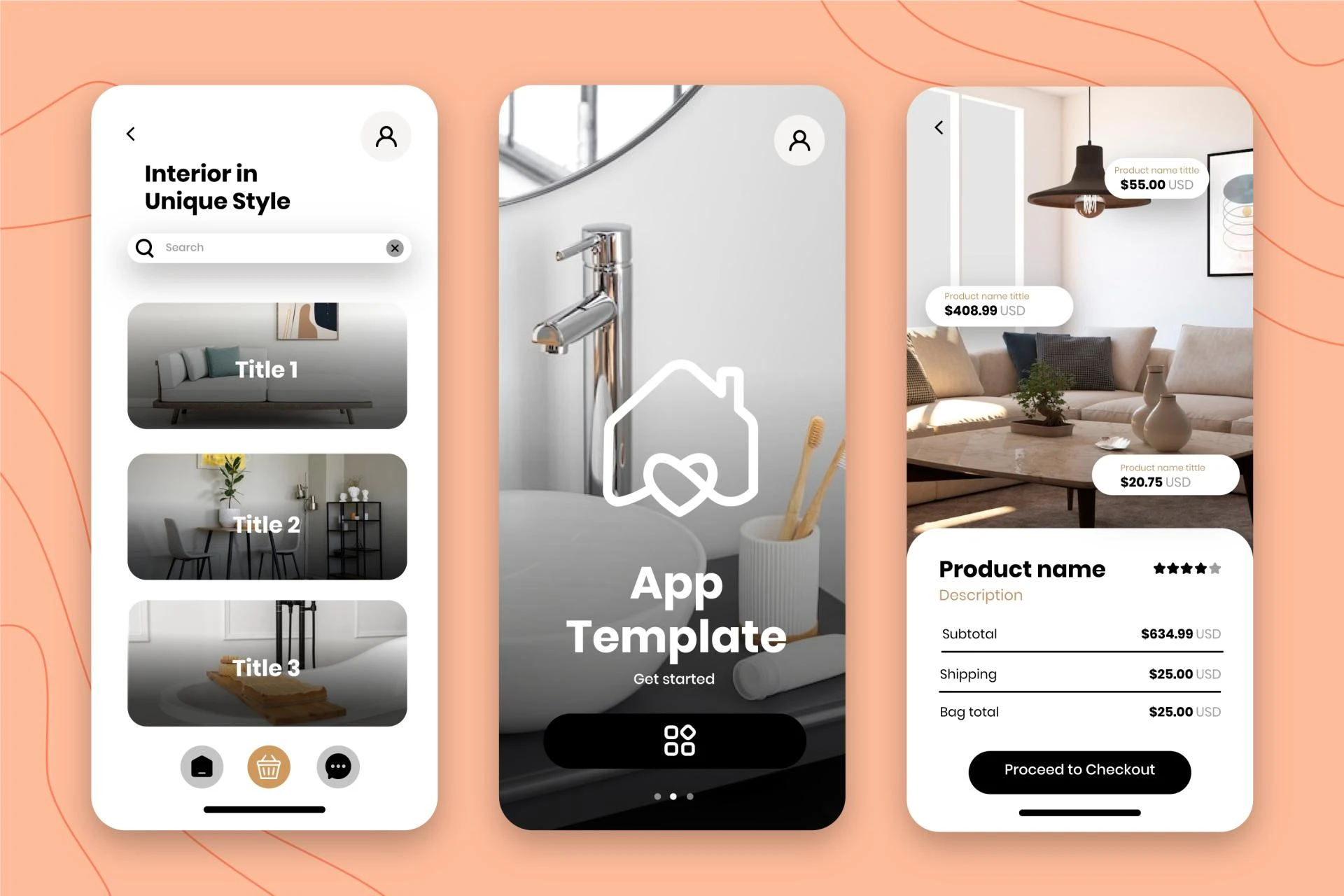
UX and UI design are the foundation of a remarkable website. User Experience (UX) focuses on creating a seamless and enjoyable journey for users, while User Interface (UI) encompasses the visual and interactive elements that facilitate that experience. By leveraging the power of UX/UI design, you can create a website that wows your visitors and keeps them coming back for more.
2. User-Centric Design: Know Your Audience
To create a website that resonates with your audience, it’s crucial to understand their needs and preferences. Conduct thorough research to gain insights into your target audience’s demographics, behaviors, and goals. Use this knowledge to inform your design decisions, ensuring that your website caters to their specific needs. By putting your users at the center of the design process, you can create a website that truly speaks to them.
3. Simplify Navigation: Make it Intuitive
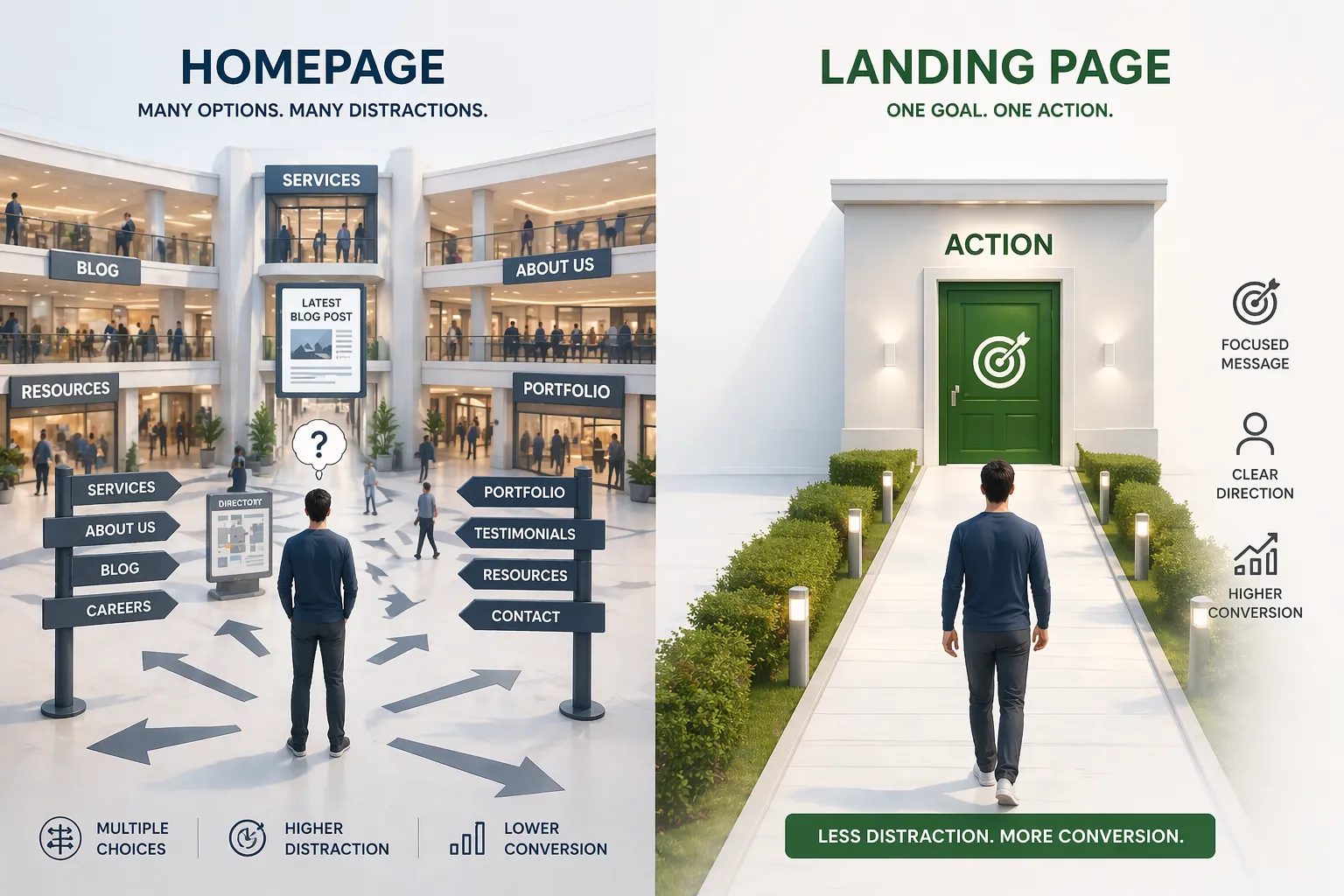
Complex and confusing navigation can drive users away. Streamline your website’s navigation by organizing content logically and using clear labels. Implement a user-friendly menu structure that allows visitors to find information effortlessly. Utilize breadcrumb trails and search functionality to further enhance navigation. By simplifying navigation, you provide a smooth and intuitive user experience.
4. Responsive Design: Adapt to Different Devices
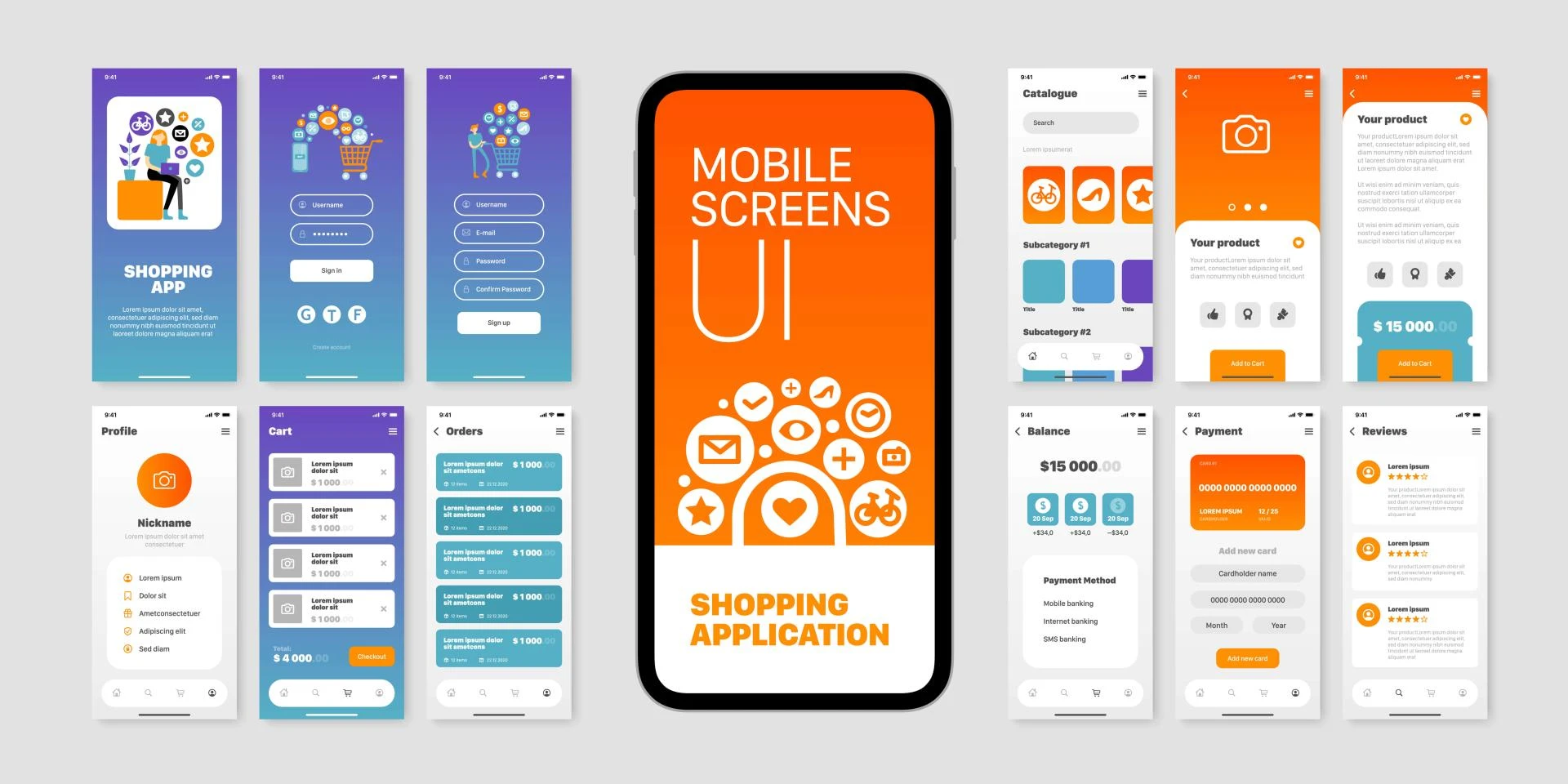
With the increasing use of mobile devices, responsive design is essential. Ensure that your website is optimized for various screen sizes and resolutions, providing a seamless experience across devices. Responsive design not only improves user satisfaction but also boosts your search engine rankings. By adapting to different devices, you can wow your visitors with a consistent and visually appealing experience.
5. Visual Appeal: Capture Attention with Stunning Design
Aesthetics play a vital role in UX/UI design. Use visually appealing elements, such as high-quality images, engaging graphics, and well-chosen color schemes, to create an attractive website. Pay attention to typography, ensuring readability and consistency throughout your website. By investing in visually stunning design, you can captivate your visitors and create a memorable user experience.
6. Consistency is Key: Build Trust and Familiarity
Consistency is crucial for a cohesive user experience. Maintain a consistent design language, including fonts, colors, and styles, throughout your website. This creates a sense of trust and familiarity for your visitors. Consistency also extends to content, ensuring a uniform tone and messaging. By prioritizing consistency, you establish a strong brand identity and make your website more memorable.
7. Accessibility: Inclusive Design for All
Accessibility should be a top priority in UX/UI design. Ensure that your website is accessible to users with disabilities by implementing features such as alt tags for images, captions for videos, and keyboard-friendly navigation. Make your content readable with proper color contrast and typography choices. By embracing inclusive design, you create a website that caters to all users, enhancing the overall user experience.
8. Speed Optimization: Make it Lightning Fast
Website speed is crucial for user satisfaction and search engine rankings. Optimize your website’s loading time by optimizing images, minifying code, and leveraging caching techniques. Users expect fast-loading pages, and search engines prioritize faster websites. By improving speed, you
create a seamless browsing experience that wows your visitors and keeps them engaged.
9. Usability Testing: Refining the Experience
Usability testing allows you to gather valuable feedback and make data-driven improvements to your website’s UX/UI design. Conduct tests with real users to identify pain points, usability issues, and areas for improvement. Analyze the data and make iterative changes to enhance the overall user experience. By continuously refining your design based on user feedback, you can transform your website from bland to brilliant.
10. Continuous Evolution: Stay Ahead of the Curve
UX/UI design is an ongoing process that requires continuous evolution. Monitor user behavior, gather data, and analyze website metrics to identify opportunities for improvement. Stay updated with the latest design trends and industry best practices to ensure your website remains cutting-edge. By embracing continuous evolution, you can stay ahead of your competitors and consistently wow your visitors.
Conclusion:
Transforming your website’s UX/UI from bland to brilliant is an exhilarating journey. By understanding the power of UX and UI design, focusing on user-centricity, simplifying navigation, embracing responsive design, and capturing attention with stunning visuals, you can create an extraordinary user experience. Consistency, accessibility, speed optimization, usability testing, and continuous evolution further contribute to wowing your visitors. By implementing these proven strategies, your website will stand out, captivate users, and leave a lasting impression.
Contact us for — Product Design & Web Design































Sign in to leave a comment.