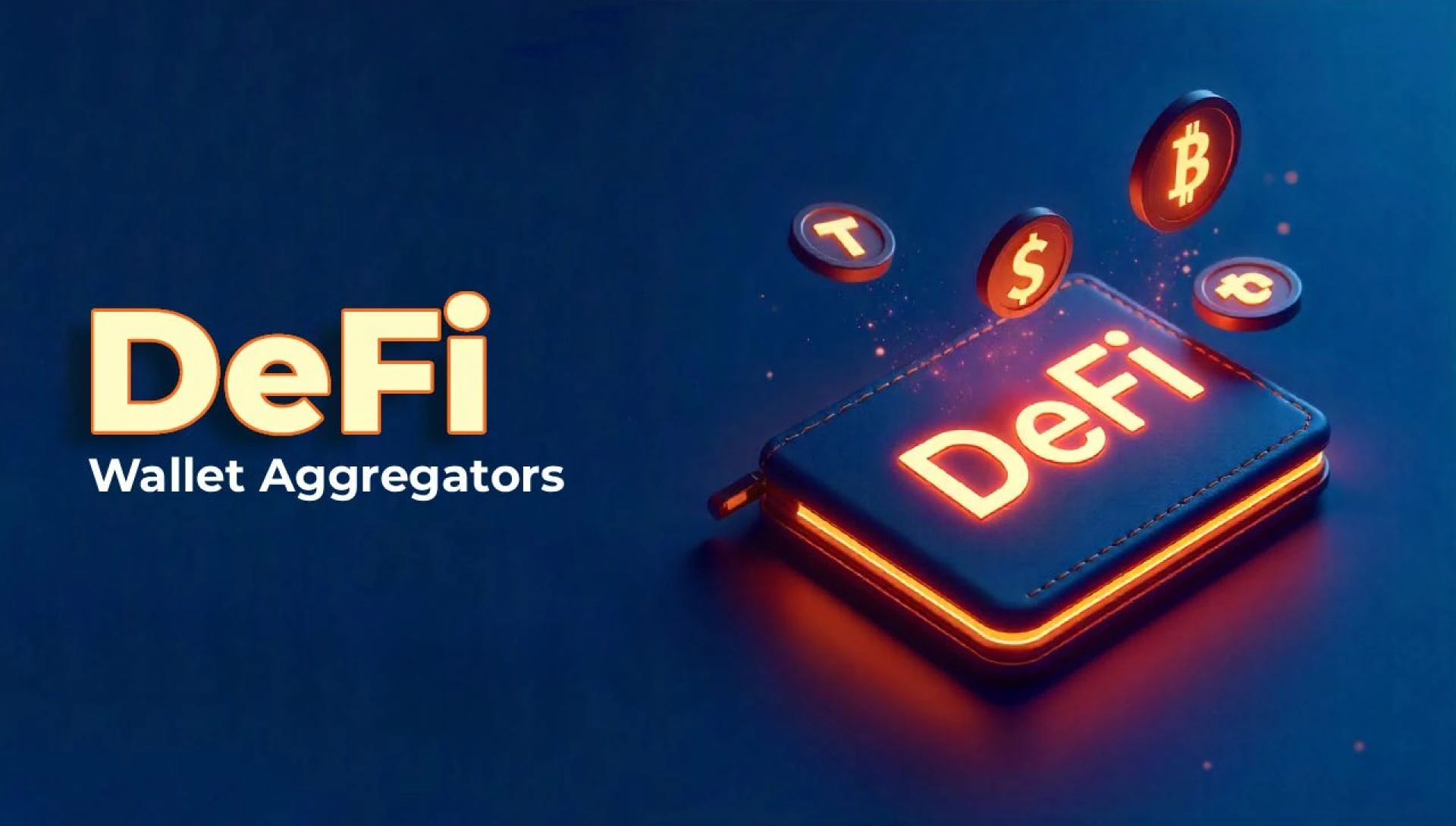
The Web3 ecosystem is expanding at lightning speed, with new blockchains, tokens, and decentralized applications (dApps) emerging almost daily. While this growth fuels innovation, it also introduces complexity for users who hold assets across multiple blockchains. Managing several wallets, tracking tokens, and navigating different interfaces can quickly become overwhelming. Wallet Aggregators offer a solution by consolidating these fragmented experiences into a single, user-friendly platform.
The Challenge of Multi-Chain Asset Management
As users diversify across ecosystems like Ethereum, Solana, Polygon, and Avalanche, they often face challenges such as:
- Fragmented Portfolios: Assets scattered across different wallets and blockchains are difficult to track.
- Multiple Interfaces: Switching between wallets for each blockchain adds friction.
- Security Risks: Managing several private keys increases the likelihood of mistakes and vulnerabilities.
Without a unified solution, even experienced Web3 users struggle to manage assets efficiently. This is where Wallet Aggregators come in.
What Are Wallet Aggregators?
Wallet Aggregators are platforms designed to integrate multiple blockchain wallets into one interface. They allow users to view, manage, and transact with all their assets—regardless of the chain—without the need to constantly switch tools.
Think of Wallet Aggregators as the “command center” of Web3. Instead of logging into different wallets for Ethereum, Binance Smart Chain, or Polygon, users can access everything in a single dashboard. This not only saves time but also enhances security and usability.
How Wallet Aggregators Simplify Multi-Chain Management
Wallet Aggregators are transforming the way users handle digital assets by:
- Unified Portfolio View: Offering a complete overview of tokens, NFTs, and DeFi positions across multiple chains in one place.
- Seamless Transactions: Enabling cross-chain transfers and asset swaps directly through the aggregator.
- Simplified Authentication: Reducing the need to manage multiple private keys by streamlining access through secure methods like multi-factor authentication.
- Gas Fee Optimization: Some Wallet Aggregators can even find the most cost-effective routes for transactions, saving users time and money.
By addressing these pain points, Wallet Aggregators turn the chaos of multi-chain activity into clarity and efficiency.
Benefits for Users
For everyday users, Wallet Aggregators offer several key advantages:
- Convenience: Everything from NFTs to tokens can be managed from a single interface.
- Improved Security: With fewer wallets to juggle, the risk of mismanaging private keys or falling for phishing attacks decreases.
- Time Savings: Faster transactions and simplified asset tracking free users from repetitive processes.
This streamlined experience encourages broader participation in Web3 by lowering the technical barriers that often discourage new users.
Benefits for Developers and Ecosystems
It’s not just users who benefit from Wallet Aggregators. Developers and platforms also gain by:
- Wider Reach: dApps integrated with Wallet Aggregators can attract users from multiple chains.
- Higher Retention: A smoother onboarding experience reduces user drop-off.
- Focus on Innovation: Developers can prioritize building unique features instead of worrying about wallet compatibility.
In this way, Wallet Aggregators strengthen the entire Web3 ecosystem by promoting inclusivity and interoperability.
The Future of Wallet Aggregators
As the number of blockchains and dApps continues to grow, the role of Wallet Aggregators will become increasingly central. They are positioned to act as the “super apps” of Web3, providing not just asset management but also integrated access to DeFi, NFTs, gaming, and cross-border payments.
With interoperability at the heart of Web3’s future, Wallet Aggregators are set to be the driving force behind mainstream adoption.
Conclusion
The rapid expansion of Web3 has introduced both opportunities and complexities. Managing assets across multiple blockchains can feel chaotic, but Wallet Aggregators bring clarity by unifying access, enhancing security, and simplifying multi-chain management. As these tools evolve, they will play a vital role in making Web3 more accessible, efficient, and user-friendly, unlocking the next wave of decentralized innovation.


























Sign in to leave a comment.