Vision correction has entered a new phase. For years, LASIK was the leading option for people who wanted freedom from glasses and contact lenses.
It offered fast results and a simple process. Today, new technologies are expanding what is possible. Patients now have more choices, more control, and better outcomes.
In 2026, vision correction is no longer limited to one method. It is a mix of advanced tools, personalized care, and flexible treatments. Understanding this shift can help patients make better decisions about their eye health.
The Evolution of Vision Correction
The journey of vision correction has been shaped by innovation. Early solutions relied on glasses and contact lenses. These helped improve sight but did not fix the root problem.
Laser procedures like LASIK changed that. They allowed doctors to reshape the cornea and correct vision at its source. This was a major step forward.
Now, the focus has moved toward customization. Patients want treatments that match their lifestyle and preferences. This demand has led to new solutions that go beyond traditional methods.
Exploring modern vision correction insights and treatments shows how the field has grown. From improved lasers to advanced lens systems, the options available today are more precise than ever.
LASIK: Still a Strong Option
LASIK remains one of the most popular procedures. It is quick, safe, and effective for many patients. Most people notice clear vision within a short time.
The procedure works by reshaping the cornea using a laser. This helps light focus properly on the retina. Recovery is usually fast, and discomfort is minimal.
However, LASIK has its limits. The results are based on measurements taken before surgery. Once the procedure is complete, adjustments are not easily made.
For many patients, LASIK is still the right choice. It offers convenience and proven results. But for those who want more flexibility, newer options may be worth exploring.
The Rise of Adjustable Lens Technology
One of the biggest advancements in vision correction is adjustable lens technology. These lenses are placed inside the eye during surgery. After the eye heals, doctors can adjust the lens using controlled light.
This allows patients to fine-tune their vision over time. Instead of relying on a single outcome, they can test and refine their results.
Learning inside the light adjustable lens technology helps explain why this approach is gaining popularity. It reduces guesswork and improves accuracy. Patients can experience their vision in real life and request changes before the result is finalized.
This level of control is changing how people think about eye surgery. It turns a one-time procedure into a guided process.
Comparing Traditional and Modern Approaches
The difference between older and newer methods is clear. Traditional procedures focus on fixed outcomes. Doctors make decisions before surgery, and the results are set once the procedure is done.
Modern approaches add flexibility. They allow adjustments after surgery, which leads to better precision. Patients can be more involved in the process.
When comparing LASIK vs new vision correction technologies, it becomes clear that each has its place. LASIK offers speed and simplicity. New technologies offer customization and control.
The best choice depends on the patient’s needs. Some people value quick recovery, while others prefer the ability to adjust their results.
Benefits of New Vision Correction Methods
New technologies bring several advantages. The most important is accuracy. Adjustments allow doctors to correct small issues that may appear after surgery.
Another benefit is personalization. Treatments can be tailored to match each patient’s lifestyle. This leads to better satisfaction and long-term results.
Patients also feel more confident. Knowing that changes can be made reduces stress and uncertainty. This improves the overall experience.
In addition, modern methods can address a wider range of vision problems. This makes them suitable for more patients.
The Role of Technology in 2026
Technology is the driving force behind these changes. Advanced imaging systems provide detailed maps of the eye. This helps doctors plan treatments with greater precision.
Laser systems have also improved. They are faster and more accurate than ever before. This reduces risk and speeds up recovery.
Artificial intelligence is starting to play a role as well. It can analyze data and suggest the best treatment options. This adds another layer of accuracy to the process.
These tools are making vision correction safer and more effective. They also improve the patient experience by making procedures more predictable.
What Patients Should Consider?
Choosing the right vision correction method requires careful thought. Patients should consider their eye health, lifestyle, and long-term goals.
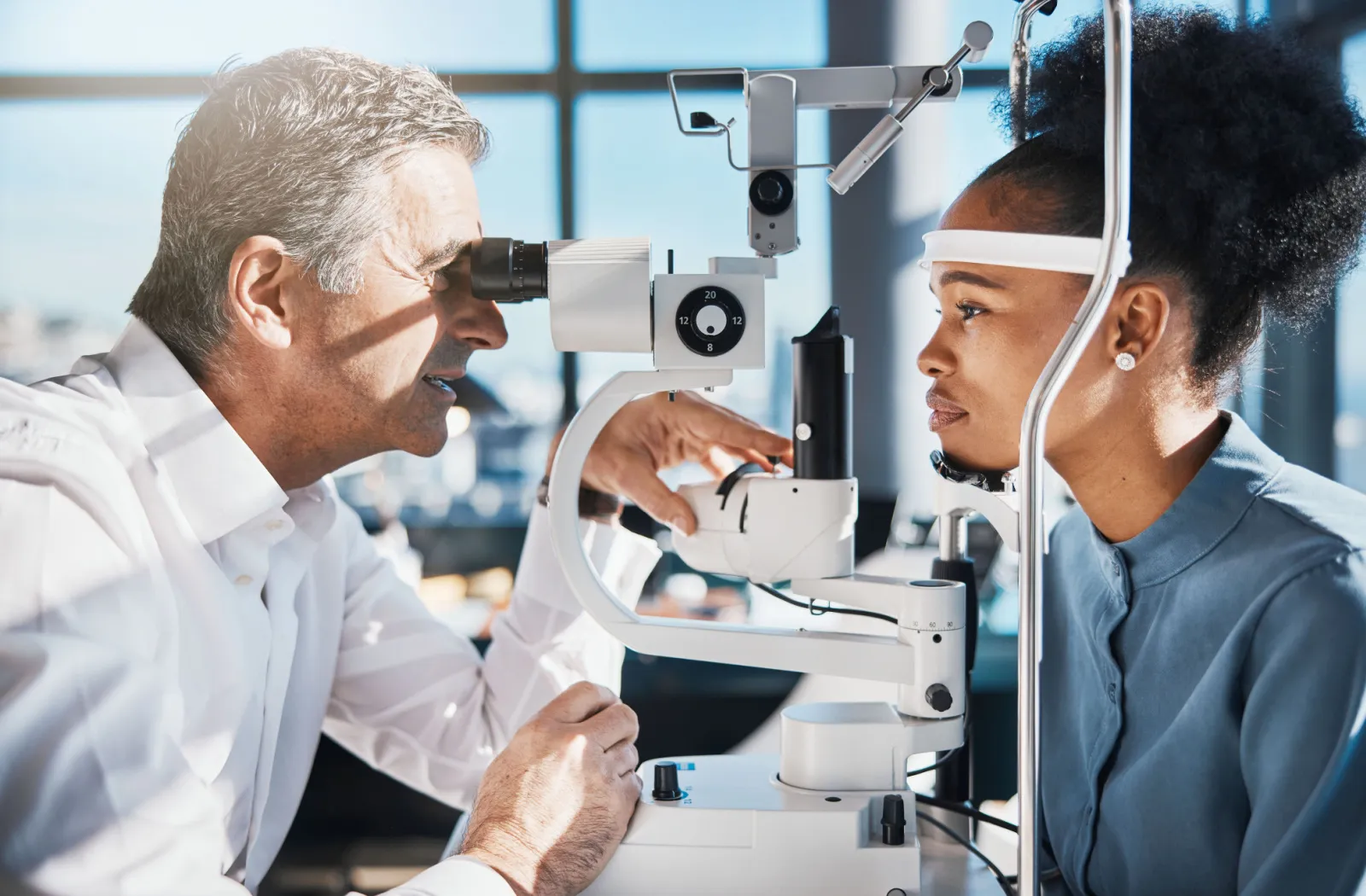
A detailed consultation is essential. Doctors can evaluate the eyes and recommend the best option. This ensures that the chosen treatment is safe and effective.
Cost is another factor. While newer technologies may have higher upfront costs, they can offer better long-term value.
Patients should also think about recovery time and level of involvement. Some procedures require more follow-up visits, but they may provide better results.
The Future of Vision Correction
The future of vision correction looks promising. Researchers are working on even more advanced solutions. These may include faster adjustments, improved lenses, and smarter systems.
The trend toward personalization will continue. Patients will have more control over their results. This will lead to higher satisfaction and better outcomes.
As technology evolves, access to these treatments will also improve. More clinics will offer advanced options, making them available to a wider audience.
Final Thoughts
Vision correction in 2026 is more advanced than ever. From LASIK to adjustable lenses, patients have access to a wide range of options. Each method offers unique benefits, and the best choice depends on individual needs.
Modern technology has made treatments more precise and flexible. Patients can now achieve clear vision with greater confidence.
If you are considering vision correction, take the time to explore your options. With the right guidance, you can find a solution that fits your life and delivers lasting results.


























Sign in to leave a comment.