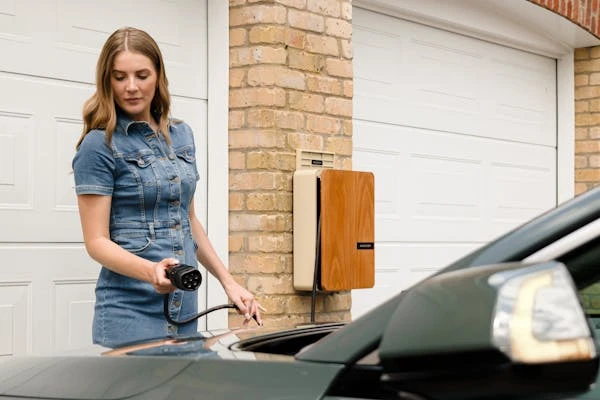

As electric vehicles (EVs) become increasingly popular, installing a reliable Home EV Charger is one of the most practical upgrades a homeowner can make. It ensures convenience, speed, and cost-efficiency compared to public charging stations. If you're planning to join the EV revolution or already own an EV, understanding the benefits and features of a home charging system is essential.
Why Choose a Home EV Charger?
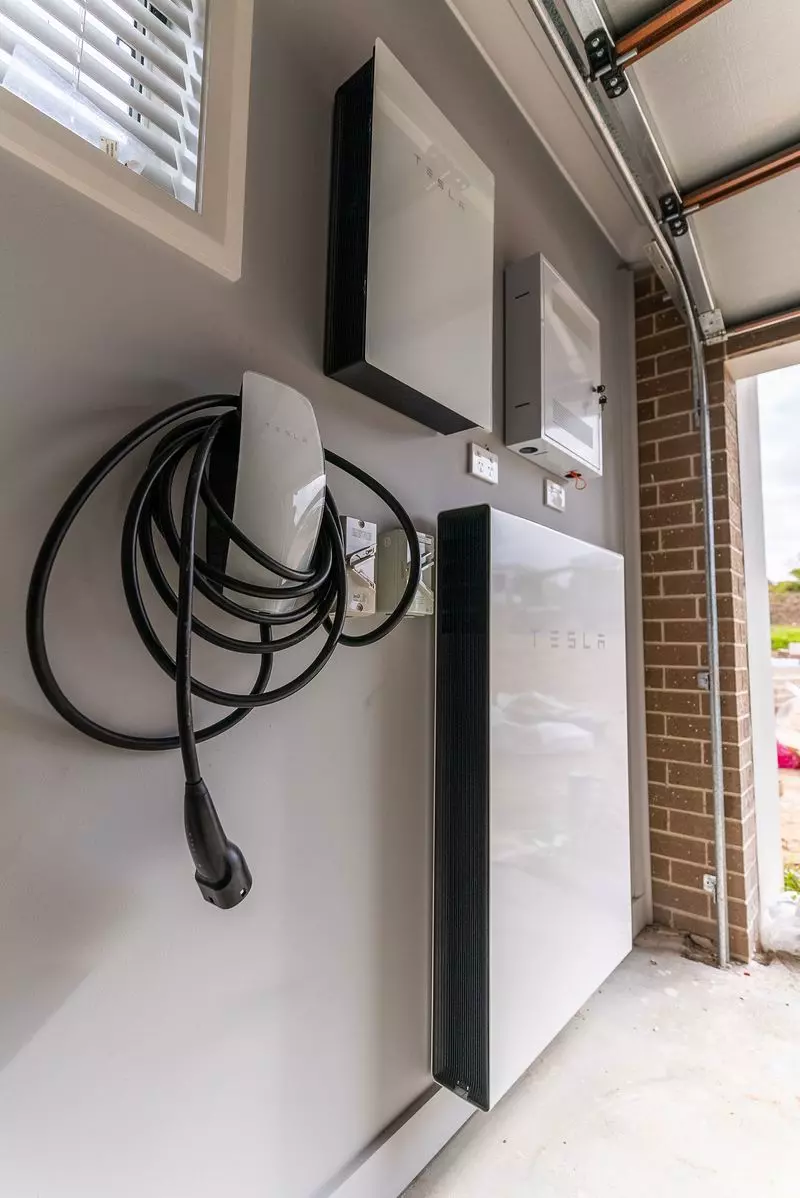
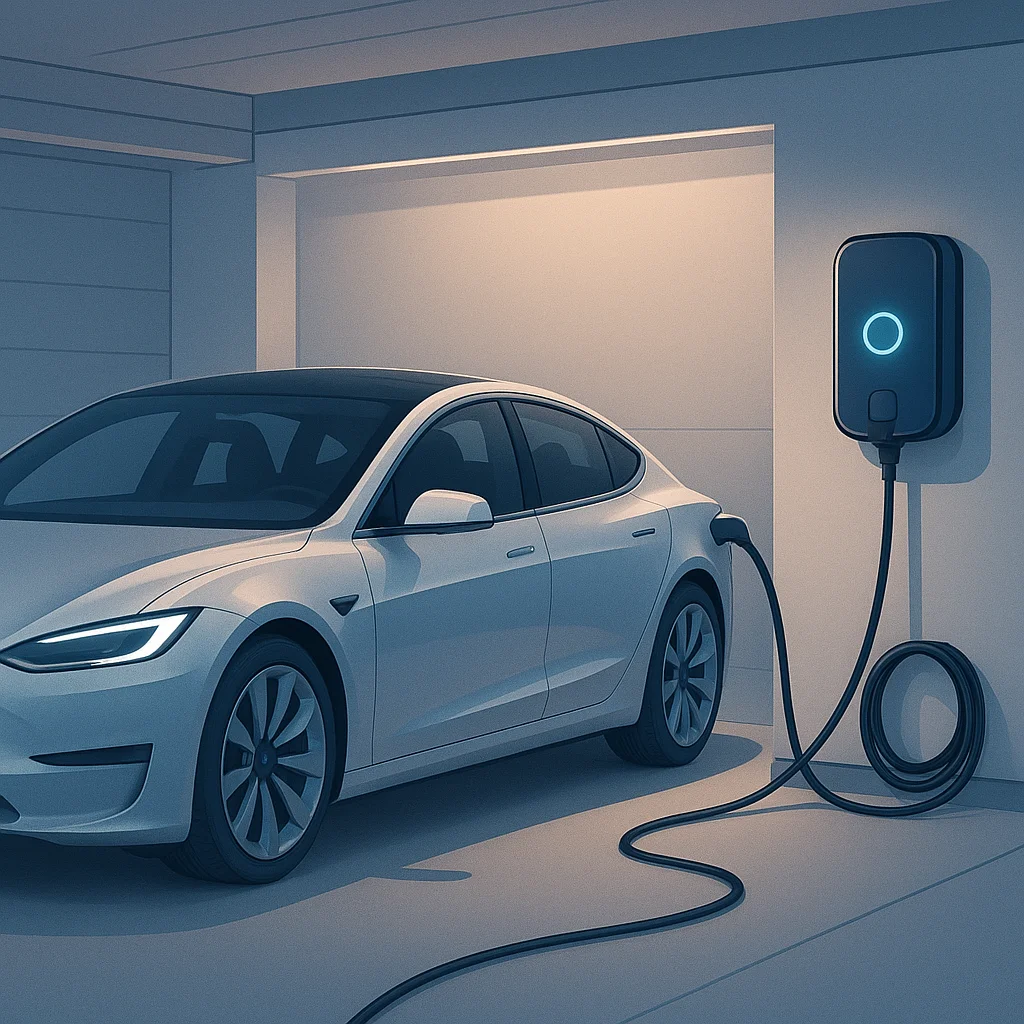
A Home EV Charger offers far more than just plugging your car into a wall socket. It provides faster charging times, better safety features, and the ability to schedule or monitor charging through smart features.
Benefits of installing a Home EV Charger:
- ✅ Faster Charging: Level 2 chargers can charge your EV 3 to 7 times faster than standard outlets.
- ✅ Cost Efficiency: Charging at home is typically cheaper per kWh compared to public EV chargers.
- ✅ Convenience: No more waiting in lines or detouring to a charging station.
- ✅ Smart Controls: Some chargers offer apps to schedule charging when electricity rates are lowest.
- ✅ Increase in Property Value: EV infrastructure is increasingly valued in real estate markets.
Key Features to Look For
When choosing a Home EV Charger, consider the following features:
- ⚡ Charging Speed: Most EVs work well with 32- to 40-amp chargers.
- 📱 Smart Capabilities: Wi-Fi or Bluetooth connectivity for mobile monitoring and control.
- 🛡️ Safety Certifications: Look for UL or Energy Star certifications.
- 🌧️ Weather Resistance: Especially important for outdoor installations.
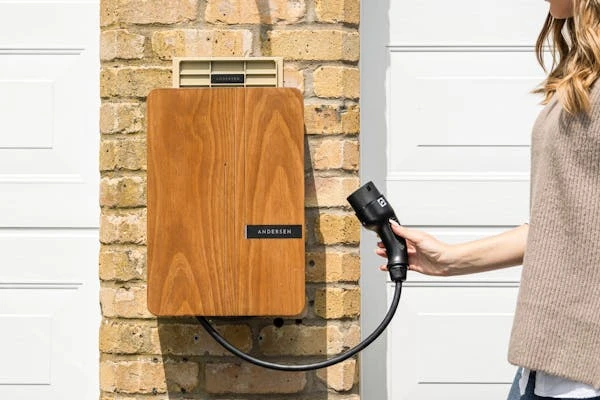
- 🔌 Plug-In vs. Hardwired: Plug-in options offer flexibility, while hardwired ones may be more secure.
Frequently Asked Questions (FAQ)
Q1: Can I install a Home EV Charger myself?
A: It’s best to hire a licensed electrician. Installation involves high-voltage connections that require proper safety measures and potentially permits.
Q2: How long does it take to charge an EV at home?
A: With a Level 2 charger, most EVs can be fully charged in 4 to 10 hours depending on the vehicle's battery size.
Q3: Are all EV Chargers compatible with every electric car?
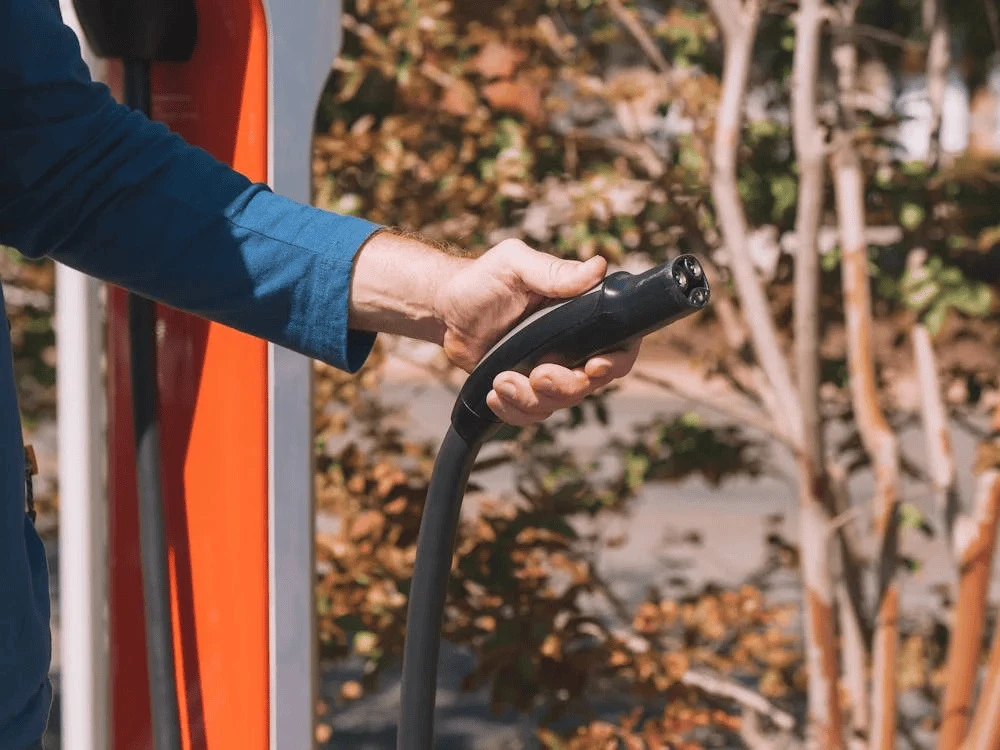
A: Most chargers use a standard J1772 plug, which works with the majority of EVs in North America. Tesla requires an adapter, which is usually included with the vehicle.
Q4: Is it safe to leave the charger plugged in overnight?
A: Yes, modern chargers are designed with built-in safety features to prevent overcharging and electrical hazards.
Testimonial
🗣️ "Installing a home EV charger was one of the best decisions I made after buying my electric car. It's super convenient and I’ve already noticed the savings. I charge overnight and never worry about finding a public station again."
— Melissa R., Denver, CO
Conclusion
A Home EV Charger is an investment that enhances your electric vehicle ownership experience by offering unmatched convenience, control, and efficiency. Whether you're new to the EV world or looking to upgrade your current setup, installing a home charging station is a smart move for the future.

























Sign in to leave a comment.