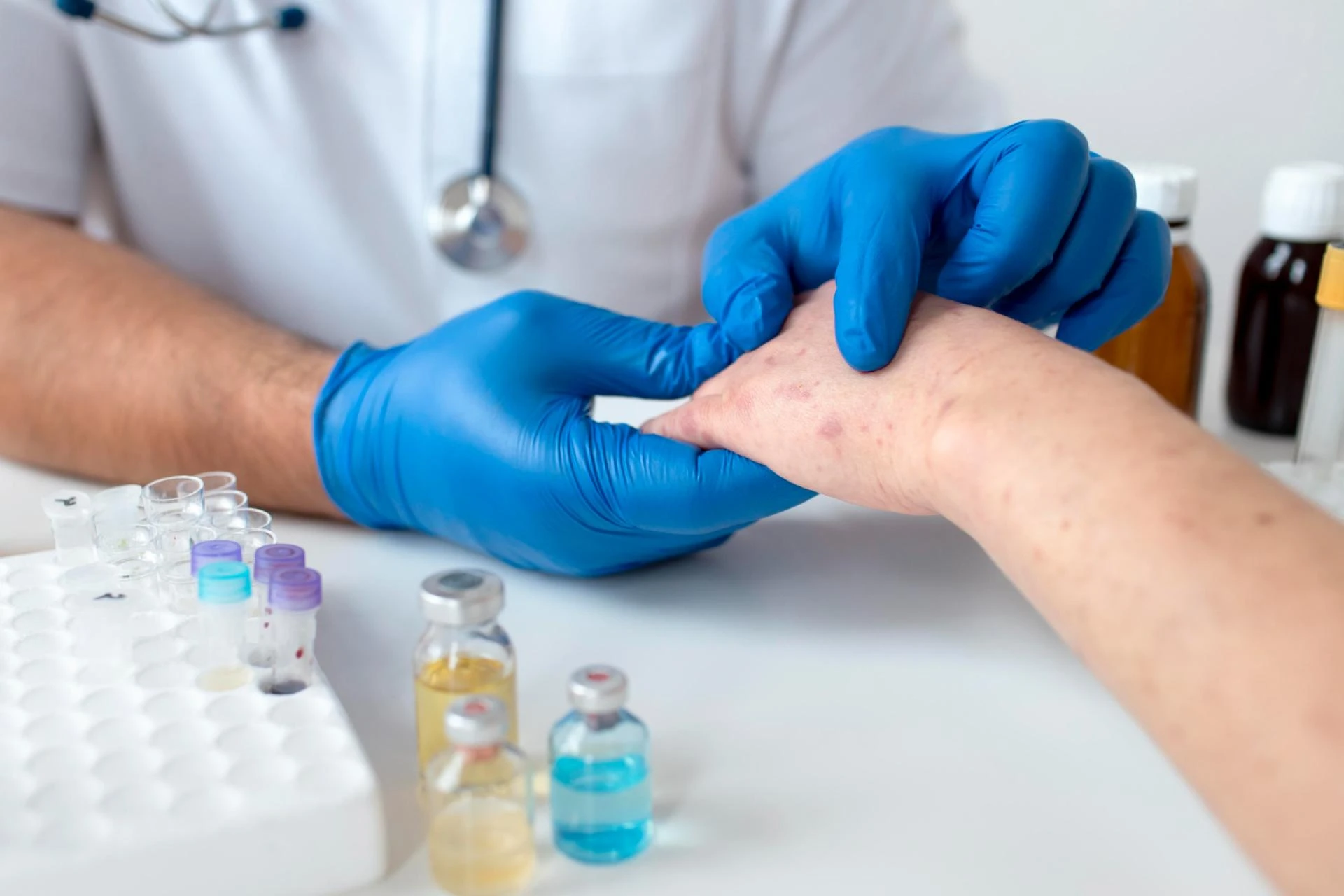
Understanding the Growing Challenge of Lyme Disease in the UK
In recent years, Lyme disease has become one of the most talked-about tick-borne infections in the UK. Once thought to be confined to rural areas, it is now recognised as a growing public health concern across England — including urban regions such as London and the South East.
Lyme disease is caused by the bacterium Borrelia burgdorferi, transmitted through the bite of an infected tick. While a tick bite may seem insignificant at first, the infection can progress into a serious, multisystem illness if left untreated.
This is where a specialist Lyme disease clinic in London plays a vital role. Clinics such as Levitas Clinic London combine medical expertise, advanced diagnostic tools, and integrative treatment approaches to help patients recover from both acute and chronic forms of the disease.
What Is Lyme Disease?
Lyme disease is an infection that affects multiple organs, including the skin, joints, nervous system, and heart. It often begins with a characteristic circular rash known as erythema migrans, but not everyone experiences this early sign. In fact, many patients never recall a tick bite at all.
The condition progresses through different stages:
- Early Localised Infection – Occurs days or weeks after the tick bite, typically presenting with rash, fatigue, fever, and body aches.
- Early Disseminated Infection – Bacteria spread through the bloodstream, leading to neurological or cardiac symptoms.
- Late or Chronic Infection – Months or years later, untreated infection can cause arthritis, nerve pain, fatigue, cognitive difficulties, and chronic inflammation.
Because the symptoms mimic many other conditions, such as chronic fatigue syndrome or fibromyalgia, accurate diagnosis is essential — something a dedicated Lyme disease clinic London can provide.
Why Londoners Are Seeking Specialist Lyme Disease Clinics
With international travel, increased outdoor activities, and climate change expanding tick habitats, Lyme disease is no longer a rare occurrence. Many patients experience months or years of misdiagnosis before identifying the true cause of their symptoms.
In London, this has led to a growing demand for specialist clinics that go beyond standard GP assessments. A Lyme disease clinic in London offers comprehensive testing, in-depth consultations, and advanced therapies that address the root cause of infection rather than just suppressing symptoms.
Some reasons people choose a dedicated Lyme clinic include:
- Persistent fatigue, muscle pain, or brain fog after tick exposure
- Unexplained neurological or immune issues
- Limited results from conventional antibiotic treatments
- Desire for a holistic and medically guided recovery plan
The Role of a Lyme Disease Clinic in Diagnosis
1. Comprehensive Medical Assessment
At a professional Lyme disease clinic London, diagnosis starts with a detailed consultation. Doctors take time to review your full medical history, lifestyle, possible tick exposures, and existing symptoms. This step helps build a clear timeline of your illness and identify whether Lyme or another tick-borne pathogen could be responsible.
2. Advanced Laboratory Testing
Traditional blood tests offered through the NHS often miss early or chronic infections due to low bacterial presence in the bloodstream. In contrast, specialist clinics use a broader range of diagnostic methods, which may include:
- ELISA and Western Blot tests for antibodies against Borrelia burgdorferi
- PCR testing to detect bacterial DNA directly
- Co-infection panels for other pathogens like Babesia, Bartonella, or Ehrlichia
- Immune system markers to assess inflammation and immune response
By combining clinical insight with advanced testing, clinics such as Levitas Clinic London improve diagnostic accuracy — a critical step in ensuring timely and effective treatment.
3. Ruling Out Similar Conditions
Because Lyme symptoms overlap with autoimmune, hormonal, and neurological disorders, an accurate diagnosis involves ruling out other possibilities. A Lyme clinic typically includes differential diagnostic evaluations, ensuring patients receive a precise and personalised medical picture.
Personalised Treatment Approaches for Lyme Disease
Every patient’s journey with Lyme disease is unique. The infection affects people differently based on immune health, length of infection, and co-infections. A Lyme disease clinic London focuses on individualised care that treats both the infection and the body’s response to it.
1. Antibiotic Therapy
Antibiotics remain the cornerstone of Lyme treatment, particularly in the early stages. Clinics often use a combination of oral and, in chronic cases, intravenous (IV) antibiotics to target bacteria hidden in tissues. Duration and dosage depend on clinical progress and laboratory findings.
2. Addressing Chronic and Post-Treatment Lyme
For patients who have persistent symptoms even after antibiotics, known as Post-Treatment Lyme Disease Syndrome (PTLDS) or chronic Lyme, treatment becomes more complex. A London Lyme disease clinic may recommend:
- Immune support therapies to restore balance
- Anti-inflammatory protocols to reduce pain and fatigue
- Mitochondrial and cellular health supplements
- Detoxification and liver support
- Targeted nutrition plans to rebuild energy and resilience
This integrative approach helps the body recover from both the infection and long-term immune dysregulation caused by it.
3. Intravenous (IV) Nutrient Therapy
Many clinics now incorporate IV nutrient infusions to boost the body’s healing capacity. These treatments deliver vitamins, minerals, and antioxidants directly into the bloodstream for faster absorption. Nutrients like vitamin C, glutathione, magnesium, and B-complex vitamins support immune function and detoxification pathways.
4. Functional Medicine and Holistic Support
Lyme disease affects the entire system — not just the site of infection. That’s why leading clinics integrate functional medicine principles to identify underlying imbalances such as gut dysbiosis, adrenal fatigue, and hormonal disruption.
Therapies may include:
- Gut microbiome restoration
- Hormonal and thyroid support
- Sleep and stress management
- Gentle exercise and rehabilitation plans
This holistic model treats the patient, not just the pathogen.
What to Expect at Your First Appointment
Visiting a Lyme disease clinic in London can feel both hopeful and overwhelming. Knowing what to expect helps you prepare mentally and physically for your journey to recovery.
Step 1: In-Depth Consultation
Your initial consultation involves a comprehensive review of symptoms, lifestyle, previous tests, and possible tick exposures. Doctors take time to listen to your full health story — something often missing in standard medical visits.
Step 2: Diagnostic Testing
After the consultation, your clinician will recommend specific laboratory tests. Some may require blood samples, while others involve advanced microbiological analysis. Results typically return within a few weeks.
Step 3: Personalised Treatment Plan
Once test results are available, your doctor designs a tailored plan based on infection stage, immune strength, and other factors. This may include a combination of medications, supplements, and supportive therapies.
Step 4: Ongoing Monitoring and Adjustment
Lyme treatment requires consistent follow-up. Clinics like Levitas Clinic London schedule regular reviews to track progress, adjust medications, and ensure you’re responding well to the treatment.
The Importance of Early Diagnosis
Early detection can make the difference between a short-term illness and a long-term chronic condition. In its early stages, Lyme disease responds well to antibiotics and lifestyle support. However, delayed or missed diagnosis allows the bacteria to penetrate deeper tissues, leading to complex systemic symptoms.
By seeking care at a dedicated Lyme disease clinic London, patients gain access to expert evaluation and treatment before irreversible damage occurs.
Chronic Lyme Disease: The Hidden Epidemic
One of the biggest challenges in Lyme care is recognising chronic infection. Many patients develop debilitating fatigue, joint pain, neurological issues, or mood changes years after an untreated tick bite. Because chronic Lyme mimics multiple conditions, it is often misdiagnosed as:
- Chronic fatigue syndrome
- Fibromyalgia
- Autoimmune disease
- Depression or anxiety disorders
Clinics specialising in Lyme disease understand these complexities. They use advanced biomarkers, imaging, and personalised medicine to identify lingering infection or immune dysfunction. The goal is not only to eliminate bacteria but also to restore health at a cellular and systemic level.
The Role of Lifestyle in Recovery
While medical therapy forms the foundation of treatment, lifestyle changes play an equally important role in recovery. Most Lyme disease clinics emphasise patient empowerment through education and daily self-care strategies.
Nutrition
A nutrient-dense, anti-inflammatory diet supports immune function and reduces oxidative stress. Patients are encouraged to consume whole foods, lean proteins, vegetables, and healthy fats while limiting processed foods and sugars.
Sleep
Quality rest allows the body to repair tissues and regulate the immune system. Maintaining consistent sleep patterns and managing insomnia are key parts of treatment.
Stress Management
Chronic stress suppresses immunity and worsens symptoms. Techniques such as mindfulness, meditation, and light exercise can aid healing.
Physical Activity
Low-impact movement such as yoga, walking, or swimming can help circulation, energy, and mood when done under medical supervision.
Why Choose a Specialist Lyme Disease Clinic in London?
London is home to some of the UK’s most advanced medical facilities and specialists. Choosing a dedicated clinic provides access to:
- Experienced Lyme disease doctors trained in infectious and functional medicine
- Comprehensive testing and treatment protocols unavailable in standard GP settings
- Integrated care combining antibiotics with nutritional, hormonal, and detox therapies
- Personalised patient follow-up to track long-term recovery
At Levitas Clinic London, each patient receives a fully customised plan tailored to their health profile, helping them regain strength and vitality safely and effectively.
Common Myths About Lyme Disease
“You can’t get Lyme disease in the UK.”
False. Tick populations are widespread across British parks, woodlands, and gardens — including areas around London.
“A rash always appears after a tick bite.”
Not necessarily. Many patients never develop a rash or notice the bite, yet still become infected.
“Lyme disease can always be treated with a short course of antibiotics.”
While early infection responds well to antibiotics, chronic cases often require longer or integrative treatment plans.
“If your blood test is negative, you don’t have Lyme disease.”
False negatives are common, especially in early or chronic infection. Clinical diagnosis remains crucial.
FAQs About Lyme Disease Clinics in London
1. What symptoms should make me visit a Lyme disease clinic?
If you experience fatigue, joint or muscle pain, headaches, memory issues, or neurological symptoms — especially after outdoor exposure — it’s best to consult a specialist clinic.
2. How is Lyme disease diagnosed?
Diagnosis combines clinical evaluation with advanced laboratory tests for Borrelia and co-infections.
3. Can chronic Lyme disease be cured?
With early and comprehensive treatment, many patients recover fully. Chronic cases can be managed effectively with a personalised plan addressing infection, immune function, and overall wellness.
4. How long does treatment take?
Treatment duration varies by stage and severity. Acute infections may resolve in weeks, while chronic cases can require months of integrative therapy and monitoring.
5. Is Lyme disease contagious?
No. Lyme disease cannot spread from person to person — it is transmitted only through infected ticks.
Conclusion: Taking Control of Your Recovery
Lyme disease can be a complex and frustrating condition, but with the right medical support, recovery is possible. A specialised Lyme disease clinic London offers the knowledge, diagnostic accuracy, and integrated care necessary to identify hidden infections and guide patients toward lasting wellness.
Clinics such as Levitas Clinic London combine advanced testing with holistic treatment, ensuring every aspect of your health is addressed. From accurate diagnosis to long-term management, their approach helps patients rebuild vitality, resilience, and peace of mind.
If you suspect Lyme disease or are struggling with unexplained chronic symptoms, seeking expert help today could be the first step toward restoring your health and quality of life.




























Sign in to leave a comment.