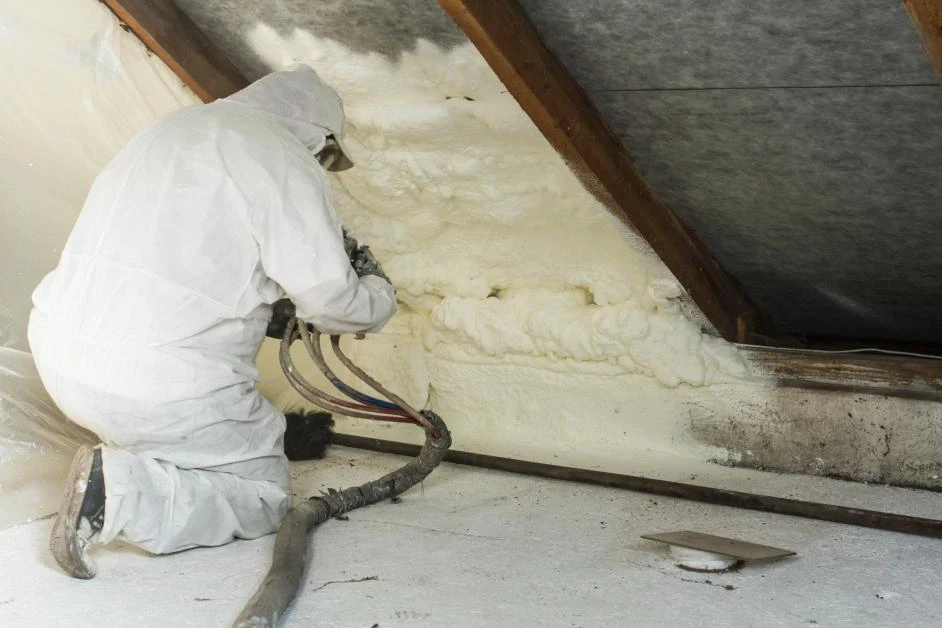

Spray foam insulation improves indoor comfort, energy performance, and air sealing quality in homes and commercial buildings across Plainfield, IL. A spray foam insulation company in Plainfield, IL brings technical experience, building science knowledge, and local climate awareness that DIY kits or general installers typically lack.
This article outlines how spray foam professionals support Plainfield homeowners, builders, and property managers with tailored solutions that reduce energy waste, protect building envelopes, and improve interior environments year-round.
Types of Spray Foam Used in Plainfield Homes and Businesses
Spray foam products fall into two main categories: open-cell and closed-cell foam. Each has specific applications and performance characteristics that suit different building needs.
Before recommending a solution, local spray foam insulation companies evaluate factors such as building age, humidity exposure, and target R-value.
Open-Cell Spray Foam
Open-cell foam is light and pliable. It expands significantly to fill gaps, making it suitable for soundproofing and insulating interior walls or attic rafters. It's often used when vapor barriers aren't needed.
Closed-Cell Spray Foam
Closed-cell foam provides higher R-values per inch, water resistance, and structural rigidity. It works well for exterior walls, crawlspaces, and basements. Many energy-conscious insulation projects in Plainfield use closed-cell foam to reduce HVAC demand.
Benefits of Hiring a Professional Insulation Team
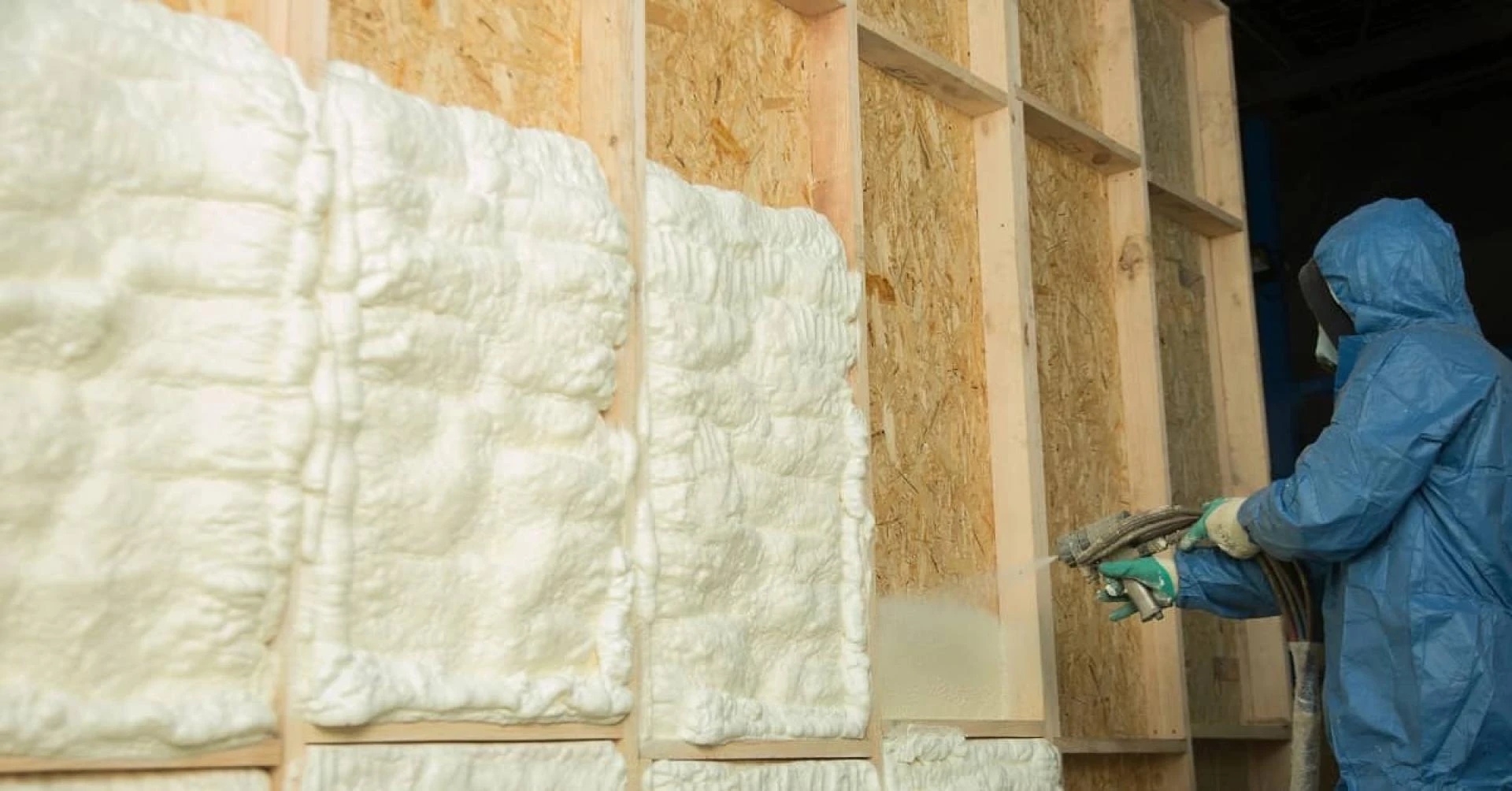
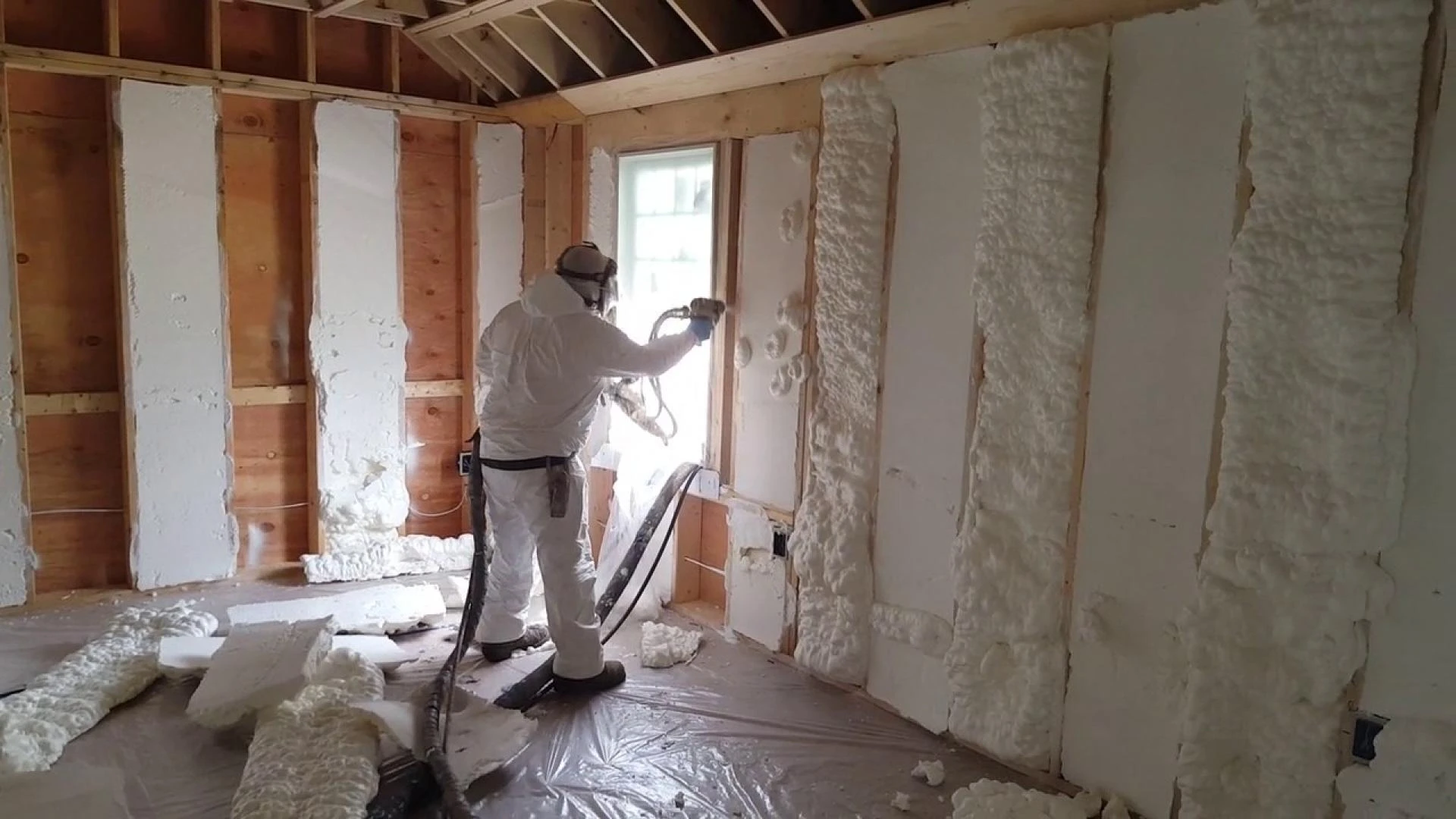
Spray foam performs best when applied by trained professionals using calibrated equipment. Precision affects both energy efficiency and long-term building health.
Spray foam experts in Plainfield bring specific benefits:
Consistent Air Sealing
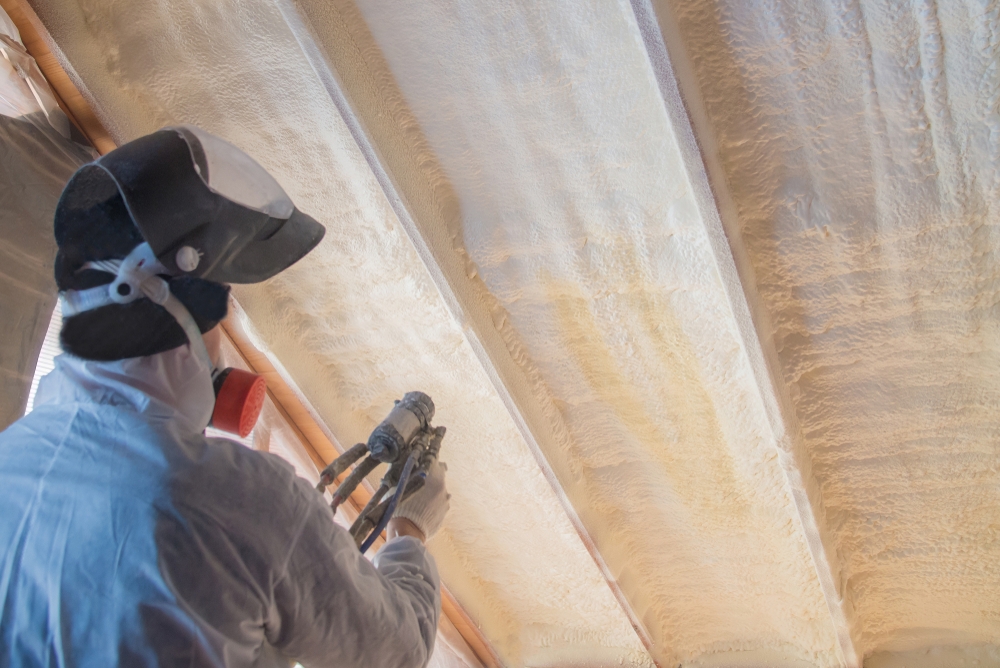
Professionals identify thermal bypasses, wiring voids, and rim joist leaks. These get sealed to create a continuous air barrier, reducing drafts and unwanted moisture transfer.
Performance Validation
Home insulation experts conduct blower door tests and thermal imaging. This validates coverage and helps avoid common insulation gaps in older homes and additions.
Compliance With Local Codes
Insulation specialists stay current with Illinois Energy Conservation Code updates. Installations meet required R-values, fire safety standards, and vapor management protocols.
Local Expertise and Climate Awareness
Plainfield experiences freeze-thaw cycles, humidity fluctuations, and storm-driven rains. These conditions make high-performance insulation critical to protect wall assemblies, attics, and roofs.
An experienced spray foam insulation company understands:
- How ice dams form from poorly insulated attics
- What types of vapor barriers to use in crawlspaces
- Where mechanical ventilation may be needed post-application
- How to integrate insulation with older brick or wood-framed homes
This technical insight ensures insulation upgrades improve both comfort and building durability.
Full Range of Services in Plainfield, IL
The right insulation solution depends on structure type, use, and goals. Each service below addresses a different challenge for residential or commercial properties.
Residential Insulation
Improves comfort and efficiency for single-family homes, townhouses, and renovations. Solutions focus on attics, walls, crawlspaces, and rim joists.
Commercial Insulation
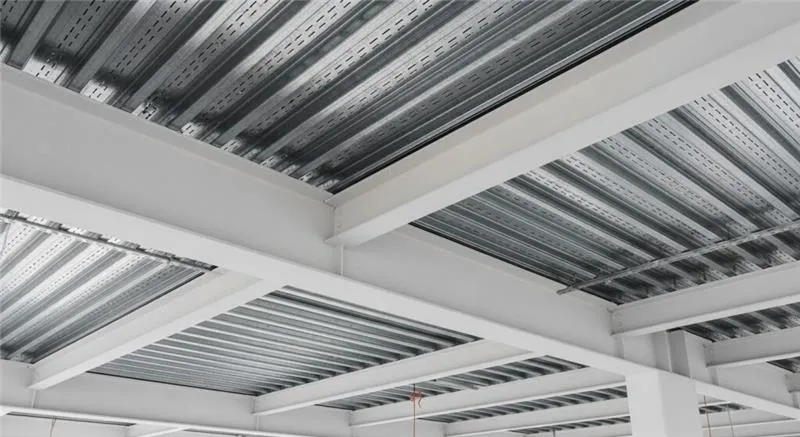
Designed for metal buildings, retail spaces, and multi-use structures. Helps manage humidity, sound, and thermal loads.
Retrofit Insulation
Targets older homes with outdated insulation. Installers remove degraded material and upgrade with performance foam insulation systems.
Spray Foam Roofing
Creates a seamless, weatherproof layer over flat or low-slope roofs. Reduces leaks, ponding, and heat gain in summer.
Roof Coatings
Protects spray foam roofing with UV-resistant coatings. Extends roof life and reduces building heat absorption.
Attic Insulation
Blocks heat loss during winters and prevents attic overheating in summer. Application methods depend on ventilation design.
Crawlspace Encapsulation
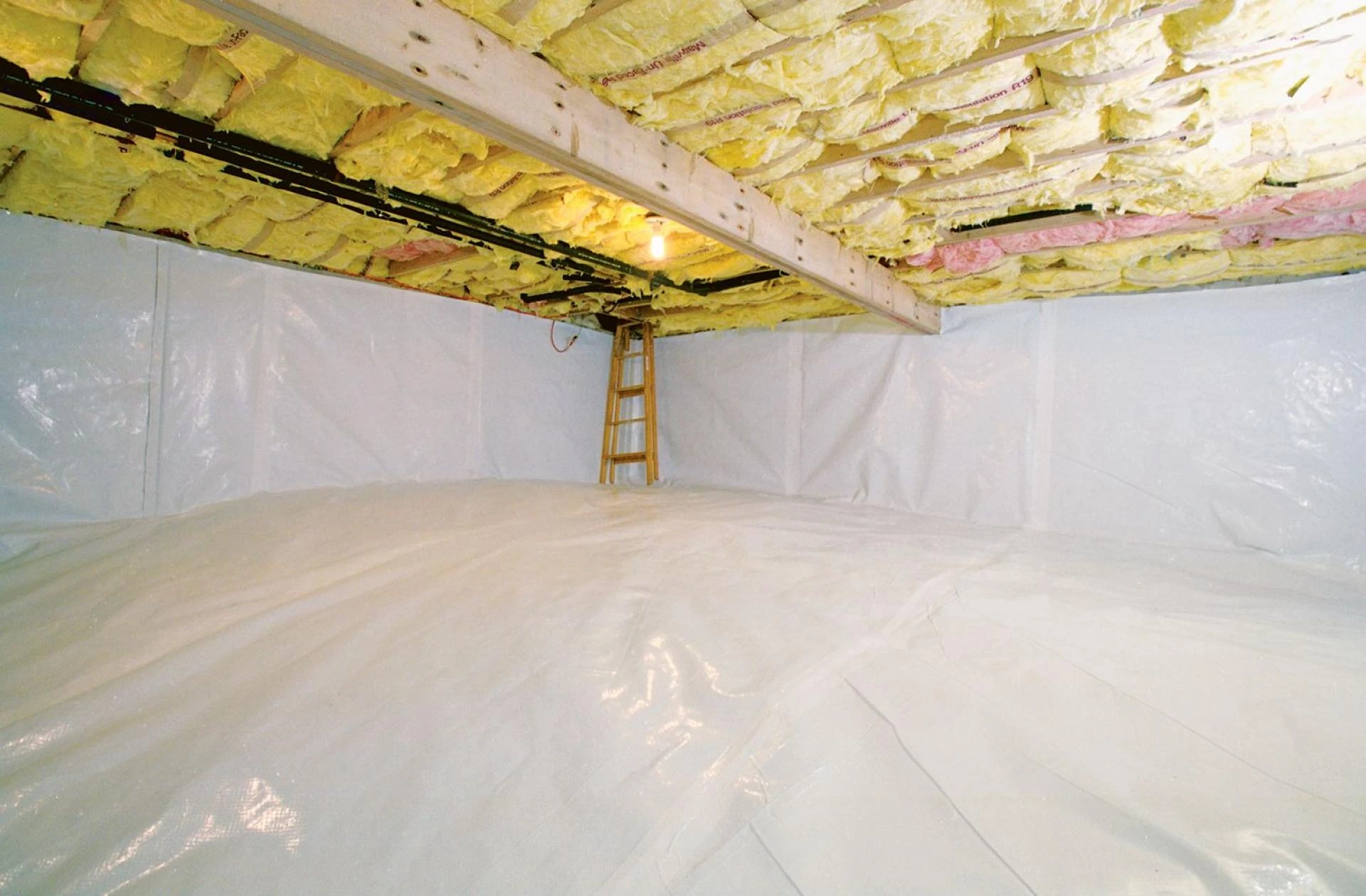
Seals and insulates crawlspaces to block ground moisture, reduce mold risk, and protect flooring systems.
Home Performance Evaluation
Assesses air leakage, insulation quality, and mechanical system efficiency. Guides energy retrofit decisions.
Sound Attenuation Insulation
Used in shared walls, offices, or entertainment rooms. Controls airborne noise using specialized foams.
Pole Barn Insulation
Applies foam to metal or wood-framed structures to stabilize interior temperature and prevent condensation.
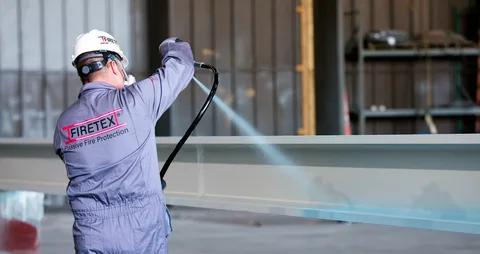
Intumescent Coatings
Adds fire protection over spray foam in exposed applications. Required in basements or commercial ceilings.
Blown-In Insulation
Loose-fill insulation for attics or walls where spray foam access is limited. Often used in tandem with foam sealing.
Commercial Spray Foam Insulation
Designed for buildings with complex HVAC loads or industrial operations. Custom-matched to roofing and wall assemblies.
Residential Spray Foam Insulation
Applied in walls, floors, attics, or crawlspaces to reduce air loss and heating/cooling costs.
Professional vs DIY Application
Spray foam is available in small kits, but improper use can lead to damage, health issues, or poor coverage. Professional application offers several critical advantages.
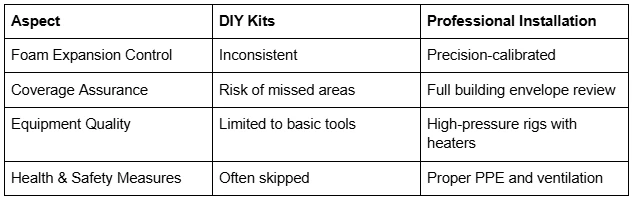
Reliable spray foam professionals follow safety protocols, wear protective equipment, and use tested formulations from trusted spray foam brands.
Environmental Benefits of Foam Insulation
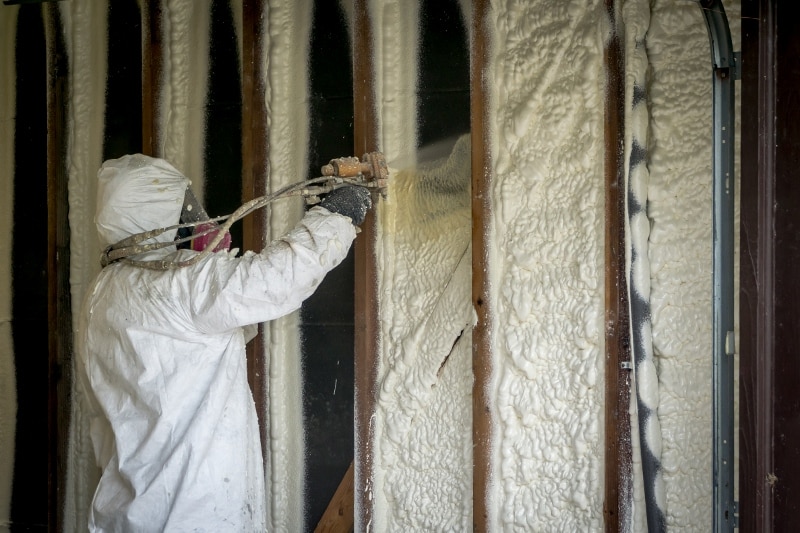
Well-installed spray foam reduces energy use by sealing leaks and stabilizing indoor temperatures. This leads to fewer HVAC cycles and lower emissions from natural gas and electricity use.
In humid regions like Plainfield, foam also prevents mold by blocking vapor intrusion into wall cavities. Choosing foam insulation solutions supports both environmental stewardship and healthier indoor air.
Common Questions
What areas of a home benefit most from spray foam?
Attics, crawlspaces, rim joists, and exterior walls provide the highest return on insulation upgrades. These locations are common sources of heat loss and air leaks.
How long does spray foam insulation last?
Closed-cell foam typically lasts 30+ years without sagging or deteriorating. It adheres to most substrates and resists water damage and pests.
Can old insulation be left in place under spray foam?
Old, degraded insulation should be removed before applying spray foam. Leaving it in place can trap moisture or block foam adhesion.
Does foam insulation qualify for energy rebates?
Yes, many energy utilities and federal programs offer incentives for energy-saving insulation services that include spray foam upgrades.
Conclusion
Hiring a spray foam insulation company in Plainfield, IL helps improve building efficiency, comfort, and indoor health. From new builds to retrofits, professional teams identify air leakage points, recommend the right material types, and ensure safe installation.
Correct insulation doesn’t just lower bills—it preserves structure longevity and supports a healthier indoor environment for years to come.
Ready to Achieve Better Energy Performance?
South Chicago Insulation supports Plainfield homeowners and building owners with advanced spray foam solutions that seal, insulate, and protect.
From attic upgrades to crawlspace encapsulation, the team applies high-performance materials using certified, field-tested processes.
Call (779) 803-8025 to ask about availability or schedule a performance evaluation. For written inquiries, contact: [email protected]
FAQs
What R-value does closed-cell foam provide per inch? Closed-cell spray foam delivers an R-value of about 6.5 to 7 per inch. This allows for high insulation performance in narrow wall or roof cavities.
Is spray foam safe for people with allergies or asthma? After curing, spray foam is inert and does not emit harmful particles. Installers use ventilation during application to prevent exposure to uncured chemicals.
Will spray foam increase property value? Yes. Improved energy efficiency, moisture control, and air quality are attractive to buyers and can boost resale value in competitive markets.
Can spray foam be used in brick or stone homes? Yes. Local insulation teams evaluate conditions such as wall gaps and interior access to apply spray foam safely in historic or masonry homes.
How long does installation take? Most residential projects take 1–2 days depending on size, prep work, and number of application zones. Large commercial buildings may take longer based on scope.
Author: Bob Gasca attended his first spray foam training in 2007 and continues annual trainings to stay ahead in insulation technology. He is a certified Spray Foam Master Installer and an SPFA member. Bob also serves as a Spray Foam Worldwide Ambassador and recently completed a building science training focused on climate-driven performance issues in homes.
Reviewer: Noah Gonzalez contributed insights based on 9 years of hands-on insulation experience, helping align this content with common jobsite challenges and client priorities.


























Sign in to leave a comment.