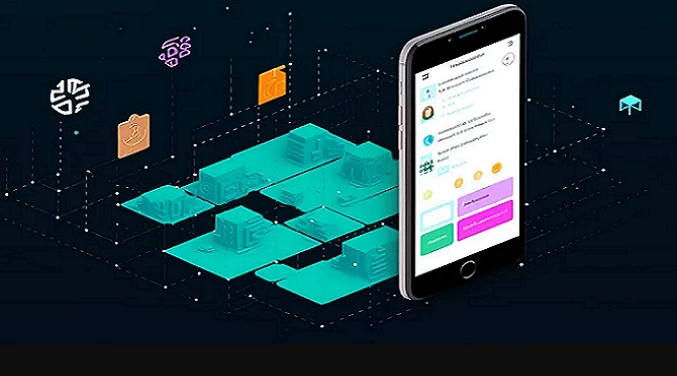

Blockchain technology is revolutionizing various industries, and one sector that is undergoing significant transformation is real estate.
The adoption of blockchain in real estate is reshaping the way transactions occur, property records are managed, and investments are made.
This article explores the impact of blockchain technology in the real estate industry and how it is changing the scenario for buyers, sellers, investors, and other stakeholders.
Introduction: Understanding Blockchain Technology
Blockchain technology is a decentralized and distributed ledger system that enables secure and transparent transactions.
It operates on a network of computers where each participant has a copy of the entire blockchain. Transactions are recorded in blocks, which are linked together using cryptographic algorithms, creating an immutable and tamper-resistant record.
Securing Property Transactions with Smart Contracts
One of the significant benefits of adopting blockchain in real estate is the use of smart contracts. Smart contracts are self-executing contracts with the terms of the agreement directly written into code.
These contracts automatically execute actions once predetermined conditions are met. In real estate, smart contracts can facilitate property transactions by automating tasks such as payment transfers, escrow releases, and transfer of ownership.
This automation streamlines the process, reduces the need for intermediaries, and enhances security and efficiency.
Transparency and Traceability of Property Records
Blockchain technology provides transparency and traceability in property records. Property ownership and transaction history can be recorded on the blockchain, creating a permanent and auditable record.
This transparency reduces the risk of fraudulent activities and enhances trust among buyers, sellers, and other parties involved in real estate transactions.
Additionally, accessing and verifying property records becomes more efficient, as all relevant information is stored on the blockchain.
Streamlining Due Diligence and Title Verification
Due diligence and title verification processes in real estate can be time-consuming and complex. Blockchain simplifies these processes by securely storing property records and history on the distributed ledger.
Potential buyers and investors can access the blockchain to verify property details, ownership history, liens, and encumbrances.
This streamlines due diligence reduces the risk of errors, and provides a more transparent and efficient experience for all parties involved.
Tokenization of Real Estate Assets
Blockchain enables the tokenization of real estate assets, dividing them into digital tokens that represent fractional ownership.
Tokenization opens up new opportunities for investors, allowing them to participate in real estate investments with lower entry barriers.
Fractional ownership through tokens provides liquidity, as tokens can be easily traded on blockchain-based platforms.
This democratization of real estate investment broadens access to a wider pool of investors and enhances market efficiency.
Enhanced Efficiency in Property Financing
Blockchain technology has the potential to streamline property financing processes. Through tokenization, real estate assets can be divided into smaller units, allowing investors to finance projects collectively.
This opens up avenues for crowdfunding and peer-to-peer lending in the real estate sector. Blockchain-based platforms can facilitate direct transactions between borrowers and lenders, reducing the need for traditional intermediaries such as banks.
The automation and transparency of blockchain streamline the financing process, reducing costs and enhancing efficiency.
Improved Access to Investment Opportunities
Blockchain technology provides investors with improved access to a wide range of real estate investment opportunities.
Blockchain-based platforms connect investors with real estate projects globally, allowing them to diversify their portfolios.
These platforms provide transparent information about investment opportunities, including property details, expected returns, and associated risks.
By leveraging blockchain, investors can make more informed decisions, ensuring transparency, security, and efficiency in the investment process.
Mitigating Fraud and Enhancing Trust
Real estate transactions are susceptible to fraud, including identity theft, title fraud, and fraudulent transfers.
Blockchain technology mitigates these risks by providing a tamper-resistant and auditable record of transactions.
Property ownership and history recorded on the blockchain cannot be altered or manipulated, ensuring the integrity of data.
This transparency and immutability enhance trust among participants, reducing the risk of fraudulent activities and improving the overall integrity of the real estate market.
Challenges and Considerations in Blockchain Adoption
While blockchain offers significant potential, there are challenges and considerations in its adoption in the real estate industry.
These include legal and regulatory frameworks, scalability, interoperability, and data privacy. Ensuring compliance with existing laws and regulations is crucial to avoid legal complications.
The scalability of blockchain networks to handle large volumes of real estate transactions is another consideration. Interoperability between different blockchain platforms and legacy systems is essential for seamless integration.
Additionally, data privacy concerns need to be addressed to protect sensitive information stored on the blockchain.
Future Outlook and Opportunities
The adoption of blockchain in real estate is still in its early stages, but the future outlook is promising. As more stakeholders recognize the benefits of blockchain technology, its adoption is expected to increase.
Advancements in scalability, interoperability, and privacy solutions will drive widespread adoption. The use of blockchain is likely to extend beyond property transactions to other areas such as property management, leasing, and tenant verification.
The future of real estate will be characterized by increased efficiency, transparency, and accessibility, thanks to blockchain technology.
Conclusion
Blockchain technology is transforming the real estate industry by revolutionizing property transactions, record-keeping, and investment opportunities.
The adoption of blockchain brings enhanced security, transparency, and efficiency to real estate processes.
With smart contracts, tokenization, and improved access to investment opportunities, the real estate market becomes more accessible and inclusive.
While challenges exist, the future of blockchain in real estate looks promising. Embracing blockchain technology can lead to a more secure, efficient, and trustworthy real estate ecosystem.
FAQs
Q1: What is a blockchain development company?
A blockchain development company specializes in creating and implementing blockchain-based solutions for various industries, including real estate. These companies have expertise in blockchain technology and provide services such as blockchain consulting, development, and integration.
Q2: What are blockchain development services?
Blockchain development services encompass a range of offerings that involve the design, development, and implementation of blockchain-based solutions. These services can include smart contract development, decentralized application (DApp) development, blockchain consulting, and blockchain integration with existing systems.
Q3: How can blockchain technology benefit the real estate industry?
Blockchain technology benefits the real estate industry by enhancing security, transparency, and efficiency in property transactions. It enables secure and automated smart contracts, transparent property records, streamlined due diligence, tokenization of assets, improved access to investment opportunities, fraud mitigation, and enhanced trust among participants.
Q4: How can I find a reliable blockchain development company for real estate projects?
To find a reliable blockchain development company for real estate projects, conduct thorough research, and consider factors such as company reputation, experience in the real estate industry, client testimonials, and portfolio of past projects. Look for companies with a proven track record in developing blockchain solutions for the real estate sector.
Additionally, consider their expertise in areas such as smart contracts, tokenization, and property record management. Reach out to shortlisted companies, discuss your project requirements, and evaluate their understanding of your specific needs.
A reliable blockchain development company will provide tailored solutions, transparent communication, and a commitment to delivering high-quality results.
Q5: How can blockchain app development benefit the real estate industry?
Blockchain app development can bring several benefits to the real estate industry. Through blockchain-based apps, real estate professionals and consumers can access features such as property listing platforms, digital marketplaces, smart contract management tools, and investment platforms.
These apps enhance the efficiency of real estate processes, provide access to a wider range of properties and investment opportunities, and ensure transparency and security in transactions.
Blockchain app development can revolutionize the way real estate professionals and consumers interact, making the industry more accessible and user-friendly.
Q6: Is blockchain technology limited to the real estate industry?
No, blockchain technology has applications across various industries beyond real estate. Its decentralized and secure nature makes it suitable for sectors such as finance, supply chain management, healthcare, and more.
The versatility of blockchain allows for its adaptation and integration into different domains, providing benefits in terms of efficiency, transparency, and trust.
In conclusion, the adoption of blockchain technology in the real estate industry is bringing about significant changes.
From securing property transactions with smart contracts to providing transparency and traceability of property records, blockchain is revolutionizing the way real estate operates.
Tokenization of assets, enhanced efficiency in property financing, and improved access to investment opportunities are transforming the investment landscape.
While challenges exist, the future outlook for blockchain in real estate is promising. Embracing blockchain technology can lead to a more secure, efficient, and inclusive real estate industry.


























Sign in to leave a comment.