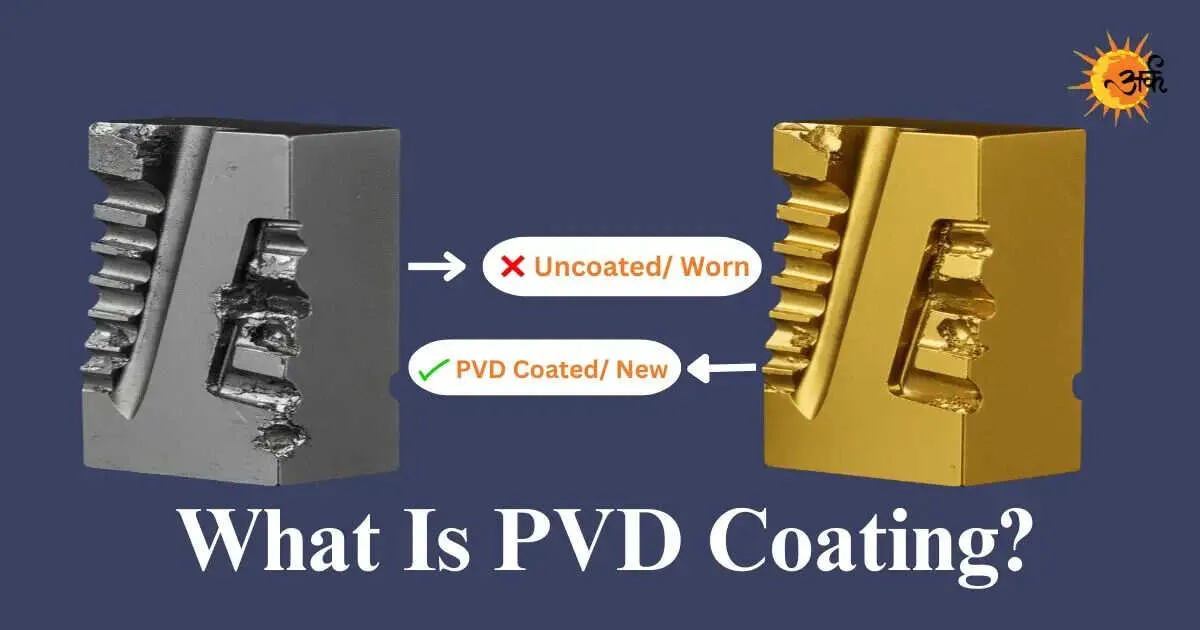

In today’s competitive manufacturing environment, cutting tools are expected to deliver high precision, longer life, and consistent performance under demanding conditions. This is where PVD coating plays a vital role. Manufacturers across industries rely on this advanced coating technology to improve the durability and efficiency of cutting tools. But the question often asked is, how does PVD coating improve tool performance?
The answer lies in its ability to create a hard, wear-resistant surface layer that protects tools from friction, heat, and mechanical stress. By enhancing the surface properties of cutting tools, PVD coating significantly improves productivity while reducing downtime and replacement costs.
What is PVD Coating?
Physical Vapor Deposition (PVD) coating is a vacuum-based process where a solid metal material is vaporized and deposited onto the surface of a cutting tool as a thin protective layer. This coating forms a highly durable barrier that improves hardness, heat resistance, and wear protection.
Unlike conventional surface treatments, PVD coatings are extremely thin yet incredibly strong, allowing tools to maintain their original sharpness while gaining superior surface protection.
How PVD Coating Improves Tool Performance
The biggest reason industries use PVD coatings is their ability to improve cutting performance under harsh operating conditions. The coating acts as a protective shield that allows tools to perform more efficiently for longer periods.
Increased Hardness and Wear Resistance
Cutting tools experience constant friction during machining operations, which causes surface wear and edge deterioration. PVD coating adds a hard surface layer that protects the cutting edge from abrasion and wear.
This leads to:
- Longer tool life
- Reduced edge damage
- Better cutting consistency
- Lower tool replacement frequency
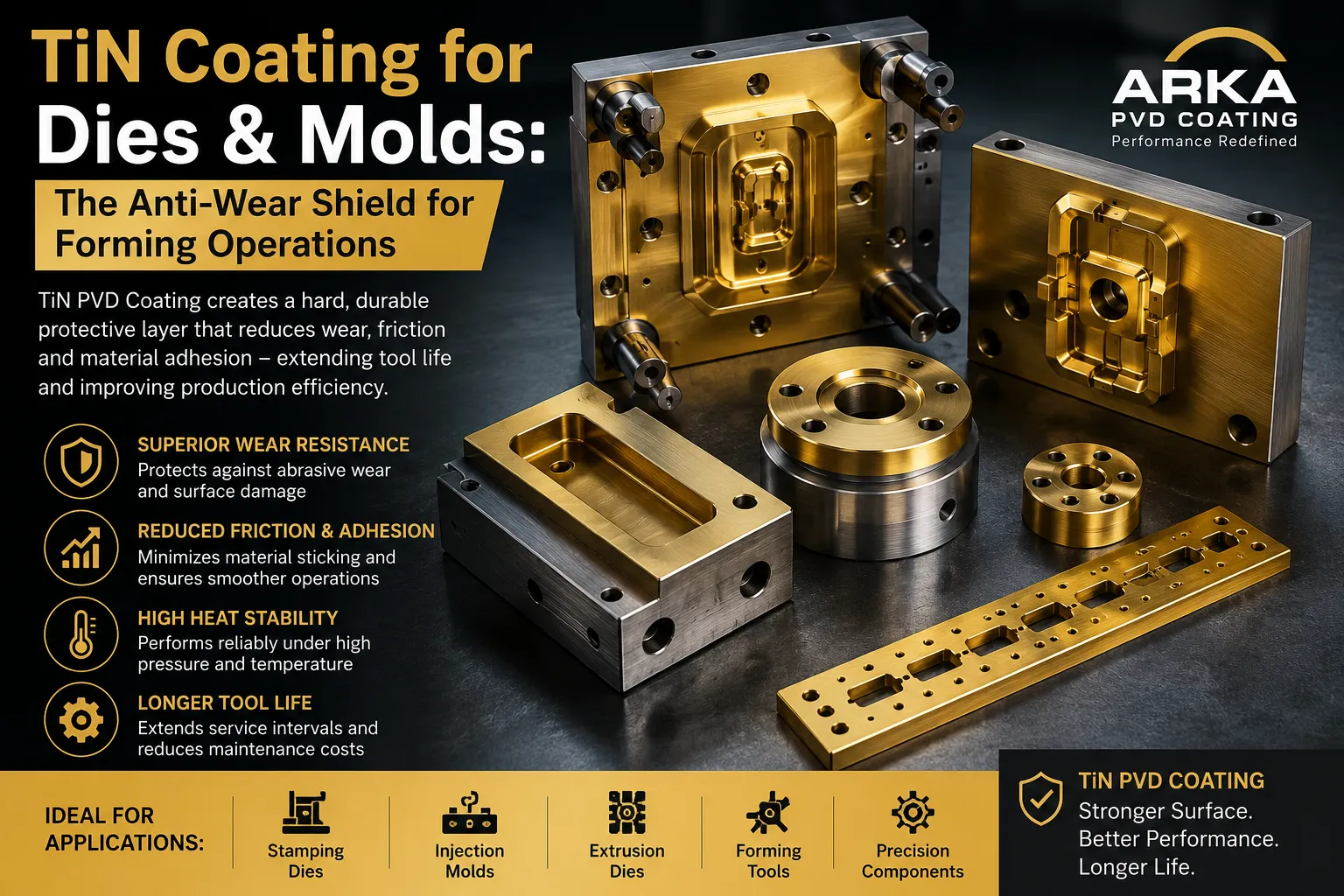
Tools coated with advanced solutions such as TiN PVD coating and AlCrN coating perform significantly better than uncoated tools.
Reduced Friction for Smoother Cutting
One of the key advantages of PVD coating is its low friction coefficient. Reduced friction means smoother contact between the tool and workpiece, which improves cutting action and reduces resistance.
This results in:
- Better chip evacuation
- Reduced cutting force
- Improved surface finish
- Lower energy consumption
Smooth cutting action directly contributes to better machining accuracy.
Higher Heat Resistance
Machining operations generate intense heat, especially during high-speed cutting. Excessive heat can soften tools and reduce their performance.
Coatings like aluminium titanium nitride coating (TiAlN) provide excellent thermal resistance. They create a heat barrier that protects the tool from thermal degradation.
Benefits include:
- Stable performance at high temperatures
- Reduced thermal cracking
- Improved high-speed machining capability
- Extended tool life under extreme conditions
This is why TiAlN-coated tools are widely used in CNC and carbide machining applications.
Improved Oxidation and Corrosion Protection
Industrial environments often expose cutting tools to moisture, coolants, and oxidation. PVD coating provides strong resistance against corrosion and chemical damage, helping tools remain reliable over long periods.
This protection ensures:
- Better durability in aggressive environments
- Reduced surface degradation
- Consistent machining quality
Corrosion resistance is especially valuable for tools used in precision engineering and aerospace manufacturing.
Common PVD Coatings Used for Tool Performance
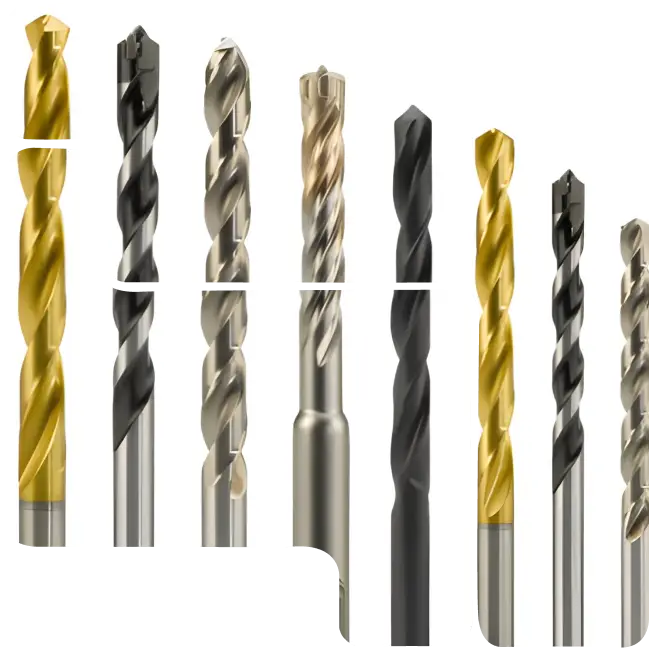
Different applications require different coating solutions. Some of the most effective PVD coatings include:
TiN PVD Coating – Ideal for general machining due to excellent hardness and low friction.
Aluminium Titanium Nitride Coating (TiAlN) – Perfect for high-speed and high-temperature cutting.
AlCrN Coating – Delivers outstanding oxidation resistance and performs well in hardened steel machining.
Each coating type is selected based on cutting speed, tool material, and machining requirements.
Benefits of PVD Coating for Cutting Tools
Manufacturers choose PVD coating for cutting tools because it offers measurable operational benefits.
These include:
- Increased productivity
- Reduced downtime
- Better dimensional accuracy
- Lower tooling costs
- Improved machining efficiency
- Consistent tool performance
By reducing wear and maintaining cutting precision, coated tools deliver better results while lowering production costs.
Why Industries Depend on PVD Coating
Industries such as automotive, aerospace, mold manufacturing, and precision engineering rely heavily on PVD-coated tools because performance consistency is critical.
A properly coated cutting tool can machine faster, stay sharper longer, and handle challenging materials with ease. This improves workflow efficiency and ensures high-quality finished products.
Conclusion
So, how does PVD coating improve tool performance? It improves hardness, reduces friction, increases heat resistance, and protects tools from wear and corrosion. These advantages allow cutting tools to operate more efficiently and last much longer than uncoated alternatives.
Whether it is TiN PVD coating, aluminium titanium nitride coating, or high-performance AlCrN coatings, PVD technology continues to transform modern manufacturing. For industries looking to increase precision, productivity, and cost savings, PVD coating is one of the most effective solutions available today.














Sign in to leave a comment.