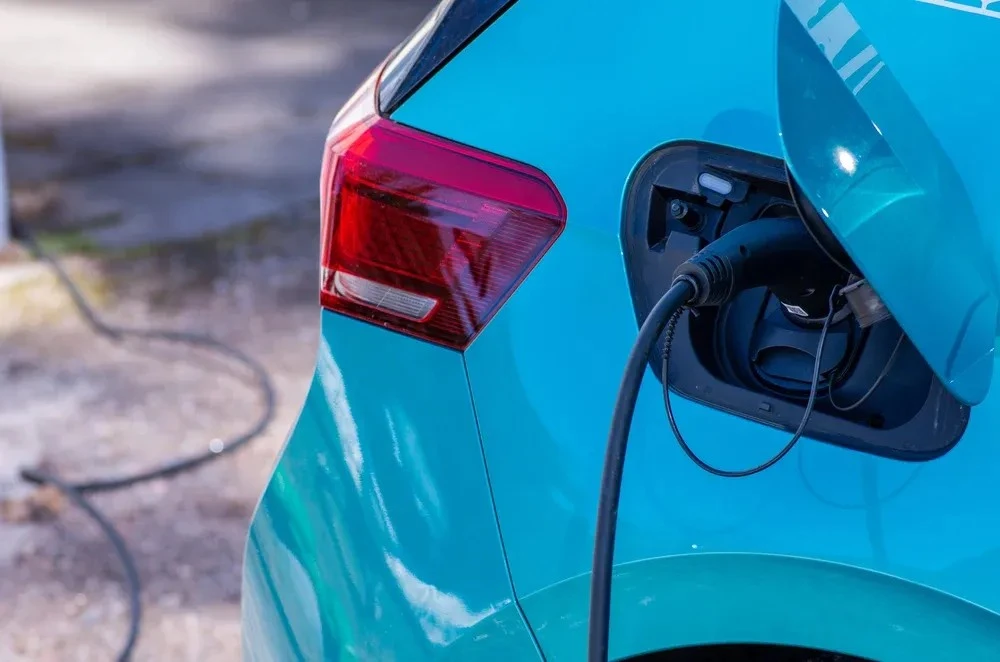

Understanding Level 2 EV Charging: Speed, Factors, and More
As a professional EV charger manufacturer in China, Topper Company delivers reliable electric vehicle charging stations and comprehensive solutions to meet all your charging needs.
As electric vehicle (EV) adoption continues to grow, the demand for efficient and reliable charging solutions is on the rise. Among the most popular options is Level 2 charging, which strikes a balance between convenience and speed. But just how fast are Level 2 chargers? Let’s dive into the details.
What is Level 2 Charging?
Level 2 chargers typically provide power between 3 kW and 19.2 kW in the U.S., and up to 22 kW in Europe. This translates to an added 10 to 75 miles (16–120 km) of range per hour of charging. While this is significantly faster than Level 1 charging, it still doesn’t match the ultra-fast speed of Level 3 (DC Fast Charging).
The speed at which your EV charges, however, depends on several key factors, including the charger’s power output, the vehicle’s onboard charger, and the size of its battery.
Key Factors Affecting Level 2 Charging Speed
1. Power Output of the Charger
Level 2 chargers vary in their power delivery, typically ranging from 3.3 kW to 22 kW. The higher the output, the faster the charging process. For example:
- Home Chargers: Usually deliver between 7.2 kW to 11.5 kW, providing an additional 20–40 miles per hour of range.
- Public Chargers: Can go up to 19.2 kW (North America) or 22 kW (Europe), delivering up to 75 miles per hour of range.
However, keep in mind that the vehicle’s onboard charger (OBC) might limit the charging speed. If your EV’s onboard charger is rated for 7.2 kW, using a charger that provides 19.2 kW will not charge the car any faster.
2. Battery Size
The size of your EV’s battery directly impacts how long it takes to charge. A larger battery requires more time to charge, even with a fast Level 2 charger.
- A 40 kWh battery (like the one in a Nissan Leaf) might fully charge in 5–6 hours at 7.2 kW.
- A larger 100 kWh battery (like in a Tesla Model S) could take 12+ hours under the same conditions.
3. Onboard Charger Limitations
Each EV is equipped with an onboard charger, which converts AC power (from Level 1 and Level 2 chargers) into DC power for the battery. If the onboard charger has a lower maximum capacity than the charging station, it will act as the bottleneck. For instance:
- A Porsche Taycan has an 11 kW or 19.2 kW onboard charger, allowing faster charging.
- A Chevy Bolt, on the other hand, maxes out at 7.2 kW, so even if it’s plugged into a higher-powered charger, the charging speed will not exceed that limit.
4. Quality of Charging Equipment
The quality of cables, connectors, and the overall charging system also affects the charging speed. Well-maintained and high-quality equipment ensures the most efficient charging.
5. Temperature and Battery Condition
Charging speeds can be slower in extreme weather conditions:
- Cold temperatures slow down battery chemistry, reducing charging efficiency.
- Hot temperatures may trigger the vehicle’s cooling system, which can slightly reduce charging speed.
- Over time, battery degradation can also affect the speed of charging.
Level 2 Charging vs. Other Charging Levels
To better understand the role of Level 2, it helps to compare it to other charging levels:
Charging LevelPower OutputRange Added Per HourBest Use CaseLevel 1 (120V)1.2–1.8 kW3–5 miles (5–8 km)Overnight home chargingLevel 2 (240V)3.3–22 kW10–75 miles (16–120 km)Home, workplace, public stationsLevel 3 (DC Fast)50–350 kW100–300+ miles in 30 minsHighway travel, quick top-ups
Level 2 Charging: Ideal For:
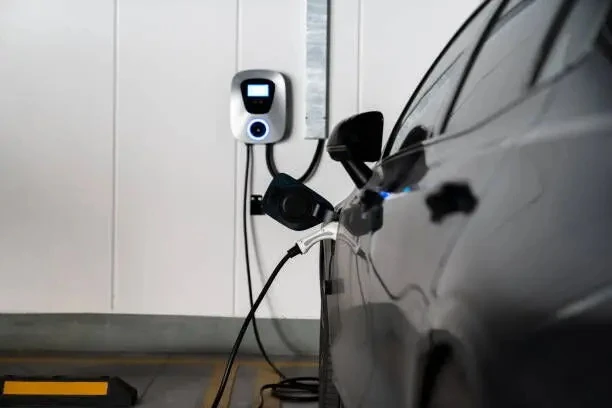
- Home Charging: Perfect for overnight or daily use.
- Workplace Charging: Convenient when your car is parked for several hours.
- Public Charging Stations: Common in shopping centers, parking garages, and more.
Level 3 Charging: Best For:
- Long-distance Travel: Quick recharges during road trips.
- Emergency Top-Ups: When you need a quick boost and don’t have hours to wait.
Tethered vs. Untethered Level 2 Chargers
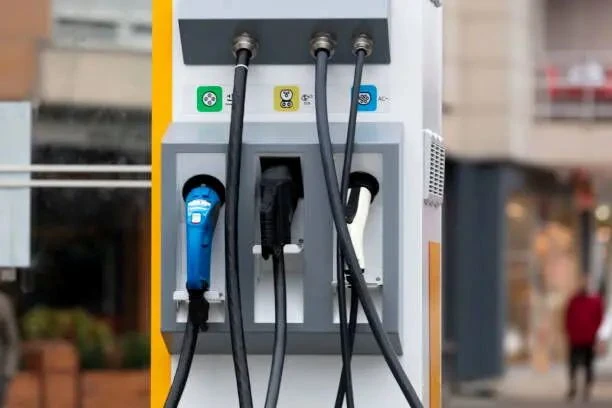
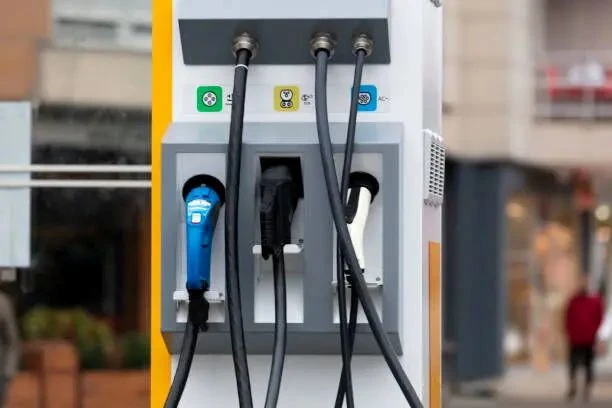
Level 2 chargers are available in two main styles:
1. Tethered Chargers
These chargers come with a fixed cable, typically featuring a J1772, Type 2, or Tesla connector.
Pros:
- Convenient: No need to bring your own cable.
- Quick Setup: Simply plug in to start charging.
Cons:
- Limited Compatibility: The cable must match your EV’s charging port.
- Wear Over Time: The cable may degrade with frequent use.
2. Untethered Chargers
With untethered chargers, you need to use your own charging cable.
Pros:
- Versatile: You can use different cables for different EV models.
- Easier Cable Replacement: If the cable wears out or gets damaged, it’s easy to replace.
Cons:
- Less Convenient: You must always have your own cable with you.
- Slightly Slower Setup: You need to take a moment to connect the cable.
Which to Choose?
- For home use, tethered chargers are often preferred for their simplicity.
- For public stations, untethered chargers offer flexibility, accommodating various EV types.
Understanding Level 2 Connector Types
Different regions and manufacturers use different connector types:
- SAE J1772 (Type 1): Common in North America for most non-Tesla EVs.
- Mennekes (Type 2): The standard in Europe for most EVs.
- GB/T: Standard in China for Chinese-market EVs.
- Tesla NACS: Used by Tesla vehicles in North America (now opening up to other brands).
Tesla owners can also use Level 2 chargers with an adapter for J1772 connectors (which comes with most Teslas).
Conclusion: Is Level 2 Charging Right For You?
Level 2 charging is a sweet spot for most EV owners, offering a great balance of speed and affordability. Although it’s not as fast as DC Fast Charging, it’s much quicker than Level 1 and is perfect for:
- Home charging (overnight or daily).
- Workplace charging (during long parking hours).
- Daily commuting needs.
Key Takeaways:
- Charging speed depends on charger power, battery size, and the vehicle’s onboard charger limits.
- Tethered chargers offer convenience, while untethered ones provide flexibility.
- Level 2 is ideal for everyday use, whereas Level 3 is better for long trips and quick charges.
As EV adoption continues to grow, Level 2 chargers will remain a cornerstone of the charging infrastructure, delivering efficient and reliable power to EV owners across the globe.Know more about Google SEO Directory























Sign in to leave a comment.