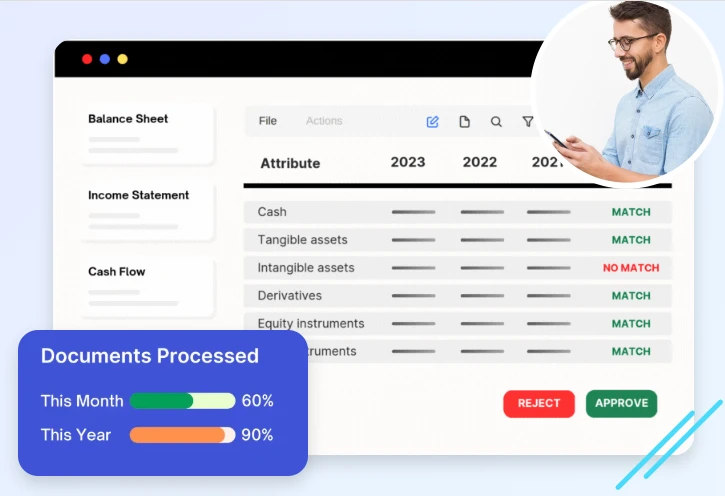

Finance teams rarely notice how much time slips away during routine work. Small tasks stretch longer than planned. Reviews get pushed. Costs rise quietly, without a clear line item pointing to the cause.
This blog looks at how automation changes that pattern. You will see how everyday finance work becomes lighter, faster, and easier to plan. The focus stays practical on what slows teams down, where time goes, and how smarter systems reshape both effort and spending.
How Financial Automation Software Reduces Time Spent on Tasks
Below, we have a closer look at how everyday finance works and becomes faster when manual steps disappear with financial automation software.
Fewer Manual Entries and Repeated Checks
The day often starts with data movement. You copy numbers from one system to another. You pause to check totals. Then you check again, just to feel safe. These moments feel normal, yet they consume more time than expected.
When financial automation software handles data capture, those pauses shrink. Information flows in from source systems without extra handling. You review instead of retyping. That shift alone shortens the workday. Fewer handoffs mean fewer checkpoints. You still stay alert, but the work moves forward without constant stops.
Over time, the rhythm changes. You trust the inputs because they arrive the same way each cycle. That trust saves mental effort as well as minutes. Your focus stays on what the numbers mean, not on how they landed in the file.
Standardized Processes Replace Custom Workarounds
Many finance teams rely on personal fixes. One analyst builds a macro. Another keeps a private template. These shortcuts help in the moment, yet they slow the group over time. Each version adds a new step when files change hands.
Automation brings consistency. Reports follow the same structure every time. Inputs map to the same fields. Calculations behave as expected. You no longer need to adjust layouts before work begins.
This consistency reduces setup time across cycles. You open a report and start reading without any warm-up period or layout repairs. That steady structure also helps new team members ramp up faster. They learn one process, not five variations.
Faster Turnaround Across Reporting and Reviews
Preparation often takes more time than review. You spend hours building reports, then rush through analysis. Automation flips that balance. Reports take shape earlier, which gives you breathing room.
With faster preparation, review windows expand. You compare periods with care. You spot trends without pressure. Questions come sooner, not at the last minute. That earlier insight supports better decisions across the business.
Speed here does not mean haste. It means fewer delays between steps. Work flows instead of piling up. That smoother pace shows up in deadlines that feel realistic, not stressful.
Where Cost Savings Show Up Beyond Labor
Below are some areas where savings appear gradually but add up over time. Below, we have examples that go beyond salary reduction and touch daily operations.
Lower Rework and Error Correction Costs
Errors carry a price. A wrong number triggers a chain of fixes. Reviews restart. Meetings stretch longer. These costs hide in plain sight because no invoice tracks them.
Automation reduces these missteps. Data mapping stays stable. Calculations follow set rules. When fewer mistakes slip through, fewer corrections follow. You spend less time fixing past work and more time moving forward.
That reduction matters during busy periods. Teams avoid last-minute scrambles. External reviews run smoothly. The cost savings may feel small at first, yet they repeat every cycle.
Better Use of Skilled Team Members
Highly trained staff often handle routine tasks. That mismatch raises costs quietly. You pay for skill, but use only part of it.
Automation shifts that balance. Analysts focus on review, insight, and discussion. They spend less time assembling reports and more time explaining results. That change improves output without adding headcount.
Over time, this better use of skill affects hiring plans. Teams grow more slowly because capacity improves. Budgets stretch further because work aligns with ability.
Predictable Workloads Reduce Overtime and Burnout
Unclear processes lead to uneven workloads. Some weeks feel calm. Others spiral into late nights. Over time, it becomes common, and morale dips.
Automation adds predictability. You know how long tasks take. You know what outputs look like. Planning becomes easier. Peaks still happen, yet they feel manageable.
That steadiness lowers burnout risk. Teams maintain energy across cycles. Fewer urgent fixes mean fewer extra hours. Cost savings appear through lower turnover and steadier performance.
How Automation Improves Decision Timing and Confidence
Speed is important, but timing matters more. When reports arrive late or feel uncertain, decisions stall. Leaders wait for clarification. Teams double-check figures instead of moving forward. These pauses rarely show up in budgets, yet they carry a real cost.
Automation changes that rhythm. When reports arrive on time and follow a familiar structure, decision-makers trust what they see. You do not need extra meetings to confirm numbers. You do not hold back approvals because something feels off. The data feels ready when it lands on the table.
This confidence shortens decision cycles across finance and operations. Forecast updates move faster. Budget adjustments happen earlier. Credit or investment discussions focus on direction instead of verification. That shift saves time well beyond the finance team.
There is also a subtle effect on accountability. When systems produce consistent outputs, ownership becomes clearer. People spend less energy defending numbers and more time explaining outcomes. That clarity improves conversations with leadership and external partners alike.
Over time, better timing leads to better results. Decisions made earlier often cost less to reverse. Opportunities feel easier to act on. Automation supports that edge by keeping information reliable, current, and ready when it matters most.
Conclusion
Time and cost pressures will keep shaping finance work in the years ahead. Teams that rely on manual effort will feel those pressures first. Financial automation software offers a quieter path forward.
It supports steady workflows, clearer planning, and better use of skills without adding strain. When routine work takes less effort, finance teams gain space to think, explain, and advise. That space may prove more valuable than any short-term savings.

























Sign in to leave a comment.