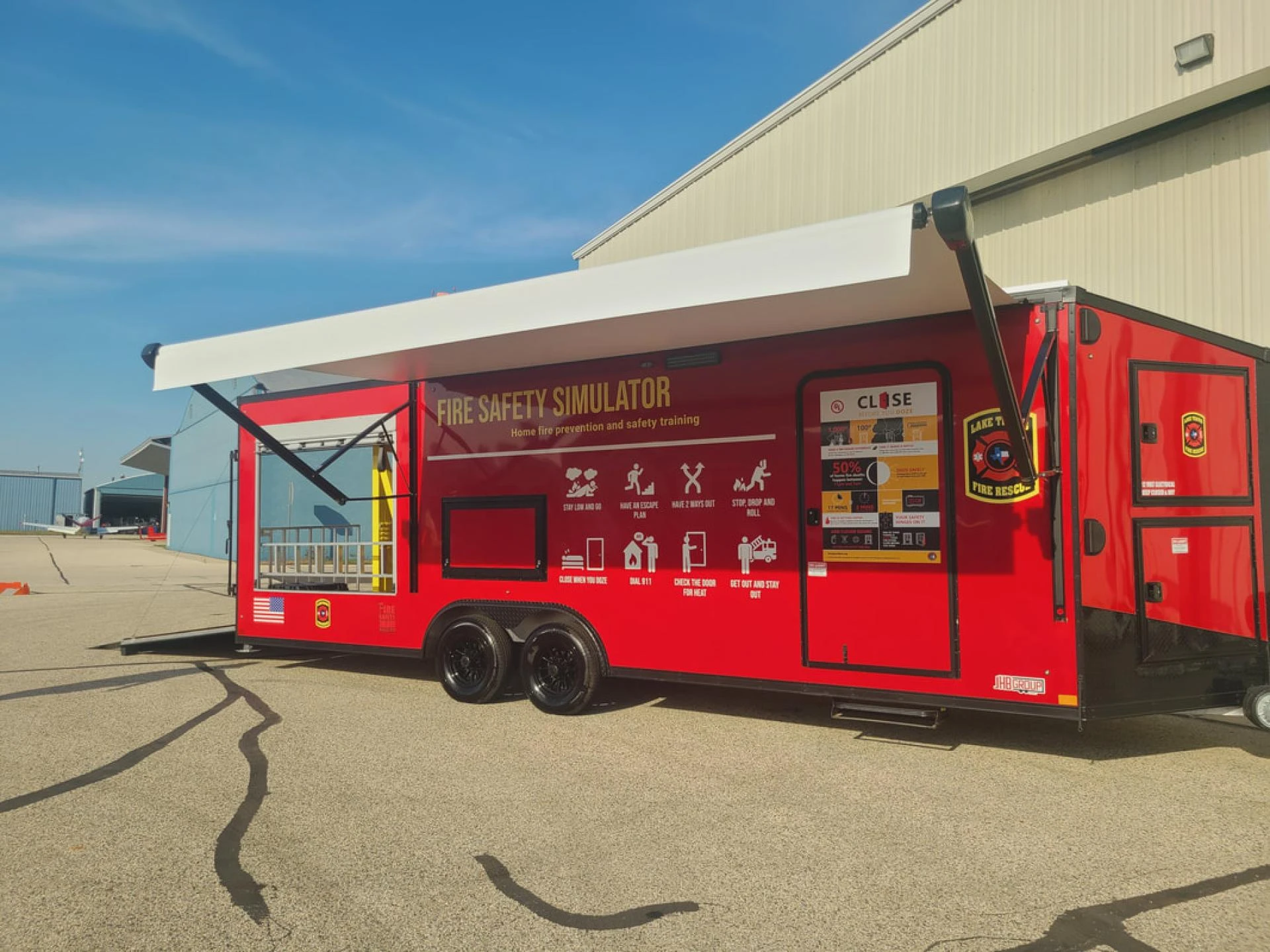

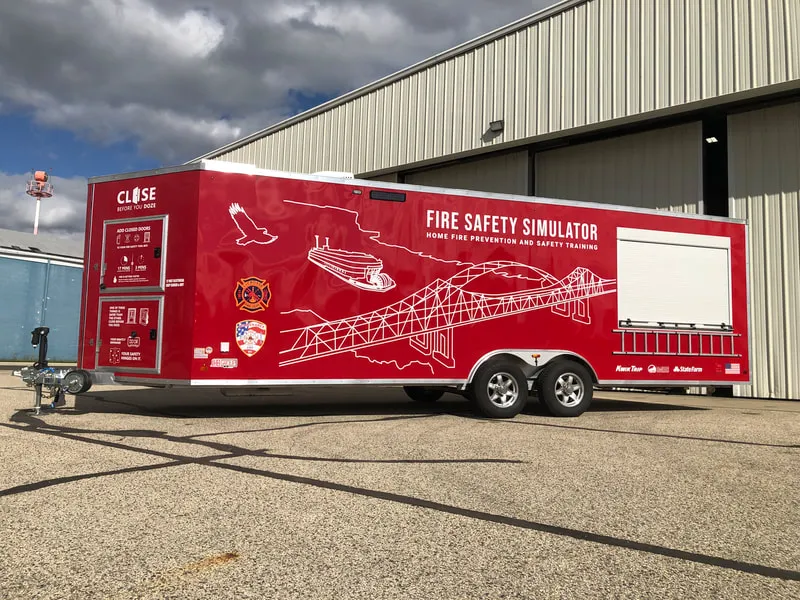
A fire safety education simulator can turn a frightening topic into an empowering lesson within minutes. Instead of just hearing about fire drills, kids step into realistic scenarios that teach them how to react quickly, stay calm, and escape safely when every second counts.
Children learn best by doing. When lessons are interactive, memorable, and emotionally engaging, they stick. Fire safety simulators combine technology, psychology, and hands-on practice to create powerful learning experiences that go far beyond traditional classroom talks.
Turning Fear into Confidence
Fire is a serious topic, and for many kids, it can feel overwhelming. Loud alarms, smoke, and urgency can trigger panic if they’re unprepared. Simulators gently introduce these elements in a controlled environment.
Rather than being startled by an unexpected drill, children experience guided exposure. They see what smoke looks like filling a room. They hear alarms. They practice crawling low beneath “smoke.” Because the environment is safe and supervised, they build familiarity instead of fear.
Confidence replaces uncertainty. And confidence leads to faster, smarter decisions.
Learning by Doing, Not Just Listening
Traditional fire safety lessons often involve posters, lectures, or short demonstrations. While useful, they don’t fully engage a child’s senses. A simulator changes that.
Kids physically:
- Practice identifying exit routes
- Feel the urgency of a timed escape
- Learn to test doors for heat
- Navigate around obstacles
- Stay low to avoid simulated smoke
When children rehearse these actions, their brains create strong memory pathways. In an emergency, they’re more likely to recall what to do because they’ve already “lived” it in a realistic scenario.
Muscle memory matters. The body often reacts before the mind fully processes danger. Simulators train both.
Teaching Calm Under Pressure
One of the biggest dangers during a fire isn’t just the flames—it’s panic. Children who freeze or run in the wrong direction waste precious seconds.
A fire safety education simulator introduces manageable levels of stress. Timers, sound effects, and visual cues create urgency without overwhelming the child. With guidance, they learn to:
- Pause and think
- Follow a planned route
- Avoid hiding in unsafe spaces
- Exit efficiently
This balance is critical. The goal isn’t to scare children; it’s to teach them that staying calm helps them escape faster.
Over time, repeated practice builds emotional resilience. Kids begin to understand that emergencies require quick action, not fear.
Making Fire Drills More Meaningful
Many children participate in fire drills without fully understanding why they’re lining up or walking outside. Simulators provide context.
When kids see how smoke spreads or how blocked exits complicate escape, they connect the dots. Suddenly, drills aren’t boring routines—they’re preparation for real safety.
This understanding improves cooperation during actual drills. Children move with purpose because they recognize the importance behind each step.
Encouraging Teamwork and Responsibility
Simulated scenarios often include group challenges. Kids may practice helping a younger child, alerting others, or identifying safe meeting points outside.
These exercises teach more than escape skills. They promote:
- Leadership
- Communication
- Accountability
- Situational awareness
When children understand that their actions affect others, they take drills more seriously. They also gain a sense of responsibility for their own safety.
Safe Mistakes, Stronger Learning
One of the most valuable aspects of a fire safety education simulator is the ability to make mistakes safely. If a child forgets to check a door or tries to run through “smoke,” instructors can pause and explain why that choice would be dangerous in real life.
There’s no real risk—only learning.
This immediate feedback strengthens understanding far more effectively than a lecture ever could. Kids remember the correction because they experienced it.
Adapting to Different Ages
Younger children may focus on basic actions like recognizing alarms and following adults. Older kids can handle more complex scenarios involving blocked exits or decision-making under time pressure.
Simulators can adjust difficulty levels, ensuring age-appropriate challenges. This flexibility keeps lessons engaging and prevents children from feeling either bored or overwhelmed.
The result is customized learning that grows with the child.
Building Lifelong Safety Habits
The ultimate goal isn’t just to pass a drill. It’s to build instincts that last a lifetime.
Children who repeatedly practice escape strategies are more likely to:
- Notice exits when entering new buildings
- Understand the importance of evacuation plans
- React faster during unexpected emergencies
- Share safety knowledge with family members
What begins as a structured activity becomes part of their everyday awareness.
Final Thoughts
Fire safety is too important to rely solely on theory. Kids need practice, repetition, and realistic preparation to respond effectively during emergencies. A fire safety education simulator transforms abstract warnings into practical skills, helping children develop speed, confidence, and calm decision-making.
When children rehearse escape strategies in a controlled, interactive environment, they’re not just learning—they’re preparing. And in a real emergency, that preparation can make all the difference between hesitation and swift, life-saving action.




















Sign in to leave a comment.