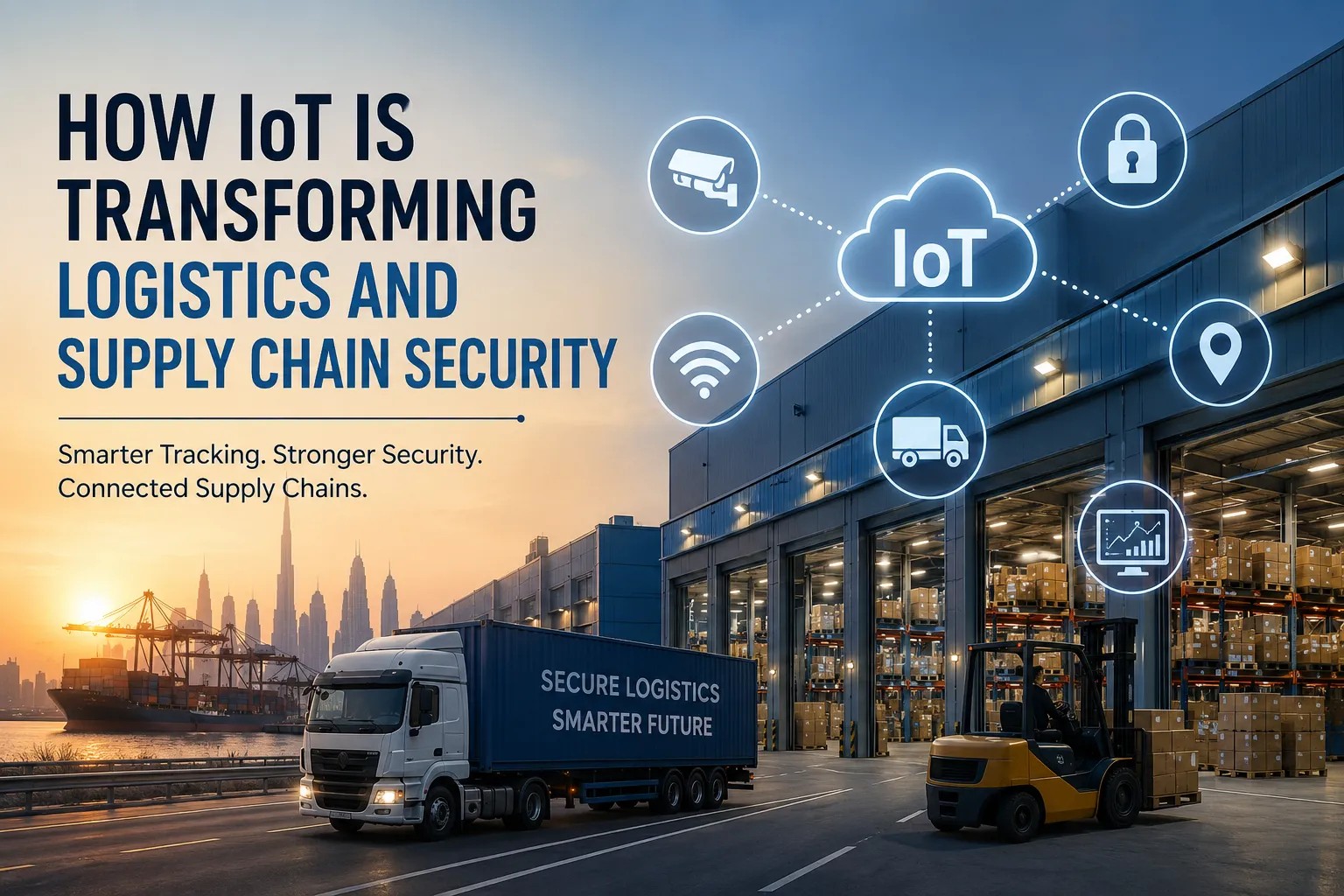

There was a time when logistics mostly depended on phone calls, paperwork, manual tracking sheets, and a lot of guesswork. If a shipment got delayed, businesses often didn’t know where the truck was until someone called the driver. If cargo was stolen or tampered with, companies usually discovered it much later — sometimes after the customer had already complained.
Things are changing now. Fast.
Today, IoT in logistics is reshaping the way supply chains operate, especially in fast-growing markets like the UAE where trade, transportation, warehousing, and global shipping move around the clock. Businesses no longer want delayed information. They want visibility in real time. They want control. And honestly, they need stronger security because the risks are much bigger than before.
That’s where connected technologies are making a real difference.
Why Logistics Security Has Become a Serious Concern
Modern supply chains are incredibly complex. Goods move across ports, warehouses, highways, and distribution centers before reaching customers. Somewhere in between, problems happen.
Cargo theft. Route deviation. Unauthorized access. Shipment tampering. Delayed deliveries. Inventory loss.
In regions like Dubai and across the UAE, where logistics is one of the fastest-growing sectors, even a small disruption can create massive operational and financial losses.
Traditional systems struggle because they mostly react after incidents occur. A standard CCTV camera records footage, but someone still has to sit and review it later. Manual gate registers are slow and prone to errors. GPS tracking alone doesn’t always tell the full story.
Businesses are now looking toward smarter systems that can actively monitor, analyze, and alert teams instantly.
What IoT Really Means in Logistics
People often think IoT is just about sensors. It’s much bigger than that.
The Internet of Things connects devices, vehicles, locks, cameras, software platforms, and monitoring systems into one intelligent network. These systems constantly exchange data without requiring manual updates every few minutes.
For logistics companies, this creates something they’ve always wanted but rarely had before: continuous visibility.
A shipment is no longer “somewhere on the road.” Companies can know:
- Exact vehicle location
- Route status
- Door opening activity
- Temperature conditions
- Driver behavior
- Delivery timelines
All in real time.
That level of transparency changes how businesses handle risk and operations.
Real-Time Tracking Is Changing Everything
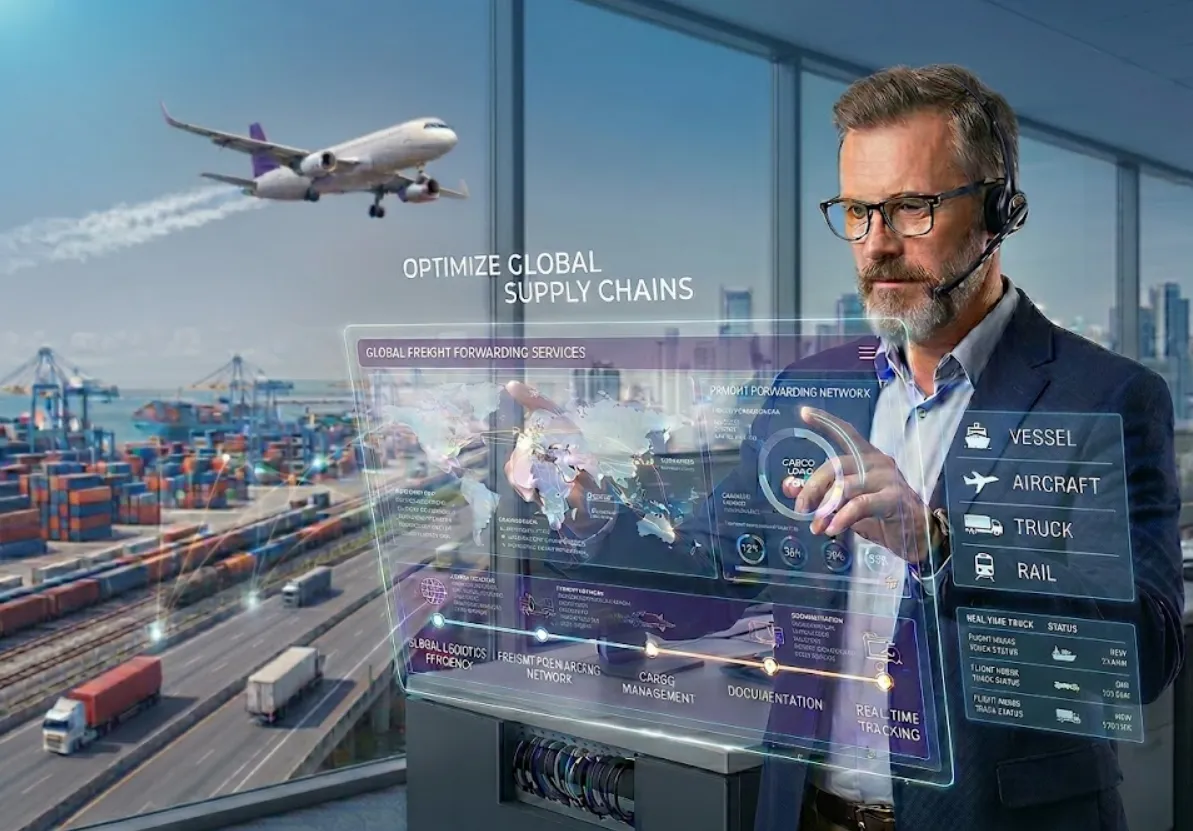
One of the biggest advantages of connected systems is real-time logistics tracking.
Earlier, if a truck stopped unexpectedly, nobody immediately knew why. Was it traffic? Fuel? Unauthorized unloading? Driver fatigue? Theft?
Now, logistics managers can monitor fleet movement live through centralized dashboards. If a vehicle deviates from the approved route, alerts can be triggered instantly.
This matters a lot in industries transporting:
- Fuel
- Pharmaceuticals
- Electronics
- Food products
- High-value inventory
Even customers have started expecting live shipment updates. Delayed communication damages trust quickly nowadays.
Better Visibility Means Better Security
A lot of logistics losses happen simply because companies don’t have visibility across the entire operation.
Different systems operate separately:
- CCTV in one place
- Vehicle tracking somewhere else
- Access logs in spreadsheets
- Inventory records on another platform
No unified monitoring.
Modern IoT logistics solutions bring everything together into a connected ecosystem. Cameras, GPS devices, smart locks, sensors, and analytics platforms work together instead of operating independently.
And honestly, this is where businesses start moving from reactive management to proactive security.
Smarter Warehouses Are Reducing Operational Risks
Warehouses are one of the busiest points in the supply chain. Trucks arrive constantly. Goods move rapidly between loading docks and storage zones. Temporary workers and contractors often enter facilities during peak periods.
Without proper monitoring, things get missed.
Using IoT in supply chain management, warehouses can automate several security and operational processes:
- Smart access control systems
- Automated inventory monitoring
- Live movement tracking
- Environmental sensors for storage conditions
- AI-powered surveillance alerts
It also reduces dependency on manual checks, which are often inconsistent during busy operations.
AI and IoT Are Becoming a Powerful Combination
The rise of AI and IoT in logistics is probably one of the biggest shifts happening in the industry right now.
IoT devices collect data. AI helps make sense of that data.
For example:
- AI systems can detect unusual movement inside a warehouse
- Cameras can identify unauthorized access automatically
- Software can predict delivery delays before they happen
- Fleet systems can identify risky driving behavior
Instead of just collecting information, businesses can now make faster decisions using intelligent insights.
And in logistics, faster decisions usually mean lower losses.
Cargo Theft Is Driving Technology Adoption
Cargo theft remains a major issue globally, including across Middle Eastern transportation corridors.
In many cases, theft happens during:
- Transit stops
- Route diversions
- Unsecured loading zones
- Unauthorized door openings
This is where IoT supply chain security becomes extremely valuable.
Smart locking systems now allow companies to secure cargo digitally. Some systems use OTP-based access where only authorized personnel can unlock shipments at approved destinations.
If someone tries to open a cargo container unexpectedly, the system immediately generates alerts.
That kind of visibility was difficult to achieve a few years ago.
Asset Tracking Is Becoming More Intelligent
Businesses don’t just want to track vehicles anymore. They want to track everything.
That includes:
- Containers
- Pallets
- Expensive equipment
- Fuel tankers
- Portable assets
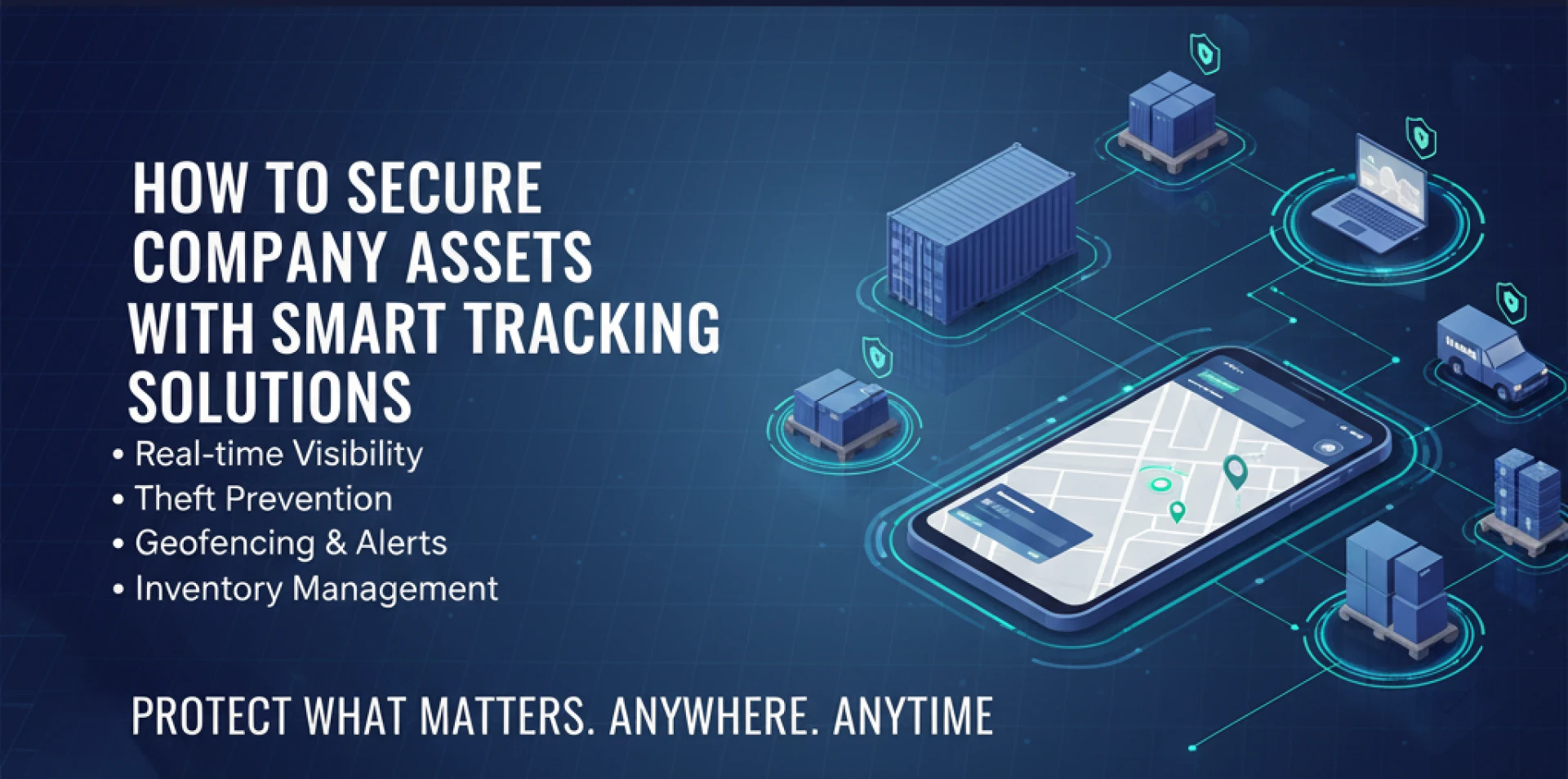
Using IoT asset tracking, companies can monitor asset movement continuously without relying on manual updates.
This improves:
- Inventory accuracy
- Delivery planning
- Theft prevention
- Asset utilization
For large logistics companies in the UAE managing operations across multiple locations, this becomes incredibly important.
Security Is No Longer Just Physical
A lot of people still think logistics security only means guards, gates, and cameras.
But today, IoT security in logistics also includes digital infrastructure protection.
Connected systems must protect:
- Operational data
- Fleet communication
- Cloud platforms
- Access credentials
- Device networks
If devices are poorly secured, attackers can manipulate systems remotely or disrupt operations.
That’s why businesses are investing in encrypted communication, secure access control, and centralized monitoring platforms alongside physical security systems.
The UAE Is Rapidly Adopting Smart Logistics Systems
The UAE is positioning itself as a global logistics and trade hub. With advanced ports, free zones, and large-scale infrastructure investments, businesses are under pressure to modernize operations quickly.
Traditional systems simply cannot keep up with the scale and speed required today.
Many logistics providers are now investing in:
- Smart fleet management
- AI-enabled monitoring
- Automated warehouses
- Intelligent cargo security systems
- Predictive maintenance technologies
This shift toward smart logistics solutions is helping companies improve efficiency while reducing operational risk.
And honestly, businesses that delay modernization may struggle to compete over the next few years.
Why Businesses Are Moving Toward Connected Security Platforms
One major problem with traditional logistics security is fragmentation.
Different systems don’t communicate with each other properly.
Connected platforms solve this issue by combining:
- Vehicle tracking
- Smart locks
- Surveillance analytics
- Route monitoring
- Access control
- Alert systems
into one unified dashboard.
This creates stronger secure logistics management because operations teams can monitor multiple locations from a single interface.
Instead of investigating incidents after they occur, businesses can identify risks while they’re happening.
That changes everything operationally.
Challenges Still Exist
Of course, adopting IoT systems isn’t completely effortless.
Businesses still face challenges like:
- Integration with old infrastructure
- Initial deployment costs
- Staff training
- Cybersecurity concerns
- Device maintenance
But despite these concerns, most companies realize the long-term benefits are much bigger than the temporary implementation challenges.
Especially when security losses and operational inefficiencies are already costing businesses significant amounts every year.
The Future of Logistics Will Be Connected
The logistics industry is entering a phase where visibility, automation, and intelligence are becoming standard expectations rather than optional upgrades.
Companies want systems that:
- Detect problems instantly
- Prevent losses proactively
- Improve operational efficiency
- Reduce manual dependency
- Provide complete shipment transparency
And connected technology is making that possible.
The businesses adapting early are gaining stronger operational control, better customer trust, and improved security across their supply chains.
The rest may eventually have to catch up.
FAQs
Q1. How is IoT used in logistics?
IoT is used in logistics for vehicle tracking, shipment monitoring, warehouse management, smart locks, and real-time visibility across supply chain operations.
Q2. How does IoT improve supply chain security?
IoT improves security by monitoring cargo movement, detecting unauthorized access, sending instant alerts, and helping businesses track shipments in real time.
Q3. What are smart logistics solutions?
Smart logistics solutions use connected devices, sensors, AI, and automation to improve transportation, inventory tracking, fleet management, and operational efficiency.
Q4. Why is real-time tracking important in logistics?
Real-time tracking helps businesses monitor shipments live, reduce delays, prevent theft, and improve delivery accuracy for customers.
Q5. What is IoT asset tracking?
IoT asset tracking uses connected devices and GPS technology to monitor the location and movement of assets like vehicles, containers, and equipment.
Q6. How does AI help in logistics security?
AI helps by analyzing data, detecting suspicious activity, identifying unusual patterns, and generating instant alerts for faster response.
Q7. What are the benefits of IoT in supply chain management?
IoT helps improve visibility, operational efficiency, inventory accuracy, shipment monitoring, and overall supply chain coordination.
Q8. Is IoT security important for logistics companies?
Yes. Connected logistics systems handle critical operational and shipment data, so strong cybersecurity and secure monitoring systems are essential.






















Sign in to leave a comment.