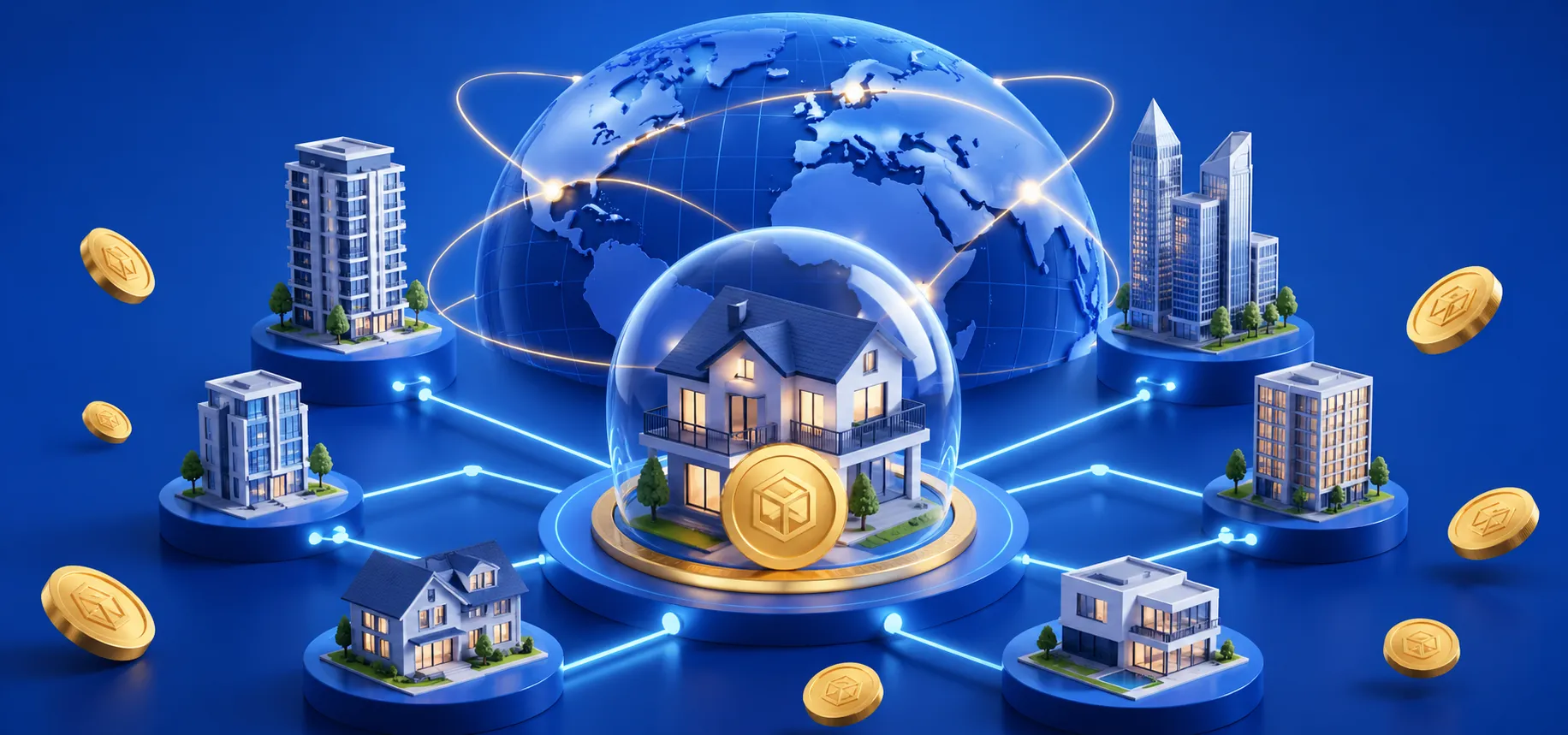

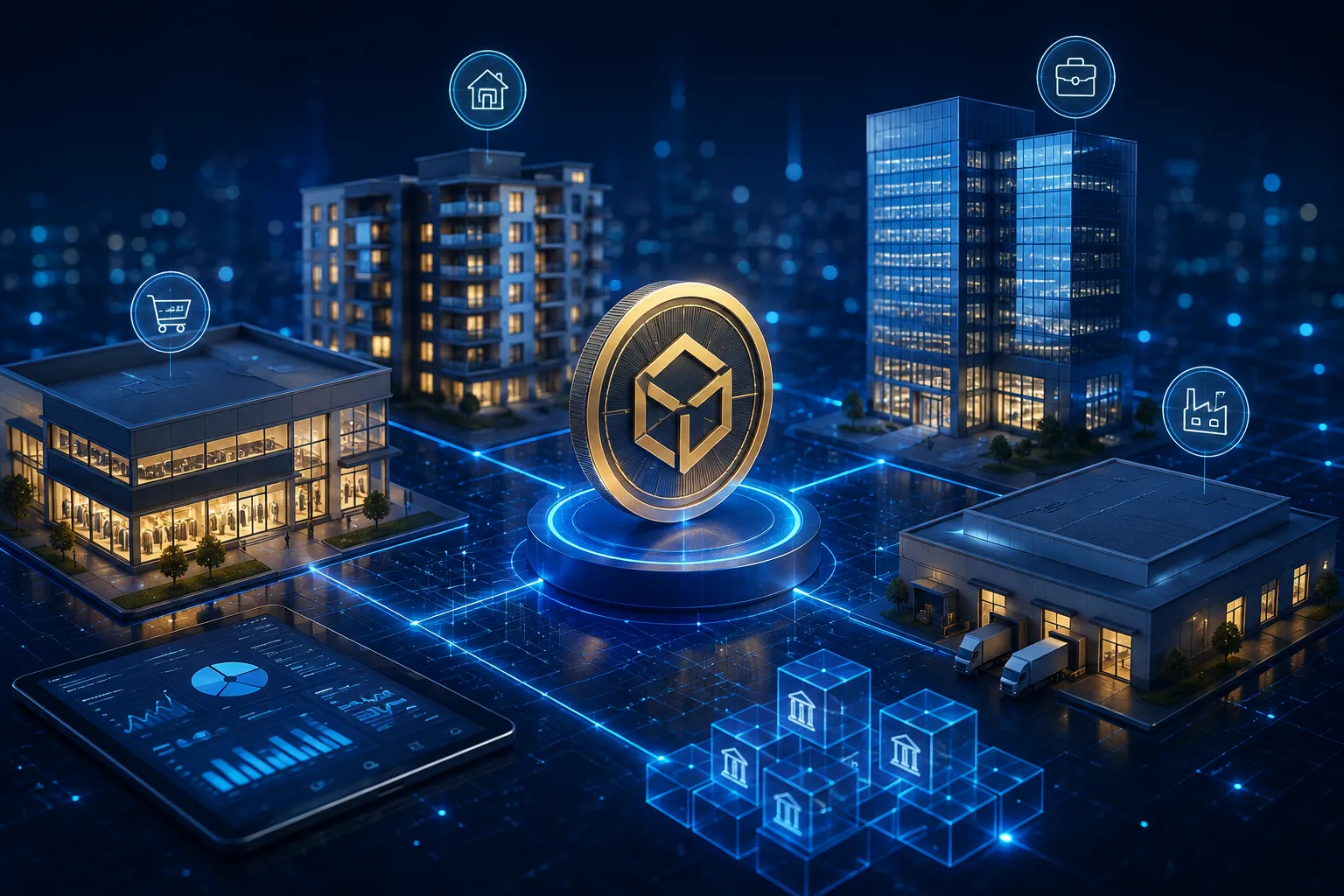
Property investment has long been associated with high entry costs, complex ownership structures, and limited access for small investors. For decades, real estate remained a space dominated by institutions, wealthy individuals, and large funds. However, a shift is underway. Real Estate Tokenization is gradually changing how people access, own, and trade property assets across borders.
Instead of relying on traditional buying processes, this model uses blockchain-based tokens to represent ownership in physical properties. These tokens can be divided into smaller units, allowing multiple investors to participate in a single asset. As a result, barriers that once prevented wider participation are being reduced in many regions.
This blog explains how this approach is opening global markets, improving accessibility, and reshaping how investments in property are structured.
Understanding Real Estate Tokenization
Real Estate Tokenization refers to converting ownership rights of a property into digital tokens stored on a blockchain network. Each token represents a fraction of ownership in a real estate asset. Investors can purchase these tokens instead of buying an entire property.
This process is managed through smart contracts, which define ownership rights, profit distribution, and transaction rules. A Real Estate Tokenization company typically handles the technical setup, legal structuring, and issuance of tokens.
Unlike traditional property investments, where paperwork and intermediaries dominate the process, tokenized assets allow investors to interact through digital platforms.
Traditional Barriers in Real Estate Investment
Before understanding how tokenization changes the landscape, it is important to look at the challenges that existed earlier.
High Capital Requirements
Buying property requires significant upfront investment. In many countries, even small residential units demand large financial commitments, making it difficult for average investors to participate.
Limited Liquidity
Real estate is not easily sold. Finding buyers, completing legal procedures, and transferring ownership can take months. This lack of liquidity discourages many potential investors.
Geographic Restrictions
Investing in international property markets involves regulatory hurdles, currency exchange complexities, and local legal knowledge. These factors restrict cross-border participation.
Complex Ownership Structures
Managing co-ownership or shared investment in traditional real estate can be difficult. Disputes, unclear agreements, and legal challenges often arise.
Dependence on Intermediaries
Brokers, banks, legal advisors, and agents play a major role in property transactions. Their involvement increases both cost and time.
Fractional Ownership: Lowering Entry Barriers
One of the most significant contributions of real estate asset tokenization is fractional ownership. Instead of purchasing an entire property, investors can buy smaller portions through tokens.
For example, a commercial property worth $1 million can be divided into thousands of tokens. Investors can purchase tokens based on their budget, making property investment accessible to a broader audience.
This model allows:
- First-time investors to enter the market
- Diversification across multiple properties
- Reduced financial risk per investment
Real Estate Tokenization Services often include platforms where users can browse available assets and invest with smaller amounts.
Increased Liquidity in Property Markets
Liquidity has always been a major concern in real estate Tokenization introduces the possibility of secondary markets where tokens can be traded.
Instead of waiting months to sell a property, investors can sell their tokens to other participants on digital exchanges. This improves flexibility and allows investors to exit investments when needed.
Real Estate Tokenization Platform Development focuses on creating marketplaces where such trading can occur securely and efficiently.
While liquidity depends on market demand and regulations, the model still offers a faster alternative compared to traditional processes.
Global Access to Investment Opportunities
Real Estate Tokenization removes many geographic limitations. Investors from one country can participate in property markets in another without dealing with complex legal structures directly.
For instance, an investor in Asia can own a fraction of a commercial building in Europe or North America. This cross-border accessibility opens new opportunities for diversification.
A Real Estate Tokenization Development company typically ensures compliance with regional laws, making it easier for global investors to participate without needing in-depth local knowledge.
Improved Transparency and Record Keeping
Blockchain technology records every transaction in a secure and immutable ledger. Ownership details, transaction history, and asset information are stored digitally.
This reduces the chances of fraud, duplication, or disputes related to ownership. Investors can verify their holdings and track performance without relying entirely on third parties.
Real estate tokenization development uses smart contracts to automate processes such as dividend distribution, ownership transfer, and compliance checks.
Reduced Transaction Costs
Traditional real estate transactions involve multiple intermediaries, each adding to the overall cost. Legal fees, brokerage charges, and administrative expenses can significantly increase the investment burden.
Tokenized platforms reduce the number of intermediaries involved. Transactions are executed through smart contracts, which lowers operational costs.
Real Estate Tokenization Development Services often focus on creating efficient systems that minimize unnecessary expenses while maintaining compliance.
Faster Transactions and Settlements
Property deals typically take weeks or months to complete due to documentation, verification, and approval processes.
With tokenization, ownership transfer can occur within minutes once the transaction is validated on the blockchain. This speed benefits both buyers and sellers.
Real Estate Tokenization Platform Development includes features that automate verification processes, reducing delays associated with manual procedures.
Democratization of Real Estate Investment
Tokenization allows a broader group of people to participate in property investment. It reduces the gap between institutional investors and individuals.
People who previously had no access to real estate markets can now invest with smaller amounts. This shift supports financial inclusion and creates new investment avenues for a wider audience.
A Real Estate Tokenization company often provides user-friendly platforms where individuals can easily understand and invest in available properties.
Diversification Made Easier
Traditional property investment often ties up capital in a single asset. This increases risk, especially if the asset underperforms.
With tokenization, investors can spread their funds across multiple properties in different locations and sectors. For example:
- Residential properties
- Commercial buildings
- Industrial spaces
- Hospitality assets
This diversification helps balance risk and improves the potential for stable returns.
Regulatory Developments and Compliance
Regulation plays an important role in the growth of Real Estate Tokenization. Different countries have varying rules regarding digital assets and property ownership.
A Real Estate Tokenization Development company ensures that token offerings comply with local laws, including securities regulations and investor protection standards.
Although regulations are still evolving, many governments are gradually recognizing the potential of tokenized assets and working toward clearer frameworks.
Role of Technology in Real Estate Tokenization
Technology is at the center of this shift. Blockchain, smart contracts, and digital wallets are key components of tokenized platforms.
Real estate tokenization development involves:
- Smart contract creation for ownership and transactions
- Blockchain integration for secure record keeping
- User interfaces for investors to access and manage assets
- Security protocols to protect user data and funds
Real Estate Tokenization Platform Development ensures that these components work together efficiently.
Challenges and Limitations
While tokenization offers several benefits, it is not without challenges.
Regulatory Uncertainty
Laws regarding digital assets differ across regions. This creates uncertainty for investors and developers.
Market Adoption
The concept is still gaining awareness. Many investors are unfamiliar with how tokenized assets work.
Technical Risks
Blockchain systems require strong security measures. Vulnerabilities can lead to financial losses if not addressed properly.
Liquidity Dependency
Although tokenization improves liquidity, actual trading depends on market participation. Without active buyers and sellers, liquidity may remain limited.
Real Estate Tokenization Services often include educational resources to help users understand these risks.
Real-World Use Cases
Several projects worldwide are already using real estate asset tokenization to offer fractional ownership.
Examples include:
- Tokenized commercial buildings in major cities
- Residential rental properties shared among multiple investors
- Luxury real estate divided into smaller investment units
These cases demonstrate how the model is being applied in practical scenarios.
Future Outlook
The adoption of Real Estate Tokenization is expected to grow as technology matures and regulations become clearer. Financial institutions, property developers, and investors are showing increasing interest in this model.
A Real Estate Tokenization company may focus on expanding platform capabilities, improving user experience, and ensuring compliance with global standards.
As awareness increases, more investors may consider tokenized property as part of their portfolios.
Conclusion
Real Estate Tokenization is gradually changing how property investment works across the world. By introducing fractional ownership, improving liquidity, and allowing cross-border participation, it addresses many of the barriers that once limited access to real estate markets.
Although challenges remain, ongoing developments in technology and regulation indicate a steady shift toward wider adoption. Real Estate Tokenization Development Services and platforms continue to evolve, offering new ways for individuals and institutions to engage with property assets.
For investors seeking alternative approaches to traditional real estate, tokenization presents a model that aligns with modern financial systems while opening opportunities that were previously out of reach.


























Sign in to leave a comment.