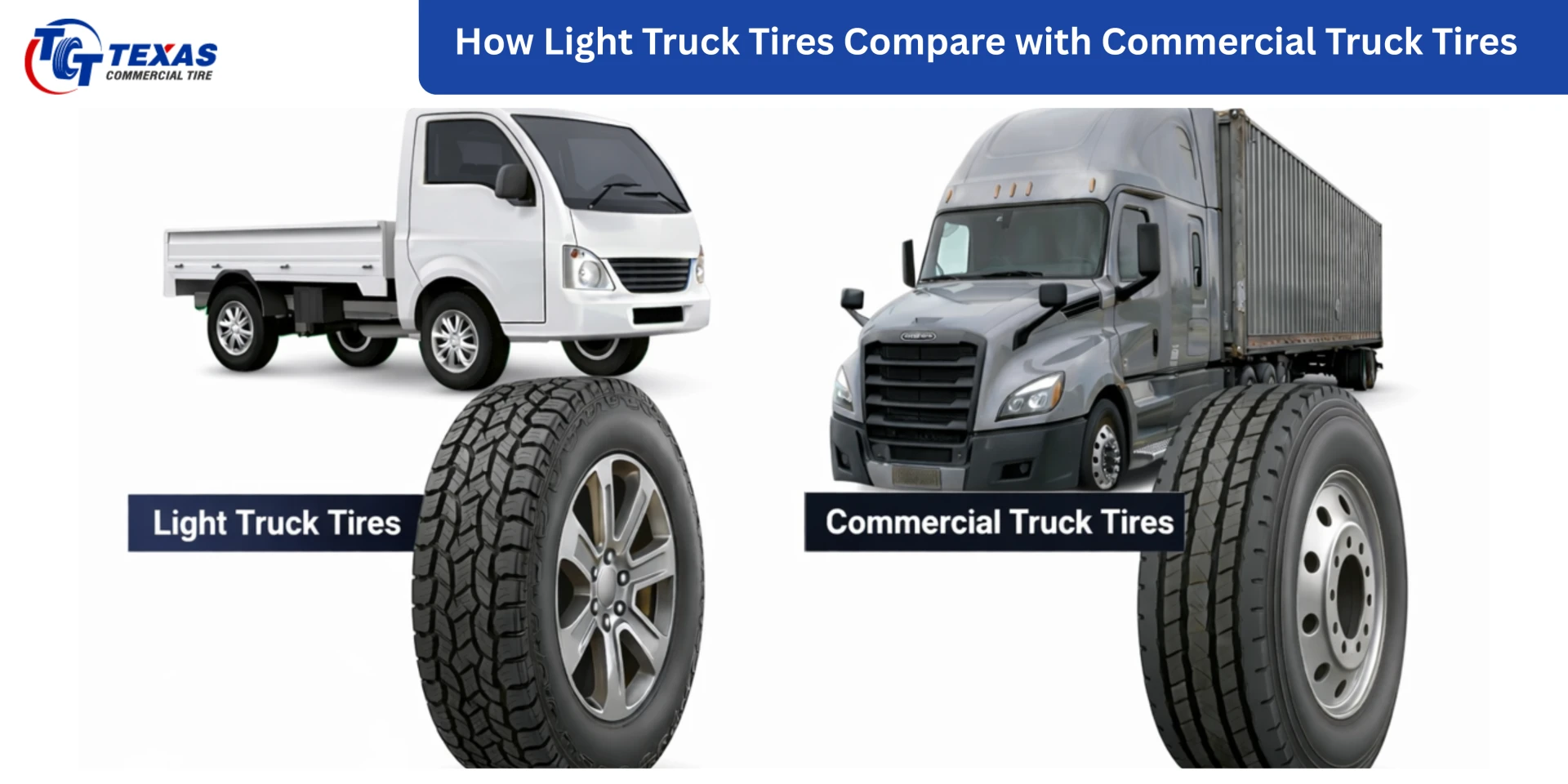

When you look at truck tires, you might think that all the light and heavy-looking tires are the same. That is not true. Truck tires are made to handle various things, so the design of tires changes a lot.
Local transport and a heavy commercial truck running long routes face very different demands, which is why choosing the right type matters more than it may first appear. For businesses that depend on daily vehicle performance, selecting the correct commercial tires is not just about size. Tire strength, pressure handling, tread design, and durability are important for safety.
They also influence fuel use, handling consistency, and overall vehicle reliability. If the wrong tire is used for the job, it may wear out faster, reduce vehicle control, and create avoidable downtime.
Understanding Light Truck Tires
A light truck tire is made for vehicles such as pickups, utility vans, and some sport utility vehicles that regularly carry moderate loads or operate on mixed road conditions. These tires are designed to offer a balance between load support, road comfort, and everyday handling.
Compared with passenger vehicle tires, they usually have stronger sidewalls and slightly deeper tread patterns. This helps people manage towing and hauling, and it also helps with driving on uneven roads. However, they are not built for continuous heavy-duty commercial work.
Many people drive their trucks on city streets, highways, and sometimes on rough ground, so the tires need to be good for a variety of conditions, not just for heavy work all the time.
What Makes Commercial Truck Tires Different
Commercial truck tires are designed for rigs that carry heavy loads over long distances. These tires are often used on delivery trucks, freight trucks, trailers, and other heavy fleet vehicles that are on the road all day.
The main thing that sets them apart is their durability. Commercial truck tires are made to carry significantly more weight without losing structural stability. They also operate under higher inflation pressures, which helps support axle loads safely over long distances.
Unlike light-duty applications, commercial tires are expected to maintain performance under constant pressure, heat, and repeated long-haul use. This is why their internal construction is much stronger.
Construction Differences That Matter on the Road
When you look at both tire types, they seem the same. The way they are made inside is really different.
1. Light Truck Tires
Designed with moderate reinforcement for lighter loads and flexible daily driving. Their sidewalls are strong enough for local hauling and towing, but they remain flexible enough to provide everyday ride comfort.
2. Commercial Truck Tires
Built with stronger reinforcement, thicker sidewalls, and greater internal durability for continuous heavy use. This helps them stay stable under constant load and resist damage from heat buildup during long runs.
The tread compound also differs. Commercial tires are made with rubber that lasts longer when you drive a lot. On the other hand, light truck tires are made with special compounds that make them last longer and handle better.
Load Capacity and Inflation Are Not the Same
One big difference between the two tires is the weight they can carry.
1. Light Truck Tires
Assigned load ranges suitable for smaller cargo demands. They can support moderate towing and hauling, but only within specific limits.
2. Commercial Truck Tires
They are built for much heavier axle loads. Their inflation pressures are also higher because more air pressure is needed to safely carry the weight and maintain tire structural stability during long operations. If a lighter tire is used where a commercial-grade tire is required, heat builds more quickly, wear increases, and the risk of failure rises rapidly.
Matching tire capacity to vehicle duty is always more important than appearance alone.
Tread Design Follows Vehicle Purpose
Tread pattern plays a big role in how a tire performs.
1. Light Truck Tires
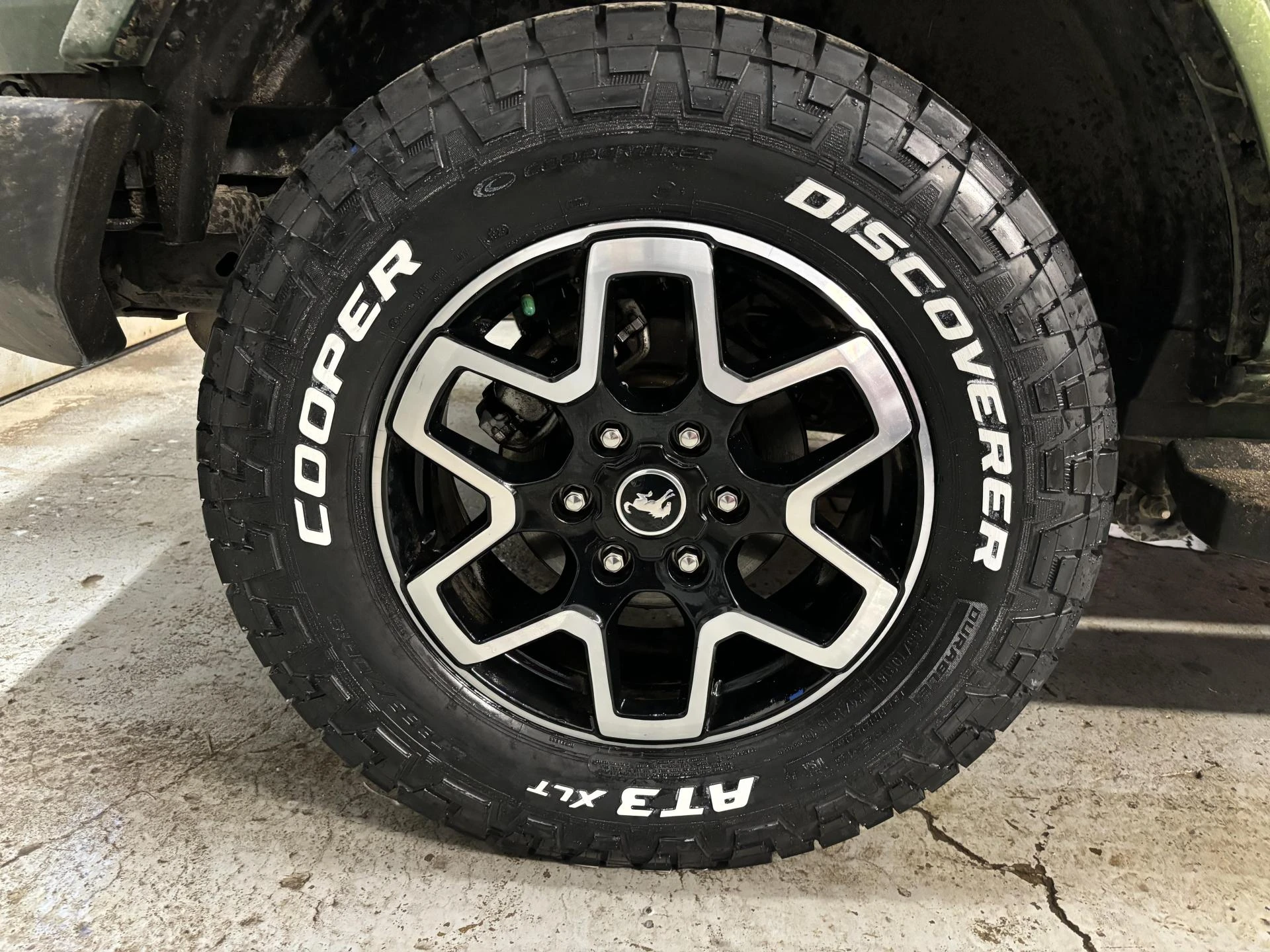
These tires usually feature tread patterns that handle all sorts of weather, keeping the ride quiet while providing plenty of grip. They’re built for a comfortable highway drive, steady steering on rainy roads, and even a bit of light off-roading when you need it.
2. Commercial Truck Tires
Focus primarily on the endurance, stability, and load capacity of the tires. Tires on the steering axle usually have rib patterns to improve straight-line tracking. In contrast, the tires on the driving axle have a more aggressive, deeper pattern for traction in high-torque, driving conditions.
This difference exists because commercial vehicles require predictable wear over long service periods, while lighter trucks often require more flexible road behaviour.
Service Life and Wear Behavior
Another big difference shows up down the road.
1. Light Truck Tires. These work great for your daily commute, but if you're constantly hauling heavy loads, they’ll wear out way faster than they should. You’ll start seeing bald edges, heat damage, and weak spots in the sidewalls much sooner if you push the tire past what it was built to handle.
2. Commercial Truck Tires
In many fleet operations, they are also chosen because some designs can be retreaded, extending usable life and lowering long-term costs.
This longer service life becomes important when trucks operate every day, and tire replacement affects operating budgets.
Cost Is Different, but So Is Long-Term Value
1. Commercial Truck Tires
Usually cost more at purchase, but that higher cost reflects stronger construction and longer service potential.
2. Light Truck Tires
They are less expensive because they are built for lighter vehicle demands.
This is why many fleet owners seek a balance between price and quality. A low price tag might look good at first, but how long the tire lasts, how well it handles a heavy load, and how reliably it stays on the road are usually more important in the long run.
Why Correct Tire Selection Affects Daily Operations
Choosing the right tire is more than moving forward. The best tire isn't always the priciest; it’s the one designed for the specific job your vehicle does. When the tire matches the work, the vehicle stops when it should, steers smoothly, and gets better gas mileage.
A light truck used for local errands doesn't need the heavy-duty build of a long-haul freight truck. On the flip side, you shouldn't put a light-duty tire on a heavy-duty vehicle just because the sizes match.
When tire type does not match vehicle duty, small issues appear early, such as irregular wear, reduced steering feel, and more frequent maintenance interruptions.
For businesses running trucks daily, tire selection is a simple yet more practical way to avoid unnecessary downtime.
A Simple Way to Look at Tire Value
Price is only one factor in choosing a tire. How the tire handles daily use also matters. Some options cost less at first but may wear out sooner when used often. A tire that keeps working well for a longer period makes more practical sense.
A reliable commercial tire shop can help operators match tire size, load rating, and application correctly before small mistakes become costly problems, and use it however you need to.

























Sign in to leave a comment.