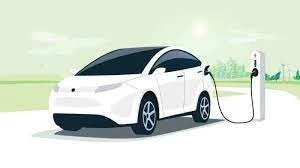

With the increasing concern over environmental sustainability and rising fuel costs, electric vehicles (EVs) have gained significant popularity in recent years. Among the many components of an electric car, the battery pack plays a crucial role in determining its performance and longevity. As more people consider switching to electric vehicles, one important question remains: How long do electric car batteries last?
In this comprehensive analysis, we will explore the factors affecting the lifespan of electric car batteries, their expected longevity, and how these considerations may relate to car rental in USA.
Understanding Electric Car Batteries
Lithium-ion (Li-ion) batteries, which have a high energy density and can keep a lot of energy in very small and light packaging, are generally used as the power source for electric cars. These batteries are composed of multiple cells, and the overall performance and lifespan of the battery pack depend on the quality of these individual cells and their management system.
Factors Affecting Battery Lifespan
Several factors influence the lifespan of electric car batteries:
Battery Chemistry
The battery chemistry used in an electric vehicle can significantly impact its lifespan. Lithium-ion batteries, currently the most common, tend to have a longer life than older battery technologies like nickel-metal hydride (NiMH).
Temperature
Extreme hot and cold temperatures can negatively affect battery performance and longevity. High temperatures can accelerate battery degradation, while extreme cold can reduce the battery's ability to hold a charge.
Read more: Activities - Sunset Catamaran Cruise
Charge and Discharge Cycles
Each time an electric car battery is charged and discharged, it undergoes a cycle. A battery's lifespan greatly depends on how many charge and discharge cycles it can withstand before losing capacity.
Depth of Discharge
Fully discharging the battery regularly can lead to increased stress on the cells, reducing their longevity. Shallower discharges (not going below 20-30% capacity) are generally better for battery health.
Charging Habits
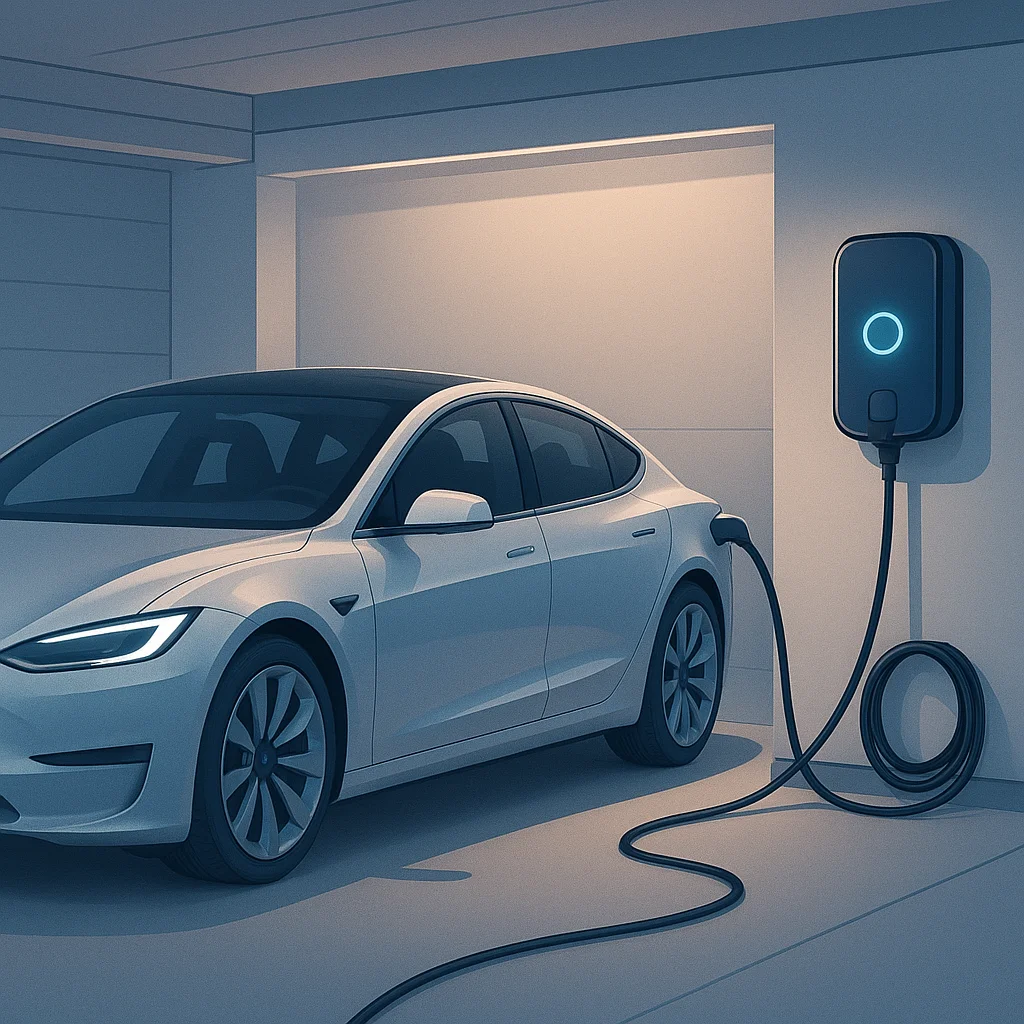
How an electric vehicle is charged can affect battery life. Fast charging, especially at high temperatures, can be more stressful on the battery than slower charging.
Vehicle Use and Driving Style
Aggressive driving habits and frequent acceleration can put more strain on the battery, potentially leading to faster degradation.
Expected Lifespan of Electric Car Batteries
On average, electric car batteries are designed to last between 8 to 15 years, depending on the abovementioned factors. However, it's important to note that this is not a strict timeline. Some batteries might degrade more quickly, while others could last longer, depending on how they are used and maintained.
Battery Degradation and Capacity Loss
Over time, all batteries experience degradation, which means they gradually lose their ability to store a charge. Battery degradation in electric vehicles is commonly measured in terms of capacity loss. A new electric car battery typically has a capacity of around 95-100%, but this capacity gradually reduces over the years. After several years of use, the battery's capacity might be around 70-80% of its original capacity.
Battery Warranty Coverage
Most electric vehicles have a battery warranty to give consumers peace of mind regarding battery performance. Battery warranties typically cover capacity loss and specific defects for a certain number of years or miles. In the USA, it's common for electric car manufacturers to offer battery warranties that last between 8 to 10 years or cover up to 100,000 miles, whichever comes first. Some manufacturers even offer longer warranties for specific battery components.
Impact on Car Rentals in USA
As electric vehicles gain popularity, car rental companies in the USA have increasingly included them in their fleets. This allows consumers to experience the benefits of electric vehicles without committing to long-term ownership. However, battery lifespan and degradation become crucial considerations for car rental companies.
Maintenance and Monitoring
Car rental companies need to invest in proper battery maintenance and monitoring to ensure their electric vehicles perform optimally and detect potential battery issues early on.
Battery Replacement
As batteries age and experience capacity loss, car rental companies might need to replace batteries in their electric vehicles to maintain their performance and range, especially in high-mileage rental cars.
Charging Infrastructure
Car rental companies must have a robust charging infrastructure to support electric car rental in USA. This includes fast-charging stations to ensure quick turnaround times for rental vehicles.
Vehicle Selection
Car rental companies must carefully consider the specific electric vehicle models they include in their fleets. Understanding the expected battery lifespan of each model and its battery warranty coverage can help make informed decisions.
Educating Renters
Car rental companies can play a vital role in educating renters about electric vehicles, including battery care tips and charging etiquette. Providing clear instructions on maximizing battery life can benefit both the renters and the rental company.
Conclusion
Electric car batteries have come a long way in terms of technology and longevity, and they continue to improve with advancements in battery chemistry and management systems. While the anticipated battery life of electric vehicles varies based on some factors, it typically ranges from 8 to 15 years. Battery degradation, measured in capacity loss, is a natural process that occurs over time, but battery warranties provided by manufacturers offer coverage for a certain number of years or miles.
Car rental in United States, including electric vehicles in their fleets, requires careful consideration of battery lifespan, proper maintenance, and a robust charging infrastructure. Educating renters about electric vehicles and battery care can contribute to a positive rental experience while promoting the benefits of sustainable transportation.
As contemporary technology continues to evolve, future electric car batteries will likely have even longer lifespans and improved performance, making electric vehicles an even more attractive option for car rentals and personal ownership alike. In the meantime, understanding battery lifespan and implementing best practices can help ensure the continued success of electric car rentals in USA and beyond.

























Sign in to leave a comment.