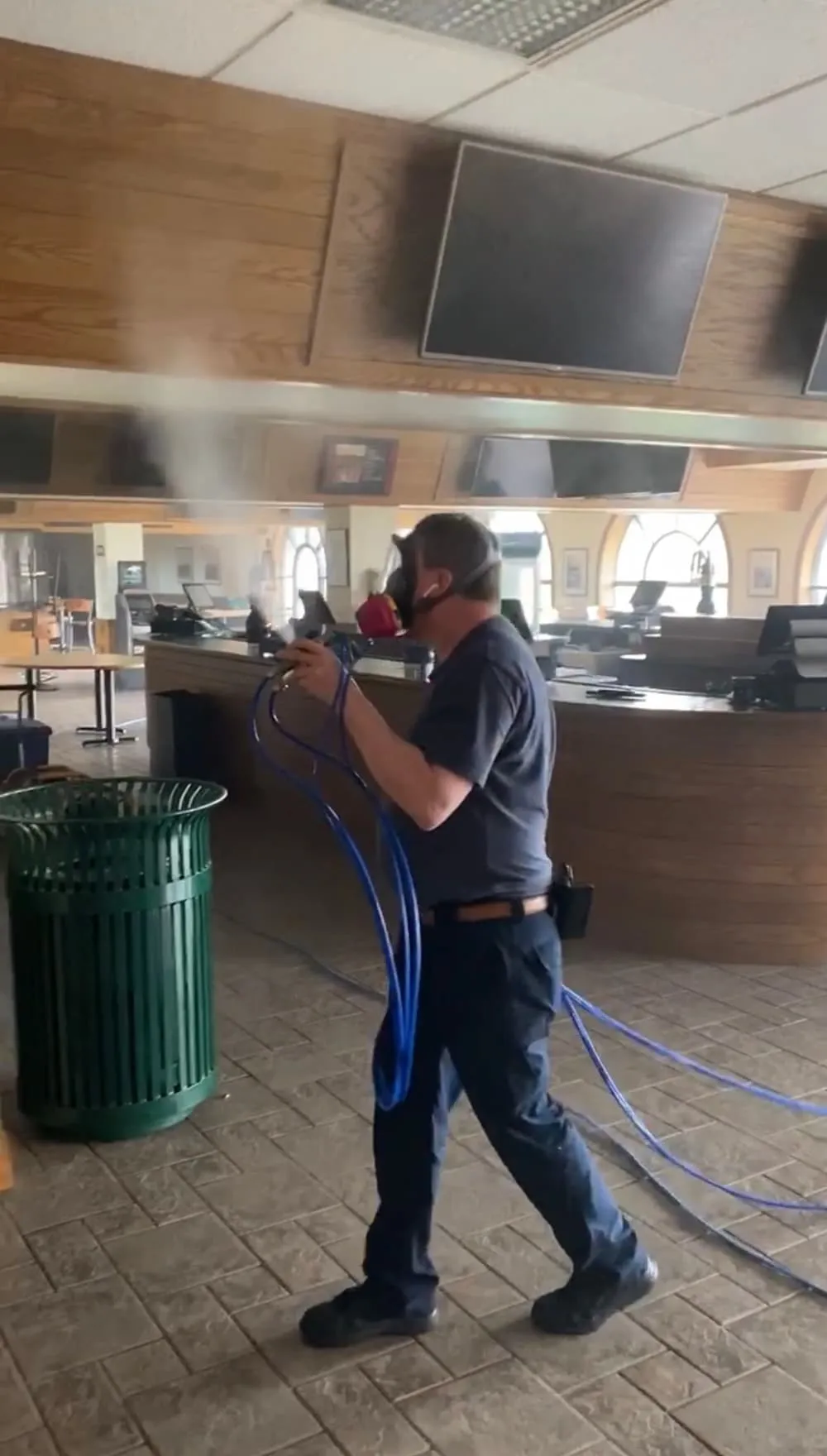

Mold can remain hidden behind materials, inside cavities, beneath flooring, or in areas where moisture is difficult to observe. A visual examination may identify obvious growth, but it may not explain the environmental conditions responsible for the problem. Mold inspection services provide a structured approach to evaluating visible indicators, moisture patterns, building conditions, and connected spaces. A whole home inspection can also consider airflow, HVAC pathways, crawlspaces, humidity, and pressure differences. This broader perspective helps professionals determine whether a concern appears localized or connected to a wider indoor environmental pattern.
Recognizing Environmental Warning Signs
Several conditions can indicate that further investigation may be useful. Persistent musty odors, water staining, condensation, elevated humidity, damaged materials, recurring leaks, and unexplained deterioration can all provide important clues. These signs do not automatically confirm mold, but they can identify areas where moisture or environmental instability may exist. Professionals can document these observations and evaluate their relationship to other portions of the building. This process allows an inspection to focus on understanding the environmental story of the property rather than simply locating a visible patch of growth.
Investigating Moisture Conditions
Moisture investigation is an important component of understanding mold concerns because fungal growth is closely associated with damp conditions. Water can originate from plumbing leaks, roof damage, drainage problems, condensation, groundwater, or indoor humidity. Some sources may remain concealed and continue affecting materials without producing obvious surface water. Inspection methods can help identify suspicious areas and establish whether moisture conditions are present. Understanding the moisture source can also help property owners determine which corrective actions may be necessary to reduce the possibility of recurring environmental problems.
Understanding the Home as a Connected System
A home functions through interconnected systems rather than isolated rooms. Air moves between spaces, pressure changes occur throughout the structure, and moisture can migrate through materials and cavities. Crawlspaces may influence rooms above them, while attics and mechanical systems can affect air movement in other areas. An inspection that considers these relationships can provide a more complete understanding of indoor environmental conditions. This approach is particularly useful when symptoms or odors appear in one location while the likely environmental contributor exists somewhere else within the property.
Whole Home Contamination Patterns
A contamination pattern may reveal information about how an environmental concern developed and moved. For example, multiple areas with similar moisture indicators may suggest a shared source or connected pathway. Differences between rooms can also provide useful clues about ventilation and pressure conditions. Rather than assuming that every affected location is independent, professionals can compare findings across the property. This helps establish whether the concern appears isolated or whether a broader investigation is warranted. Understanding these patterns supports more precise decision making and may reduce unnecessary work in unaffected areas.
HVAC and Airflow Considerations
HVAC systems influence how air circulates through many properties. If affected areas interact with return air pathways or other mechanical components, the system may warrant additional evaluation. However, the presence of mold in a building does not automatically mean that the HVAC system is contaminated. Its relevance should be determined through inspection findings and building configuration. Considering airflow allows professionals to understand potential relationships between spaces and determine whether additional areas should be examined. This balanced approach helps avoid both overlooking meaningful connections and recommending unnecessary intervention.
Crawlspaces and the Stack Effect
Crawlspaces can be environmentally significant because they may experience higher humidity, soil moisture, condensation, or drainage problems. These conditions can influence the spaces above them through air movement and connected building pathways. The stack effect can contribute to pressure driven air movement as warmer air rises and replacement air enters lower portions of a structure. This behavior can help explain why odors or airborne concerns may travel between levels. A whole home inspection can consider these dynamics when determining whether lower areas may contribute to conditions observed in occupied spaces.
Evaluating Humidity Ecology
Humidity is not simply a number recorded during an inspection. It is part of a larger environmental pattern involving temperature, ventilation, weather, building materials, and moisture sources. Persistent humidity can increase the potential for condensation and create conditions favorable to mold. A professional evaluation can consider whether elevated humidity appears temporary or consistent with an ongoing environmental issue. This information can help property owners understand whether moisture management should form part of the broader response. Addressing humidity appropriately may be important for maintaining stable indoor conditions after an inspection.
Technology and Non Invasive Investigation
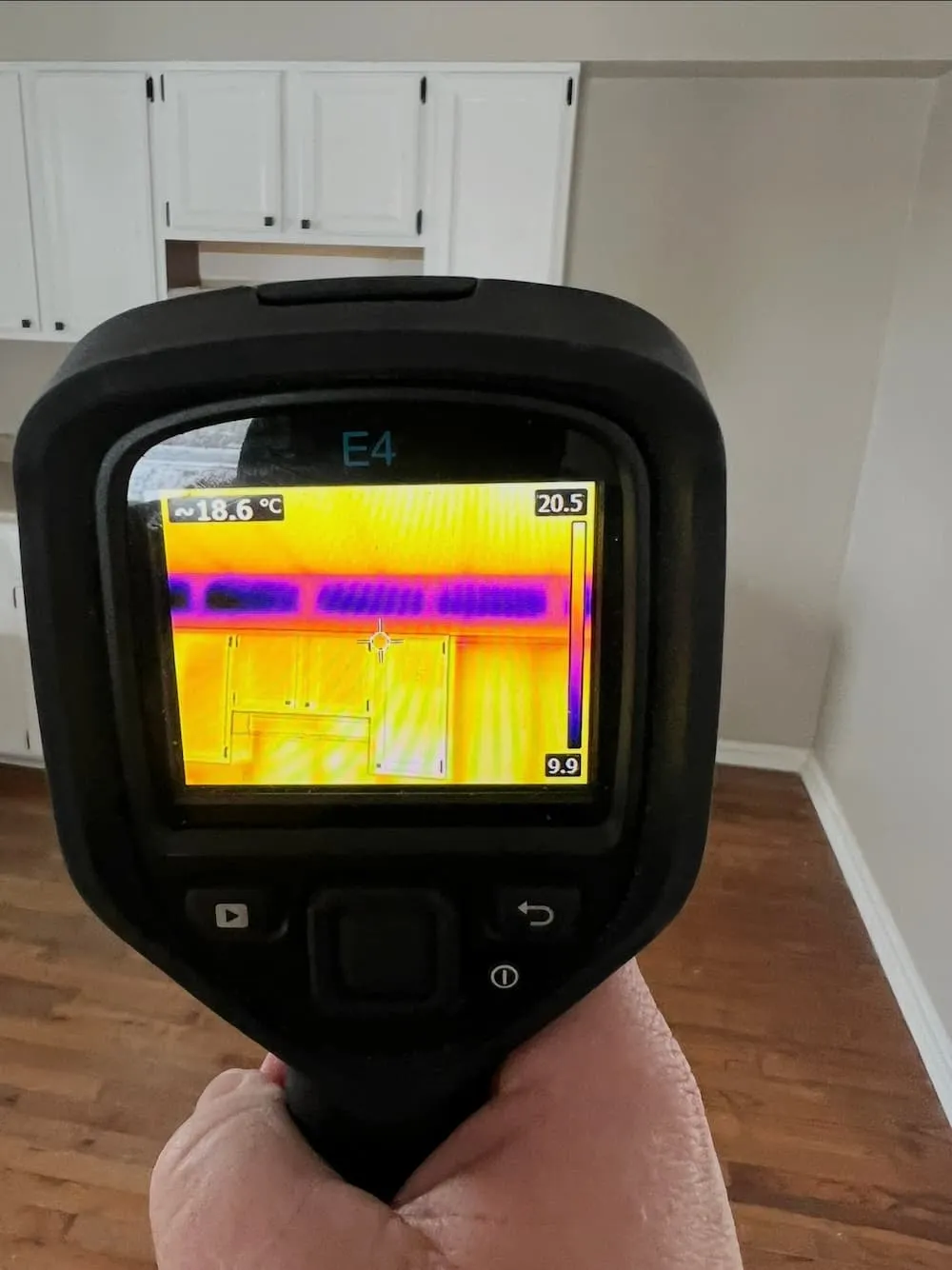
Modern inspection approaches can provide useful information without immediately disturbing building materials. Moisture measurement equipment, thermal imaging, humidity monitoring, and detailed visual assessment can help identify areas that deserve closer attention. These tools do not replace professional judgment, and unusual readings require interpretation within the context of the building. Non invasive investigation can be especially valuable when property owners want to understand conditions before considering destructive work. It allows professionals to gather information systematically and determine whether additional testing or material evaluation is justified.
When Further Testing May Be Useful
Inspection and testing serve different purposes. An inspection evaluates the property and identifies environmental conditions that may indicate a concern, while testing can provide additional information in situations where sampling is appropriate. Testing should not automatically be treated as necessary for every suspected mold problem. Its usefulness depends on the questions being asked and the information already available. When selected appropriately, testing can supplement inspection findings and help clarify specific environmental questions. The most meaningful results come from placing testing within the larger context of the property's moisture and airflow conditions.
From Inspection Findings to Environmental Improvement
Inspection is most valuable when its findings can guide practical decisions. Once environmental conditions have been identified, property owners can consider appropriate measures such as moisture correction, targeted cleaning, material removal, ventilation improvements, or humidity management. The recommended approach should reflect the actual conditions rather than follow a predetermined procedure. Some concerns may require limited intervention, while others may involve multiple connected areas. A careful inspection provides the information needed to distinguish between these situations and can help property owners avoid both underreaction and unnecessary disruption.
Building Long Term Awareness
An inspection can also improve a property's long term environmental awareness. Understanding where moisture accumulates, how air moves, and which areas are vulnerable allows property owners to monitor conditions more effectively. Early attention to leaks, condensation, drainage problems, and unusual odors may prevent small concerns from becoming larger problems. Indoor environmental health is influenced by ongoing building performance, so maintenance remains important after inspection or remediation. Continued awareness can help support stable conditions and encourage timely investigation when new warning signs appear.
Conclusion
Hidden mold concerns are often best understood through a combination of observation, moisture investigation, building science, and awareness of connected indoor systems. A thorough inspection can examine visible indicators while also considering HVAC pathways, crawlspaces, humidity ecology, pressure differences, and potential hidden contributors. Non invasive methods may provide useful information before more disruptive action is considered. The purpose is to understand the environmental conditions affecting the property and identify appropriate next steps. For property owners seeking a whole home environmental perspective, Pure Air Mold Remediation focuses on connecting mold concerns with broader indoor air quality and building conditions.






























Sign in to leave a comment.