

The emergence of blockchain technology has revolutionized traditional investment methods, particularly in the real estate sector. One of the most transformative applications is real estate tokenization, which allows investors to own fractions of a property through digital tokens on a blockchain. However, businesses and developers looking to launch a real estate tokenization platform often face a fundamental question: how much does it cost to build such a platform? Understanding the costs involved requires examining technology, compliance, platform features, and ongoing operational expenses.
Understanding Real Estate Tokenization Platforms
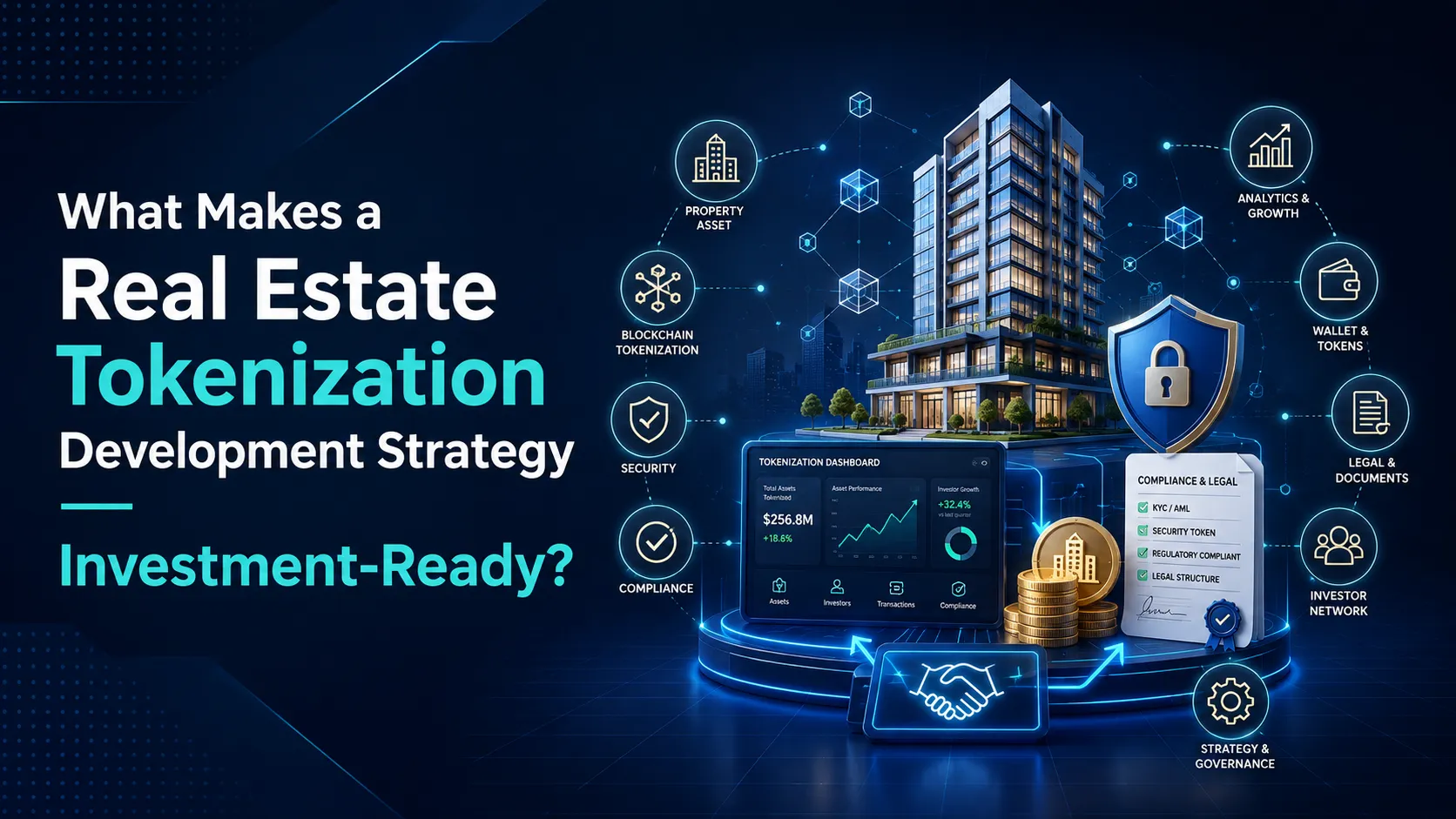
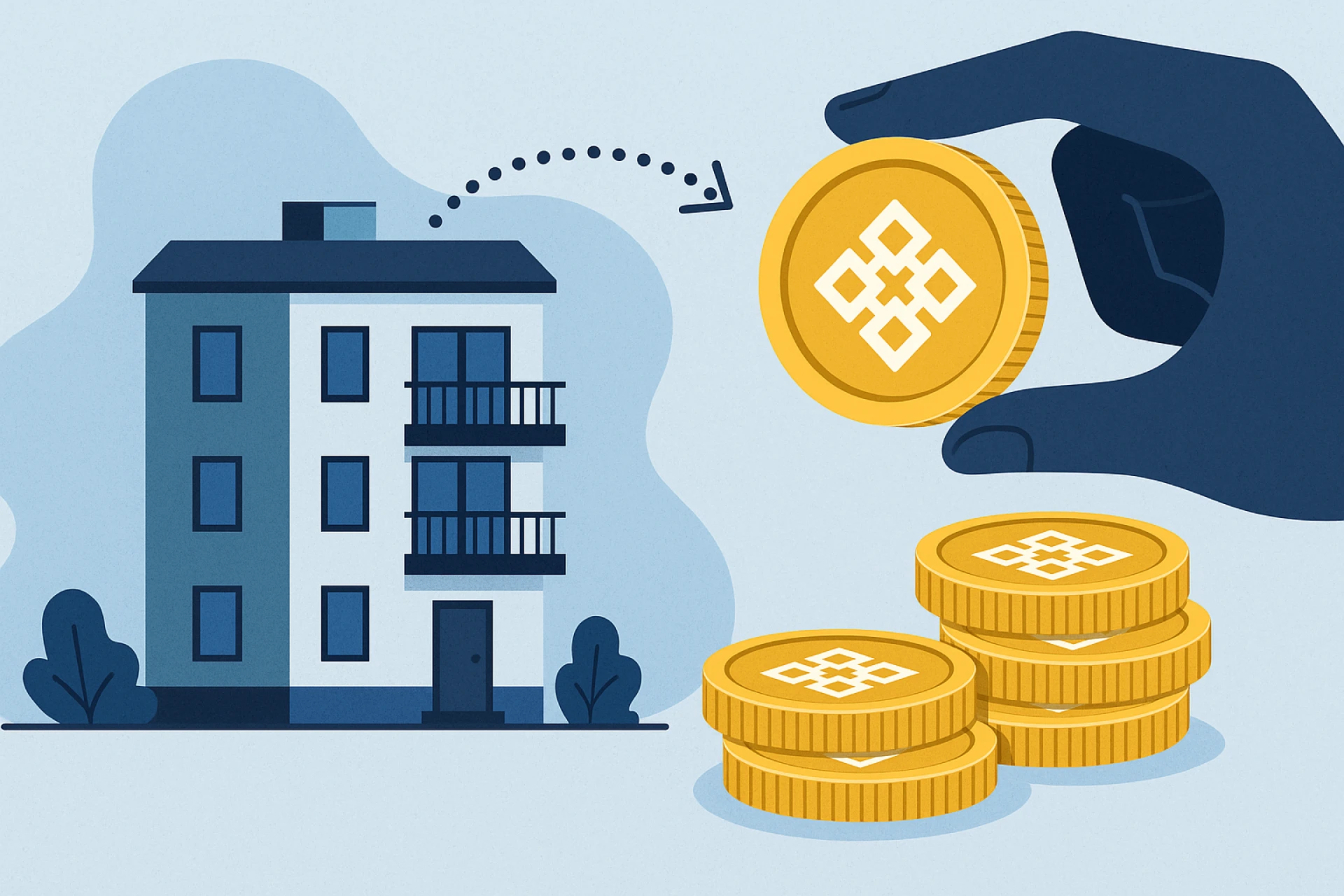
A real estate tokenization platform is a digital ecosystem that allows developers, property owners, and investors to convert real-world assets into tradable digital tokens. Each token represents a fraction of ownership or a claim on revenue generated by a property. Unlike traditional property investment, tokenization enables fractional ownership, easier liquidity, and global investment access.
Real estate tokenization platforms can cater to various asset types, including residential, commercial, and mixed-use properties. The platform usually integrates a blockchain-based ledger, smart contracts for automation, investor onboarding modules, regulatory compliance tools, and marketplace functionalities for trading tokens.
The cost of building a real estate tokenization platform depends heavily on the complexity of features, the chosen blockchain, regulatory requirements, and the technology stack. While a simple platform may start at a lower cost, enterprise-grade solutions can become significantly more expensive.
Key Factors Influencing Platform Costs
1. Platform Features and Functionalities
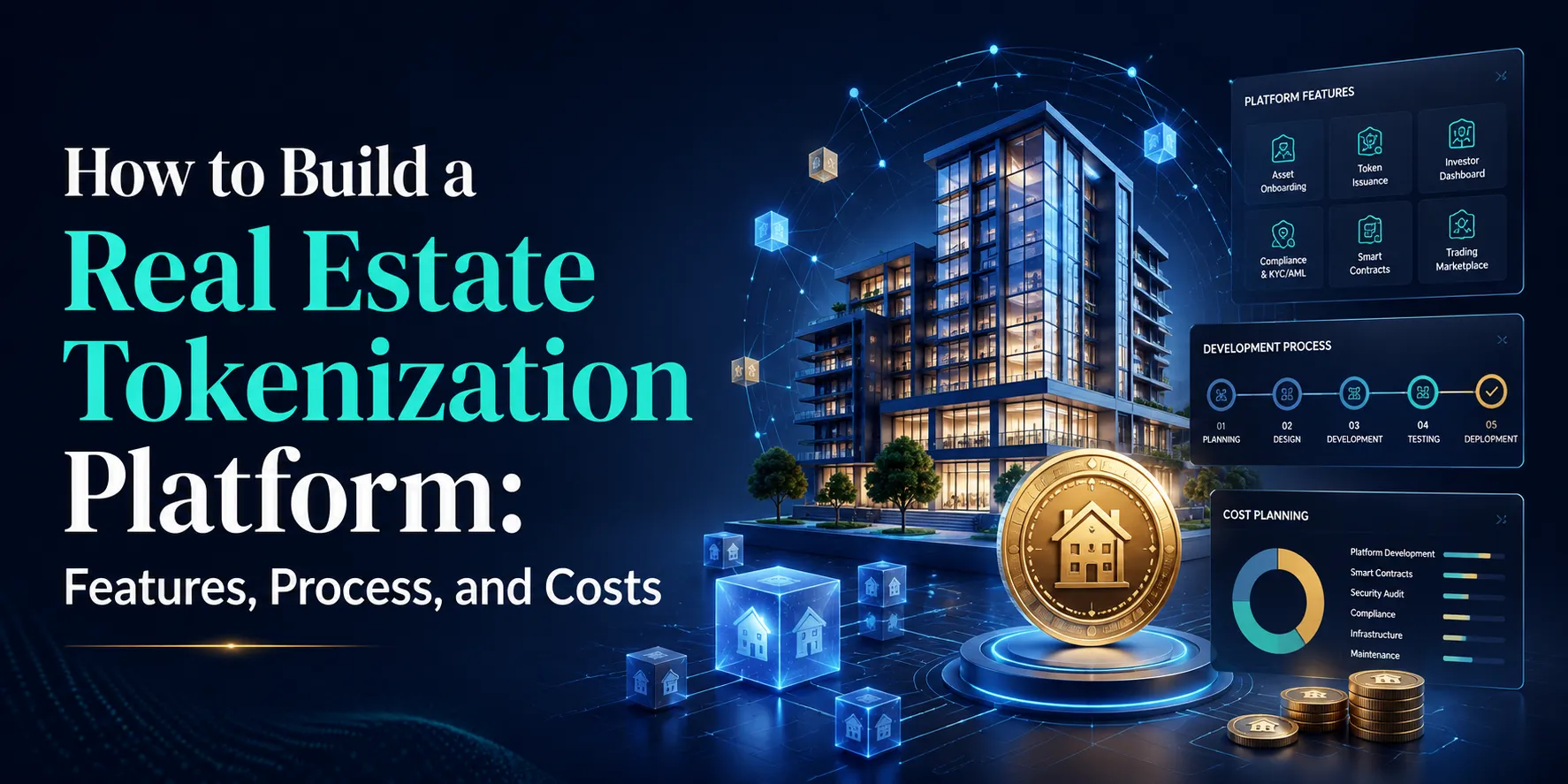
The first determinant of cost is the scope of features. A real estate tokenization platform can include basic functionality like token issuance and investor registration, or it can expand into a full-fledged ecosystem with trading, analytics, payment integration, and secondary markets.
- Core Features: Token issuance, smart contract automation, KYC/AML verification, investor dashboards, and property management tools.
- Advanced Features: Secondary market trading, fractional ownership tracking, dividend distribution, legal document storage, and integration with multiple blockchains.
The more features a platform includes, the higher the development cost. Enterprise-grade platforms with advanced features can cost significantly more than basic solutions.
2. Choice of Blockchain
The choice of blockchain plays a crucial role in cost estimation. Public blockchains like Ethereum or Solana offer decentralization and high security but can be expensive due to network fees and smart contract deployment costs. Private or permissioned blockchains can reduce transaction fees and improve control but may require additional infrastructure development.
Developers must also consider scalability. Platforms handling thousands of investors and multiple property tokens simultaneously require blockchains or layer-2 solutions that minimize congestion and gas fees.
3. Smart Contract Development
Smart contracts automate key processes in tokenized real estate platforms, including ownership transfer, revenue distribution, and compliance checks. Writing secure smart contracts is a complex task requiring blockchain expertise.
Costs here depend on:
- Complexity: Multi-tier ownership structures and revenue-sharing mechanisms increase coding complexity.
- Audit Requirements: Smart contracts must undergo rigorous security audits to prevent exploits. These audits, depending on the auditor and scope, can range from $5,000 to $50,000 per contract.
4. Compliance and Legal Framework
Real estate tokenization intersects with multiple regulations, including securities law, anti-money laundering (AML), and know-your-customer (KYC) requirements. Compliance costs vary depending on the jurisdiction and the type of properties being tokenized.
- Legal Consultation: Hiring experts to ensure compliance with property laws and securities regulations can cost between $20,000 and $100,000.
- KYC/AML Integration: Integrating third-party services for identity verification and anti-fraud checks can cost between $10,000 and $50,000, depending on the scale of the platform.
Without robust legal compliance, a platform risks fines or operational shutdowns, making this a non-negotiable investment.
5. Platform Design and User Experience
A user-friendly interface is essential for investor adoption. Developing intuitive dashboards, mobile apps, and responsive web platforms requires skilled UI/UX designers and front-end developers. Costs depend on complexity:
- Web Platform: $20,000 – $60,000
- Mobile Application: $30,000 – $80,000
- Cross-Platform Integration: $50,000 – $100,000
Good design reduces friction during onboarding, token purchasing, and property tracking, directly impacting investor retention.
6. Security Measures
Given that platforms handle sensitive financial data and digital tokens, robust security infrastructure is crucial. Security costs may include:
- Encryption and Secure Data Storage: $10,000 – $30,000
- Two-Factor Authentication and Multi-Signature Wallets: $5,000 – $20,000
- Continuous Security Audits and Penetration Testing: $10,000 – $50,000 annually
A security breach can lead to substantial financial and reputational loss, making this an essential part of cost planning.
7. Development Team and Technology Stack
Building a tokenization platform requires a multidisciplinary team, including blockchain developers, front-end and back-end developers, smart contract engineers, UI/UX designers, and legal consultants.
- In-house Team: Higher upfront cost due to salaries but offers long-term control.
- Outsourcing: Can reduce costs but may require ongoing vendor management.
Typical technology stacks involve blockchain frameworks (Ethereum, Polygon, Solana), front-end frameworks (React, Angular), back-end development (Node.js, Python), and database solutions (PostgreSQL, MongoDB).
Depending on team size and location, development costs can range from $100,000 for a basic MVP to over $500,000 for enterprise-level solutions.
8. Platform Maintenance and Updates
Post-launch, platforms require ongoing maintenance to ensure security, compliance, and performance. Maintenance includes server hosting, bug fixes, software updates, and adding new features. Annual maintenance costs generally range from 15% to 20% of the initial development cost.
Neglecting maintenance can lead to system downtime, lost investor trust, or regulatory penalties.
9. Marketing and Investor Acquisition
While technically separate from development, budgeting for platform promotion is essential. Attracting investors to a tokenized real estate platform requires targeted marketing campaigns, investor education, and sometimes partnerships with real estate firms. Costs can vary significantly, often requiring $20,000 to $100,000 for the first phase of market penetration.
Cost Estimates for Different Types of Platforms
While exact costs vary, platforms can generally be categorized into three tiers:
1. Basic Platform
- Scope: Single property tokenization, limited investor base, basic dashboard
- Cost Range: $50,000 – $100,000
- Use Case: Small developers or property owners seeking to digitize one or two properties without complex secondary markets
2. Mid-Tier Platform
- Scope: Multiple property tokenization, secondary trading, KYC/AML integration, analytics dashboards
- Cost Range: $150,000 – $300,000
- Use Case: Growing real estate firms aiming to expand investor reach and manage multiple properties
3. Enterprise-Grade Platform
- Scope: Multi-asset support, advanced smart contracts, full compliance across jurisdictions, secondary markets, mobile apps, and investor analytics
- Cost Range: $300,000 – $1,000,000+
- Use Case: Large real estate investment trusts (REITs), multi-property developers, or fintech firms targeting global investors
Hidden Costs to Consider
Beyond development, some often-overlooked expenses can significantly impact total costs:
- Regulatory Changes: Updating the platform to comply with evolving laws
- Blockchain Network Fees: Gas fees and token issuance costs on public blockchains
- Liquidity Incentives: Initial token buyback programs or staking mechanisms to attract investors
- Insurance and Liability: Protecting the platform and investors against potential legal and financial risks
Accounting for these costs early in planning can prevent budget overruns and project delays.
How to Reduce Costs Without Compromising Quality
- Start Small with an MVP: Launching a minimum viable product with core functionalities allows market testing before committing to full-scale development.
- Use Layer-2 Blockchain Solutions: Reduces network congestion and lowers transaction fees compared to mainnet operations.
- Leverage Third-Party Services: For KYC, AML, and legal compliance, integrating existing services can save significant development costs.
- Adopt Agile Development: Incremental development allows for regular feedback and avoids expensive rewrites.
- Outsource Non-Core Functions: UI/UX design, mobile development, and initial marketing campaigns can be outsourced to cost-effective vendors.
Timeline for Platform Development
Development timelines affect costs because longer projects incur higher labor and operational expenses. A typical timeline might look like:
- Phase 1: Requirement Analysis & Planning (2-4 weeks)
- Phase 2: UI/UX Design (4-6 weeks)
- Phase 3: Smart Contract Development (6-10 weeks)
- Phase 4: Backend & Frontend Development (10-16 weeks)
- Phase 5: Compliance Integration & Testing (6-8 weeks)
- Phase 6: Security Audits & Launch Preparation (4-6 weeks)
In total, a full-featured real estate tokenization platform can take 6–12 months to develop from scratch.
ROI and Long-Term Value
Despite high upfront costs, real estate tokenization platforms can generate significant returns. Fractional ownership increases market liquidity and investor participation. Global investor access allows property developers to raise capital more efficiently. Additionally, automated processes reduce operational costs, while secondary trading options can create new revenue streams from transaction fees.
Platforms that successfully integrate advanced analytics, compliance, and security measures are better positioned to attract institutional investors and scale their offerings over time.
Conclusion
The cost of building a real estate tokenization platform varies widely, depending on features, blockchain choice, compliance requirements, and overall complexity. Basic platforms start around $50,000, mid-tier solutions range from $150,000 to $300,000, and enterprise-grade platforms can exceed $1 million. Hidden costs such as compliance updates, network fees, and marketing should also be accounted for.
Ultimately, the most cost-effective approach balances functionality, security, and scalability. Starting with a minimum viable product, leveraging third-party compliance tools, and adopting agile development can reduce upfront costs while laying the foundation for a robust, investor-friendly platform.
By understanding cost structures, developers and real estate firms can plan realistic budgets, avoid unforeseen expenses, and create platforms that unlock the full potential of real estate tokenization.




























Sign in to leave a comment.