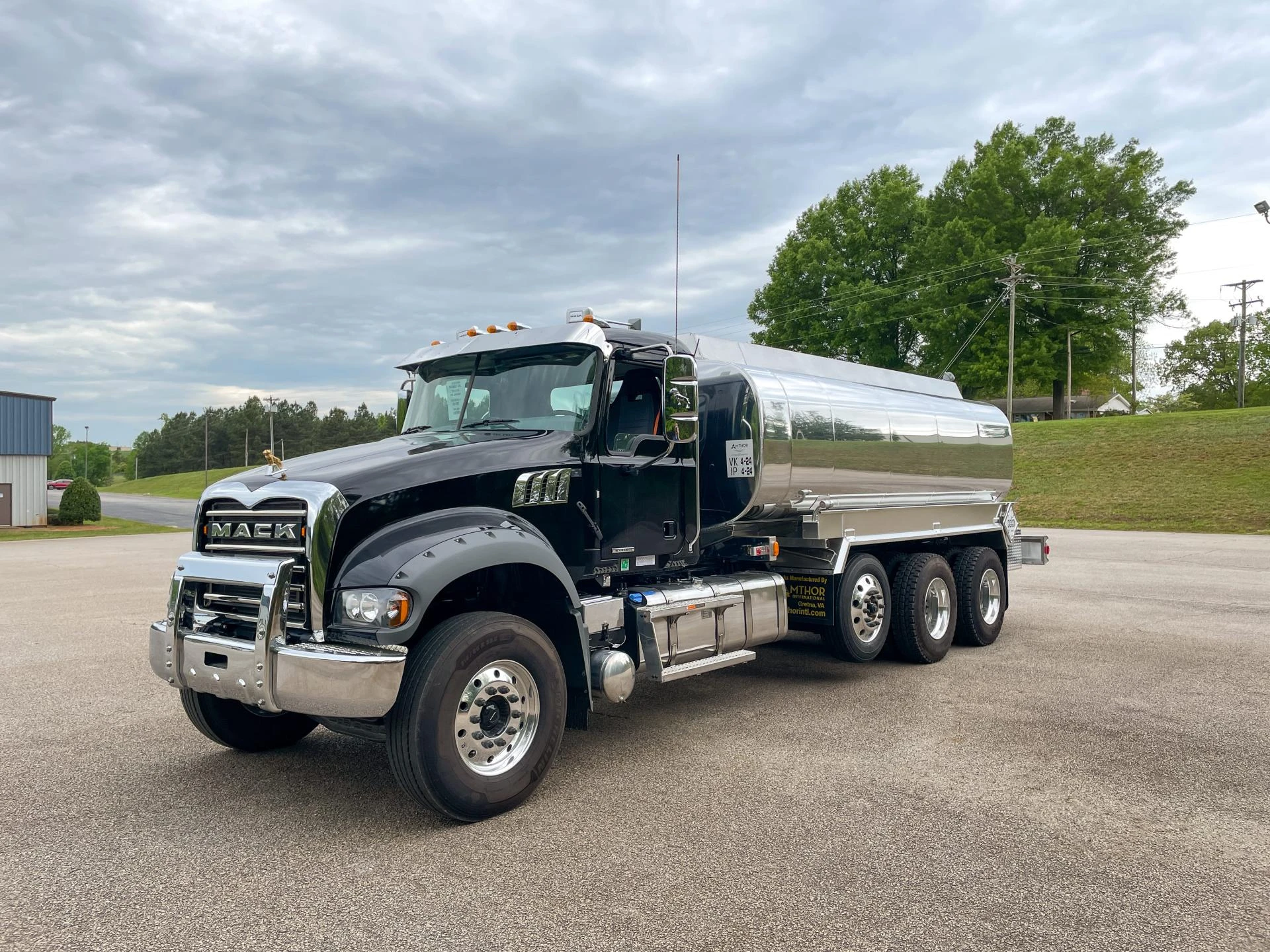

Waste oil management has become one of the most crucial concerns for industrial businesses in 2025. With rising environmental regulations and sustainability expectations, companies across sectors are upgrading their approach to handling used oil. Whether it's automotive shops, manufacturing plants, or marine facilities, the shift toward safer, smarter transportation begins with the right infrastructure, especially with the growing use of oil truck tanks.
These tanks are no longer just metal containers strapped onto trucks. Today’s designs include pressure-controlled compartments, corrosion-resistant linings, anti-surge systems, and leak-proof seals. Their primary goal is to ensure that hazardous oil materials can be transported without spills or contamination, protecting both the environment and your business’s compliance record.
Waste Oil Trucks: The Mobile Advantage
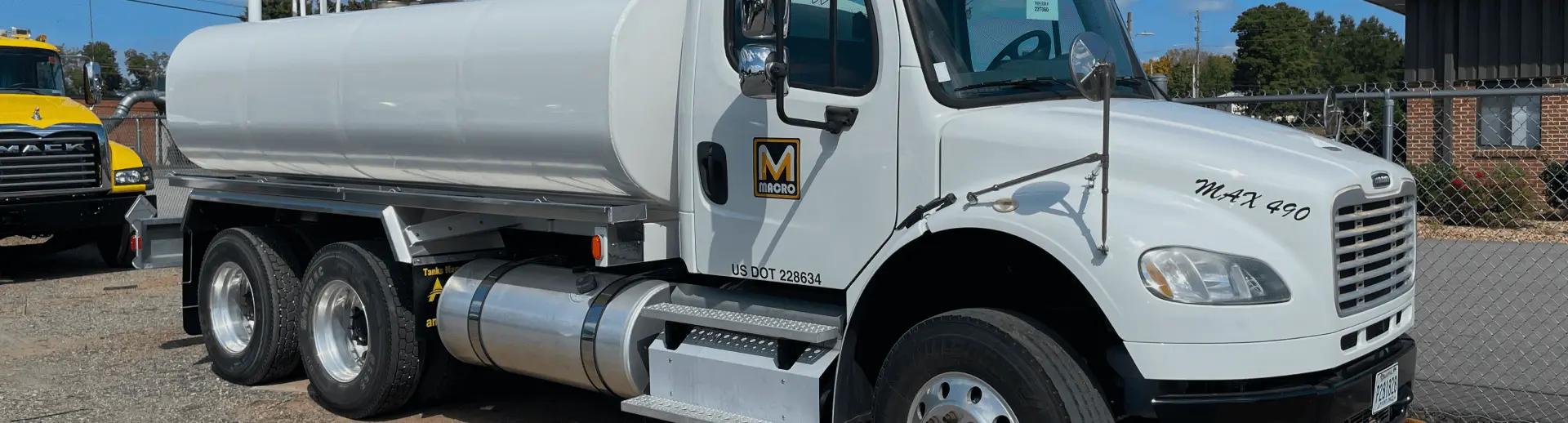
One of the most significant innovations in industrial waste handling is the deployment of specialized vehicles, particularly the waste oil truck. These trucks are designed for on-site fluid extraction, storage, and transport. Built with vacuum pumps, filtered suction lines, and high-capacity tanks, these systems enable companies to eliminate manual oil handling and enhance workplace safety.
For companies operating in remote locations or those that frequently service heavy equipment, the convenience of a mobile unit cannot be overstated. These trucks reduce downtime, lower labor costs, and increase the efficiency of fluid disposal, all while meeting environmental standards.
Why Waste Oil Collection Trucks Are a Logistics Game-Changer
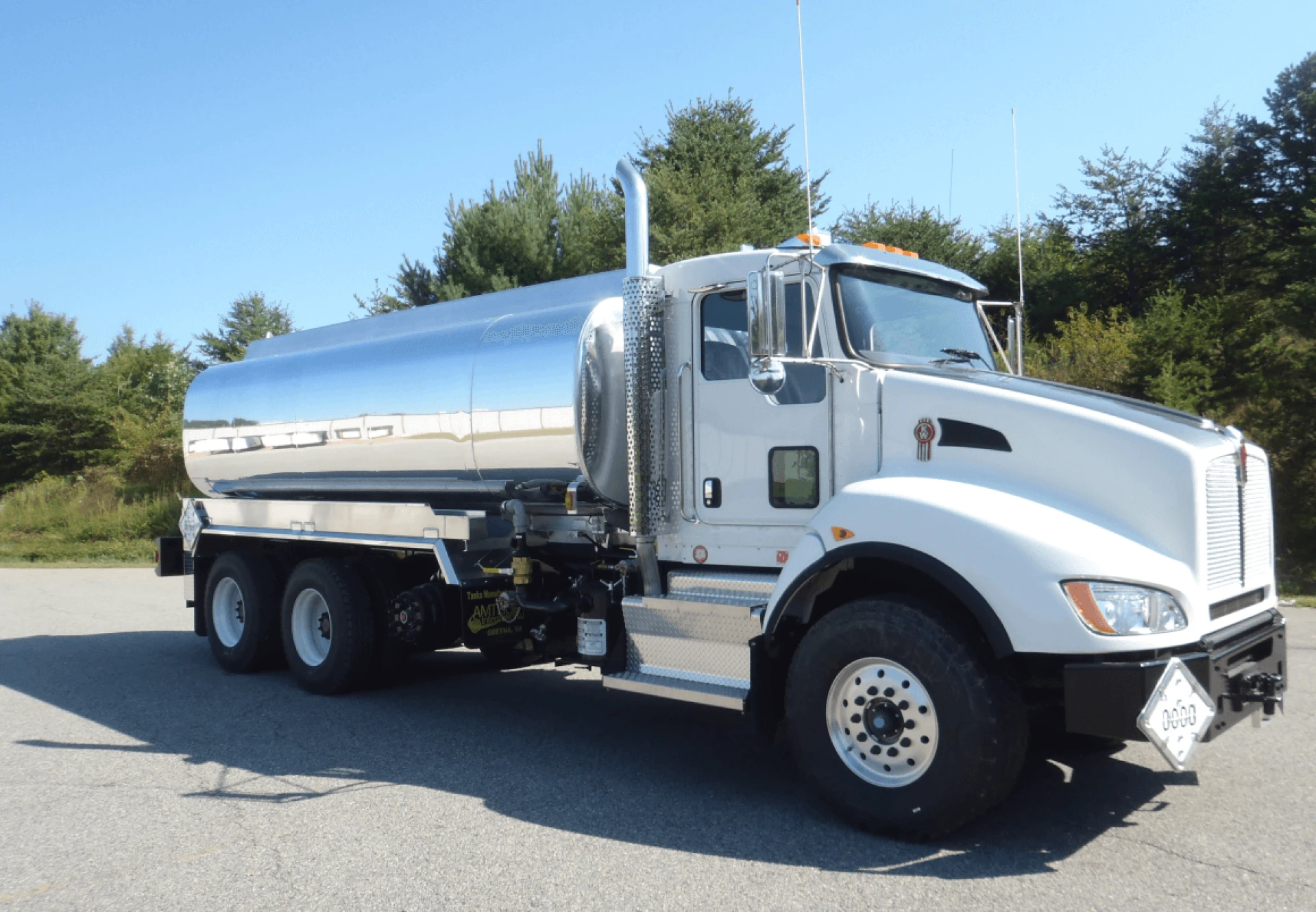
If your business needs to service multiple locations or collect used oil from various clients, a single extraction truck may not be enough. This is where a waste oil collection truck adds real value. These trucks are equipped with multiple tank compartments, automated flow measurement systems, and digital reporting tools that simplify the entire collection process.
Instead of using several vehicles to manage different types of oils, one collection truck can handle everything in a single route. That means fewer trips, less fuel used, and lower overall costs. And with features like GPS tracking and onboard diagnostics, managers can plan routes more efficiently and ensure timely pickups.
Building a Circular Economy with Oil Collection Trucks
Sustainability is no longer a buzzword—it’s a responsibility. With growing interest in reducing oil waste and promoting recycling, companies are turning to tools that support closed-loop systems. A modern oil collection truck allows waste oil to be collected safely and sent for reprocessing into usable materials like industrial fuel or re-refined lubricants.
These trucks help ensure that no oil is dumped or wasted, contributing directly to environmental protection. Additionally, they often come with emission-reducing engines and smart telemetry systems that track collection volumes, helping businesses report progress on sustainability goals accurately and efficiently.
Final Thoughts
Effective waste oil management is essential for both compliance and sustainability. From robust oil truck tanks that keep materials safe during transport, to the versatility and efficiency of a waste oil truck, and the optimized logistics of a waste oil collection truck, each component contributes to a cleaner, more responsible operation. By investing in a well-designed oil collection truck, businesses can reduce risk, save costs, and lead the charge toward a greener industrial future.































Sign in to leave a comment.