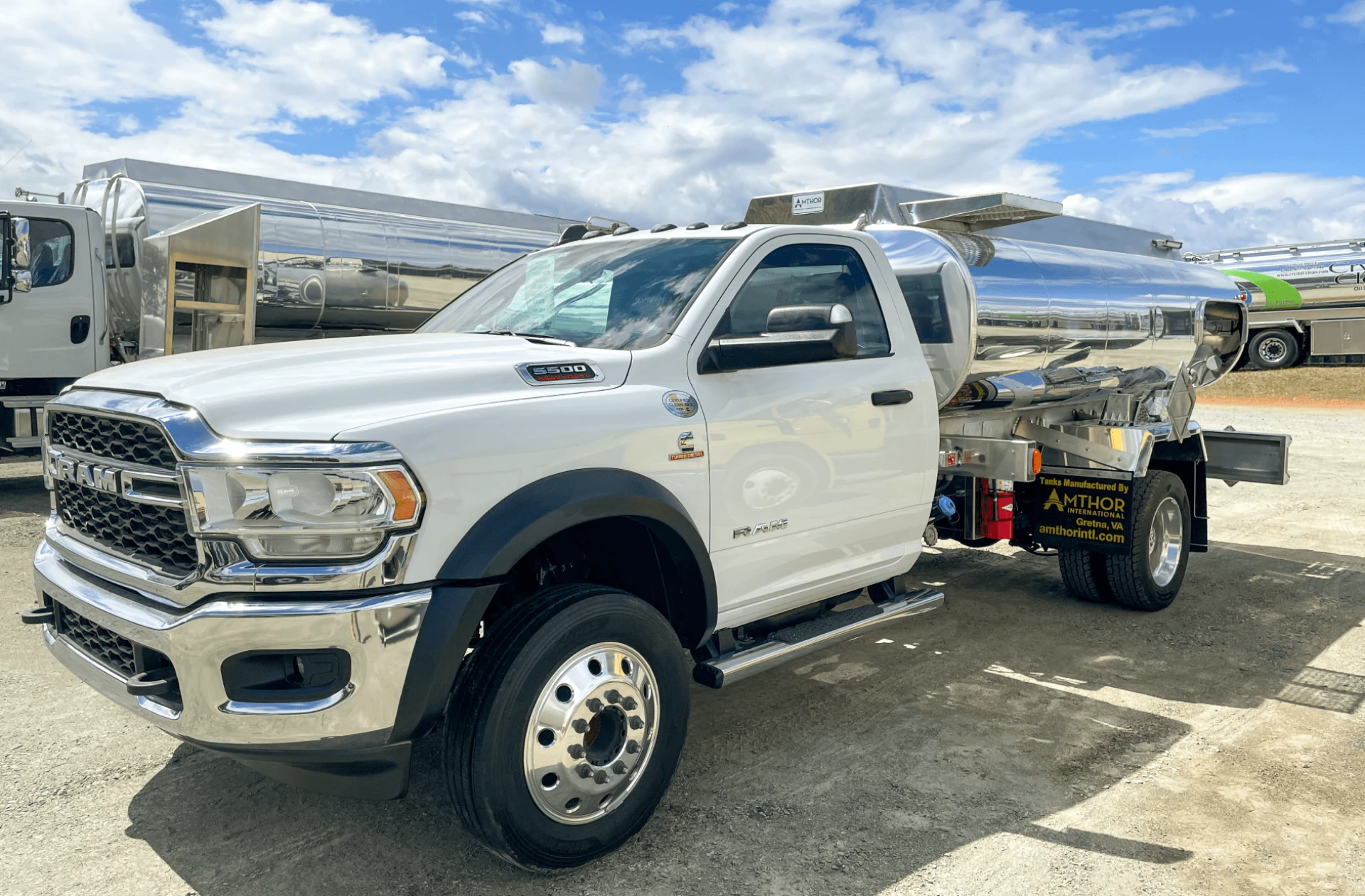

Whether you're distributing fuel across state lines or servicing industrial clients with specialized oils, choosing the right tanker isn’t a casual decision. Every operation is different—and so are the trucks and tanks built to serve them.
Using the wrong type of tanker can lead to overfilling, product contamination, or even safety incidents. That’s why companies in the energy, logistics, and recycling sectors must invest in equipment tailored to their specific operational needs.
Go Custom for Safety and Compliance
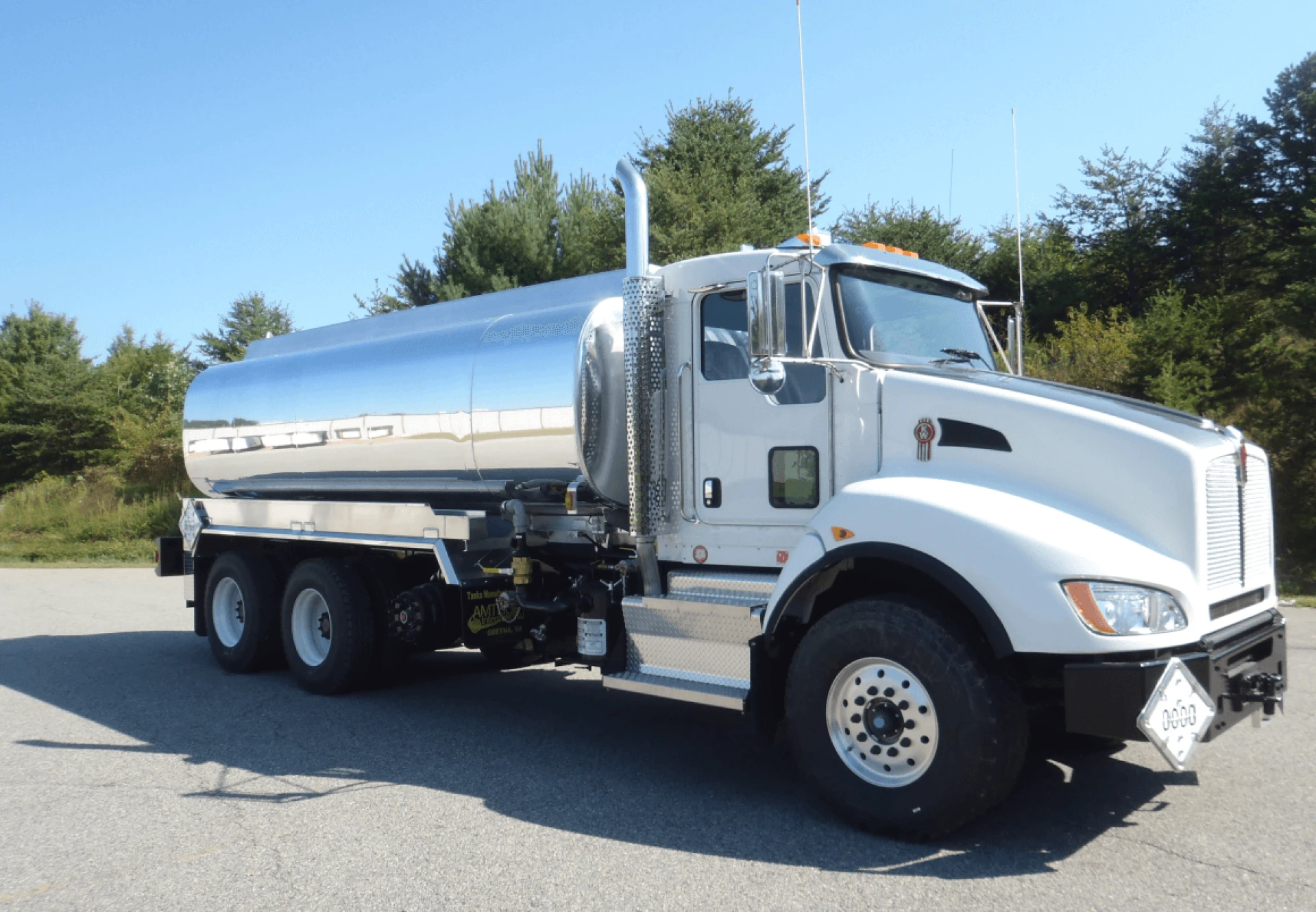
One of the best ways to future-proof your fleet is by investing in custom tank trucks. These units are designed from the ground up to match your exact fuel types, route conditions, and regulatory needs.
Custom tankers may include specialized linings, explosion-proof electricals, thermal insulation, and even pressure-regulating systems. They’re not just about bells and whistles—they’re essential for safe and efficient transport. When built to spec, custom trucks can help you avoid delays, lower risk, and reduce liability.
They also allow for features like multi-product compartments, which let you deliver different fuels in a single run. These are a game-changer for companies serving diverse clients or high-density delivery zones.
Durability Starts with the Right Tank
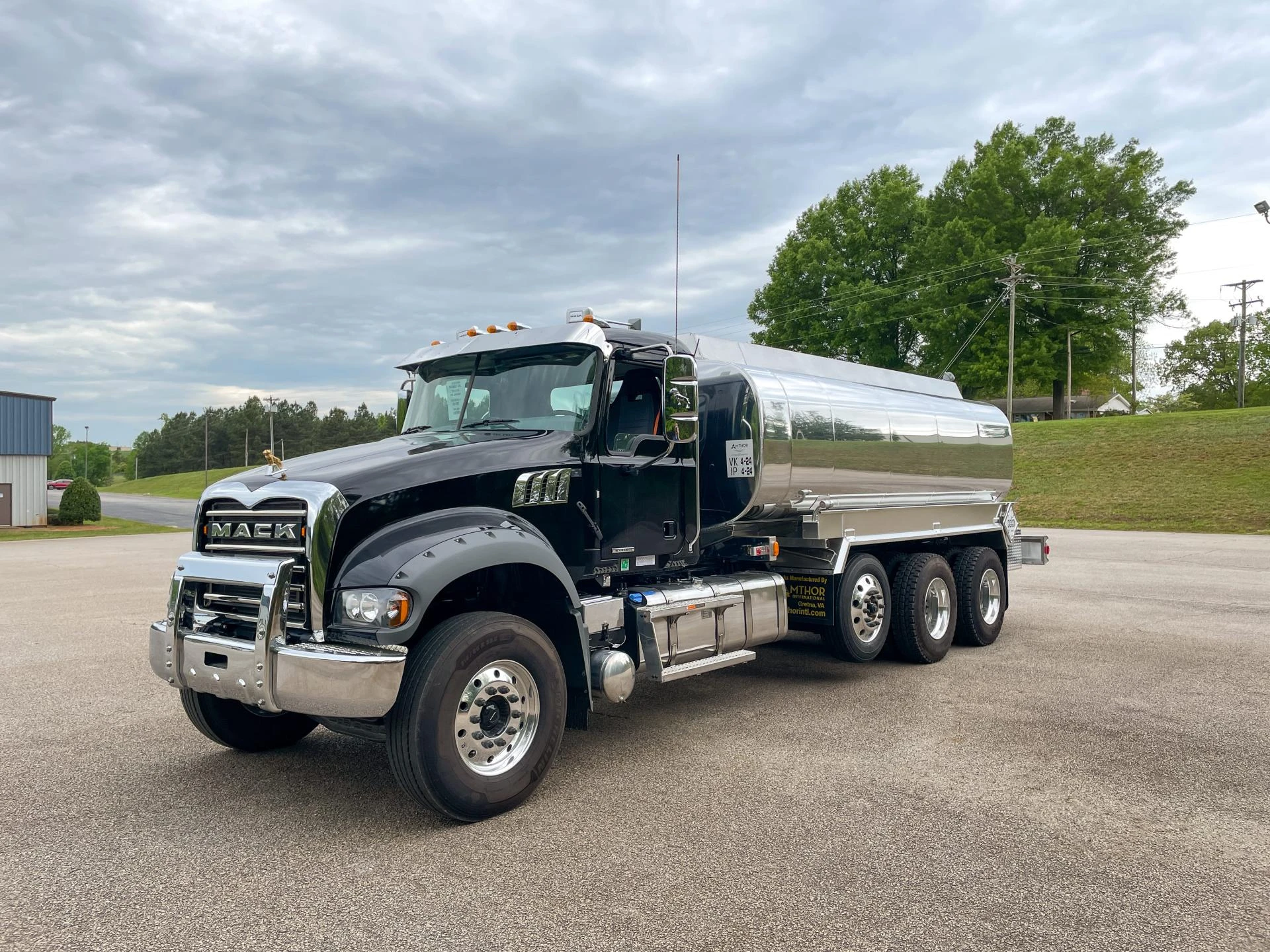
When considering upgrades or additions to your fleet, material choice matters. Oil truck tanks made from stainless steel offer longevity, while aluminum models provide a lighter, more fuel-efficient option. Each has its place depending on whether you prioritize payload or resilience.
Tank shape also matters. Elliptical and double-conical shapes help reduce liquid movement during transit, which improves safety and handling. Features such as internal baffles, pressure relief valves, and vapor recovery are essential for fuel containment and driver protection.
Also consider digital enhancements—flow meters, temperature gauges, and leak detection sensors now come standard on many premium tanks.
Waste Oil Requires a Different Approach
A growing number of businesses now manage used oil, which calls for a specialized waste oil tanker. These units are engineered to haul dirty, viscous fluids without spills or equipment damage.
Waste oil tankers often come with vacuum pumps, sludge-handling features, and non-stick linings. They’re perfect for industries that service heavy machinery, industrial processes, or fleets that produce large volumes of waste oil.
EPA and local regulations require sealed systems that prevent leaks and contamination. Having the right tanker ensures your business stays compliant, avoids fines, and contributes to safer environmental practices.
What Makes a High-Performance Oil Truck?
A strong tanker means nothing without the right truck chassis to support it. Oil trucks need sufficient power, braking systems, and suspension to manage daily workloads. Fleet managers should consider automatic transmissions for ease, or manual for fuel efficiency and control on hilly terrain.
Modern trucks now come integrated with smart tech like GPS tracking, live inventory monitoring, and driver behavior analytics. These systems not only ensure timely deliveries but also enhance customer service and driver safety.
Many fleets are now adopting telematics to predict maintenance, monitor load balance, and even optimize fuel usage—all from a central dashboard.
Conclusion: Get the Right Fit for Long-Term Results
There’s no “universal” truck for oil and fuel delivery. The needs of each business vary widely, depending on product type, route complexity, volume, and local compliance laws. That’s why making the right choice—whether it’s custom tank trucks, versatile oil truck tanks, or purpose-built waste oil tanker units—is so essential.
In today’s industry, the best oil truck isn’t just a means of transportation. It’s a complete solution that ensures you deliver safely, legally, and profitably—every single time.





























Sign in to leave a comment.