
For many UK drivers, a failing engine often feels like the end of the road for their vehicle. However, that’s not always the case. With the right approach, professional engine rebuilding can significantly extend your car’s lifespan, restore performance, and save you from the cost of a full replacement.
Understanding how this process works—and why it’s effective—can help you make a smarter, more cost-efficient decision when engine problems arise.
What Is Engine Rebuilding and Why It Matters
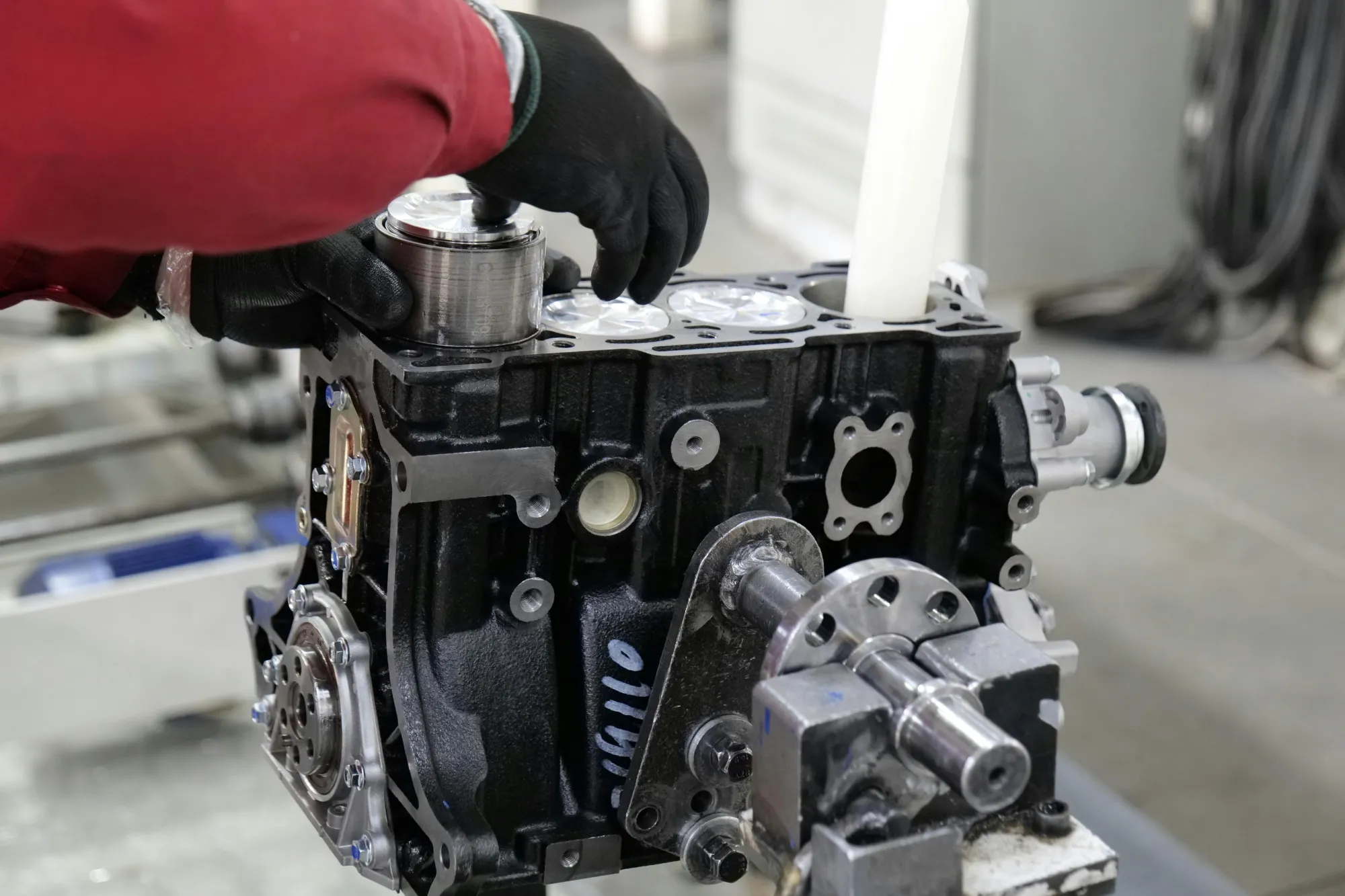
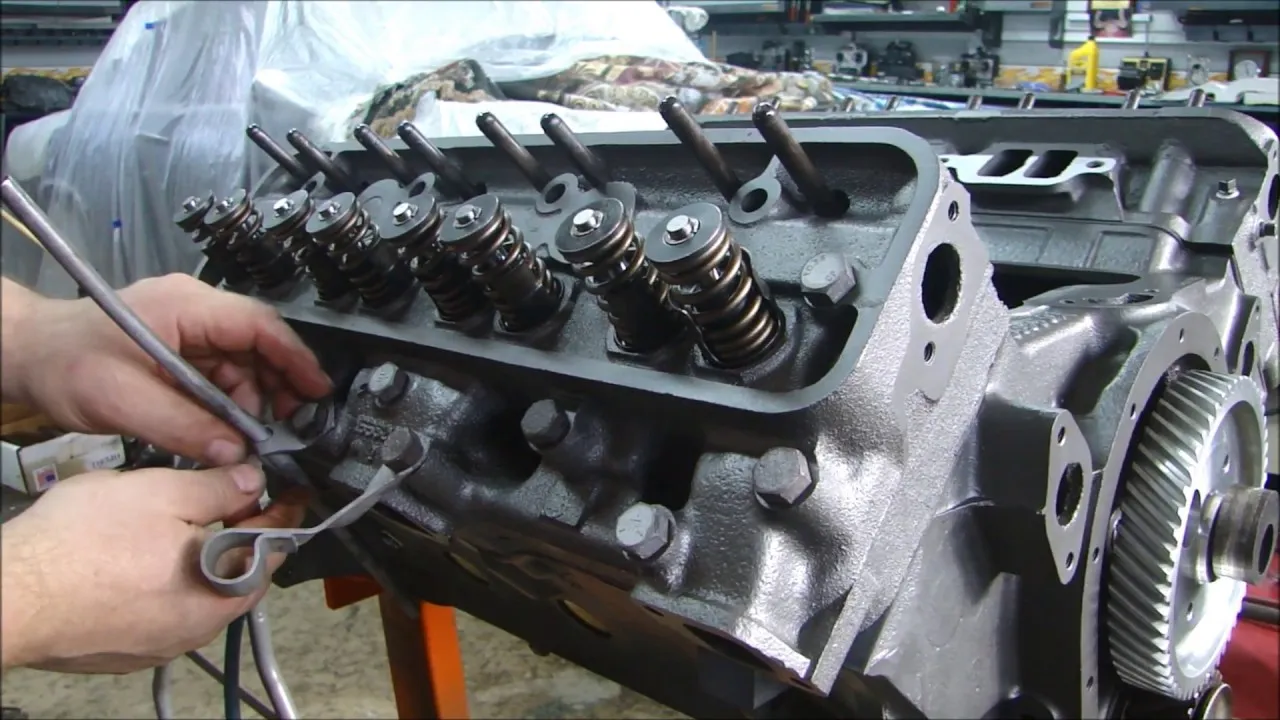
At its core, rebuilding involves stripping down the engine, inspecting each component, replacing worn-out parts, and reassembling it to restore optimal function. Instead of discarding the entire unit, this method focuses on restoring what’s already there.
This is especially valuable in the UK, where vehicle ownership costs are rising. Rather than investing in a new car or engine, many drivers opt for rebuilding as a long-term solution.
How Engine Wear Affects Your Car’s Lifespan
Over time, internal engine components such as pistons, bearings, and valves naturally wear down. This leads to:
- Reduced fuel efficiency
- Loss of power
- Increased emissions
- Higher risk of breakdown
If left untreated, these issues can lead to complete engine failure. This is where timely engine repair or rebuilding becomes essential—not just to fix the problem, but to prevent further damage.
Key Ways Engine Rebuilding Extends Vehicle Life
1. Restores Core Performance
Replacing worn components helps bring the engine back to near-original condition. This improves acceleration, fuel efficiency, and overall drivability.
2. Prevents Major Breakdowns
By addressing internal damage early, rebuilding reduces the risk of sudden failures that could leave you stranded or lead to more expensive repairs.
3. Improves Reliability
A professionally rebuilt engine is tested and calibrated to perform consistently, making your vehicle more dependable for daily use.
4. Enhances Longevity
When done correctly, the process can add years to your car’s life, making it a practical investment rather than a temporary fix.
The Role of Quality Parts in Long-Term Performance
One of the biggest advantages of rebuilding is the use of high-quality replacement components. Many services incorporate parts from reconditioned engines, ensuring durability without the high cost of brand-new materials.
This balance between affordability and quality is what makes rebuilding such a popular choice among UK drivers.
Why It’s Ideal for Premium Vehicles
For owners of performance vehicles, maintaining originality is often a priority. Rebuilding allows you to retain the original setup while restoring performance.
This is particularly relevant for models with BMW engines, where precision engineering and performance tuning are key factors. Instead of replacing the entire unit, rebuilding preserves the vehicle’s driving experience.
Cost Efficiency Compared to Replacement
One of the main reasons drivers search for engine rebuilds near me is cost. Rebuilding is generally more affordable than installing a new engine or purchasing another vehicle.
While costs vary depending on the condition and type of engine, rebuilding often delivers better value over time—especially when considering the extended lifespan it provides.
Environmental Benefits
Beyond cost and performance, rebuilding also has environmental advantages. Reusing existing components reduces waste and lowers the demand for manufacturing new parts.
In a time where sustainability is becoming increasingly important in the UK, this approach aligns with more eco-conscious vehicle ownership.
When Should You Consider Engine Rebuilding?
Knowing when to act can make all the difference. You should consider rebuilding if you notice:
- Persistent knocking sounds
- Excessive exhaust smoke
- Significant loss of power
- High oil consumption
Addressing these issues early increases the chances of a successful rebuild and prevents further complications.
Choosing the Right Service Provider
Not all rebuilding services are equal. To ensure long-term results, look for:
- Experienced technicians
- Transparent diagnostics
- Use of quality parts
- Warranty options
Taking the time to choose a reliable provider ensures your investment delivers real value.
FAQs
1. How long does a rebuilt engine last?
With proper maintenance, a rebuilt engine can last over 100,000 miles, depending on driving habits and conditions.
2. Is rebuilding better than replacing an engine?
It depends on the damage, but in many cases, rebuilding is more cost-effective and preserves the original engine.
3. How do I know if my engine is worth rebuilding?
A professional inspection will determine whether the engine structure is still viable for rebuilding.
4. Does rebuilding improve fuel efficiency?
Yes, restoring worn components can significantly improve fuel economy and performance.
5. Are rebuilt engines reliable?
When done professionally using quality parts, rebuilt engines are highly reliable and durable.
Final Thoughts
From a practical standpoint, many drivers assume engine issues automatically mean replacement but that’s rarely the most efficient solution. In reality, rebuilding offers a balanced approach that combines performance, cost savings, and longevity.
If you’re facing engine trouble, acting early and choosing the right professionals can make all the difference. A well executed rebuild doesn’t just fix your car it gives it a new lease on life, keeping you on the road longer with confidence.


























Sign in to leave a comment.