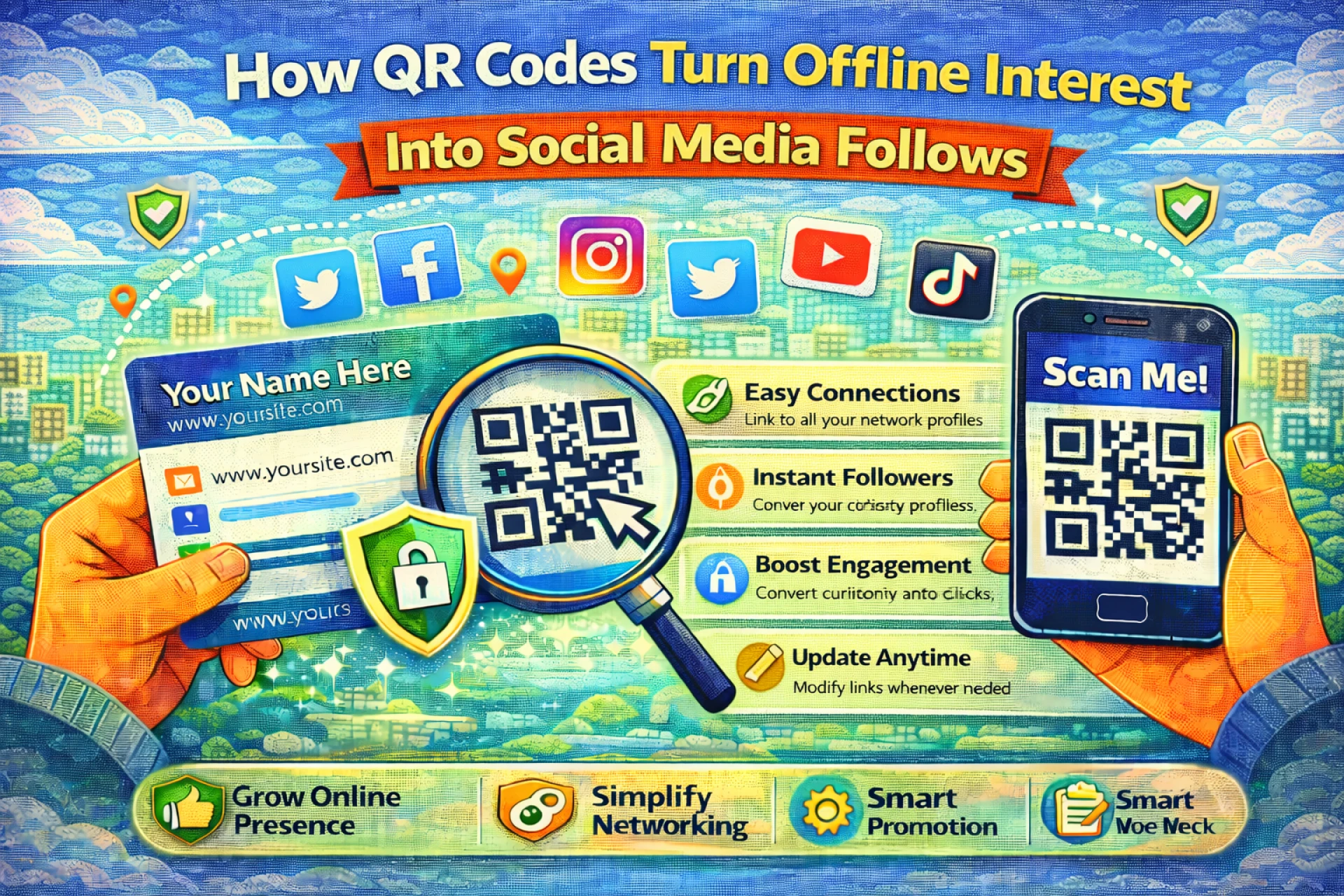

Social media is built online, but many opportunities to grow an audience happen offline. Conversations at events, brief introductions, product encounters, or casual meetings often end without a clear way to continue the connection.
Most of the time, the interest is there — the follow-through isn’t.
QR codes help close that gap.
The Real Problem: Too Many Steps
After an in-person interaction, following someone online usually means:
- Remembering a name or username
- Opening the right app
- Searching manually
- Choosing the correct profile
Each step reduces the chance that anything happens at all. Even genuinely interested people forget or get distracted.
A QR code removes almost every one of those steps.
What a Social Media QR Code Changes
A QR code creates an immediate action.
With one scan, someone can:
- Open your social profile instantly
- Follow you without searching
- Access multiple platforms from one link
The interaction moves from “maybe later” to “done now.”
That shift makes a measurable difference in follow-through.
Choosing Where the QR Code Leads
The destination of the QR code matters more than the code itself.
Some creators link directly to one primary platform, keeping the experience focused and fast.
Others link to a simple page that lists all their social profiles, letting visitors choose how they want to connect.
Both approaches work. The right choice depends on whether you want simplicity or flexibility.
Where Social Media QR Codes Are Most Effective
QR codes perform best in places where typing feels inconvenient or awkward.
Common examples include:
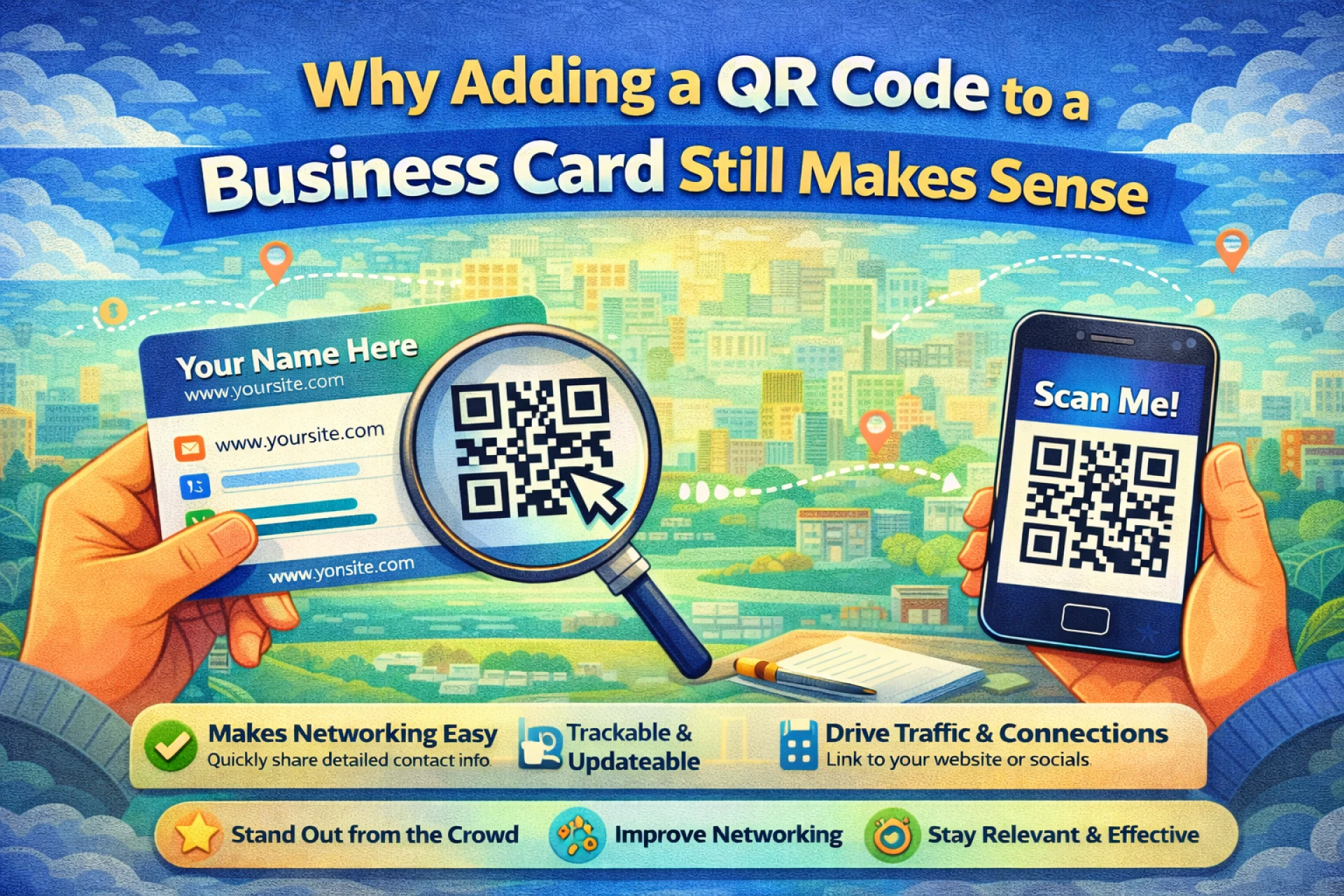
- Business cards and name tags
- Event signage and posters
- Product packaging
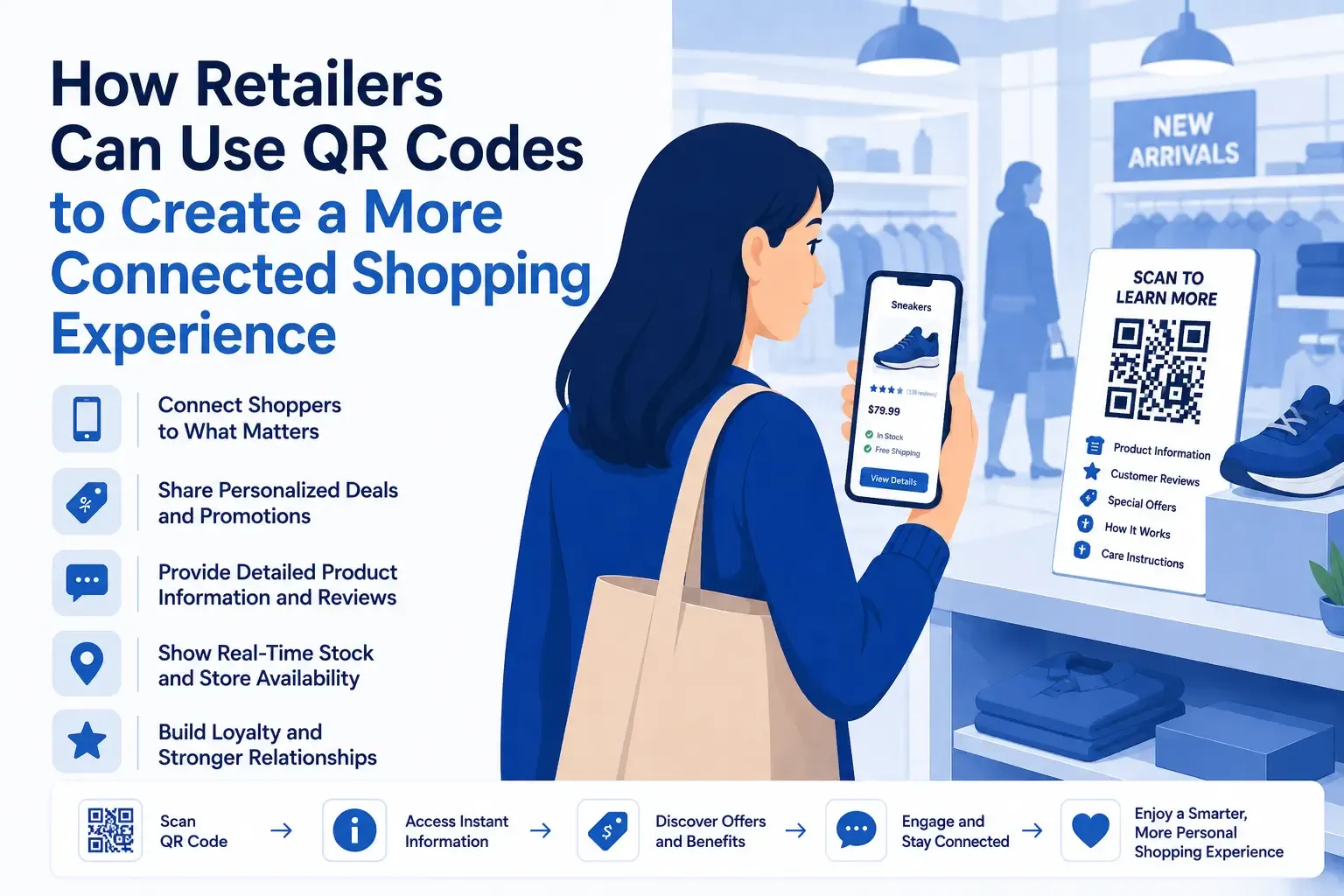
- Retail counters or displays
- Printed materials or merchandise
In these situations, scanning is faster than searching.
Static vs Editable QR Codes
Not all QR codes work the same way.
Static QR codes always point to the same destination. Once created, they cannot be changed.
Editable (dynamic) QR codes allow you to update the destination later without changing the printed code. This is useful if your main platform changes or if you want to test different landing pages.
For long-term use, flexibility can be valuable.
Creating a QR Code Is Simple
Creating a QR code doesn’t require technical skills.
You choose the link you want to share — a social profile or a link page — and generate the QR code. A straightforward tool like
https://generate-qr-code.com
lets you create a clean, scannable QR code quickly and without unnecessary setup.
The same QR code can then be used across print and digital formats.
Small Details That Increase Engagement
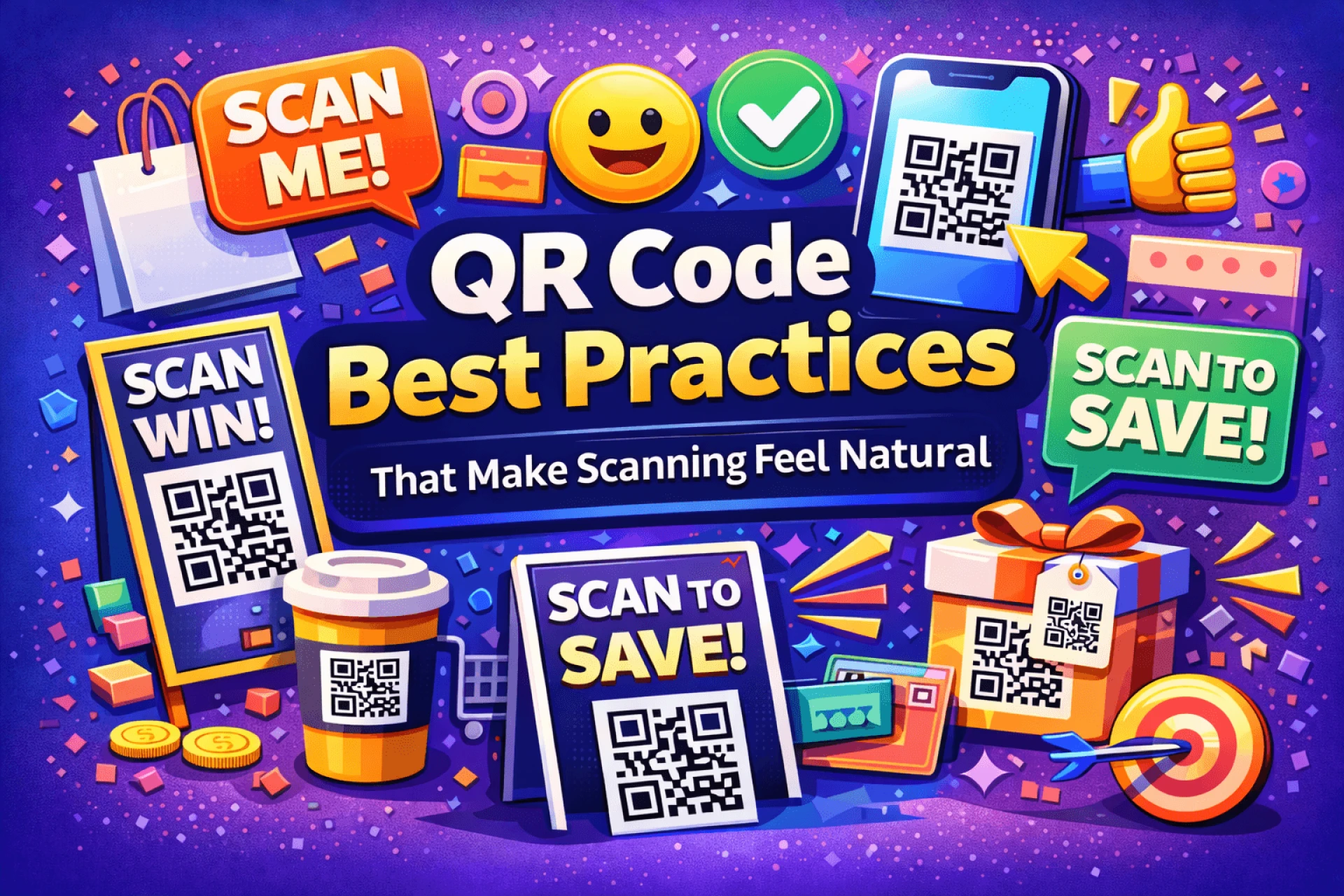
A QR code should clearly invite action.
Things that help:
- Clear placement where people naturally look
- Good contrast for easy scanning
- A short instruction like “Scan to follow” or “Scan to connect”
Testing the QR code before widespread use helps avoid problems later.
Final Thoughts
QR codes don’t replace social media — they make it easier to access in the real world.
By reducing friction and simplifying follow-up, QR codes help turn brief offline moments into ongoing online connections. For a small addition, they offer a practical and effective way to grow a social presence beyond the screen.























Sign in to leave a comment.