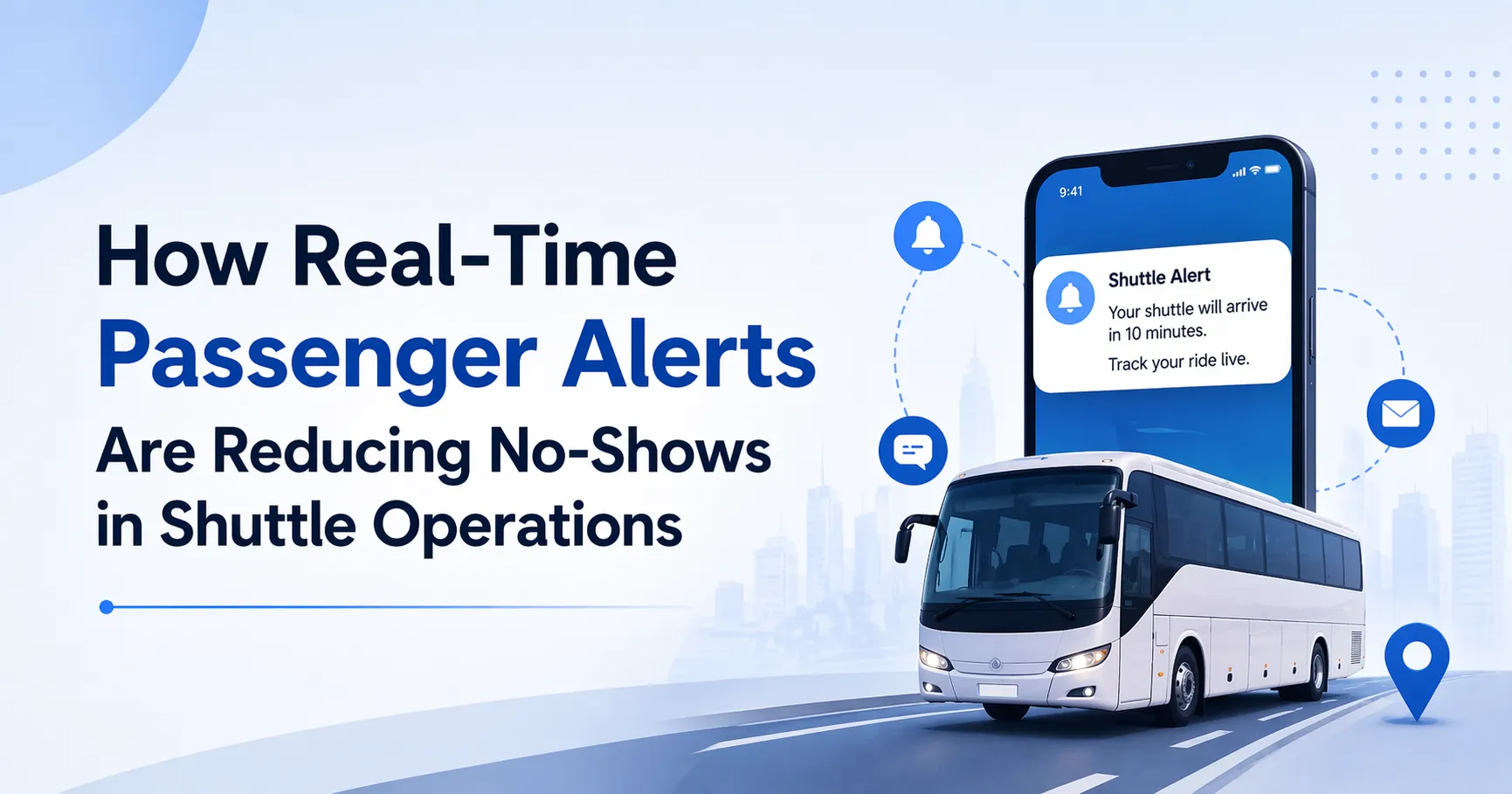
Shuttle operators lose thousands in wasted fuel and driver hours every month — not because of bad routes, but because of bad communication. Passengers miss pickups. Drivers wait. Seats go empty. The fix isn't more buses. It's better alerts.
The No-Show Problem Is a Communication Problem
When passengers aren't sure if their shuttle is on time, they make backup plans. They take a cab, get a lift, or simply don't show up. By the time the shuttle arrives, half the reserved seats are empty. This isn't a reliability issue — it's an information gap.
What Real-Time Alerts Actually Change
Modern shuttle platforms send passengers automated updates at every stage of the journey: booking confirmation, shuttle dispatch, ETA reminders, and arrival alerts. When passengers know exactly when their ride is coming, no-show rates drop significantly. They plan around the shuttle instead of against it.
Multi-Route Scheduling Makes Alerts More Precise
Alert accuracy depends on route accuracy. Shuttle software that handles multiple routes simultaneously — adjusting for traffic, occupancy, and stop sequencing in real time — can give passengers ETAs that are actually reliable. A generic "your shuttle is on the way" notification is useless. "Your shuttle arrives at Stop 3 in 8 minutes" changes behaviour.
The Operator Side of the Equation
Beyond passenger experience, smart notifications reduce inbound calls to dispatchers. When passengers self-serve through alerts and live tracking, operations teams spend less time fielding "where's my shuttle?" queries and more time managing the fleet efficiently.
Who Benefits Most
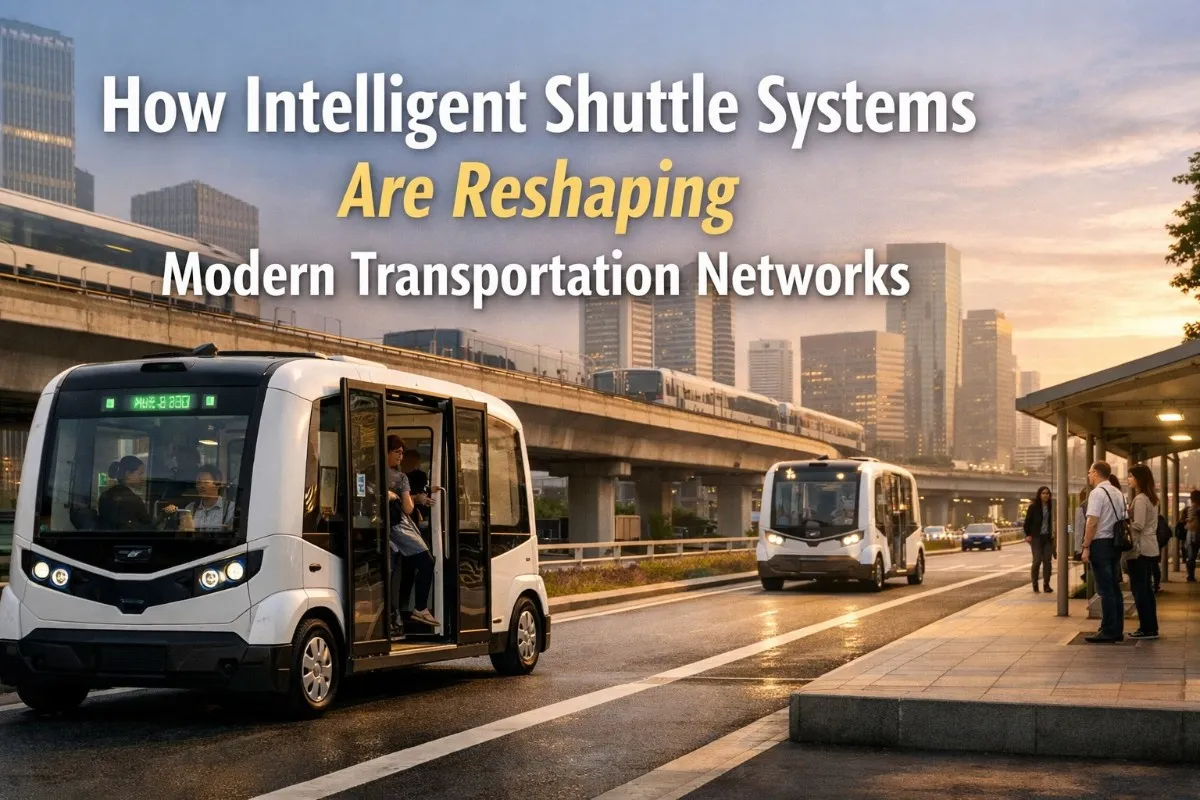
This approach works especially well for corporate campuses running fixed daily commutes, educational institutions with multi-stop routes, and hospital or healthcare shuttle networks where timing is critical.
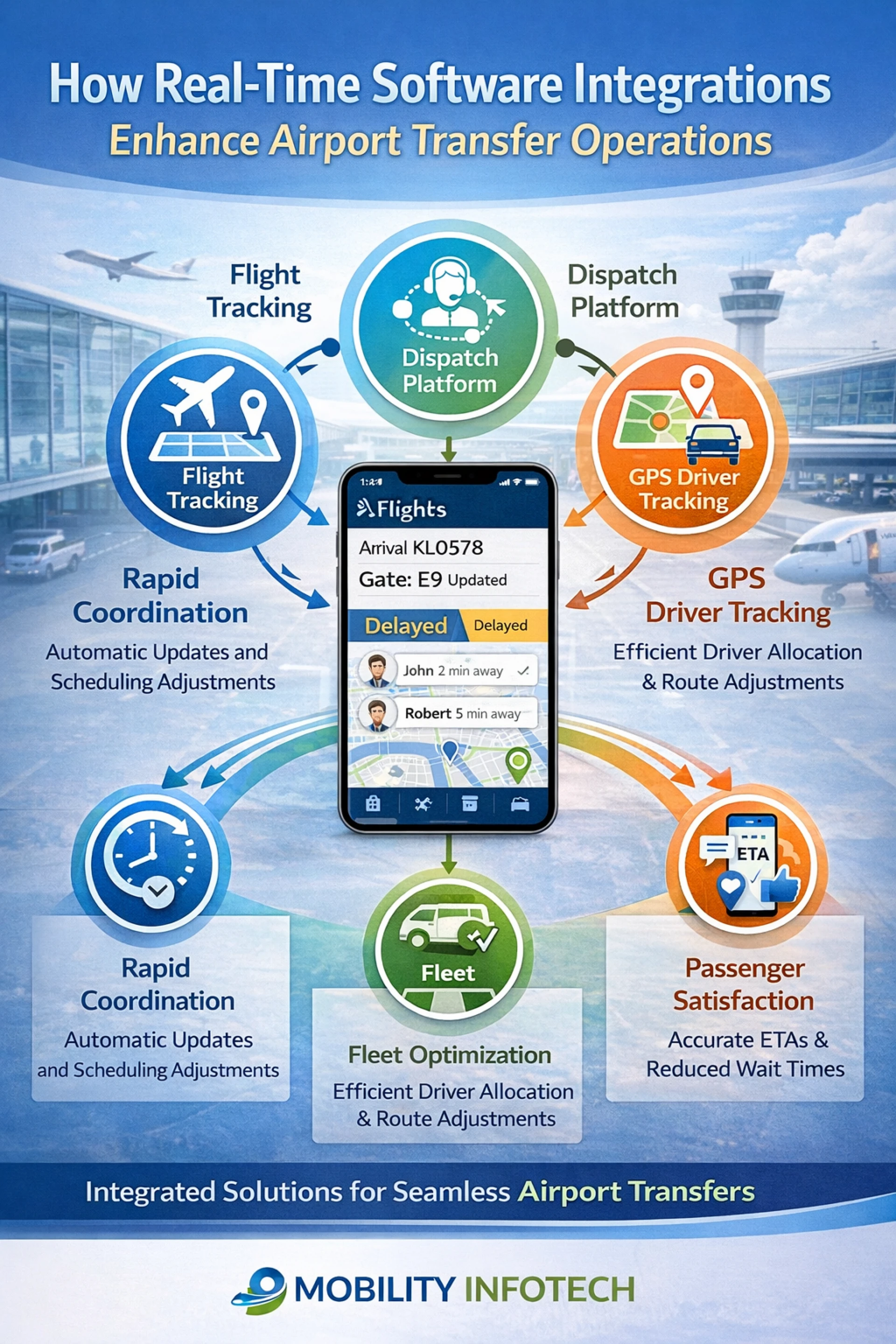
For shuttle operators looking to implement this kind of system, Mobility Infotech has put together a detailed resource on how smart shuttle software handles multi-route scheduling and passenger notification alerts in practice.
Mobility Infotech is a transportation technology company offering white-label shuttle, taxi, and on-demand mobility software for fleet operators worldwide.
























Sign in to leave a comment.