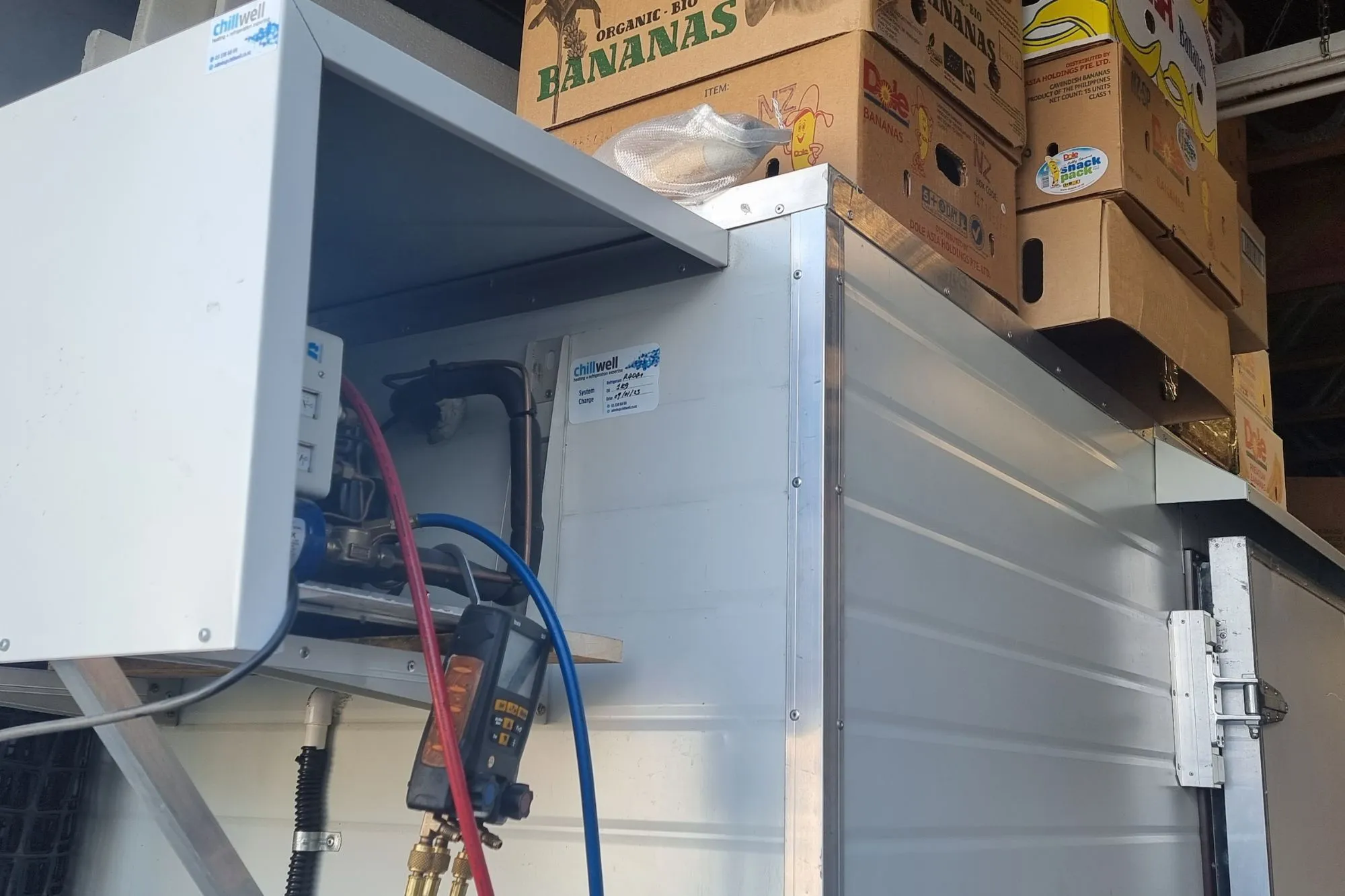
Walk-in coolers are essential for businesses that rely on consistent temperature control, such as restaurants, supermarkets, and food storage facilities. These systems operate continuously, making them prone to wear and tear over time. Regular inspections play a crucial role in maintaining performance, preventing breakdowns, and ensuring energy efficiency. Whether you operate a commercial walk in chiller or a walk in freezer cooler, routine checks can make a significant difference in reliability and cost savings.
Why Walk-In Cooler Inspections Matter
Walk-in cooling systems are complex and require proper monitoring to function effectively. Without regular inspections, small issues can go unnoticed and lead to major failures.
Key Reasons for Inspections:
- Ensure consistent temperature control
- Maintain food safety standards
- Reduce energy consumption
- Prevent unexpected system breakdowns
- Extend equipment lifespan
A well-maintained commercial walk in chiller performs efficiently and supports smooth business operations.
What Happens During a Routine Inspection?
Professional inspections involve a detailed check of all system components to ensure everything is functioning correctly.
Common Inspection Areas:
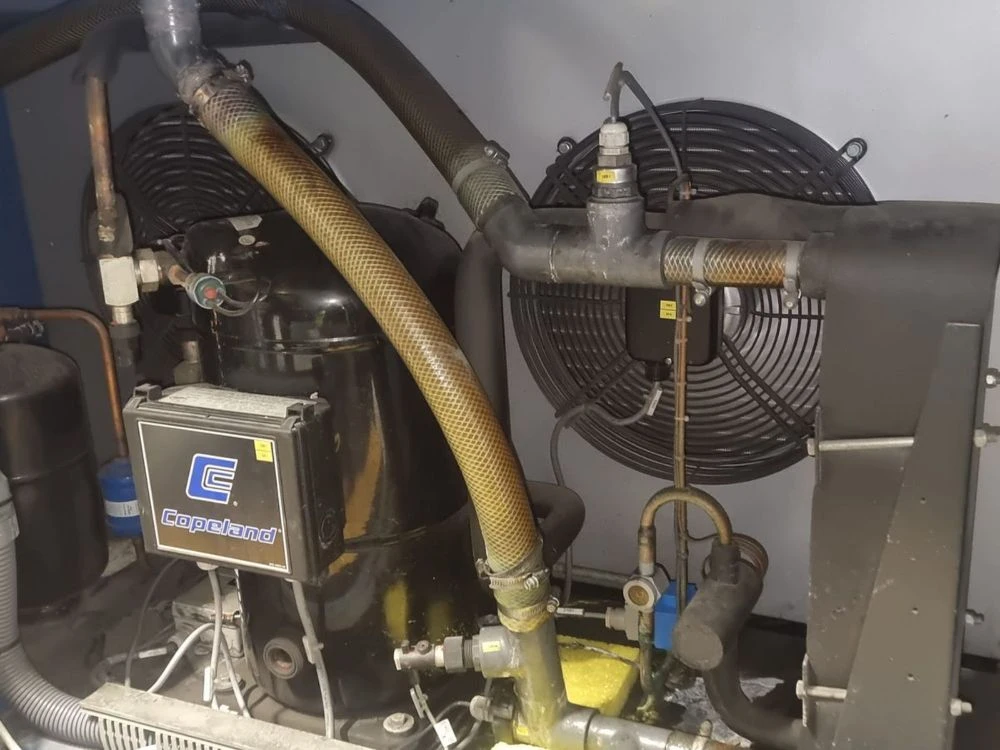
- Compressor performance
- Refrigerant levels
- Evaporator and condenser coils
- Electrical connections
- Door seals and insulation
- Airflow and ventilation
For a walk in freezer cooler, maintaining proper airflow and sealing is especially important to prevent frost build-up and energy loss.
Improved Energy Efficiency
One of the biggest benefits of regular inspections is improved energy efficiency. When components are clean and functioning correctly, the system does not have to work as hard to maintain the desired temperature.
How Inspections Improve Efficiency:
- Clean coils allow better heat exchange
- Proper refrigerant levels ensure optimal cooling
- Well-sealed doors prevent cold air loss
- Efficient airflow reduces system strain
These factors help lower electricity bills while maintaining consistent cooling performance.
Early Detection of Problems
Regular inspections help identify potential issues before they turn into costly repairs.
Common Issues Found Early:
- Refrigerant leaks
- Worn-out components
- Blocked airflow
- Faulty thermostats
- Ice build-up in evaporators
Addressing these issues early prevents system failure and reduces downtime, which is critical for businesses that rely on continuous cooling.
Maintaining Consistent Temperature
Temperature consistency is vital for preserving perishable goods. Even minor fluctuations can lead to spoilage and financial losses.
Benefits of Stable Temperatures:
- Protects product quality
- Ensures compliance with safety regulations
- Reduces waste and losses
- Maintains customer trust
Routine inspections ensure your system maintains the right temperature without sudden changes.
Extending Equipment Lifespan
Regular inspections not only improve performance but also extend the lifespan of your cooling system.
How Inspections Increase Longevity:
- Reduce strain on system components
- Prevent major mechanical failures
- Ensure proper lubrication and operation
- Keep parts clean and functional
Investing in maintenance is far more cost-effective than replacing an entire system prematurely.
Better System Performance and Reliability
When your cooling system is regularly inspected, it operates more reliably. This reduces the risk of unexpected breakdowns that can disrupt business operations.
Key Performance Benefits:
- Consistent cooling output
- Reduced downtime
- Improved operational efficiency
- Lower maintenance costs over time
Reliable performance is especially important for businesses using both a commercial walk in chiller and a walk in freezer cooler to store temperature-sensitive products.
Tips for Maintaining Walk-In Cooler Efficiency
In addition to professional inspections, there are simple steps you can take to keep your system running efficiently:
- Keep the interior clean and organised
- Avoid overloading the cooler
- Check door seals regularly
- Monitor temperature settings
- Schedule routine professional maintenance
These practices support inspection efforts and ensure long-term performance.
Conclusion
Regular inspections are essential for maintaining the performance, efficiency, and reliability of walk-in cooling systems. By identifying issues early, improving energy efficiency, and ensuring consistent temperature control, inspections help businesses avoid costly disruptions and maintain smooth operations.
Whether you rely on a walk-in cooler for food storage or industrial use, routine checks are a smart investment. A well-maintained system not only saves money but also ensures your business continues to operate without interruption.
Frequently Asked Questions (FAQs)
1. How often should walk-in coolers be inspected?
Walk-in coolers should ideally be inspected at least twice a year, depending on usage and operating conditions.
2. What are the signs that a walk-in cooler needs inspection?
Signs include inconsistent temperature, unusual noises, ice build-up, higher energy bills, and poor cooling performance.
3. Can regular inspections reduce energy costs?
Yes, inspections improve efficiency by ensuring all components are working properly, which reduces energy consumption.
4. Why is temperature consistency important?
Consistent temperature prevents spoilage, ensures food safety, and helps maintain product quality.
5. Is professional maintenance necessary?
Yes, professional inspections ensure thorough checks, accurate diagnostics, and proper servicing of all system components.



























Sign in to leave a comment.