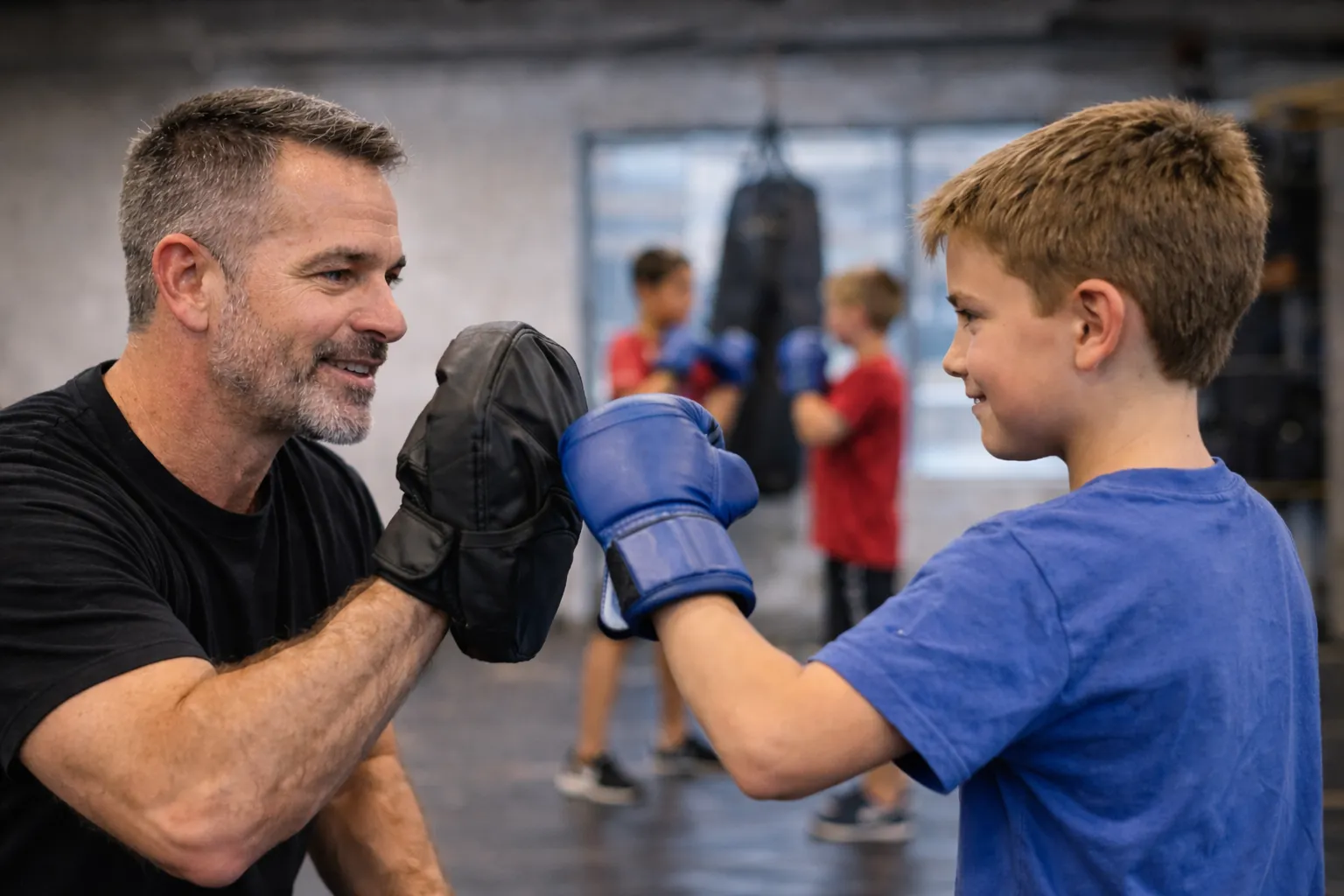

Most parents do not enroll their children in self-defense classes because they expect physical fights every day.
They do it because they see hesitation.
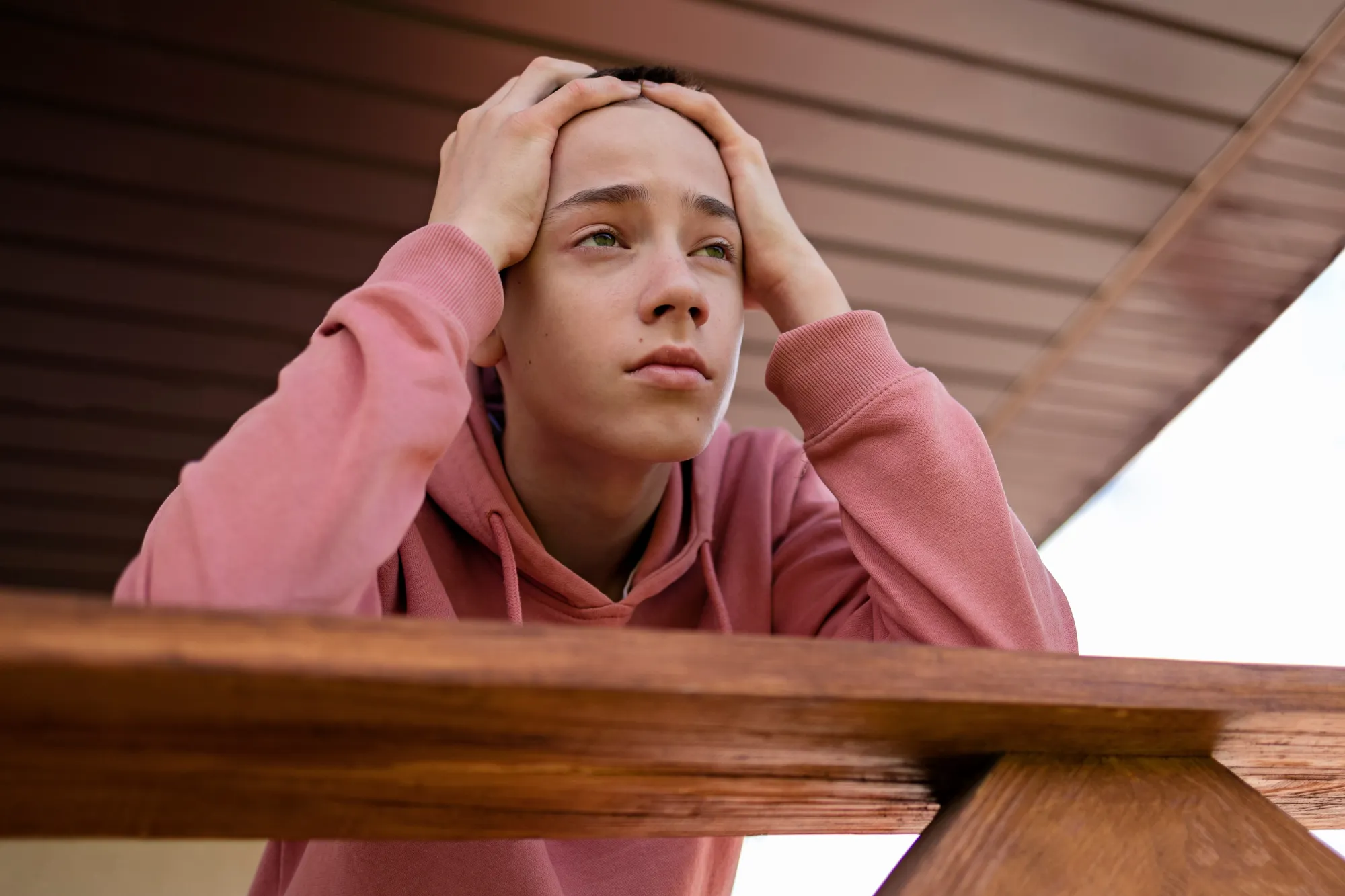
A child struggles to speak up. Someone keeps bothering them at school and they do not know how to respond. A joke continues after it stopped being funny. A child follows the group even when they are uncomfortable because they are afraid of standing out.
These situations happen constantly inside schools.
Most are not dramatic enough to become headlines.
They still shape confidence.
At Krav Maga Experts, many parents notice changes in their children socially before they notice physical improvements. A child begins speaking more clearly. They become less reactive emotionally. They stop shrinking during uncomfortable interactions. Teachers often notice the difference too.
Real self-defense training affects far more than physical safety.
Social Pressure Starts Earlier Than Parents Think
Most social pressure does not begin with bullying.
It begins with smaller moments repeated over time.
A child gets interrupted constantly. Someone keeps making comments to get a reaction. A group pressures another child to follow behavior they are uncomfortable with. A child feels uneasy but stays quiet because they do not want to lose acceptance socially.
Children usually recognize discomfort long before they know how to handle it.
That is where confidence matters.
Why Confidence Changes Social Behavior
Children who lack confidence often hesitate socially.
They stay quiet longer than they want to. They tolerate behavior that bothers them. They wait for adults to solve situations they already know feel wrong.
Confidence changes timing.
A confident child usually responds earlier. Not aggressively. Earlier.
That difference matters.
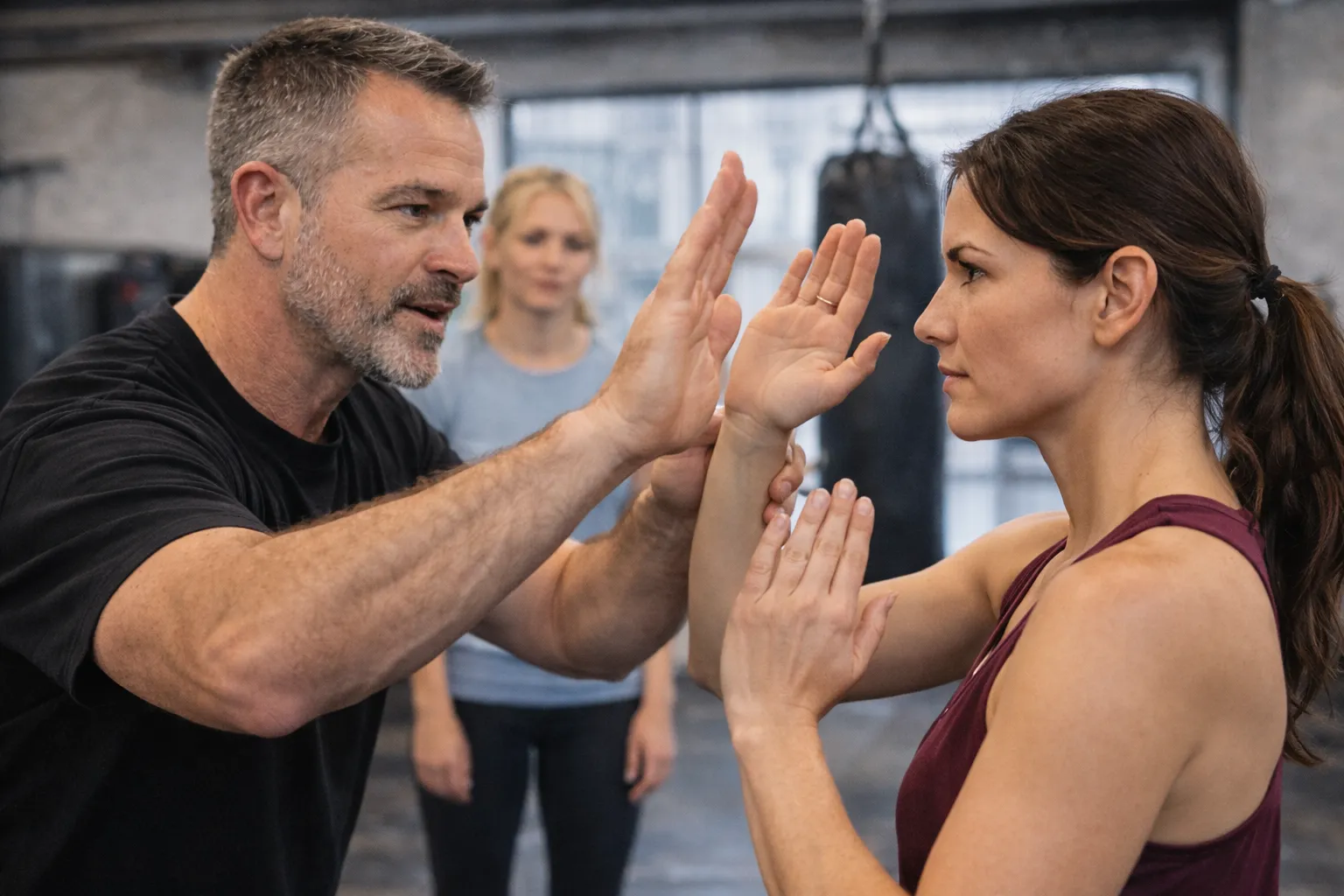
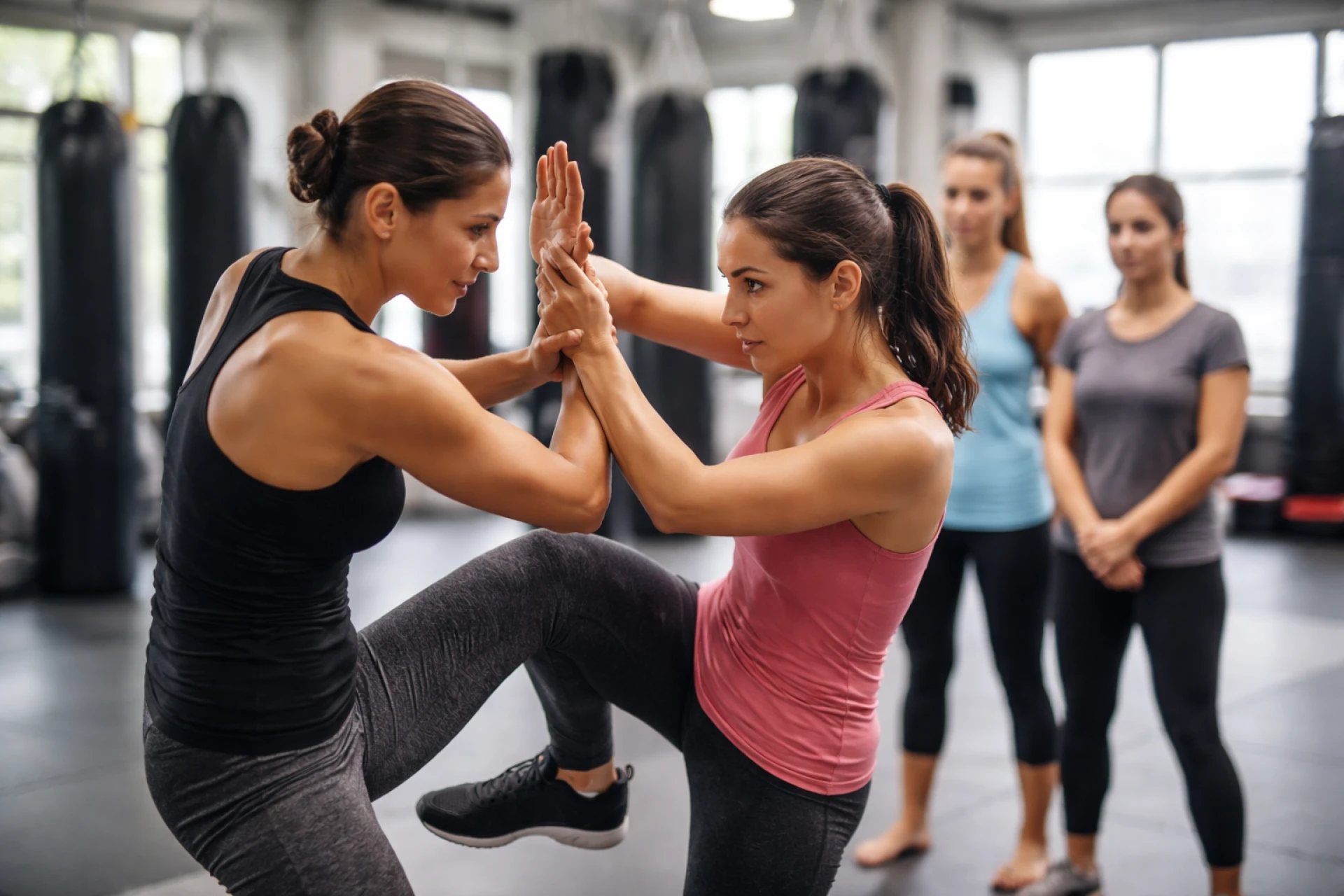
Self-defense training helps children practice communication, posture, awareness, movement, and decision making under controlled pressure. Over time, these responses become more natural outside the gym too. Many of the same principles are developed through structured kids self-defense classes.
Many parents are surprised to discover that the biggest change is not physical ability.
It is clarity.
Why Children Need Boundaries, Not Aggression
A lot of parents worry that self-defense training will make children more aggressive.
Good training usually does the opposite.
Children who feel more secure often become calmer because they stop feeling powerless socially.
Training teaches children that boundaries are normal. Saying no clearly is normal. Creating distance is normal. Walking away from unhealthy behavior is normal.
Many children struggle socially because they think every uncomfortable interaction must either be tolerated or exploded emotionally.
There is another option.
Confident communication.
School Pressure Affects Decision Making
Children want acceptance.
That pressure affects judgment constantly.
A child may laugh along with behavior they dislike just to stay connected to the group. Another child may stay silent because speaking up feels socially risky. Some children freeze completely because they are trying to process too many emotions at once.
Self-defense training reduces hesitation by helping children trust themselves earlier.
That is one reason many parents searching for kids self-defense classes are actually searching for confidence, resilience, and emotional strength whether they realize it or not.
Why Awareness Helps Children Socially
Awareness is one of the first things children develop during training.
They begin recognizing patterns earlier.
Someone who is trying too hard to embarrass them. Someone escalating emotionally. Someone invading space repeatedly. A situation becoming unsafe socially before it becomes unsafe physically.
This does not make children paranoid.
It makes them more aware.
That awareness improves social confidence because children stop feeling confused by situations they previously could not understand clearly.
Confidence Affects Friendships Too
Children who become more confident socially usually interact differently with everyone around them.
They participate more comfortably. They communicate more clearly. They become less controlled by peer pressure and less emotionally overwhelmed by small social setbacks.
Parents often notice another important change.
Children recover faster.
A difficult interaction no longer ruins the entire day emotionally.
That resilience matters far beyond school.
Why Parents Choose Kids Krav Maga Classes
Many parents today understand something important.
Children need more than physical activity.
They need environments that teach confidence, emotional control, communication, awareness, discipline, and how to handle pressure without collapsing internally.
That is one reason kids Krav Maga classes continue growing in popularity among parents looking for practical life skills instead of passive activities.
The goal is not raising aggressive children.
The goal is raising capable ones.
The Goal Is Not Fearlessness
Every child feels pressure socially.
That will never disappear completely.
The goal is not removing discomfort from life. The goal is helping children navigate pressure with more confidence, awareness, and trust in themselves.
That change affects classrooms, friendships, sports, family dynamics, and eventually adulthood itself.
FAQs
How does self-defense help children socially?
Training improves confidence, communication, awareness, emotional control, and decision making during social interactions.
Can self-defense help with bullying?
Good self-defense training often helps children recognize problems earlier, establish boundaries, communicate more clearly, and respond with greater confidence.
Does self-defense improve confidence at school?
Many parents and teachers notice children become more socially confident and emotionally stable after consistent training.
Is kids Krav Maga only about physical techniques?
No. Awareness, communication, discipline, emotional control, and confidence are major parts of training.
Why do children hesitate socially?
Children often fear embarrassment, rejection, or losing social acceptance. That pressure can delay clear decision making.
Are self-defense classes good for shy children?
Often yes. Many shy children gradually become more comfortable communicating, participating, and expressing themselves through structured training.
























Sign in to leave a comment.