
Introduction
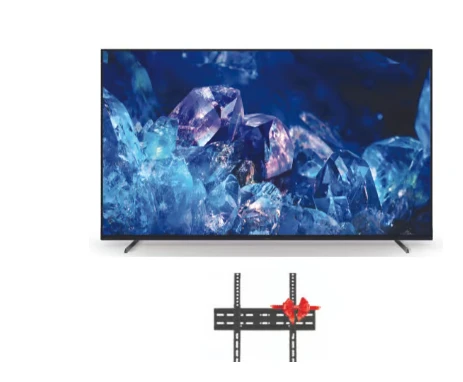
In the rapidly evolving landscape of consumer electronics, Sony has consistently positioned itself at the forefront of innovation, particularly in the realm of Smart TV technology. Leveraging its extensive expertise in both hardware and software, Sony continues to set new benchmarks for performance, design, and user experience. This introduction explores the key ways in which Sony is driving advancements in Smart TV technology, solidifying its reputation as a leader in this competitive market.
Sony’s commitment to excellence is evident through its integration of cutting-edge display technologies. The company’s BRAVIA series, renowned for its superior picture quality, utilizes OLED and LED panels to deliver vibrant colors, deep blacks, and stunning contrast. These displays are enhanced by Sony’s proprietary processors, such as the Cognitive Processor XR, which mimics human cognitive abilities to optimize picture and sound quality in real-time. This focus on visual and auditory fidelity ensures an immersive viewing experience that distinguishes Sony's Smart TVs from competitors.
In addition to hardware advancements, Sony excels in creating a seamless and intuitive user experience. The incorporation of the Google TV platform offers users an extensive range of apps and services, personalized content recommendations, and voice control capabilities. This platform, combined with Sony's user-centric design philosophy, simplifies navigation and enhances accessibility, making it easier for consumers to enjoy their favorite content.
Moreover, Sony’s dedication to innovation extends to connectivity and smart home integration. Sony Smart TVs are equipped with advanced features like HDMI 2.1 ports for high-speed data transfer, support for next-generation gaming consoles, and compatibility with various smart home devices. These capabilities allow users to create a connected home ecosystem, where their TV serves as a central hub for entertainment and smart device management.
Sustainability also plays a crucial role in Sony's strategy. The company’s commitment to reducing its environmental impact is reflected in its use of eco-friendly materials and energy-efficient technologies. By prioritizing sustainability, Sony not only meets the growing consumer demand for environmentally responsible products but also sets a standard for the industry.
In summary, Sony’s leadership in Smart TV technology is driven by its relentless pursuit of innovation, excellence in design, and commitment to sustainability. By continually pushing the boundaries of what is possible, Sony ensures that its Smart TVs offer unmatched performance, versatility, and user satisfaction.
Sony's Technological Innovations
Sony’s position as a leader in Smart TV technology is built upon a foundation of groundbreaking innovations that continuously push the envelope of what is possible in home entertainment. This section delves into the core technological advancements that define Sony Smart TV offerings, highlighting how these innovations contribute to superior performance, user experience, and overall value.
1. Advanced Display Technologies
OLED and LED Panels:
Sony's use of OLED (Organic Light Emitting Diode) and advanced LED panels sets its Smart TVs apart by delivering exceptional picture quality. OLED technology is renowned for its ability to produce perfect blacks and vivid colors, resulting in unparalleled contrast and realism. Sony's OLED TVs, such as those in the BRAVIA series, leverage this technology to offer stunning visuals that captivate viewers.
Cognitive Processor XR:
The Cognitive Processor XR represents a significant leap in display technology. This processor is designed to mimic the human brain's ability to perceive and comprehend the world. By cross-analyzing thousands of picture elements simultaneously, the Cognitive Processor XR optimizes every frame for the most natural and immersive viewing experience. This technology enhances clarity, contrast, color, and motion, ensuring that viewers enjoy the highest quality visuals possible.
2. Superior Audio Performance
Acoustic Surface Audio:
Sony’s Acoustic Surface Audio technology transforms the entire screen into a speaker, providing an immersive audio experience. By vibrating the screen to produce sound, this innovation ensures that audio is perfectly aligned with the action on screen, creating a more engaging and realistic viewing experience. This approach eliminates the need for traditional speakers, resulting in a sleek, minimalist design.
3D Surround Upscaling:
Another significant audio innovation is Sony’s 3D Surround Upscaling technology. This feature enhances audio to create a multidimensional sound experience, simulating the effect of surround sound systems. It uses advanced algorithms to analyze and upscale audio signals, providing a rich, immersive soundscape that complements the high-quality visuals.
3. Seamless User Experience
Google TV Integration:
Sony Smart TVs come integrated with the Google TV platform, offering a comprehensive and intuitive user interface. Google TV aggregates content from various streaming services, making it easier for users to find and enjoy their favorite shows and movies. The platform also supports personalized recommendations, voice search, and smart home control, enhancing the overall user experience.
Voice Control and AI Integration:
Sony leverages artificial intelligence to enhance user interaction with its Smart TVs. Voice control functionality, powered by Google Assistant and Amazon Alexa, allows users to control their TV, search for content, and manage smart home devices using simple voice commands. This AI-driven feature streamlines the user experience and makes technology more accessible.
4. Next-Generation Connectivity
HDMI 2.1 and Gaming Optimization:
Sony Smart TVs are equipped with HDMI 2.1 ports, which support higher resolutions and faster refresh rates, making them ideal for next-generation gaming consoles like the PlayStation 5. Features such as Variable Refresh Rate (VRR) and Auto Low Latency Mode (ALLM) ensure smooth gameplay and responsive performance, catering to the demands of serious gamers.
Smart Home Integration:
Sony TVs seamlessly integrate with smart home ecosystems, including compatibility with Apple HomeKit, Google Home, and Amazon Alexa. This allows users to control their TV and other smart devices from a single interface, creating a cohesive and convenient smart home environment.
5. Commitment to Sustainability
Eco-Friendly Materials and Energy Efficiency:
Sony is committed to reducing its environmental footprint through the use of eco-friendly materials and energy-efficient technologies. The company’s Smart TVs are designed with recyclable components and energy-saving features, aligning with global efforts to promote sustainability. This commitment not only meets consumer demand for greener products but also sets a benchmark for the industry.
In summary, Sony's technological innovations in Smart TV technology encompass advanced display and audio technologies, seamless user interfaces, next-generation connectivity, and a strong commitment to sustainability. These innovations not only enhance the viewing experience but also position Sony as a pioneer in the future of home entertainment.
Advanced Features in Sony Smart TVs
Sony’s Smart TVs are renowned for their advanced features that provide an exceptional viewing experience, seamless usability, and robust connectivity. This section outlines the key advanced features that set Sony Smart TVs apart in the competitive market.
1. Enhanced Picture Quality
Cognitive Processor XR:
Sony’s Cognitive Processor XR is a revolutionary feature that uses artificial intelligence to optimize picture and sound quality in real-time. This processor mimics the human brain’s ability to focus, resulting in incredibly realistic visuals. It analyzes and enhances each frame by adjusting brightness, contrast, and color to ensure the highest quality image.
XR Triluminos Pro:
The XR Triluminos Pro technology enhances color accuracy by expanding the color gamut and reproducing a broader spectrum of colors. This technology ensures that the colors on screen are vibrant and true-to-life, making every scene more immersive.
Full Array LED with Local Dimming:
Sony’s Full Array LED TVs with local dimming technology provide deeper blacks and higher contrast by adjusting the brightness of individual LED zones. This results in more detailed shadows and highlights, adding depth and realism to the picture.
2. Superior Audio Technologies
Acoustic Surface Audio+:
Acoustic Surface Audio+ technology turns the entire screen into a speaker, delivering sound directly from the screen. This innovation creates a more immersive audio experience, as sound follows the action on screen, providing a more lifelike and engaging experience.
XR Sound Position:
XR Sound Position technology enhances the audio experience by ensuring that sound comes from the right place on the screen. This creates a more realistic soundscape, making it feel as though you are part of the action.
3D Surround Upscaling:
Sony’s 3D Surround Upscaling technology converts regular audio into multidimensional sound, simulating a surround sound experience. This feature uses advanced algorithms to analyze and upscale audio signals, creating a rich, immersive audio environment.
3. User-Friendly Interface and Smart Features
Google TV Integration:
Sony Smart TVs feature Google TV integration, providing a user-friendly interface that aggregates content from various streaming services. This platform offers personalized recommendations, easy content discovery, and voice control capabilities, making it simple and convenient to access your favorite shows and movies.
Voice Control with Google Assistant and Amazon Alexa:
Sony Smart TVs support voice control through Google Assistant and Amazon Alexa. This feature allows users to search for content, control their TV, and manage smart home devices using voice commands, enhancing the overall user experience.
Chromecast Built-In and Apple AirPlay:
With built-in Chromecast and Apple AirPlay support, Sony Smart TVs allow users to stream content from their smartphones, tablets, or computers directly to their TV. This seamless connectivity enhances the versatility of Sony Smart TVs, making it easy to share content with friends and family.
4. Gaming Optimization
HDMI 2.1 Ports:
Sony Smart TVs are equipped with HDMI 2.1 ports, supporting high resolutions and faster refresh rates necessary for next-generation gaming consoles. This ensures smoother gameplay and reduces lag, providing a superior gaming experience.
Variable Refresh Rate (VRR) and Auto Low Latency Mode (ALLM):
These features enhance the gaming experience by reducing screen tearing and input lag. VRR dynamically adjusts the refresh rate to match the frame rate of the game, while ALLM automatically switches the TV to game mode when a console is detected, ensuring the lowest possible latency.
5. Smart Home Integration and Connectivity
Compatibility with Smart Home Devices:
Sony Smart TVs are compatible with various smart home ecosystems, including Apple HomeKit, Google Home, and Amazon Alexa. This allows users to control their TV and other smart devices from a single interface, creating a cohesive and convenient smart home environment.
BRAVIA CORE:
BRAVIA CORE is Sony’s exclusive streaming service that offers high-quality movie streaming with Pure Stream™ technology, providing near lossless UHD Blu-ray equivalent quality. This service includes access to a vast library of Sony Pictures’ titles, enhancing the entertainment options available to users.
6. Eco-Friendly and Energy Efficient
Energy-Saving Modes:
Sony Smart TVs come with energy-saving modes that reduce power consumption without compromising on performance. These modes adjust the TV’s settings to minimize energy use, aligning with global efforts to promote sustainability.
Eco-Friendly Materials:
Sony is committed to reducing its environmental impact by using eco-friendly materials in the construction of its Smart TVs. This includes recyclable components and materials that minimize the ecological footprint of the products.
In conclusion, Sony Smart TVs are equipped with a wide range of advanced features that enhance picture and audio quality, improve usability, optimize gaming experiences, and offer seamless smart home integration. These features, combined with Sony’s commitment to sustainability, make Sony Smart TVs a top choice for consumers seeking the best in home entertainment technology.
Market Impact and Consumer Reception
Sony’s innovative advancements in Smart TV technology have had a significant impact on the market and have been met with positive reception from consumers. This section examines the market influence of Sony Smart TVs, the response from consumers, and the factors contributing to their success.
Market Impact
Leading Market Position:Sony has maintained a strong position in the Smart TV market through continuous innovation and high-quality products. The company’s focus on integrating advanced technologies like OLED and the Cognitive Processor XR has set new standards for picture quality and performance. This has enabled Sony to capture a substantial market share in the premium segment, where consumers prioritize quality and advanced features over price.
Influence on Industry Standards:Sony’s technological innovations often lead the way in setting industry benchmarks. Features such as Acoustic Surface Audio+ and Cognitive Processor XR have influenced competitors to develop similar technologies, pushing the entire industry forward. By consistently introducing cutting-edge features, Sony plays a pivotal role in driving technological advancements within the Smart TV market.
Strategic Partnerships and Content Offerings:Sony’s strategic partnerships with content providers and integration of platforms like Google TV have broadened the appeal of its Smart TVs. The exclusive BRAVIA CORE streaming service offers high-quality content that leverages Sony’s technological strengths, providing consumers with unique entertainment options. These partnerships enhance the overall value proposition of Sony Smart TVs, attracting a wider audience.
Consumer Reception
High Customer Satisfaction:Consumer reviews and ratings for Sony Smart TVs are generally very positive, with users praising the exceptional picture and sound quality. Features like the Cognitive Processor XR and Acoustic Surface Audio+ receive particular acclaim for enhancing the viewing experience. The seamless integration of Google TV and voice control capabilities also contributes to high user satisfaction by making navigation and content discovery more intuitive.
Positive Reviews from Tech Critics:Tech critics and reviewers frequently highlight Sony Smart TVs for their superior performance and innovative features. Reviews often emphasize the exceptional visual fidelity provided by OLED and Full Array LED displays, as well as the immersive audio experience from Acoustic Surface Audio+ technology. Such endorsements from trusted sources further boost consumer confidence and drive sales.
Strong Brand Loyalty:Sony’s reputation for quality and reliability has fostered strong brand loyalty among consumers. Many customers who purchase Sony Smart TVs are repeat buyers, drawn by their positive experiences with previous Sony products. This loyalty is reinforced by consistent product performance and the company’s commitment to innovation.
Factors Contributing to Success
Advanced Technology Integration:The integration of advanced technologies such as the Cognitive Processor XR, Acoustic Surface Audio+, and HDMI 2.1 ports ensures that Sony Smart TVs offer top-tier performance. These innovations provide a competitive edge by meeting the evolving demands of consumers for higher quality and more immersive entertainment experiences.
Focus on User Experience:Sony’s emphasis on user experience is evident in the design and functionality of its Smart TVs. Features like Google TV integration, voice control, and personalized content recommendations enhance ease of use and accessibility. This user-centric approach has been crucial in attracting and retaining customers.
Comprehensive Smart Home Compatibility:Compatibility with various smart home ecosystems, including Apple HomeKit, Google Home, and Amazon Alexa, allows Sony Smart TVs to serve as central hubs in connected homes. This interoperability appeals to tech-savvy consumers looking to integrate their TVs with other smart devices, further driving the appeal of Sony’s offerings.
Commitment to Sustainability:Sony’s dedication to sustainability resonates with environmentally conscious consumers. The use of eco-friendly materials and energy-efficient technologies in Sony Smart TVs aligns with the growing consumer preference for products that minimize environmental impact. This commitment not only enhances the brand’s image but also meets the ethical expectations of modern consumers.
Sony’s impact on the Smart TV market is marked by its ability to set industry standards and capture significant market share through continuous innovation and a strong focus on quality. The positive consumer reception, characterized by high satisfaction, positive reviews, and strong brand loyalty, underscores the success of Sony’s approach. By integrating advanced technologies, enhancing user experience, ensuring smart home compatibility, and committing to sustainability, Sony has established itself as a leader in the Smart TV industry, poised to continue shaping the future of home entertainment.
Sony’s Vision for the Future
Sony’s vision for the future of Smart TV technology is driven by a commitment to innovation, enhancing user experience, and sustainability. This forward-looking strategy aims to anticipate and meet the evolving needs of consumers while maintaining Sony’s position at the forefront of the industry. The following sections outline Sony’s key focus areas and strategic initiatives for the future.
1. Pioneering Cutting-Edge Display Technologies
Next-Generation OLED and QD-OLED:
Sony plans to continue pushing the boundaries of display technology by further refining its OLED and exploring Quantum Dot OLED (QD-OLED) panels. These technologies promise even greater color accuracy, higher brightness levels, and improved energy efficiency. By investing in these advanced display technologies, Sony aims to deliver unparalleled visual experiences that set new industry standards.
MicroLED Development:
Sony is also exploring the potential of MicroLED technology, which offers superior brightness, contrast, and longevity compared to traditional displays. MicroLED panels are composed of microscopic LEDs that emit their own light, eliminating the need for backlighting and allowing for thinner, more flexible displays. This technology holds promise for future high-end Smart TVs with exceptional picture quality and innovative form factors.
2. Enhanced AI and Machine Learning Integration
Advanced AI Processing:
Building on the success of the Cognitive Processor XR, Sony envisions even more sophisticated AI-driven processing capabilities. Future processors will leverage machine learning algorithms to better understand and predict user preferences, optimizing both picture and sound quality in real-time. This will result in a more personalized and immersive viewing experience tailored to individual users.
AI-Powered Content Recommendations:
Sony aims to enhance content discovery through more advanced AI-powered recommendation engines. By analyzing viewing habits and preferences, Sony’s Smart TVs will provide highly relevant and personalized content suggestions, making it easier for users to find new shows and movies they will enjoy.
3. Seamless Connectivity and Smart Home Integration
Expanded Smart Home Ecosystem:
Sony envisions its Smart TVs as central hubs within the connected home ecosystem. Future models will offer seamless integration with a wider range of smart home devices and platforms, enhancing interoperability and convenience. This will include advanced voice control, automation features, and enhanced compatibility with IoT devices, making Sony Smart TVs integral to the smart home experience.
5G and Wi-Fi 6E Connectivity:
To support the growing demand for high-speed internet and seamless streaming, Sony plans to incorporate 5G and Wi-Fi 6E connectivity into its Smart TVs. These technologies will provide faster and more reliable internet connections, enabling smoother streaming of high-resolution content, reduced latency for gaming, and better overall performance in smart home networks.
4. Sustainability and Eco-Friendly Innovations
Eco-Conscious Manufacturing:
Sony is committed to reducing its environmental footprint through sustainable manufacturing practices. This includes using recycled materials, reducing plastic usage, and improving the energy efficiency of its products. Future Smart TVs will be designed with a focus on sustainability, aligning with global efforts to combat climate change and reduce waste.
Energy-Efficient Technologies:
Future Sony Smart TVs will feature even more energy-efficient technologies, including improved power management systems and eco-friendly display technologies. These advancements will not only reduce the environmental impact of Sony’s products but also lower energy costs for consumers.
5. Enhanced Audio Experiences
Next-Gen Acoustic Surface Audio:
Sony plans to continue innovating in audio technology with the development of next-generation Acoustic Surface Audio. This will involve more precise sound positioning and enhanced sound quality, creating an even more immersive audio experience that matches the high visual standards of Sony’s displays.
3D Audio and Spatial Sound:
Building on its expertise in audio, Sony aims to incorporate advanced 3D audio and spatial sound technologies into its Smart TVs. These technologies will create a more dynamic and immersive sound environment, making viewers feel as if they are part of the action on screen.
6. Expanding Content and Services
Enhanced Streaming Services:
Sony will expand its streaming service offerings, including the BRAVIA CORE platform, to provide a broader range of high-quality content. This will include exclusive partnerships, high-definition streaming, and unique interactive features that leverage Sony’s technological strengths.
Interactive and Augmented Reality Content:
Sony envisions the integration of interactive and augmented reality (AR) content into its Smart TVs. This could involve interactive TV shows, AR-enhanced sports broadcasts, and educational content that leverages AR to provide a more engaging and informative experience.
Sony’s vision for the future of Smart TV technology encompasses a comprehensive strategy that combines cutting-edge innovations, enhanced user experiences, and a strong commitment to sustainability. By advancing display and audio technologies, integrating AI and machine learning, expanding smart home connectivity, and prioritizing eco-friendly practices, Sony aims to continue leading the Smart TV market. This forward-looking approach ensures that Sony will meet the evolving needs of consumers while setting new standards in home entertainment.
Conclusion
Sony's leadership in the Smart TV market is a testament to its unwavering commitment to innovation, superior performance, and user-centric design. By continuously pushing the boundaries of what is possible in home entertainment, Sony has established itself as a front-runner in Smart TV technology.
Technological AdvancementsSony’s integration of cutting-edge display technologies, such as OLED, QD-OLED, and the Cognitive Processor XR, ensures that its Smart TVs deliver unparalleled picture quality. These advancements allow Sony to provide consumers with vibrant, lifelike visuals that enhance the viewing experience. The development of innovative audio technologies like Acoustic Surface Audio+ further complements this visual prowess, creating an immersive entertainment environment.
User Experience and Smart FeaturesSony’s focus on user experience is evident through the incorporation of the Google TV platform, which offers seamless navigation, personalized content recommendations, and comprehensive voice control. The company’s dedication to creating intuitive and accessible interfaces makes it easier for consumers to enjoy a wide range of content and services. Additionally, Sony’s Smart TVs are designed to integrate seamlessly into smart home ecosystems, providing users with enhanced connectivity and convenience.
Commitment to SustainabilitySony’s commitment to sustainability is reflected in its use of eco-friendly materials and energy-efficient technologies. By prioritizing environmental responsibility, Sony meets the growing consumer demand for sustainable products while setting an industry benchmark. This focus on reducing environmental impact without compromising on quality underscores Sony’s dedication to responsible innovation.
Market Impact and Consumer ReceptionSony’s continuous innovation and high standards have resulted in strong market performance and positive consumer reception. High customer satisfaction, positive reviews from tech critics, and strong brand loyalty highlight the success of Sony’s Smart TVs. The company’s strategic partnerships and unique content offerings, such as the BRAVIA CORE streaming service, enhance the overall value proposition, attracting a broad audience.
Vision for the FutureLooking ahead, Sony’s vision for the future includes further advancements in display and audio technologies, deeper integration of AI and machine learning, expanded smart home capabilities, and a continued commitment to sustainability. By focusing on these areas, Sony aims to remain at the forefront of the Smart TV market, delivering innovative and high-quality products that meet the evolving needs of consumer.
In conclusion, Sony is leading the charge in Smart TV technology through a combination of pioneering innovations, a strong focus on user experience, a commitment to sustainability, and a forward-looking vision. These elements collectively ensure that Sony Smart TVs offer unmatched performance, versatility, and user satisfaction. As Sony continues to push the boundaries of home entertainment, it remains poised to shape the future of the Smart TV industry.


























Sign in to leave a comment.