

VR gaming is not early anymore, and that changes the argument
Here is the unpopular take first: virtual reality gaming does not need a miracle to matter. It needs fewer excuses. For a decade, the industry kept selling VR as a coming revolution, then acted surprised when players treated it like expensive gym equipment with OLED panels. Three things went wrong before anything went right: hardware was too bulky, software libraries were too thin, and setup friction was so bad it felt designed by people who think bad UX is a personality trait. Actually, that phase is ending.
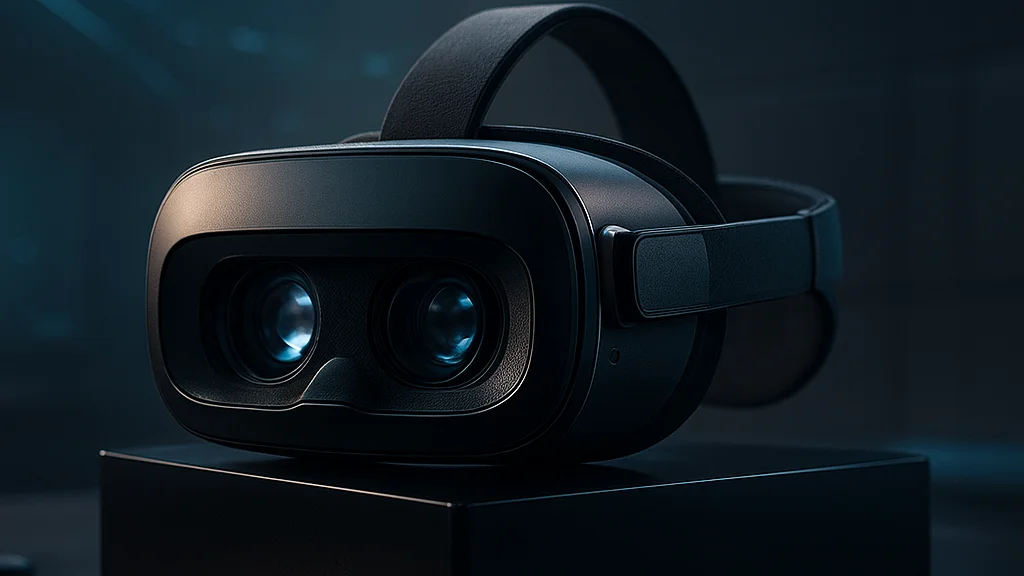
By mid-2026, the conversation around VR gaming is less about whether the medium will survive and more about which form of it will scale. Standalone devices have matured. PC VR still owns the high-end enthusiast lane. Mixed reality features are no longer marketing garnish; they are becoming a practical bridge for users who do not want full sensory isolation every session. If you have followed the broader debate through pieces like Rethinking Virtual Reality Gaming and the Best Headsets and Virtual Reality Gaming: The Future and Best Headsets to Watch, the pattern is clear: the winners are not the flashiest headsets, but the ones that reduce friction between curiosity and regular use.
That is why the “future of VR gaming” question has become more interesting than the old “is VR dead” bait. According to recent buying guides from TechTimes and MSN, buyers in 2026 are comparing ecosystems, display quality, passthrough, comfort, and software support with a level of normal consumer scrutiny that simply did not exist in VR’s earlier hype cycles. That is a healthy sign. Hype buys first-wave units. Routine purchases build categories.
VR gaming’s future will not be decided by the most futuristic demo. It will be decided by the headset people are willing to wear for the second hour, the second week, and the second year.
The shift matters because gaming hardware markets rarely reward ambition alone. They reward convenience, content density, and price discipline. VR is finally being judged by those standards. Good. That means it has a chance to become real consumer technology instead of a permanent keynote slide.
How VR got here: from novelty hardware to segmented market
The first modern VR wave was powered by spectacle. Oculus Rift made presence feel real enough to trigger a thousand hot takes. HTC Vive pushed room-scale interaction into the mainstream enthusiast conversation. Sony proved that a console audience would try VR if the entry point was familiar. Then came the predictable hangover. Motion sickness remained a problem for some users. Cable management was ugly. Tracking setups took patience. Developers faced a chicken-and-egg problem: large budgets needed large audiences, and large audiences wanted large budgets.
Yet the industry did not stall so much as split into lanes. That split is the real story. One lane optimized for accessibility through standalone systems, led by Meta’s Quest line. Another lane stayed premium and PC-driven, where higher-end rendering, simulation games, and mod communities kept the format alive. A third lane, increasingly relevant in 2026, merged VR with mixed reality and spatial computing ambitions, blurring the old distinction between “gaming headset” and “general immersive device.”
There is a reason this matters for buyers. A headset is no longer just a screen strapped to your face. It is a bundle of trade-offs involving ecosystem lock-in, controller quality, hand tracking reliability, app store curation, social features, and whether the device can pull double duty for media or work. ITWire’s reporting on how virtual reality headsets are influencing remote work captures part of this wider shift. Even if you only care about games, non-gaming use cases matter because they subsidize hardware R&D, improve optics, and justify better silicon.
What changed structurally is simple: VR stopped being one category. It became a stack of overlapping markets.
- Standalone VR: easiest entry, self-contained hardware, strongest mainstream adoption path.
- PC VR: best visual ceiling, strongest modding and simulation communities, highest setup demands.
- Console VR: curated software and simpler onboarding, but tied to one platform’s strategy.
- Mixed reality devices: broader utility, stronger passthrough, often more expensive and less gaming-first.
This segmentation also explains why the old “best headset” question is badly framed. Best for whom? A sim racer with a powerful GPU does not need the same thing as a Beat Saber regular, and neither buyer thinks like a parent shopping for a family device. Actually, this is where most recommendation lists go lazy. They flatten unlike users into one fake average consumer.
What the best VR headsets in 2026 actually compete on
Most headset roundups still obsess over resolution as if pixels alone decide immersion. They do not. Three things matter more before raw panel numbers help: comfort, software ecosystem, and tracking consistency. If the headset pinches your face, if the game library feels like a tech demo graveyard, or if controller tracking breaks your rhythm, the spec sheet becomes decorative fiction. Very premium fiction.
Based on the 2026 recommendations collected by TechTimes and MSN, the strongest contenders generally include Meta’s Quest family for mainstream buyers, PlayStation VR2 for console users already inside Sony’s ecosystem, and premium PC-oriented options for enthusiasts who care about visual fidelity and simulation depth. Apple’s Vision Pro remains part of the wider spatial conversation, but for pure gaming value it still sits in a strange category: impressive, expensive, and not designed around the same cost logic as dedicated gaming headsets.
When comparing headsets, these are the metrics that actually separate good from merely expensive:
- Display quality: not just resolution, but clarity across the lens, brightness, persistence, and black levels.
- Optics: pancake lenses and similar advances reduce bulk and improve perceived sharpness.
- Tracking: inside-out tracking is more convenient; external tracking can still offer precision advantages for niche users.
- Passthrough quality: now critical because mixed reality modes influence usability even in gaming households.
- Comfort and weight balance: the hidden killer of repeat use.
- Content ecosystem: exclusives, updates, multiplayer population, and backward compatibility all matter.
- Connection options: standalone, wired PC link, wireless PC streaming, and console compatibility.
- Price-to-library ratio: the headset is only the first bill; software costs shape long-term value.
For mainstream buyers, Meta still benefits from a massive advantage: convenience. A Quest-style device can be unboxed, updated, and used in minutes. That sounds trivial until you remember how many promising gaming platforms died because they confused setup with commitment. Sony, meanwhile, still offers one of the cleanest premium paths for console users who want polished exclusives and do not want to troubleshoot drivers like they are moderating a niche Reddit sub at 2 a.m.
PC VR retains a different kind of strength. It is where flight sims, racing sims, modded experiences, and enthusiast communities keep pushing the medium hardest. If you have the hardware, the ceiling is still unmatched. But the value equation depends on whether you already own a strong gaming PC. Buying both at once is where VR recommendations become suspiciously optimistic.
The best VR headset is rarely the one with the longest spec list. It is the one whose compromises line up with your habits instead of fighting them.
That is also why advice like Expert Tips for the Future of Virtual Reality Gaming and Best Headsets remains useful when framed around use case instead of hype. The market is more mature now, but maturity does not mean simplicity. It means the trade-offs are finally visible.
The software problem is still the real battleground
Hardware headlines get clicks. Software decides survival. This has been true for every gaming platform, and VR is not exempt just because the demos look cooler in a keynote trailer. A headset without sticky software becomes a very advanced regret. The reason some users still bounce off VR is not that immersion failed; it is that retention failed. After the first week, they cannot find enough experiences that feel worth the friction of clearing space, charging controllers, and sealing themselves off from the room.
The strongest VR software categories in 2026 are not random. They share one trait: they exploit embodiment rather than just porting flat-screen game design into 3D space. Rhythm games remain effective because physical timing feels natural in VR. Cockpit-based games work because seated play reduces motion discomfort and increases presence. Social VR persists because identity performance and shared space create value beyond traditional multiplayer. Fitness-adjacent titles keep growing because they justify headset time in a way many players can rationalize.
Where the medium still struggles is in large-budget, broad-audience narrative games released at a steady pace. Development costs are difficult to justify when the install base, while healthier than before, remains smaller than console or PC gaming overall. Publishers know this. They also know that VR-specific design requires different testing, interface logic, locomotion options, accessibility planning, and comfort tuning. You cannot just drag a camera into first person and pretend the work is done.
Even so, there are signs of improvement in 2026:
- More cross-platform support between standalone and PC-linked modes.
- Better mixed reality integrations that make short sessions easier to start.
- Growing interest in mods and user-generated content for longevity.
- Improved hand tracking for lighter interactions and menu navigation.
- More publishers treating VR as a strategic extension rather than a one-off experiment.
The next phase of software growth will likely come from hybrids, not pure exclusivity. Games designed to work across flatscreen, VR, and mixed reality modes can spread costs and widen audiences. Purists hate that idea because they think compromise kills immersion. Sometimes it does. But commercially, hybrid design may be exactly what keeps more studios in the market long enough to make excellent VR-native work later.
That broader pattern is visible in adjacent analysis such as Virtual Reality Gaming Future and the Best Headsets, which points toward ecosystem thinking rather than one-device obsession. The headset matters. The software cadence matters more.
What changed recently in 2026
By July 2026, the VR conversation has become sharper for one reason: buyers have enough options to be selective. That sounds obvious, but it is a major change from earlier years when recommendation lists were basically “buy the least inconvenient one.” TechTimes’ May 2026 roundup and MSN’s 2026 buyer guide both reflect a market where categories are clearer and expectations higher. Consumers now ask whether a headset is best for gaming, movies, work, travel, or mixed reality. That segmentation is evidence of maturity, not fragmentation failure.
Several developments stand out this year. First, passthrough quality has become a frontline feature. Better color passthrough and spatial awareness reduce the psychological barrier of putting on a headset. You can check your room, glance at notifications, or blend game elements into your environment. For gaming, that means shorter, more frequent sessions become easier. Second, comfort engineering is finally receiving the attention it should have had years ago. Weight distribution, facial interface design, and lens efficiency are now central selling points rather than afterthoughts.
Third, there is stronger recognition that VR and remote collaboration technologies feed each other. ITWire’s coverage of headset use in remote working matters here because enterprise and productivity investment can improve display tech, battery management, and interface design that later benefits gaming hardware. Gamers do not always like hearing this. They want their toys uncontaminated by office logic. But cross-subsidy is how hardware categories survive long enough to get good.
Another 2026 change is cultural rather than technical: skepticism is more disciplined now. Instead of declaring VR either dead or inevitable, buyers are comparing practical value. That is healthier for everyone. It punishes weak software support. It rewards devices that do more than one thing well. It also exposes overpriced products faster.
Three current realities define the market:
- Mainstream VR is standalone-first, because convenience still beats purity.
- Premium VR remains enthusiast-led, especially in simulation and PC communities.
- Mixed reality is becoming the onboarding layer, making full VR less intimidating for new users.
If you want a snapshot of how editorial coverage has evolved, compare today’s buying guides with older ones. The tone is less evangelical, more comparative, and actually more useful. That is progress.
How to choose the right headset without falling for marketing
Most buyers do not need the “best” headset. They need the headset they will actually keep using. Those are not the same thing. The industry has spent years training people to chase top-end specs while ignoring basic behavioral reality. If the device is annoying, it loses. If the store is weak, it loses. If replacement accessories are overpriced, if battery life is irritating, if multiplayer friends are elsewhere, it loses.
Start with platform commitment. If you already own a PlayStation and want the cleanest premium path into VR gaming, a console-tied option can make sense. If you own a strong gaming PC and care about sims, mod support, and maximum fidelity, PC VR remains compelling. If you want the least friction and broadest household usability, standalone is still the smartest default. This is not ideological. It is just honest.
Then ask five practical questions:
- How much physical space do you realistically have for room-scale play?
- Will you play in long sessions, or mostly in short bursts?
- Do you value exclusives more than hardware flexibility?
- Are you sensitive to headset weight or motion discomfort?
- Do you need one device for gaming, media, and occasional productivity?
Price also needs adult treatment. The headset sticker price is only part of the total cost. Add games, accessories, charging solutions, replacement straps, prescription inserts if needed, and potentially a better router for wireless PC streaming. Suddenly the “affordable” option is not so cheap. On the other side, expensive premium hardware can be poor value if your weekly usage never justifies it.
A sober buying framework looks like this:
- Choose your ecosystem first.
- Set a total budget, not just a device budget.
- Prioritize comfort over tiny spec differences.
- Check the software library you will use in the first three months.
- Decide whether mixed reality features matter to your routine.
Actually, this is where many shoppers get trapped by founder-drama style marketing: a company promises the future, and buyers pay for a roadmap instead of a product. Bad move. Buy what works now. Future-proofing in consumer tech is often just premium-priced fan fiction.
For readers wanting more comparative context, April 2026: Exploring the Future of Virtual Reality Gaming and Top Headsets offers another angle on how quickly the recommendation logic can shift when software support and comfort improve. Headsets age fast. Ecosystems age slower.
Where VR gaming goes next
The future of VR gaming will probably be less cinematic than the industry once promised and more durable because of it. Expect fewer claims about replacing all traditional gaming and more progress in specific formats where immersion clearly adds value. Racing, flight, rhythm, social, horror, tactical shooters, and mixed-reality party experiences all have room to grow. The medium does not need to dominate every genre. It needs to own the ones where presence changes the experience instead of merely decorating it.
There are also three structural trends to watch over the next phase. First, lighter optics and better battery efficiency should make longer sessions more realistic for mainstream users. Second, mixed reality interfaces will likely become the default shell around VR experiences, making headset use feel less like entering another planet and more like opening a different computing mode. Third, cross-platform development tools should help studios target VR without betting the company on one install base.
The biggest risk is not technical stagnation. It is strategic confusion. If platform holders keep chasing prestige demos while neglecting software cadence and pricing discipline, growth will slow. Consumers have become less patient. They have seen too many premium devices launched with a thin content story and a lot of vibes. The market will not reward that forever.
VR’s next win will not come from proving flat-screen gaming obsolete. It will come from making immersive play normal, convenient, and repeatedly worth the hassle.
So, what should informed buyers and industry watchers take away in 2026? First, VR is no longer a novelty category waiting for permission to exist. Second, the best headsets are now good enough that ecosystem and software matter more than raw spectacle. Third, the future belongs to devices that reduce friction, support flexible play styles, and fit into daily life instead of demanding ritual.
That may sound less romantic than the old metaverse fever dream. Fine. Romance does not build durable gaming platforms. Good hardware, strong libraries, sane pricing, and repeat use do. VR is finally being judged on those terms. Actually, that is the best news the category has had in years.

























Sign in to leave a comment.