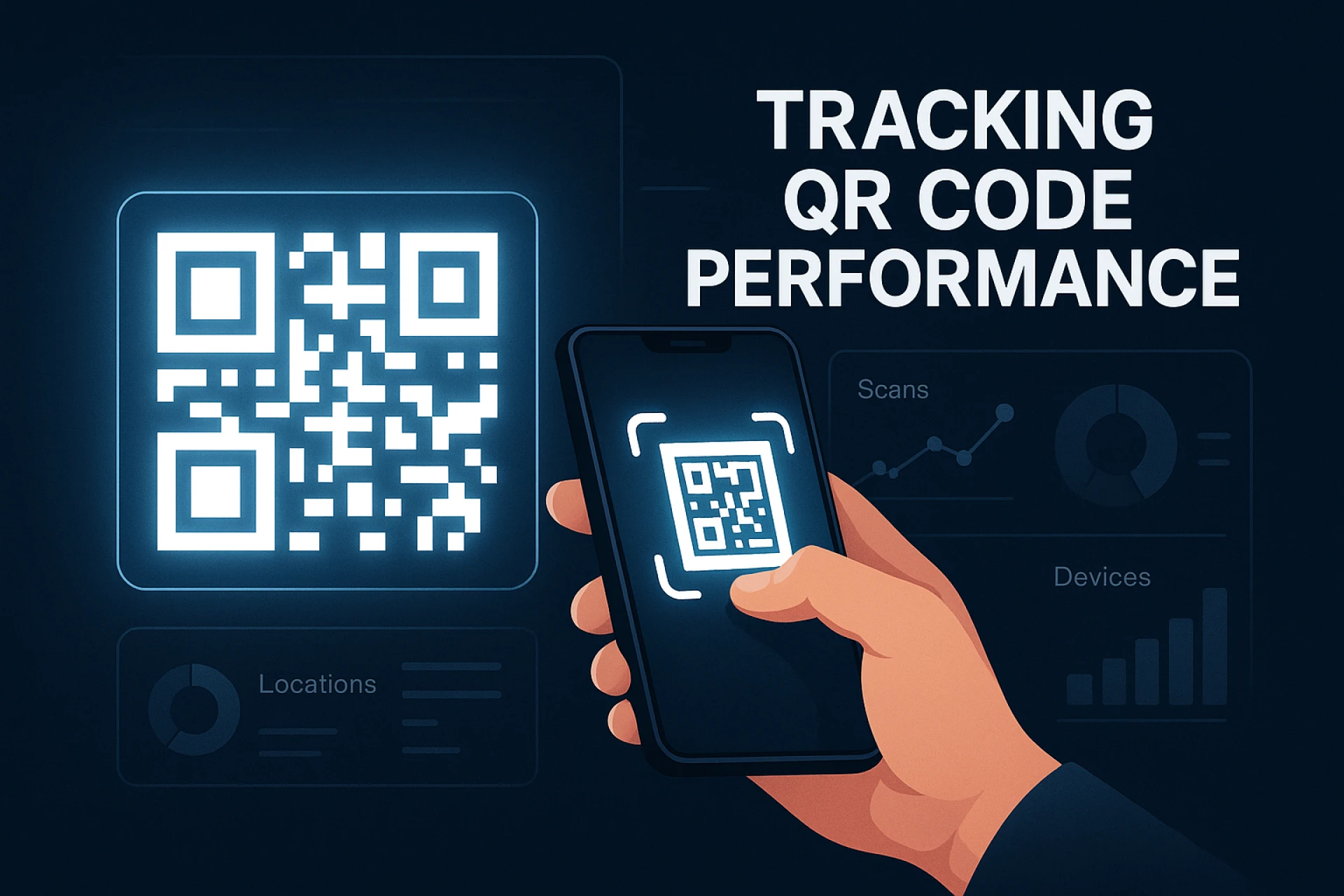

QR codes have become one of the most efficient ways to guide people from the physical world to your digital content. Whether you’re using them on packaging, posters, menus, or digital screens, every scan represents a real interaction with your brand.
But here’s the part many businesses overlook:
If you don’t track your QR code performance, you won’t know how well your campaigns are actually working.
Analytics show you how people engage with your codes, which helps you refine your marketing, improve conversions, and make smarter decisions.
This guide breaks down everything you need to know about QR code tracking and how to use it effectively with dynamic QR codes created at generate-qr-code.com.
Why QR Code Analytics Matter
A scan is more than just a click — it’s an insight.
Tracking QR codes helps you understand:
- Where people saw your QR code
- How many interacted with it
- What devices they used
- Which campaigns attract the most attention
Without this information, you’re left guessing about what’s working and what isn’t.
With analytics, you can turn QR codes into a measurable part of your marketing strategy.
Static vs. Dynamic QR Codes: What’s the Difference?
There are two types of QR codes, and only one of them offers tracking.
Static QR Codes
A static QR code is fixed permanently once generated.
It cannot collect scan data, and the destination can’t be changed later.
Good for:
- Permanent website links
- Contact information
- Basic use cases
Dynamic QR Codes
A dynamic QR code uses a short redirect URL.
This enables two major advantages:
- Full analytics and tracking
- The ability to update the destination anytime
Dynamic codes are ideal for campaigns, print materials, and anything that may need updates — all supported by generate-qr-code.com.
What You Can Track With Dynamic QR Codes
Dynamic QR code analytics give you a clear picture of user interaction.
Here are the most important metrics:
1. Total Scan Count
Tells you how engaging your QR code is overall.
2. Unique Visitors
Helps you understand your true reach — not just repeated scans.
3. Geographic Insights
Shows which countries, cities, or regions your scans come from.
Useful for regional campaigns and location-based marketing.
4. Device Breakdown
Learn whether users are scanning from:
- iPhones
- Android devices
- Tablets
- Desktop browsers
This helps you tailor landing pages to real user behavior.
5. Time and Date Activity
See when people are most active — mornings, evenings, weekdays, weekends.
Perfect for timing promotions.
How QR Code Tracking Works (In Simple Terms)
When someone scans a dynamic QR code, the request passes through a tracking layer before reaching your destination page.
This takes less than a second but records useful, non-personal information like:
- Timestamp
- Device type
- Approximate location
For the user, it’s seamless.
For marketers, it’s essential.
How to Set Up QR Code Tracking
You can start tracking in just a few minutes:
- Visit generate-qr-code.com
- Enter your URL
- Choose Dynamic QR Code
- Customize the design
- Click Generate
- Sign up or log in to access your analytics dashboard
From there, all scan data will appear automatically — no extra setup needed.
Tips to Improve Your QR Code Results
To get the most from your analytics, follow these best practices:
Use Clear Naming
Label each QR code by campaign or location so your data stays organized.
Run A/B Tests
Try different placements, colors, or CTAs to see which drives more scans.
Add UTM Parameters
This allows your scans to show up inside Google Analytics for deeper insights.
Monitor Trends
Look for spikes and patterns — these often match promotions, events, or better placements.
Update Destinations Without Reprinting
If you use dynamic codes, you can change links anytime, even after printing thousands of materials.
Real-World Uses for QR Code Analytics
Businesses across industries use QR tracking to optimize marketing:
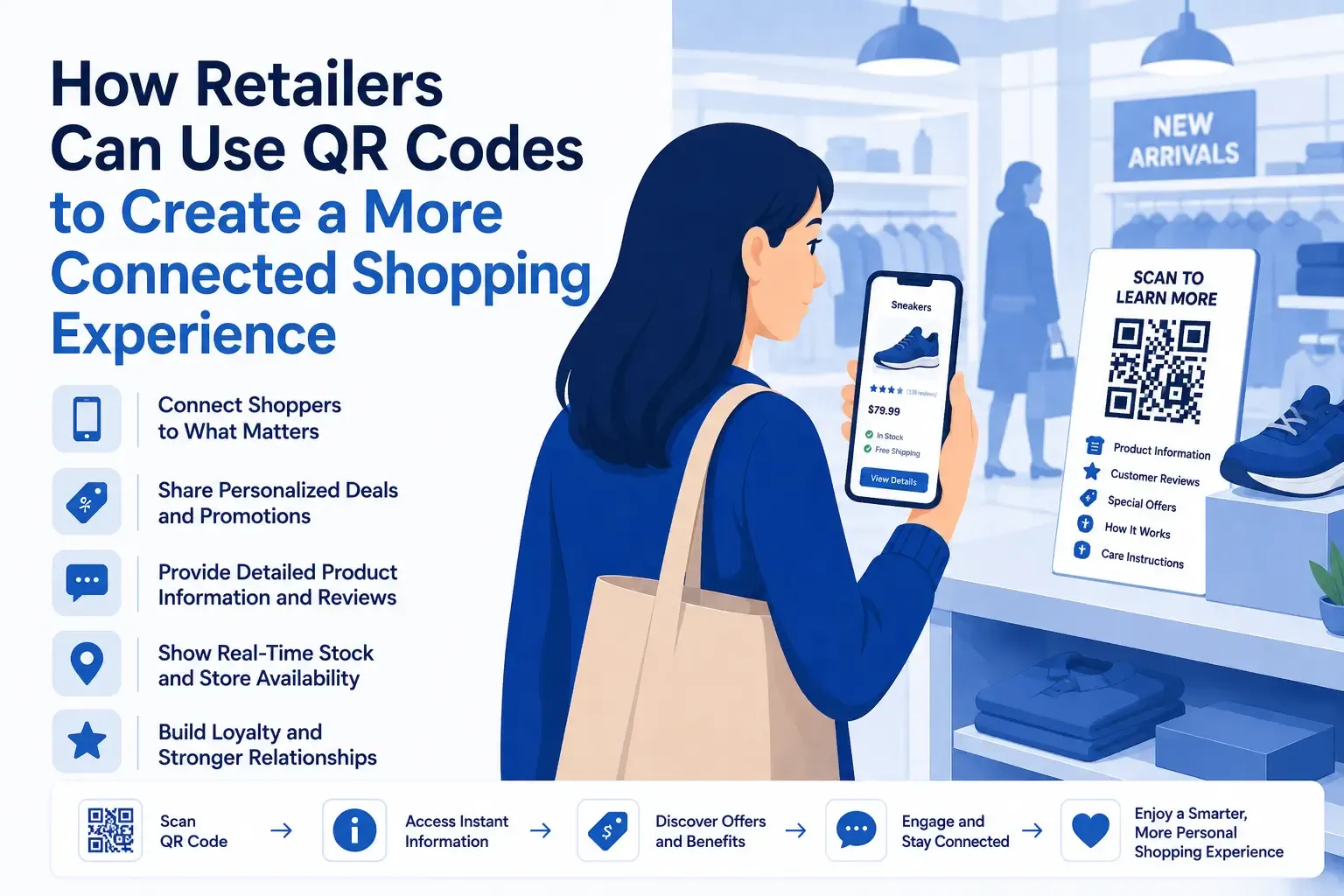
- Retailers analyze scan-by-location to improve store displays
- Restaurants monitor menu scans to plan peak staffing times
- Event organizers use QR codes to measure foot traffic across venues
- Startups test new markets and validate user interest through scan locations
QR code analytics reveal opportunities you wouldn’t see otherwise.
When Static QR Codes Are Still Enough
If you only need a QR code for a permanent, unchanging link — like your homepage — a static QR code is perfectly fine.
It’s quick, simple, and works without an account.
Dynamic codes are only necessary when you need data or flexibility.
Final Thoughts
QR code tracking turns basic scans into powerful insights.
With dynamic QR codes, you can monitor engagement, compare campaigns, optimize placement, and adjust your strategy based on real data — not guesswork.
It takes just a few minutes to set up, and the payoff is huge.
Start creating and tracking your own dynamic QR codes today at generate-qr-code.com.





























Sign in to leave a comment.