
Crafting the Perfect Home Office: A Moment in the Remote Revolution
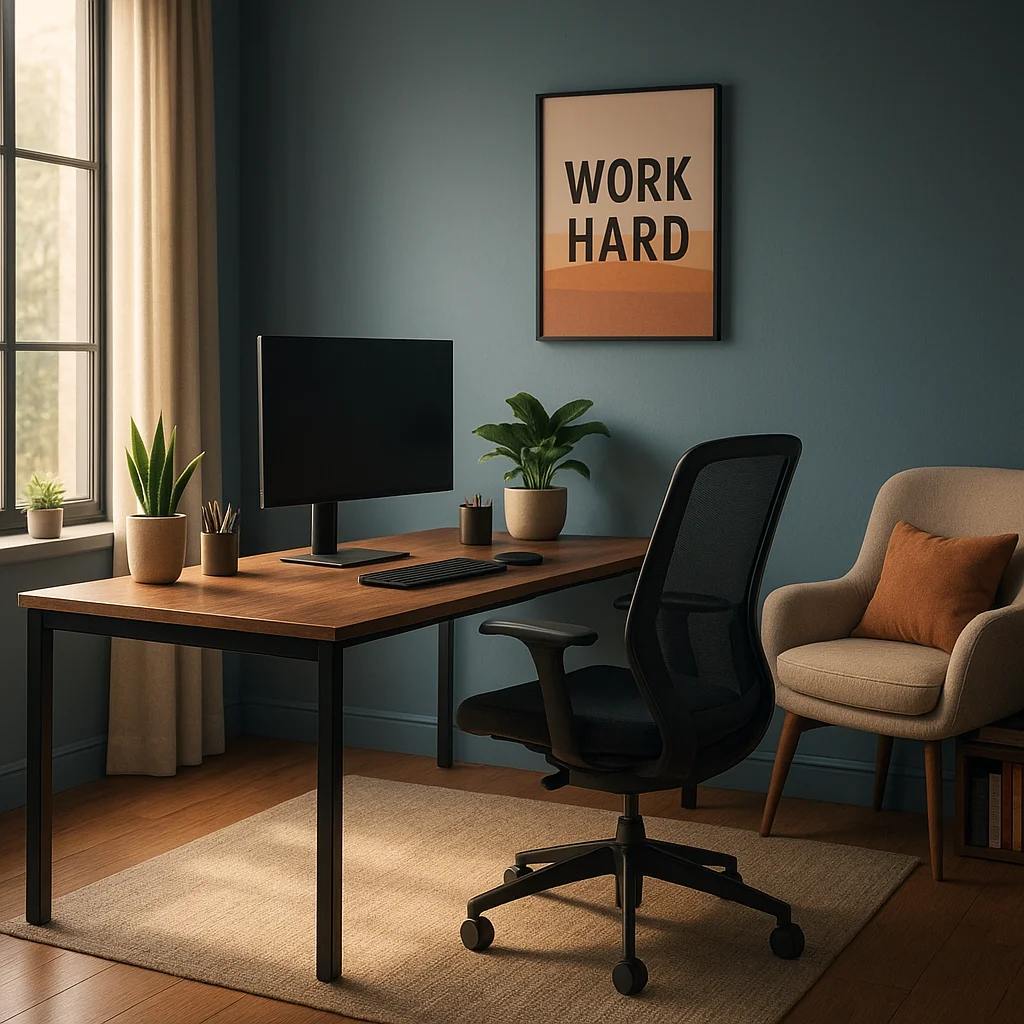
Imagine this: it's a crisp spring morning in San Francisco. The sun filters softly through the window of a modest apartment, casting warm light on a sleek desk where a professional is about to start their day. No noisy commutes. No crowded coffee shops. Just a dedicated, thoughtfully designed space that invites focus and sparks creativity.
This scene is increasingly common. According to Gallup's latest data, over 45% of the U.S. workforce regularly works remotely, a significant increase from pre-pandemic levels. Yet, many still struggle with productivity at home due to poorly arranged workspaces. Building a home office isn't just about placing a laptop on a kitchen table—it's about creating an environment that supports mental clarity, physical comfort, and professional efficiency.
As a remote work and productivity expert based in Silicon Valley, I've witnessed firsthand how a well-designed home office transforms workflows. This article unpacks the science, strategies, and latest 2026 trends to help you build a workspace that truly works.
"A dedicated workspace is the foundation of sustained productivity and creativity in remote work." – Sarah Mitchell
The Evolution of Home Offices: From Spare Bedrooms to Tech-Enabled Work Hubs
Once, home offices were rare — reserved for freelancers or small business owners. The traditional office dominated corporate life. However, the pandemic accelerated a tectonic shift. Companies like Twitter and Shopify pioneered permanent remote policies, signaling a new era.
By 2026, remote work is embedded in corporate culture. Yet, many workers initially struggled due to makeshift setups: working from sofas, kitchen counters, or even beds. These environments lacked ergonomic support, led to distractions, and blurred work-life boundaries.
Data from a 2025 report by the Remote Work Institute found that employees with dedicated home offices reported 32% higher productivity and 28% greater job satisfaction compared to those without. This underscores how critical physical space is to mental focus.
The technological evolution also matters. Early remote setups relied on basic laptops and Wi-Fi. Today, fast fiber optics, cloud-based collaboration platforms like Slack and Asana, and AI-powered productivity tools have elevated the home office to a dynamic, connected hub.
Meanwhile, urban dwellers face space constraints, prompting creative solutions such as multipurpose rooms and modular furniture. This historical context reveals why building a productive home office is now both a personal priority and a strategic necessity.
Key Elements of a Productive Home Office: Data-Driven Design and Setup
Designing a home office that works is a blend of art and science. Here are the core elements, supported by research and expert consensus:
- Dedicated Space: A separate room or clearly defined zone minimizes distractions. According to the Hindustan Times, setting boundaries reduces cognitive overload.
- Ergonomic Furniture: Adjustable chairs and desks prevent fatigue and musculoskeletal issues. The CDC reports that proper ergonomics reduce work-related injuries by 25%.
- Lighting: Natural light boosts mood and alertness. A 2023 study in the Journal of Environmental Psychology found workers with ample daylight improved task accuracy by 15%.
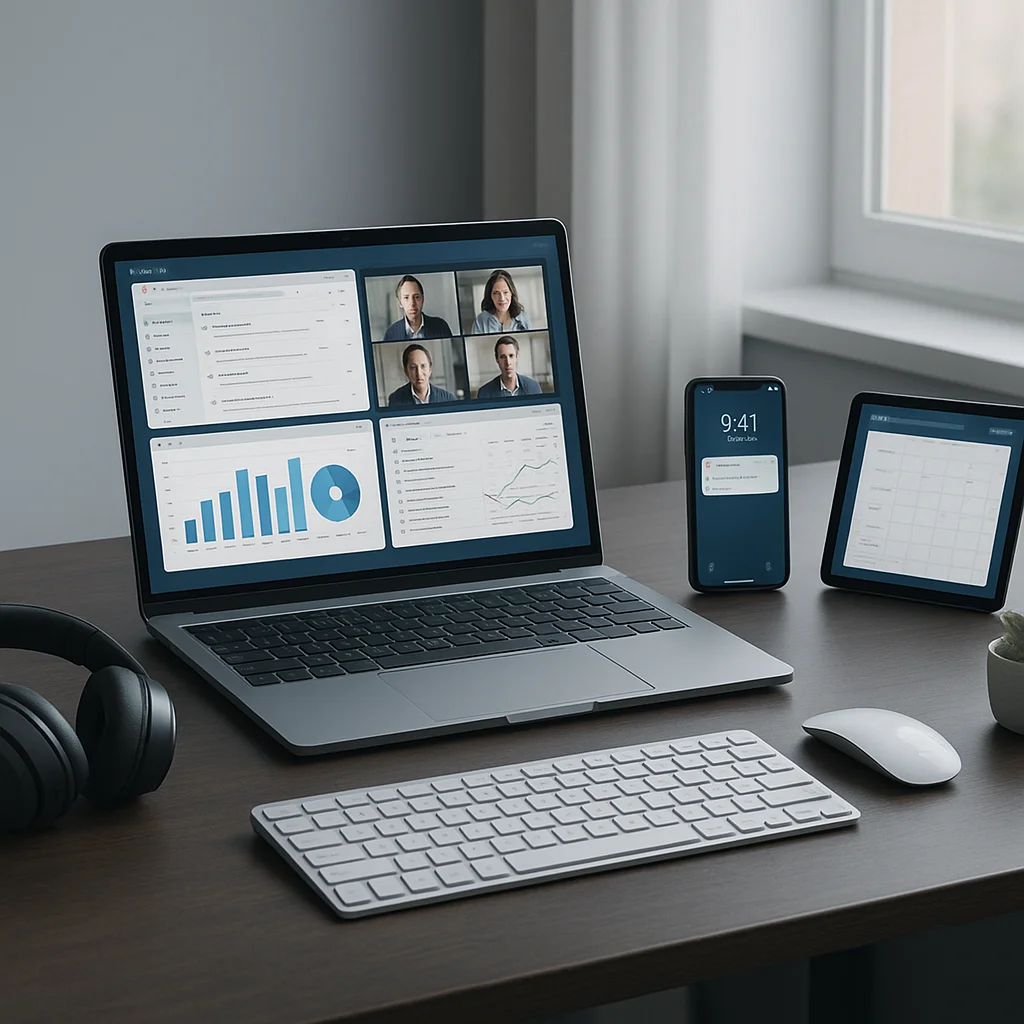
- Technology Setup: High-speed internet, noise-canceling headphones, and dual monitors optimize workflow. Statista data shows 60% of remote workers cite insufficient tech as a productivity barrier.
- Organized Storage: Clutter triggers stress. Systems like filing cabinets, shelves, and cable management keep the space efficient.
- Personalization: Plants, artwork, and meaningful objects increase engagement, according to a Microsoft workplace study.
Implementing these elements requires intentionality. Professionals who invest in these areas report sustained focus and reduced burnout. The AOL article on "6 Things Productive Home Offices Never Have" reinforces that avoiding distractions and clutter is as vital as adding comfort.
"The best home offices are those that balance function with a personal touch, creating space where work feels natural and inspiring." – Workplace Designer Lena Torres
2026 Trends: Tech Innovations and Behavioral Shifts Shaping Home Offices
This year, home office design embraces both cutting-edge technology and wellness integration. Here are key developments reshaping how we build productive workspaces:
- AI-Powered Smart Desks: Adjustable desks now come with AI that learns your posture habits and suggests breaks or stretches. Products like the ErgoAI Desk have surged in popularity.
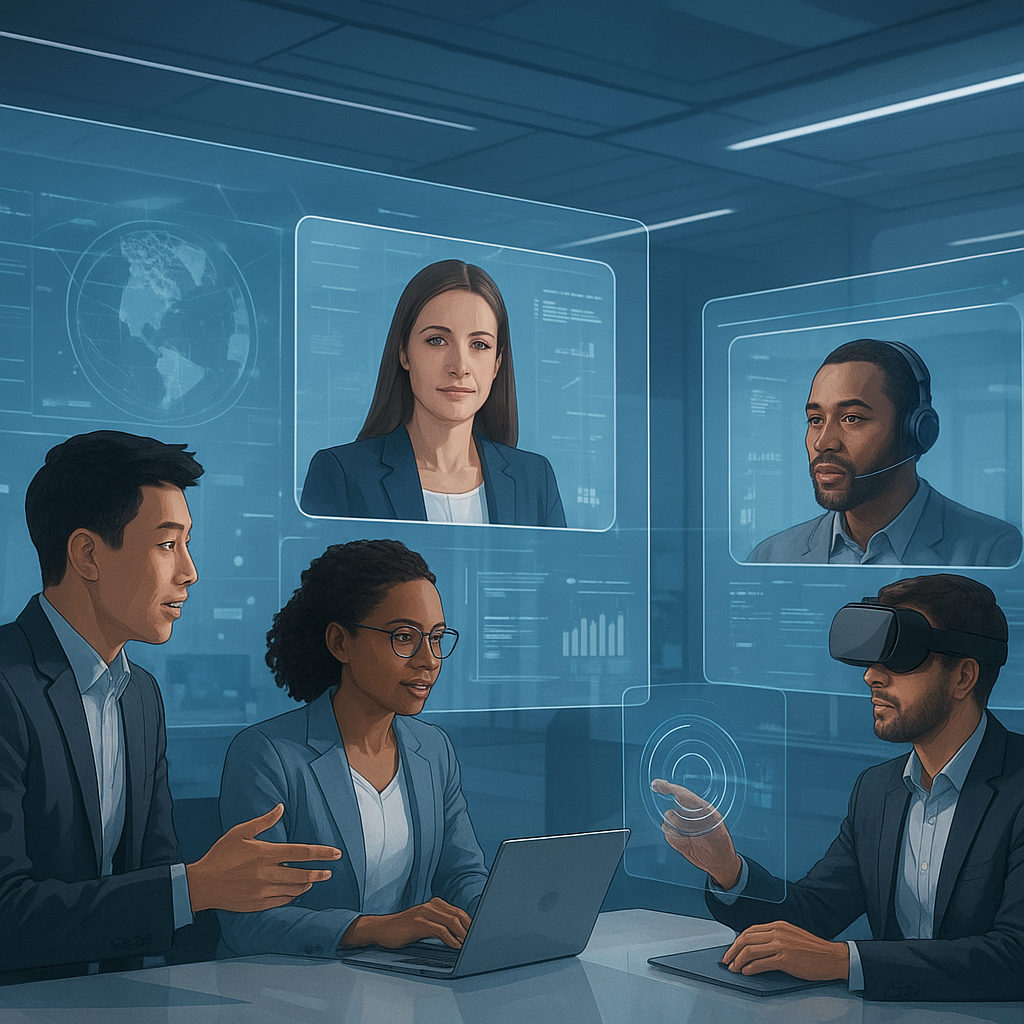
- Virtual Collaboration Zones: Hybrid meeting pods with immersive AR/VR are becoming standard for seamless virtual interaction, a trend driven by companies like Meta and Zoom.
- Biophilic Design: Incorporating natural elements—living walls, air-purifying plants—is proven to reduce stress. The 2026 MSN feature highlights how biophilic offices boost creativity.
- Noise Mitigation Tech: Advanced soundproofing materials and active noise control devices help workers maintain concentration amidst household distractions.
- Mental Wellness Corners: Spaces dedicated to mindfulness with calming lighting and aromatherapy promote breaks and mental reset.
Behaviorally, remote workers emphasize routines that separate work from home life, such as scheduled start times and physical rituals entering the office zone. The integration of wellness with productivity tools is key to sustaining performance over long periods.
These trends reflect a holistic approach—technology enhances not only work efficiency but also health and well-being. For those looking to stay ahead, exploring these innovations is essential.
Expert Insights and Industry Impacts: Voices from Silicon Valley and Beyond
Industry leaders and remote work experts weigh in on effective home office strategies. Silicon Valley startups, known for their agility, offer valuable lessons.
Jessica Liu, COO of a leading remote-first SaaS company, emphasizes, "Investing in employees' home setups is no longer optional—it's integral to our culture and output. We provide stipends for ergonomic furniture and tech upgrades because the ROI in productivity is undeniable."
Experts also highlight the role of management in setting expectations around home office standards. Clear guidelines on workspace requirements and flexibility help employees customize their environments without sacrificing cohesion.
Moreover, the rise of remote workspaces has broader economic impacts. Furniture manufacturers report a 40% increase in ergonomic office product sales since 2023, per industry analysts. Real estate markets are adapting, with more homes featuring dedicated office nooks as a selling point.
"A productive home office is the cornerstone of the future workplace, blending technology, design, and human-centered principles." – Sarah Mitchell
These insights align with the content shared in WriteUpCafe's own Advanced Strategies for Building a Productive Home Office in 2026 and How to Build a Productive Home Office in 2026: Expert Strategies and Insights, which delve deeper into cutting-edge solutions and practical tips.
Actionable Takeaways and the Road Ahead: Building Your Best Home Office
As we look forward, the imperative is clear: the home office must be a sanctuary for productivity and well-being. Here are key takeaways for those embarking on this transformative journey:
- Define Your Space: Even a corner can become a powerful workspace with clear boundaries and purpose.
- Invest in Ergonomics: Prioritize adjustable furniture and monitor positioning to protect your body over time.
- Harness Technology: Upgrade your internet, utilize collaboration tools, and consider smart devices that support your workflow.
- Maintain Organization: Regularly declutter and create systems for managing documents and cables.
- Incorporate Wellness: Add plants, natural light, and schedule breaks to refresh your mind.
Looking ahead, expect home offices to evolve with AI and immersive tech, becoming even more adaptive to individual needs. For now, the best strategy is thoughtful customization grounded in science and personal preference.
"Your home office is not just where you work; it’s where you cultivate your potential." – Sarah Mitchell
For further insights on boosting productivity and remote work success, visit WriteUpCafe’s Productivity and Personal Development topic pages.




























Sign in to leave a comment.