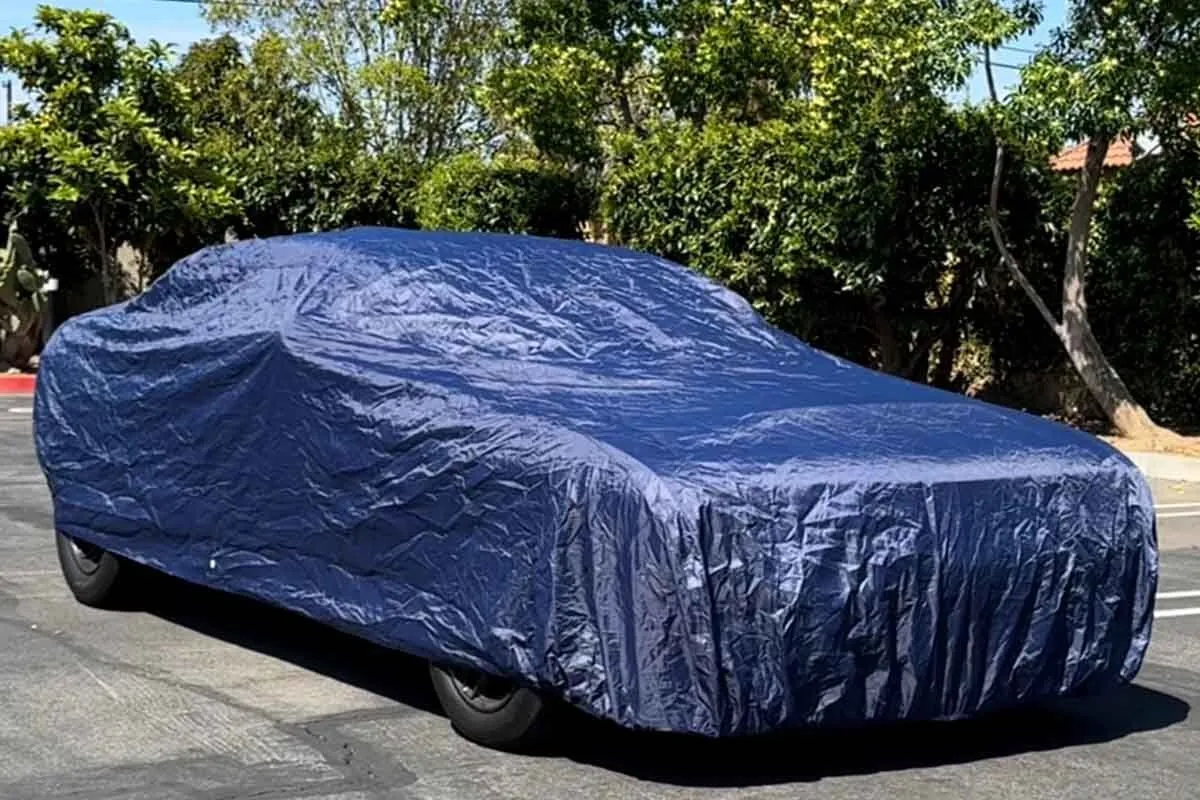

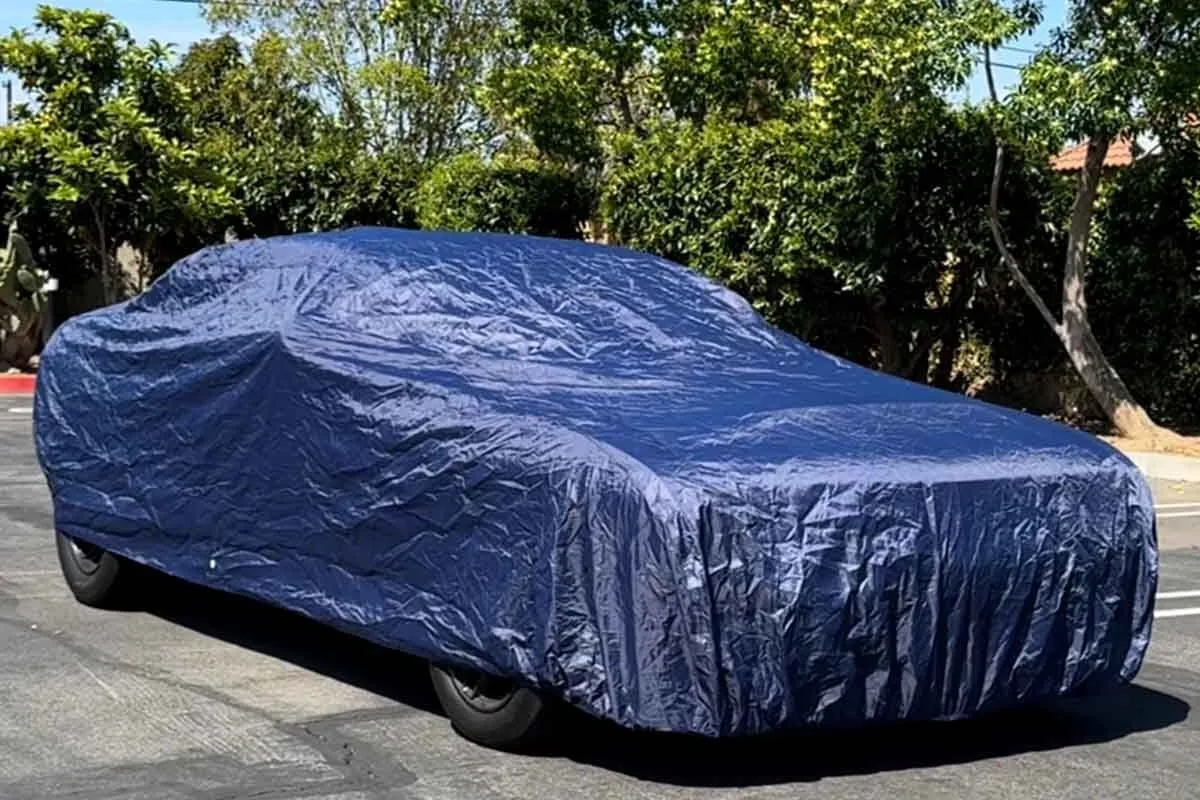
Your car sits outside for hours, days, sometimes weeks at a stretch. Sun, rain, bird droppings, tree sap, hail. The list of things quietly wrecking your paint job is longer than most people think. A high-quality car cover is one of the smartest, most affordable ways to protect that investment. But not every cover is worth your money.
This guide cuts through the noise so you can pick the right one the first time.
Why Your Car Needs More Than Just a Garage
Here is something most car owners do not think about until it is too late: even parked cars take a beating.
UV rays fade paint and crack dashboards. Morning dew and standing moisture invite rust.
Dust and grit create fine scratches over time. And if your car lives outdoors? The damage compounds faster than you expect.
A high-quality car cover acts as the first line of defense against all of it. Think of it as sunscreen, a raincoat, and a scratch guard rolled into one.
One cover. Endless protection. Simple math.
1. Understand the Difference Between Water-Resistant and Waterproof
This is the single most misunderstood spec when buying a car cover. A lot of covers advertise "water-resistant" and buyers assume that means waterproof. It does not.
Water-resistant covers slow down moisture penetration. Waterproof covers stop it entirely, while still allowing your car to breathe, preventing moisture from getting trapped underneath and causing mold or paint damage.
Look for a cover that is:
* 100% waterproof on the outer layers
* Breathable so condensation does not build up inside
* Built with multiple protective layers, not just a single sheet of material
Seal Skin's covers, for example, use five layers of waterproof material combined with breathable SEAL-TEC fabric technology. Water stays out. Airflow stays in. Your paint stays safe.
2. Fit Matters More Than You Think
A cover that does not fit properly is not just annoying. It is actively harmful.
Loose covers flap in the wind, and that flapping creates micro-abrasions across your paint surface over time. They also collect pools of standing water in the folds. A cover that is too tight, on the other hand, can stress the material, cause tears, and be a nightmare to put on and take off.
The right cover should hug your car, not fight it.
When shopping, always look for:
* Covers sized to your specific vehicle (make, model, year, body style)
* Elastic hems around the perimeter for a snug, uniform fit
* Reinforced grommets so you can lock it down in windy conditions
One-size-fits-all covers cut corners on fit. They protect against almost nothing while advertising that they protect against everything. Skip them.
3. Check the Inner Lining: This Is What Touches Your Car
Most buyers focus entirely on the outer shell of a cover. That is understandable. But the inner lining is arguably more important, because it is what is in direct contact with your paint every single day.
Generic covers often use rough, abrasive linings. Over weeks and months, they act like fine-grit sandpaper on your finish.
A high-quality car cover should have a soft fleece inner lining that cradles the paint surface without scratching it. This is a non-negotiable feature if you care about keeping your car in showroom condition.
4. All-Weather vs. Indoor: Know Which One You Actually Need
Not all car covers are designed for the same environment. Picking the wrong type is a common and avoidable mistake.
Indoor covers are lightweight and designed primarily to protect against dust, light moisture, and minor contact. They are not built for harsh outdoor conditions.
Outdoor all-weather covers are built tougher. They need to handle UV radiation, rain, hail, wind, ice, and temperature swings. Sometimes all in the same week depending on where you live.
If your car parks outdoors for any significant period of time, you need an all-weather cover. Full stop.
Key features to look for in an outdoor cover:
* UV-resistant outer layer
* Waterproof but breathable construction
* Double-stitched seams for durability
* Heat-welded or reinforced edges
Weather does not take days off. Your cover should not either.
5. Look at the Warranty: It Tells You Everything
A company that makes a genuinely high-quality car cover will back it with a serious warranty. A company that makes something disposable will hide behind vague fine print.
Before buying, ask:
* Is the warranty lifetime or time-limited?
* Are replacements easy to claim, or buried in exclusions?
* Is the claims process online and straightforward, or do you have to fight for it?
The best car cover brands offer unlimited replacement warranties with no hidden conditions. If a brand cannot confidently stand behind its product that way, that tells you something.
6. Material Quality: What the Layers Are Actually Doing
Here is a quick breakdown of what different material layers contribute in a well-built cover:
| Layer | Purpose |
|---|---|
| Outer shell | Blocks UV, rain, hail, and physical debris |
| Middle layers | Adds structural strength and waterproofing |
| Inner soft lining | Protects paint from scratching |
| Elastic hem | Secures fit around the vehicle |
Cheap covers skip the middle layers entirely or use a single thin sheet of polypropylene. That might handle light dust but will fail quickly against real weather.
Layers are not marketing fluff. They are what actually stand between your paint and the elements.
7. Consider What Else You Are Covering (Beyond Just Cars)
A good cover brand does not just make car covers. If you own a boat, jet ski, motorcycle, ATV, or outdoor patio furniture, you will want a brand that understands protective covers across all these applications, because the engineering principles carry over.
Consistent material quality, proper fit engineering, and strong warranty backing should apply whether it is a car, a boat, or a pontoon sitting in a marina.
Seal Skin Covers builds covers for cars, trucks, SUVs, vans, motorcycles, boats, jet skis, ATVs, UTVs, snowmobiles, and even patio furniture. All with the same commitment to fit and material quality that started the brand.
8. Avoid These Common Buying Mistakes
A few things that trip people up when shopping for a cover:
* Buying purely on price. The cheapest cover is almost always the most expensive mistake. Thin material, poor fit, and no warranty mean you are replacing it every season and potentially damaging your paint in the process.
* Ignoring climate. A cover designed for mild weather will fail in a climate with harsh winters or intense sun. Match the cover to where you actually live, not where you wish you lived.
* Skipping the fit specifications. Always enter your exact vehicle dimensions: make, model, year, body style, and if available, height and length. A cover that almost fits is a cover that does not fit.
* Trusting "universal fit" labeling. There is no such thing as a truly universal fit that actually works well. Universal means average at best, and average fit means average protection.
What to Look For: A Quick Summary
Before you click "buy" on any car cover, run through this checklist:
* Is it 100% waterproof, not just water-resistant?
* Does it have a soft inner lining that will not scratch paint?
* Is it sized to your specific vehicle, not a generic fit?
* Does it have an elastic hem and lockable grommets?
* Is it rated for all-weather outdoor use if your car parks outside?
* Does it come with a real, clearly stated warranty?
If any of those boxes are unchecked, keep looking.
The Bottom Line
A high-quality car cover is not a luxury purchase. For anyone who parks outdoors, drives a car they care about, or just wants to protect what is likely one of their biggest financial investments, it is a practical necessity.
The difference between a good cover and a bad one is not subtle. It shows up in your paint, your resale value, and how much time you spend dealing with preventable damage.
If you want the best car cover that combines fit, waterproofing, breathability, and a warranty that actually means something, Seal Skin Covers has been building exactly that for over 15 years. More than one million covers shipped. A growing range that covers everything from daily drivers to marine vessels.
One good cover today saves you a lot of headaches tomorrow.
Explore the full range at sealskincovers.com and find the right fit for your vehicle.






















Sign in to leave a comment.