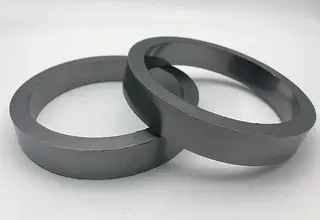

In industrial production, the choice of sealing materials is critical to ensuring safe and efficient operations. Among high-performance sealing solutions, graphite packing stands out for its reliability in high-temperature, high-pressure, and corrosive environments. With a wide variety of graphite packing products available on the market, selecting the right one can be challenging. This article provides a detailed guide to help you choose high-quality graphite packing that meets your specific needs.
Understanding Graphite Packing
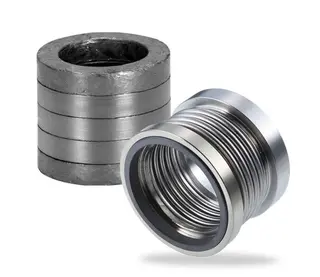
Graphite packing is manufactured by braiding graphite yarn reinforced with various fibers and metal wires such as steel, copper, nickel, carbon fiber, pre-oxidized yarn, or glass yarn. Its primary components include graphite fibers, organic fibers, and rubber.
- Graphite fibers provide excellent strength, wear resistance, and stability in harsh conditions.
- Organic fibers improve flexibility, durability, and corrosion resistance.
These properties allow graphite packing to meet the sealing requirements of a wide range of industrial media.
Advantages of Graphite Packing:
- Exceptional sealing performance in both static and dynamic applications.
- Stable operation in high-temperature, high-pressure, and corrosive environments.
- Long service life, reducing downtime and maintenance costs.
- Broad applicability across industries such as petroleum, chemical, and pharmaceuticals.
Key Considerations for Selecting Graphite Packing
Selecting the right graphite packing involves careful evaluation of multiple factors.
1. Product Structure and Quality
High-quality graphite packing should be tightly braided, uniform, and free of loose or broken fibers. The surface should be smooth and defect-free. Conducting a simple stretch and bend test can help verify flexibility and strength: a good product will resist breaking or deformation under normal force.
2. Specifications, Dimensions, and Usage Scenarios
Correct size is essential for proper sealing. Parameters such as inner and outer diameter, length, and thickness must match the equipment and operating conditions.
- For rotating shafts or reciprocating equipment like pumps, valves, and compressors, prioritize packing with strong wear resistance and anti-extrusion capability.
- For highly clean or corrosive environments, consider specially treated or reinforced graphite packing.
3. Material Selection and Performance Indicators
Material composition significantly affects performance. High-quality graphite packing often uses high-purity flexible graphite, 316L stainless steel wire, and PTFE oil impregnation.
- High-purity graphite ensures chemical and thermal stability.
- Stainless steel wire increases mechanical strength.
- PTFE oil improves lubrication, reduces friction, and extends service life.
Avoid products with vague material descriptions such as “special alloy fiber.” Check performance indicators like maximum operating temperature, line speed, and compatible media to ensure suitability for your application.
4. Braiding Process and Surface Finish
Square-braided graphite packing is tighter and more resistant to extrusion than round-braided variants. Inspect the cut ends for neatness; burr-free ends facilitate installation, improve sealing, and prevent equipment damage.
5. Compliance with Standards and Certifications
Check if the product meets international standards such as API 622 and ISO 15848-1. For food or pharmaceutical applications, ensure FDA or NSF certifications for safety and hygiene compliance.
6. Flexibility and Ease of Installation
Good graphite packing is flexible, easy to cut, and rebounds well after compression. This allows better adaptation to equipment, stable sealing, and reduces leakage risks.
Applications of Graphite Packing
Graphite packing comes in various types to suit different conditions:
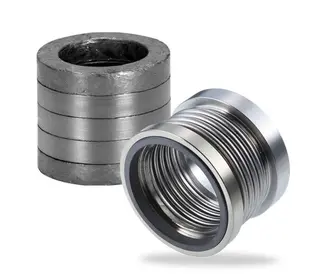
- Expanded graphite packing: Excellent self-lubrication, thermal conductivity, flexibility, and strength.
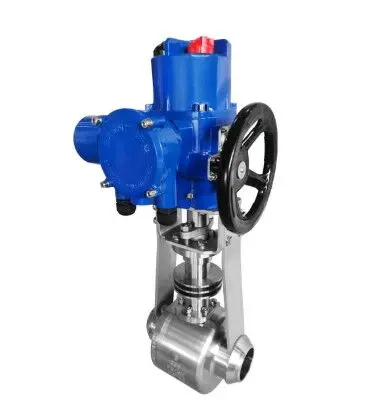
- Metal-reinforced graphite packing (stainless steel, nickel): Enhanced mechanical strength, suitable for high-temperature and high-pressure steam environments, such as steam turbines and high-pressure valves.
Temperature Resistance and Environmental Adaptability
Graphite packing can withstand temperatures up to approximately 2500℃, offering high thermal conductivity. However, environmental factors like oxidation and humidity must be considered. Selecting materials with excellent chemical stability ensures reliable performance and a longer service life under harsh conditions.
Conclusion
Choosing high-quality graphite packing requires a comprehensive evaluation of:
- Structure and quality
- Size and specifications
- Application scenarios
- Material composition and performance indicators
- Braiding process and surface finish
- Compliance with industrial standards
- Flexibility and installation convenience
By understanding these key factors and aligning them with your operational needs, you can select graphite packing that provides reliable sealing, enhances equipment performance, and ensures smooth industrial processes. Always consult suppliers for detailed product information and compare brands and models to make an informed decision.It's important to know about Google SEO to help your website rank higher in search results.

























Sign in to leave a comment.