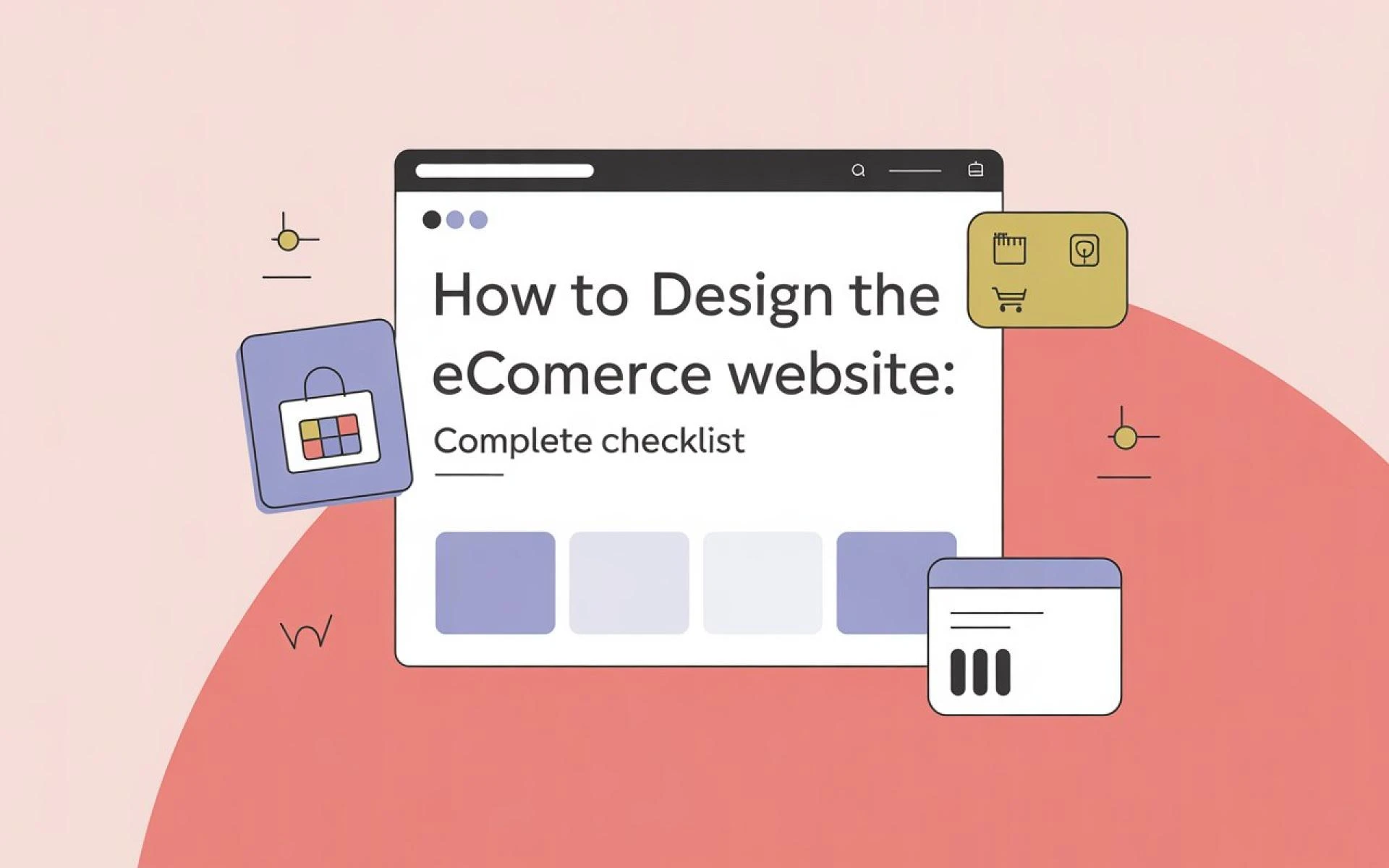

In the fast-paced world of online retail, the design of your eCommerce website plays a pivotal role in attracting and retaining customers. A visually appealing, easy-to-navigate, and feature-rich online store not only improves user experience but also increases conversions and brand credibility. Whether you’re starting fresh or revamping an existing store, this comprehensive checklist will guide you on how to design the best eCommerce website that converts visitors into loyal buyers.
I. Define Your eCommerce Goals and Target Audience
Before jumping into the design, understand what you want your online store to achieve. Are you focusing on high-volume sales, lead generation, or brand awareness? Your goals will dictate the layout, content, and features of the website.
Knowing your target audience is equally critical. Analyze demographics, preferences, pain points, and purchasing behavior. If your customers are tech-savvy millennials, a modern, mobile-first design with fast loading is essential. If they prefer detailed information, product pages should be rich in descriptions, reviews, and FAQs.
II. Choose the Right Platform and Technology
The foundation of your online store lies in selecting the right eCommerce platform. Popular choices include:
- Shopify – Easy to use, ideal for small to medium businesses
- WooCommerce – Great for WordPress users seeking flexibility
- Magento – Robust for large-scale operations with complex needs
For successful eCommerce Web Development ,ensure the platform supports integrations (like CRM, payment gateways, shipping APIs) and provides scalability. Don’t forget about mobile responsiveness, as more than 60% of users shop via mobile devices.
III. Craft a Clean, Intuitive Website Layout
A cluttered website confuses visitors and drives them away. Your layout should create a seamless browsing experience:
- Minimalistic Design – Use white space and limited colors to focus user attention
- Structured Navigation – Well-organized menus and categories
- Clear CTA Buttons – "Add to Cart", "Buy Now", or "Contact Support" must stand out
The homepage should guide visitors to your key products, collections, or promotional offers with just a few clicks.
IV. Optimize Product Pages for Conversions
Your product pages are the heart of your store. Make sure they are designed to convert:
- High-Resolution Images – Show multiple angles and zoom-in views
- Detailed Descriptions – Include product features, usage, and size guides
- Price Clarity – Highlight discounts or offers
- Actionable CTAs – Prominent and contrasting “Add to Cart” buttons
You can also integrate user reviews and related product recommendations to build trust and increase average order value.
V. Streamline the Checkout Process
A complicated checkout process leads to cart abandonment. Optimize it with:
- One-page Checkout – Reduce the number of steps required
- Guest Checkout – Don’t force account creation
- Progress Indicators – Show users how far they are in the process
- Secure Payment Options – Include cards, wallets, UPI, and COD
Clear shipping details, estimated delivery time, and return policy should be displayed upfront.
VI. Ensure Mobile-Friendly & Responsive Design
A mobile-optimized design is non-negotiable. Your website should automatically adapt to various screen sizes:
- Use large buttons and readable fonts
- Optimize images and reduce load times
- Test your layout on real devices and browsers
- Avoid pop-ups that block the content
Implement AMP (Accelerated Mobile Pages) if you expect a large portion of traffic from mobile search.
VII. Enhance Trust and Security
Gaining customer trust is essential for conversions, especially in the competitive online marketplace. Here’s how:
- Install SSL Certificates – Secure user data and payment information
- Use Trust Badges – Show security seals and accepted payment methods
- Showcase Reviews and Ratings – Display verified customer feedback
- Offer Transparent Policies – Refunds, returns, and privacy must be clear
Add a visible contact section with support channels like email, phone, or live chat.
VIII. Incorporate SEO & Performance Optimization
Even the best design is futile if no one finds your site. Focus on SEO and speed:
- Use SEO-Friendly URLs – Include product names and categories
- Meta Titles & Descriptions – Write optimized tags for each page
- Compress Images – Maintain quality while reducing size
- Use CDN & Caching – Improve global load times
Add structured data for products, reviews, and pricing to enhance visibility in search engines.
IX. Add Essential eCommerce Features
Modern eCommerce websites need more than just a shopping cart. Include:
- Search Bar with Filters – Allow users to refine results by price, category, brand, etc.
- Wishlist and Compare Tools – Let customers save or compare products
- Live Chat Support – Answer questions in real-time
- Social Sharing – Enable users to share products on Facebook, Instagram, or Pinterest
- Customer Login – With order history, tracking, and reordering features
Integrate analytics tools to monitor performance and improve features over time.
X. Branding and Visual Design Consistency
Your online store should reflect your brand identity. A consistent visual tone builds recognition and trust:
- Stick to a color palette that aligns with your logo
- Use consistent font styles across pages
- Include brand slogans or taglines
- Design banners that tell your brand story
Avoid mixing different design styles as it makes the site look unprofessional.
XI. Test, Analyze & Iterate
Designing the website is not a one-time task. You need to continuously test and refine:
- A/B Testing – Try different layouts, button placements, or colors
- Heatmaps – Understand where users click the most
- Analytics – Use tools like Google Analytics, Hotjar, or Crazy Egg
- Customer Feedback – Collect suggestions and reviews
Track KPIs like bounce rate, average time on site, and conversion rate to measure performance.
Conclusion
Designing the best eCommerce website involves a blend of functionality, aesthetics, performance, and customer-centricity. By following this comprehensive checklist, you can ensure your store is visually appealing, user-friendly, and built for conversions.
Whether you're a startup or an established brand, partnering with a professional Ecommerce Website Development Company in Jaipur like IMG Global Infotech can simplify the process and guarantee long-term success. Their expert team delivers tailored Ecommerce Development Services that ensure seamless navigation, optimized checkout, and engaging UI/UX, making your online store stand out in a competitive market.
Frequently Asked Questions (FAQs)
Q1. What are the key features every eCommerce website must have?
A: Essential features include mobile responsiveness, secure payment gateways, product filters, search functionality, live chat, user reviews, and a seamless checkout process.
Q2. Why is responsive design important for eCommerce?
A: Over half of online purchases happen via mobile. Responsive design ensures that your website looks and functions well across all devices, enhancing user experience and conversion rates.
Q3. How can I improve the speed of my eCommerce website?
A: Use image compression, caching, a content delivery network (CDN), and remove unnecessary plugins. Choose a fast, reliable hosting provider.
Q4. What role does SEO play in eCommerce website design?
A: SEO drives organic traffic. A well-optimized website with relevant keywords, fast loading speed, clean code, and structured data ranks higher on search engines.
Q5. Should I hire a professional for eCommerce website development?
A: Yes, hiring professionals ensures your site is secure, scalable, and tailored to your business needs. Companies like IMG Global Infotech provide custom Ecommerce Development Services that save time and avoid costly mistakes.





























Sign in to leave a comment.