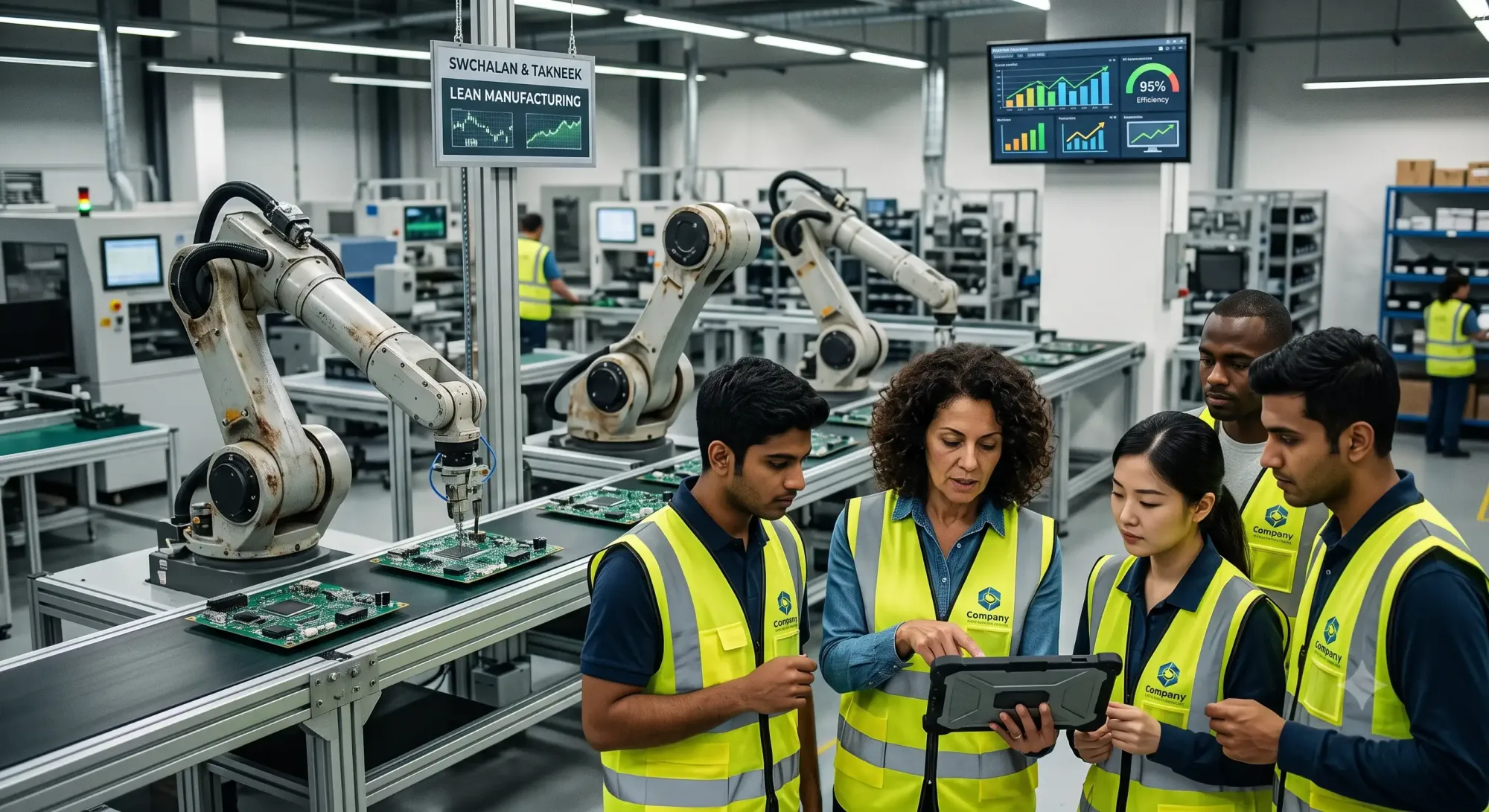


Is your powder coating line too slow? The problem is often not "slow spraying." It is not "too few workers" either. In most factories, the real issue is how the whole process is set up. This means pretreatment, spraying, curing, part handling, and unloading.
As production grows, old manual setups slow you down. The fix is a proper powder coating plant. This is one system that links pretreatment, drying, spraying, powder recovery, curing, and handling. Everything works as one smooth flow.
This guide shows where coating lines lose speed. It also shows how to fix each step.
Where Does Powder Coating Slow Down?
First, find your real bottleneck. Common causes are:
- Too much manual part handling
- Slow loading and unloading
- Small spray booth
- Uneven conveyor speed
- Not enough oven capacity
- Long waits between steps
- Wasted powder
- Rework from bad coating
- Pretreatment that can't keep up
Speeding up one step often does not help. If you speed up the conveyor but not the oven, you get bad quality instead of more speed.
1. Use a Conveyorised Powder Coating System
The biggest gain comes from cutting manual part handling.
In a conveyorised powder coating line, parts hang on hooks. They move on their own through each step: pretreatment, drying, spraying, curing, cooling, and unloading. Workers no longer carry parts by hand.
For medium and high volume plants, this is the first upgrade to make. It removes the biggest source of wasted time.
2. Match Conveyor Speed to the Whole Line
A faster conveyor only helps if every step can keep up. Pretreatment must clean more parts. Spray guns must cover each part fully. The oven needs enough time to cure every part.
Before you speed up the line, check:
- Conveyor load limit and part spacing
- Hanger design
- Spray gun output
- Pretreatment tank size
- Oven length versus cure time
- Actual part temperature (not just the oven's set number)
The goal is a balanced line. It is not just a faster conveyor.
3. Improve Part Loading and Spacing
Empty space on the conveyor is wasted space. Tighter spacing means more parts move through per trip.
But do not pack parts too close. This blocks spray coverage. It also blocks airflow in the oven. Plan hanger spacing, grounding, and part angle together with your spray and oven setup.
4. Automate Spraying for Higher Volumes
Manual spraying works fine at low volumes. But past a point, one worker cannot spray fast enough and keep even coverage.
Automatic spray guns fix this. They give steady coverage at a steady line speed. How much you automate depends on part shape, powder type, and the finish you need.
5. Cut Powder Waste with Better Recovery
Powder that misses the part and is not caught is wasted money.
A good booth and recovery system helps you:
- Waste less powder
- Improve transfer rate
- Keep booth conditions steady
- Cut extra handling
- Keep production running without stops
Recovery rate is not just one number. It depends on part shape, color changes, and reject rate. Size your system around your real parts, not a generic spec sheet.
6. Fix Curing Oven Bottlenecks
The oven often decides your top speed. If parts do not fully cure, nothing else matters.
Curing depends on the real metal temperature the part reaches. It is not the number on the oven's control panel. Heavy parts take longer to heat up. So they need more time in the oven.
Check these:
- Oven length versus conveyor speed
- Part weight and thickness
- Even heat inside the oven
- Required cure time and temperature
- How the oven is loaded
Better curing tech can bring real gains. One U.S. Department of Energy case study found a 50% output increase. This came from adding an infrared oven to fix a curing bottleneck. (Note: check this figure against the original DOE source. GBM Industries clients)
7. Cut Rework and Rejected Parts
Fast output does not help if you redo many parts. Bad adhesion, uneven coverage, wrong thickness, and under-curing all cause rework.
Control pretreatment, spraying, conveyor speed, and curing together. Do not run them as separate steps. This cuts defects. It is a strong reason to choose one full plant over separate machines.
What a Full Powder Coating Plant Looks Like
A typical conveyorised powder coating plant follows this order:
Loading → Pretreatment → Dry-Off Oven → Powder Spray Booth → Powder Recovery → Curing Oven → Cooling → Inspection → Unloading
The conveyor links every step. It moves parts at one steady pace. This is the real advantage over separate machines. No single step can quietly slow you down. Any slowdown shows up right away in your output.
What Decides Your Plant's Size and Setup
There is no single "right" plant for every factory. Your setup should match:
- Output you need (parts per hour)
- Part size and weight
- Powder type and finish
- Floor space you have
- Conveyor layout
- Pretreatment method
- Curing method
- How much automation you need
A simple batch setup may work for low volumes. As your volume or quality needs grow, a full plant becomes the better choice.
Frequently Asked Questions
What does a powder coating plant cost? Cost depends on capacity, automation, oven type, and pretreatment method. A manual line and a full automatic plant cost very differently. Ask for a quote based on your own specs.
How much space does a powder coating plant need? It depends on your layout, oven length, and part size. A power-and-free conveyor can use vertical space. This often saves floor space versus a straight-line setup.
Can I upgrade my current setup into a full plant? Often, yes. You can usually add pretreatment, spray booths, and ovens to your current conveyor. It depends on your existing equipment and layout.
Final Thoughts
Faster powder coating is not about spraying faster. It is about making pretreatment, spraying, curing, and handling move at the same steady pace.
First, find your real bottleneck. Fix that one step. Do not create a new problem somewhere else. Let conveyor speed follow from that work. Do not start there.
If you are past batch-level volume, a well-planned powder coating plant is the answer. Build it around your parts, your output goals, and your floor space. This turns small fixes into one fast, reliable line.
Need a powder coating plant sized for your output? Talk to our engineering team. We will build a setup based on your part size, output target, and floor space.














Sign in to leave a comment.