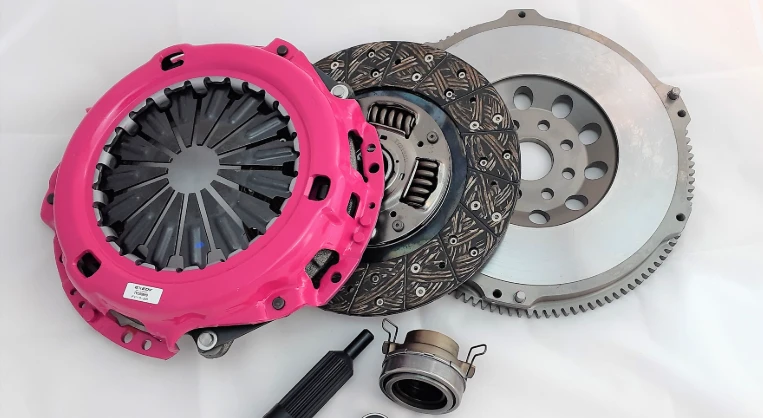

Driving across New Zealand means facing everything from steep mountain descents to coastal highways and stop-start city traffic. All these conditions put extra stress on your vehicle’s braking system. Keeping your brake parts in excellent shape isn’t just about comfort—it’s about safety and control on every road you travel.
According to the team at Exedy New Zealand, well-maintained brakes can make a world of difference when it comes to performance and reliability. Let’s explore how Kiwi drivers can keep their brake systems working efficiently in all types of conditions.
Understanding The Key Components Of Your Brakes
Your vehicle’s braking system is made up of several interdependent parts that work together to stop your car safely. Here’s a quick breakdown:
- Brake Pads: Press against the rotors to slow or stop your car.
- Brake Rotors (or Discs): The spinning metal discs that absorb frictional heat.
- Brake Calipers: Clamp the pads onto the rotors.
- Brake Fluid & Lines: Carry hydraulic pressure from your pedal to the brakes.
- Brake Shoes & Drums: Still found on some older or smaller vehicles, especially on the rear wheels.
When even one component wears down or fails, it can affect your entire braking system—so understanding how they all work is the first step to proper care.
How NZ’s Roads Affect Brake Performance
New Zealand’s mix of rugged terrain and variable weather makes it a special case for vehicle maintenance. Whether you’re navigating the sharp turns of the Coromandel or the urban gridlock of Auckland, your brakes face constant challenges:
- Hilly Terrain: Frequent braking on descents builds up heat, wearing out pads faster.
- Coastal Regions: Salt in the air accelerates rust and corrosion on metal parts.
- Stop-And-Go City Driving: Constant braking in traffic increases pad wear.
- Rural Or Gravel Roads: Dust and grit can get trapped in the system, damaging rotors and pads.
That’s why New Zealand drivers need to be a little more proactive about brake care—your environment directly impacts how often you’ll need maintenance.
Common Signs Your Brakes Need Attention
Brakes often warn you when they’re starting to wear out. If you spot any of these signs, it’s time to schedule an inspection:
- Squealing or Grinding Sounds: Usually caused by worn pads rubbing on metal.
- Shaking or Vibration When Braking: Often a sign of warped rotors.
- Soft or Spongy Pedal: Could indicate air or moisture in the brake lines.
- Pulling To One Side: Uneven pressure or worn pads on one side of the car.
- Brake Warning Light: Your vehicle’s built-in alert that something needs checking.
Ignoring these warnings might save time in the short term but can quickly lead to unsafe driving or expensive repairs.
Practical Tips To Keep Your Brakes In Top Shape
Maintaining your braking system doesn’t require a mechanic every week—just a few smart habits and regular checks.
1. Brake Gently When Possible
Try to avoid sudden or harsh braking. Smooth stops reduce the stress on your pads and prevent rotor overheating.
2. Monitor Brake Fluid Levels
Brake fluid naturally absorbs moisture over time, which can reduce braking efficiency. Check the fluid level regularly and replace it every 1–2 years.
3. Clean Your Wheels And Undercarriage
Especially if you live near the coast or drive through muddy or gravel roads, wash your car regularly to prevent salt or dirt buildup.
4. Listen Closely To Your Brakes
Any unusual sound—like squeaking, grinding, or scraping—means it’s time for a check-up.
5. Get Regular Professional Inspections
Even if everything seems fine, schedule a brake inspection at least once a year. Professionals, such as those at Exedy NZ, can identify early signs of wear and ensure your system meets safety standards.
When To Replace Brake Parts (And How It’s Done)
Most brake pads last between 30,000 to 70,000 kilometres, depending on how and where you drive. Mountain routes and urban traffic tend to wear them out faster. Rotors last longer but should be replaced if they’re warped, scored, or too thin.
If you’re handy with tools, replacing brake pads can be done at home, but safety should always come first. Here’s a simplified process:
- Park on a flat surface and engage the handbrake.
- Use a jack to lift the car and secure it safely.
- Remove the wheel to access the brake assembly.
- Detach the caliper and slide out the old pads.
- Insert new pads and reattach everything carefully.
- Lower the vehicle and test the brakes slowly before driving normally.
⚠️ Important: Unless you have experience, leave brake replacements to a certified technician. Brakes are a critical safety system, and precision matters.
Expert Advice From Exedy NZ
Exedy New Zealand is known for engineering high-quality automotive parts designed to withstand New Zealand’s challenging driving conditions. They recommend sticking to certified, high-grade brake parts NZ drivers can rely on, rather than cheap alternatives that might compromise safety.
Their experts suggest regular maintenance, correct installation, and timely replacement as the best ways to ensure your car’s braking performance remains strong and responsive—no matter the road ahead.
Conclusion
From winding rural roads to congested city streets, every New Zealand driver depends on strong, reliable brakes. Taking time to maintain and replace your brake parts NZ appropriately ensures not only smoother rides but also your safety and confidence behind the wheel.
By staying alert to early warning signs, following simple maintenance habits, and trusting reputable suppliers like Exedy New Zealand, you’ll keep your vehicle’s braking system in peak condition—ready for whatever the road throws your way.
Frequently Asked Questions
1. How Often Should I Replace My Brake Pads In NZ?
Every 30,000–70,000 km, depending on driving style and terrain. Mountainous or urban areas can wear them down faster.
2. Why Do My Brakes Squeak After Replacement?
New pads may need time to bed in. However, persistent squeaks might point to dust, surface rust, or poor-quality materials.
3. Can I Mix Different Brands Of Brake Parts?
It’s best not to. Components are designed to work together, so mismatching them can lead to uneven performance or wear.
4. How Do New Zealand’s Roads Affect Brake Life?
The mix of steep hills, wet conditions, and gravel roads can shorten brake life significantly—hence the need for regular checks.
5. Are OEM Brake Parts Always Better?
OEM parts guarantee perfect fit and reliability, but premium aftermarket options like those from Exedy NZ also offer excellent performance and value.

























Sign in to leave a comment.