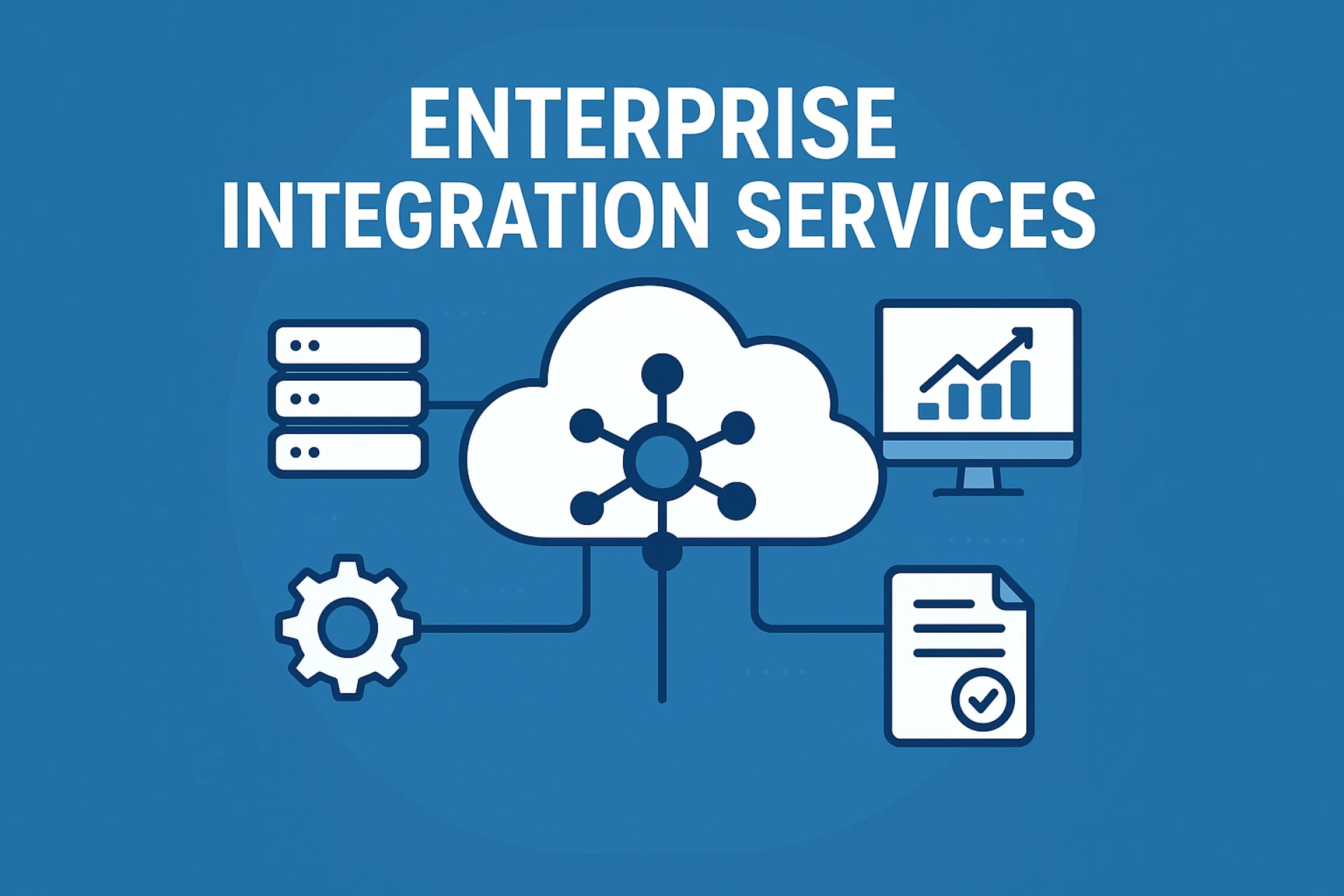

In today's fast-paced digital landscape, businesses rely on a complex ecosystem of applications, from CRM and ERP to cloud-based tools and legacy systems. While each of these platforms is powerful on its own, their true potential is unlocked when they can communicate seamlessly. However, the path to a fully integrated enterprise is often filled with significant challenges. From data silos to security concerns, these hurdles can slow down innovation and hinder operational efficiency.
The key to overcoming these obstacles isn't just about investing in new software; it's about partnering with expert enterprise integration services. These specialized providers offer the tools and expertise to create a unified, agile, and resilient digital environment.
The Common Challenges of Enterprise Integration
Before you can solve a problem, you must understand it. The integration challenges that businesses face are often interconnected and can lead to major headaches if not addressed correctly.
1. Data Silos and Inconsistent Information
When different departments use separate applications that don't talk to each other, data becomes fragmented. This leads to information being duplicated, outdated, or inconsistent across the organization. The result is a lack of a single source of truth, making it difficult to make informed decisions and provide a consistent customer experience. This is a common issue that expert data integration solutions are designed to solve.
2. Legacy Systems and Outdated Technology
Many businesses rely on older, legacy systems that are critical to their operations but are not designed for modern integration. These systems often use proprietary formats and lack APIs, making them difficult to connect with newer, cloud-based applications. This creates a bottleneck that stifles digital transformation efforts.
3. Security and Compliance Concerns
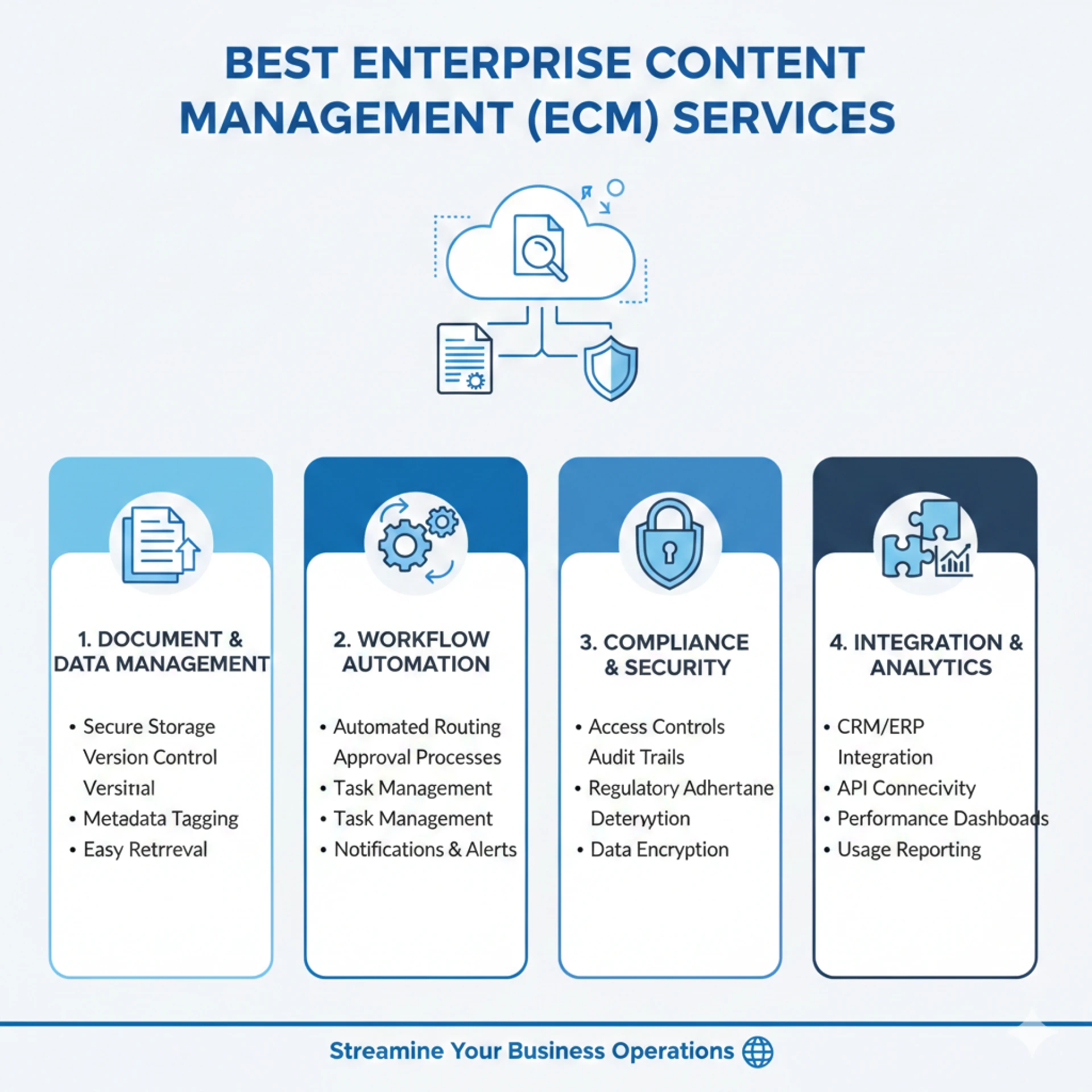
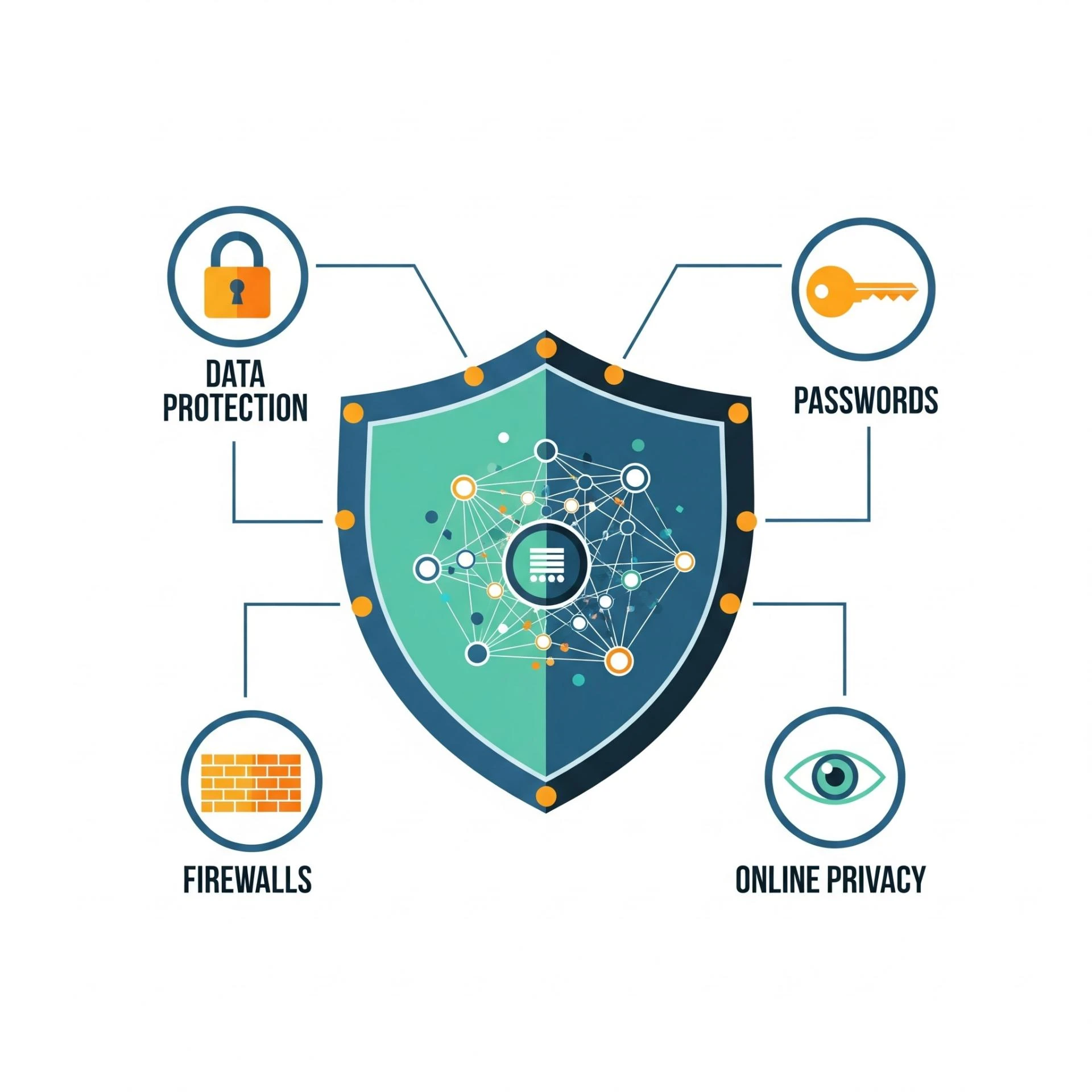
Exchanging data between different applications, especially with third-party partners or cloud services, introduces significant security risks. Ensuring that sensitive information remains protected during transit and at rest is a major challenge. Additionally, adhering to strict industry and regional compliance standards (like GDPR or HIPAA) requires robust and carefully managed security protocols, which is a key part of enterprise application integration services.
4. High Costs and Maintenance Complexity
Attempting to build and maintain integrations in-house can be expensive and resource-intensive. It requires a dedicated team of skilled developers and can lead to a "spaghetti" of point-to-point connections that are difficult to manage and scale. This complexity can quickly become a bottleneck, consuming time and budget that could be better spent on core business activities.
The Solution: Partnering with the Right Enterprise Integration Services
Overcoming these challenges requires a strategic approach and the right tools. A professional enterprise integration services provider brings a wealth of experience, specialized technology, and a holistic methodology to the table.
1. Building a Unified, Scalable Integration Strategy
Instead of creating a series of disconnected, point-to-point integrations, an expert provider will help you develop a cohesive integration strategy. They use robust platforms like an Enterprise Service Bus (ESB) or a modern Integration Platform as a Service (iPaaS) to create a central hub for all your applications. This ensures that integrations are standardized, reusable, and easy to manage, which is a key component of a successful integration platform solution.
2. Leveraging API Management and Modern Technology
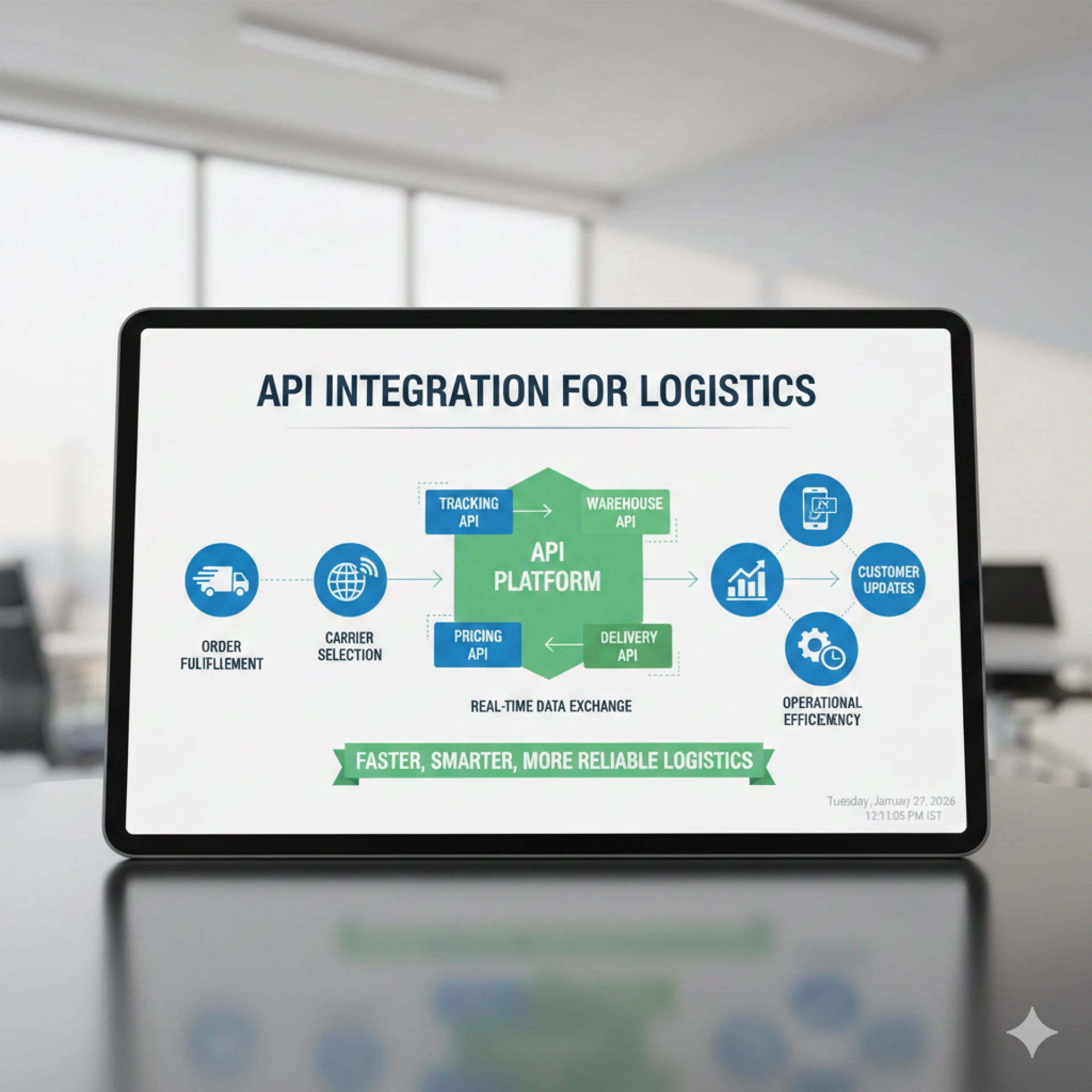
APIs (Application Programming Interfaces) are the foundation of modern integrations. A skilled partner will help you build and manage a secure API gateway, allowing your legacy systems to interact with new applications. This not only modernizes your technology stack but also provides a secure and controlled way to expose data, making it a critical aspect of API management services.
3. Ensuring Data Quality and Security
The right enterprise integration services provider ensures data is transformed and mapped correctly, eliminating inconsistencies and improving data quality. They implement end-to-end security measures, including encryption, authentication, and authorization, to protect your data during transit. This robust security framework guarantees that your integration processes are compliant with all relevant regulations, providing peace of mind.
4. Offering Cost-Effective and Managed Solutions
By outsourcing your integration needs, you get access to a team of experts for a fraction of the cost of hiring an in-house team. The provider manages the entire lifecycle, from design and development to ongoing maintenance and support. This allows you to focus on your core business while knowing that your integration infrastructure is in capable hands. Ultimately, this approach leads to a better return on investment and a more agile business.
Conclusion: A Connected Future for Your Business
Navigating the complexities of enterprise integration is a significant hurdle, but it is one that can be overcome with the right strategic partner. By leveraging the expertise of enterprise integration services, businesses can dismantle data silos, modernize their systems, enhance security, and create a scalable, unified digital environment. The benefits are clear: improved operational efficiency, better data-driven decisions, and a stronger foundation for sustained business growth. Investing in a professional integration partner is not just about solving today's problems—it's about building a connected and resilient future for your business.
























Sign in to leave a comment.