

Hedges are a practical and natural solution for creating boundaries, reducing noise, and enhancing the aesthetic appeal of your outdoor space. Unlike fences or walls, they offer environmental benefits such as improved air quality, shade, and habitat for birds. With the right planning and care, you can grow dense privacy hedges that are both functional and visually pleasing.
Choosing the Right Plants for Privacy Hedges
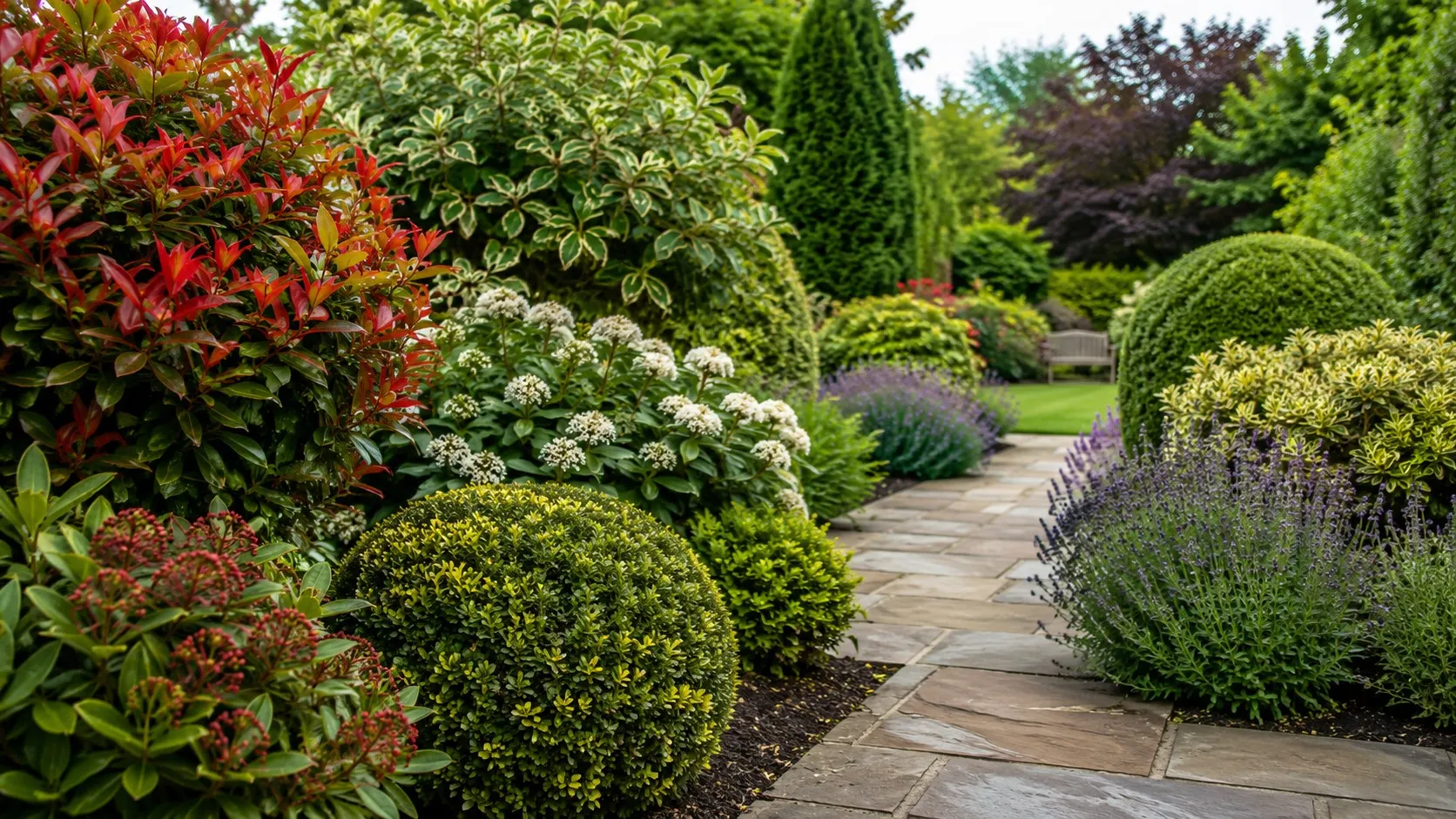
Selecting the appropriate plant species is the foundation of a successful hedge. Consider your climate, soil type, and maintenance preferences. Evergreen shrubs are often preferred for privacy hedges because they retain foliage year-round. Popular options include boxwood, privet, arborvitae, and ficus in warmer regions.
Growth rate is another key factor. Fast-growing plants like privet can fill space quickly but may require more frequent trimming. Slower-growing varieties like boxwood need less maintenance but take longer to establish. Always choose disease-resistant and locally suitable species to ensure long-term success.
Planning and Spacing for Dense Growth
Proper spacing is essential to achieve a thick, uniform hedge. Planting shrubs too far apart can create gaps, while overcrowding can reduce air circulation and increase disease risk. A general rule is to space plants based on their mature width, often placing them slightly closer to achieve greater density.
Dig a continuous trench instead of individual holes to allow roots to spread more easily. Enrich the soil with organic compost to improve fertility and drainage. Align your plants in a straight or slightly staggered row, depending on the desired thickness of your privacy hedges.
Planting Techniques for Strong Establishment
Planting should ideally be done during the cooler months, such as early spring or fall, to reduce stress on young plants. Before planting, soak the root balls thoroughly. Place each plant at the same depth it was growing in its container, ensuring the roots are well covered but not buried too deeply.
Water immediately after planting to eliminate air pockets and help roots settle. Applying a layer of mulch around the base helps retain moisture, regulate soil temperature, and prevent weed growth.
Watering and Fertilizing Strategies
Consistent watering is critical during the first year as plants establish their root systems. Deep watering encourages roots to grow downward, making the hedge more drought-resistant. Once established, most privacy hedges require moderate watering, depending on climate conditions.
Fertilize your hedge at least once, preferably twice, a year with a balanced fertilizer. Organic options like compost or well-rotted manure can also provide essential nutrients while improving soil structure. Avoid over-fertilizing, as it can lead to excessive, weak growth.
Pruning and Shaping for Density
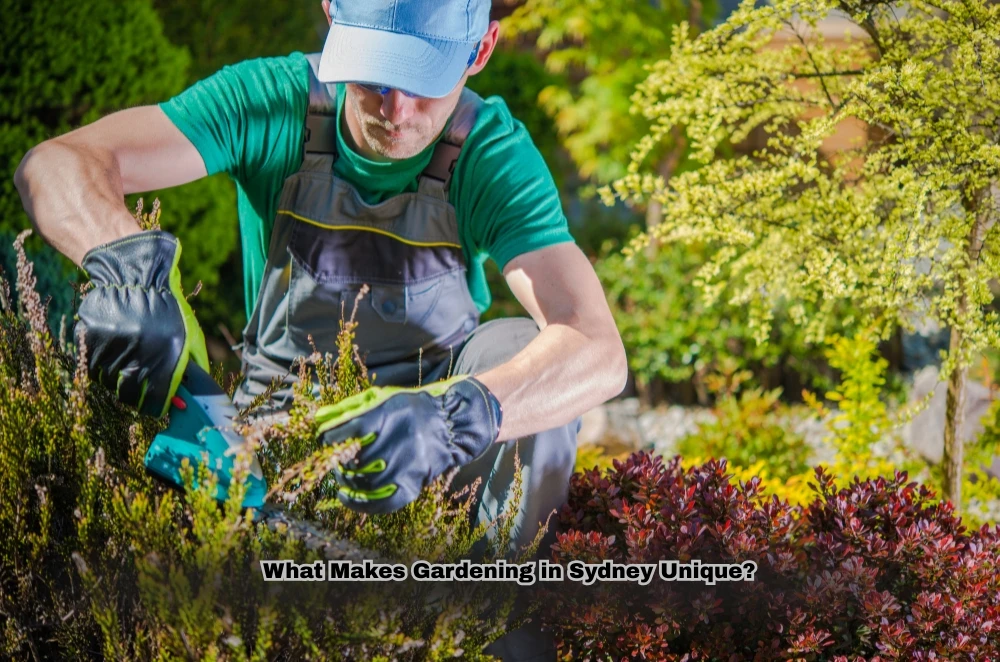
Regular pruning is the key to achieving dense privacy hedges. Start trimming early in the plant’s life to encourage branching. Focus on shaping the hedge wider at the base and slightly narrower at the top to ensure sunlight reaches all parts evenly.
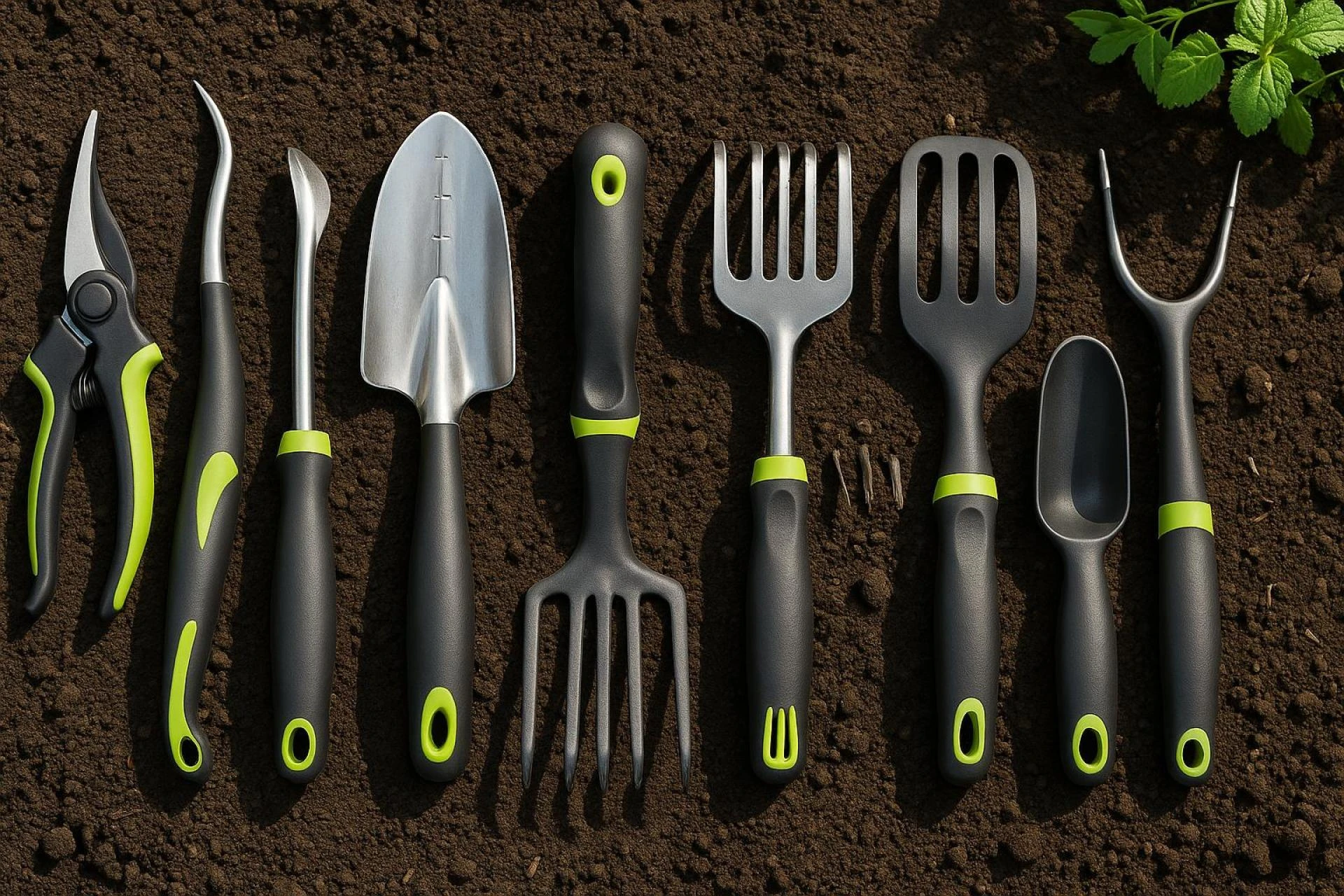
Use sharp, clean tools to make precise cuts and reduce the risk of disease. Depending on the plant species, pruning may be required several times a year. Consistency is more important than heavy, infrequent trimming.
Pest and Disease Management
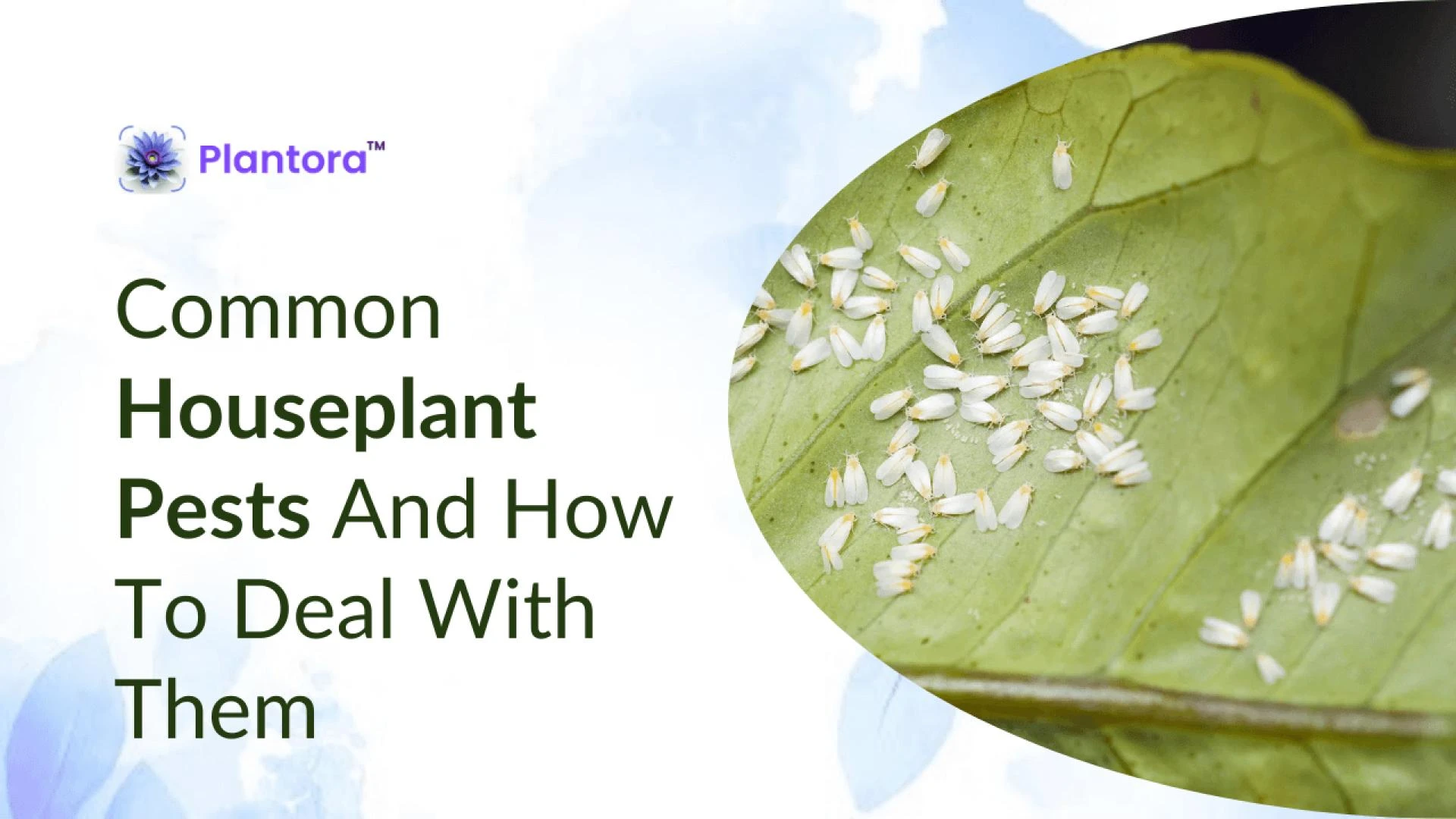
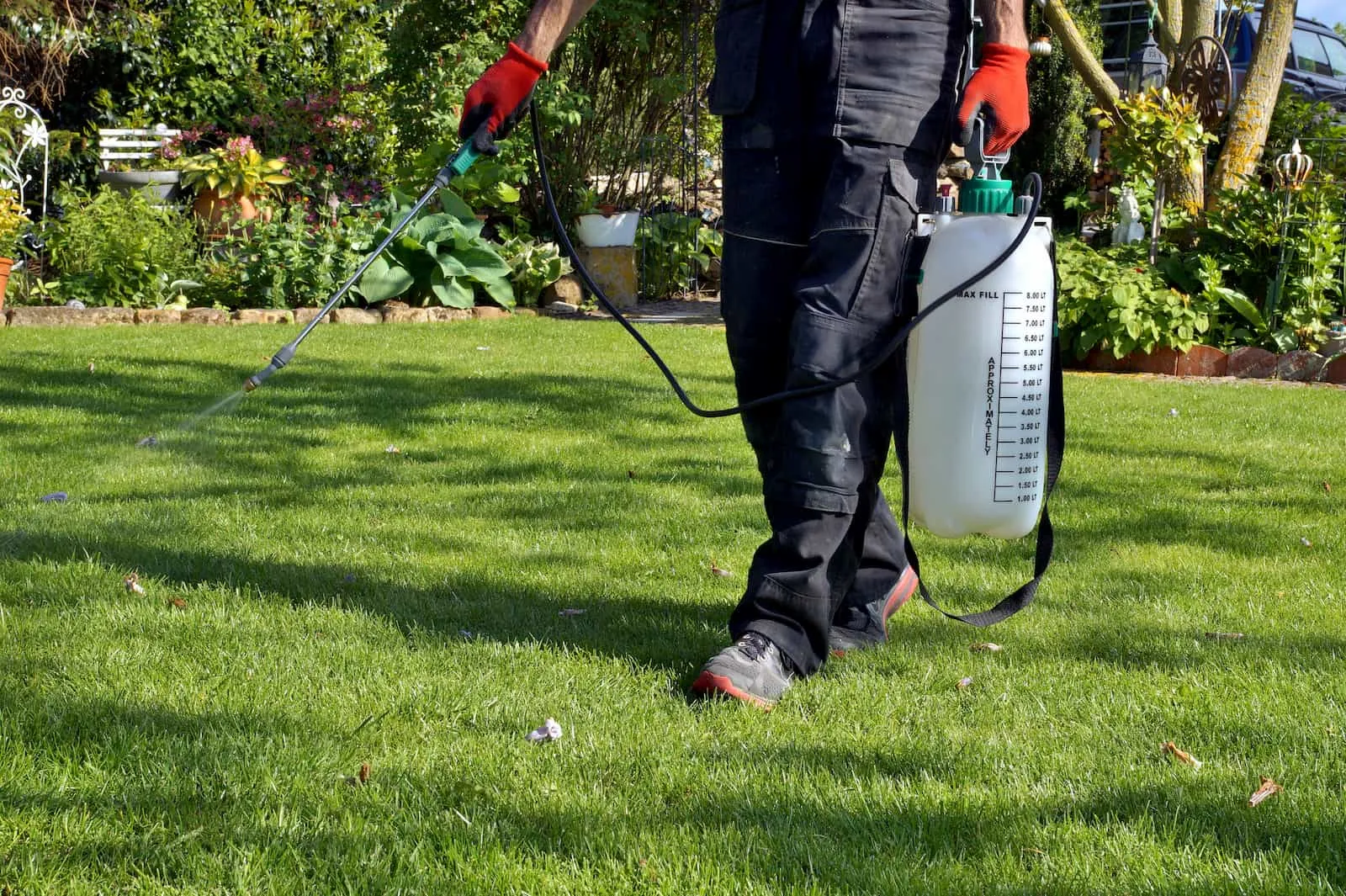
Healthy hedges are less susceptible to pests and diseases. Regularly inspect leaves and stems for signs of damage, discoloration, or infestation. Common issues include aphids, mites, and fungal infections.
Maintain proper spacing and airflow to reduce the risk of humidity-related diseases. If problems arise, use eco-friendly treatments such as neem oil or insecticidal soap. Early intervention can prevent minor issues from becoming major problems.
Long-Term Maintenance Tips
To keep your privacy hedges looking lush and dense, establish a routine maintenance schedule. This includes seasonal pruning, soil enrichment, and monitoring plant health. Replenish mulch annually and adjust watering based on weather conditions.
Occasionally, older hedges may need rejuvenation pruning, where they are cut back more significantly to stimulate fresh growth. Patience and consistency are essential, as hedges improve in density and appearance over time.
Conclusion
Creating and maintaining dense privacy hedges is a rewarding process that combines proper plant selection, thoughtful planting, and consistent care. For those in warmer climates seeking a fast-growing and attractive option, consider incorporating a ficus hedge into your garden plan. By following these practices, you can enjoy a natural, long-lasting privacy solution that enhances your landscape.



















Sign in to leave a comment.