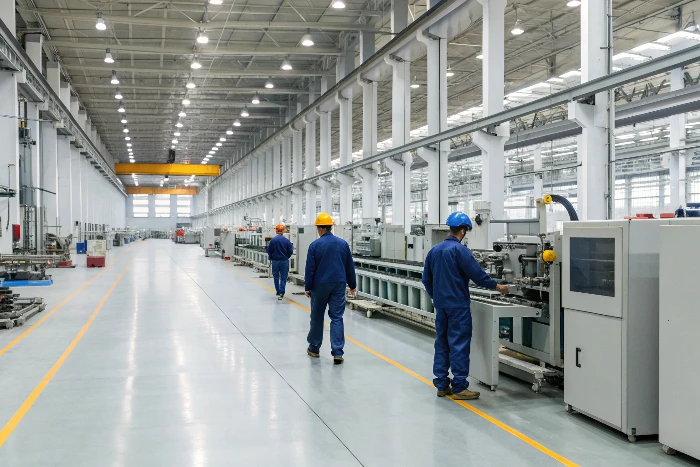
Running equipment smoothly without sudden breakdowns can feel like an uphill battle. Missed schedules, costly repairs, and downtime often drain both time and resources. This creates stress for teams and slows production. But there's a proven way forward. By adopting total productive maintenance, companies can prevent breakdowns before they occur and keep assets performing at their best. With a structured step-by-step machine maintenance procedure, businesses not only cut costs but also increase operational efficiency while improving long-term reliability.
Step 1: Build Awareness and Training Across Teams
For any program to succeed, people must understand its purpose. Total productive maintenance starts by creating awareness among employees at all levels. This ensures everyone knows how proper care reduces risks and supports long-term goals. Training also motivates employees to take ownership of machine care instead of leaving it only to maintenance teams.
- Educates staff on the value of preventive practices.
- Encourages employee ownership of assets.
- Promotes teamwork across departments.
- Reduces knowledge gaps about equipment handling.
Step 2: Introduce Autonomous Maintenance Practices
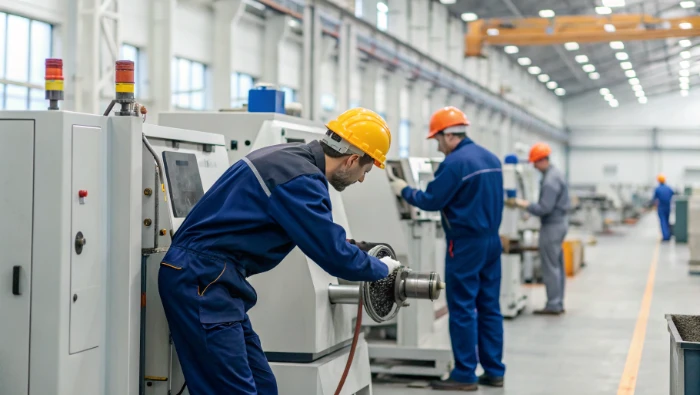
A cornerstone of total productive maintenance is autonomous maintenance, where operators handle daily care tasks. Instead of waiting for a breakdown, employees carry out simple activities such as cleaning, lubricating, and inspecting equipment. This step reduces dependency on maintenance staff for minor issues and extends the useful life of machines.
- Daily checks by operators prevent unnoticed wear.
- Cleaning and lubrication improve asset performance.
- Operators develop a deeper understanding of equipment.
- Early signs of problems are caught before escalation.
Step 3: Establish Preventive Maintenance Schedules
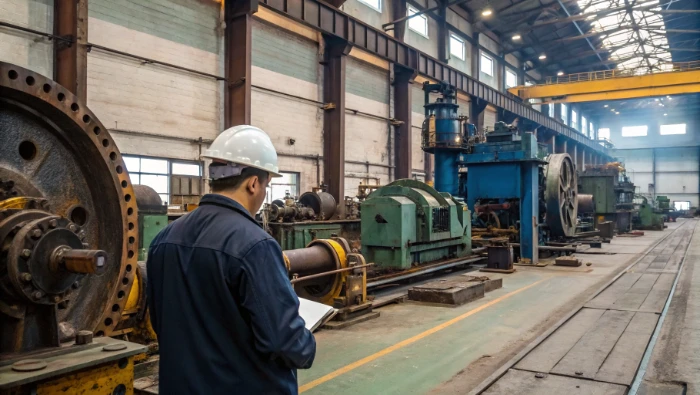
Once daily routines are in place, structured scheduling becomes essential. Preventive measures should align with each machine maintenance procedure, including recommended service intervals, inspections, and part replacements. Planned maintenance reduces sudden failures and ensures that assets remain reliable throughout their lifecycle.
- Reduces unplanned downtime through scheduled tasks.
- Increases the predictability of machine performance.
- Ensures compliance with safety standards.
- Improves overall operational efficiency.
Step 4: Standardize Maintenance Procedures
Productive maintenance also depends on consistency. Standardizing processes means documenting clear steps for inspections, repairs, and part replacements. When everyone follows the exact instructions, tasks are completed accurately and safely every time. It also helps when new staff join, as training becomes faster and easier.
- Provides uniform guidelines for all maintenance work.
- Minimizes risk of errors or missed tasks.
- Saves training time for new employees.
- Creates accountability and reliability.
Step 5: Improve Equipment Effectiveness with KPI Tracking
Measuring success is vital for sustainable progress. Tracking key performance indicators like downtime, repair frequency, and mean time before failure provides insight into equipment reliability. These numbers show whether productive maintenance is truly improving asset performance or if adjustments are needed.
- Identifies patterns in recurring failures.
- Helps managers prioritize critical assets.
- Provides data for smarter budgeting decisions.
- Supports continuous improvement strategies.
Step 6: Eliminate Small Defects Before They Grow
Minor issues often turn into costly breakdowns if ignored. A structured maintenance system addresses small defects early, preventing them from escalating. For example, a leaking seal or unusual vibration can be corrected quickly before leading to bigger repairs.
- Detects issues during routine inspections.
- Prevents small faults from causing significant downtime.
- Extends the overall lifespan of machines.
- Saves long-term costs on repairs.
Step 7: Optimize Spare Parts and Inventory Control
Spare part shortages can stop production instantly. On the other hand, overstocking ties up resources unnecessarily. With total productive maintenance, companies can monitor inventory, reorder critical parts on time, and track supplier information effectively. This balance keeps equipment ready without inflating costs.
- Prevents overstocking and understocking problems.
- Speeds up repairs with organized parts storage.
- Maintains accurate supplier details for quick sourcing.
- Cuts costs related to unnecessary stock.
Step 8: Engage Leadership and Continuous Support
Lasting change requires top-level commitment. Leadership must champion total productive maintenance by providing resources, supporting initiatives, and recognizing employee contributions. A culture of accountability and teamwork makes this program sustainable in the long run.
- Encourages staff through recognition and rewards.
- Ensures proper resources are allocated.
- Builds accountability at every level.
- Strengthens long-term commitment to equipment care.
Conclusion
Adopting total productive maintenance is a strategic decision that delivers long-term reliability, cost savings, and stronger equipment performance. By involving every employee and following structured steps, companies can transform how assets are managed. For organizations aiming to achieve greater results with less downtime, this method provides a clear and effective path.
Take your maintenance strategy to the next level with total productive maintenance. Partner with MicroMain today to maximize equipment reliability and ensure long-term asset success.
FAQs
What is the main purpose of total productive maintenance?
The main purpose is to reduce breakdowns, extend asset life, and involve all employees in machine care for reliable performance.
How does productive maintenance total improve operational efficiency?
It minimizes downtime, prevents unexpected failures, and ensures machines perform at peak levels, which supports smooth operations and better resource use.
Is productive maintenance total suitable for all industries?
Yes, industries from manufacturing to healthcare can benefit, as the principles apply to any environment with assets requiring consistent reliability.




























Sign in to leave a comment.